


Abstract
The rapid economic growth in major coal-consuming countries has often come at the cost of environmental quality and social well-being. This study is urgently needed to provide empirical evidence on how such growth impacts sustainable development, helping policymakers balance economic progress with environmental protection and social welfare in an era of increasing climate concerns. Despite growing attention on sustainability, few studies have examined how key economic-environmental transformation drivers, such as coal consumption, financial development, globalization, urbanization, and economic growth, affect social sustainability. This study addresses this gap by analyzing the impact of these drivers on social sustainability in the world’s leading coal-consuming countries, as classified by Global Firepower. Using data from ten major coal-consuming nations between 1991 and 2022, sourced from the International Monetary Fund (IMF), KOF Swiss Economic Institute, the BP Statistical Review of World Energy, the World Bank’s World Development Indicators (WDIs), and the United Nations Development Programme (UNDP), the study applies advanced estimation techniques, including the Augmented Mean Group (AMG) and Feasible Generalized Least Squares (FGLS), to address cross-sectional dependence and slope heterogeneity. The results indicate that coal consumption has a negative and significant effect on social sustainability. In contrast, financial development, globalization, urbanization, and economic growth all show positive and significant effects. These findings highlight the urgent need for deliberate policy reforms to support a socially inclusive energy transition. Policymakers in major coal-consuming countries should invest in clean energy, fund worker retraining and community health, promote green innovation, and encourage private sector and stakeholder collaboration for a just, sustainable transition. Such measures are vital for coal-dependent countries to balance economic progress with social well-being. This study is the first to quantify social sustainability using the HDI, addressing a gap in the literature concerning the relationship between coal consumption and social development, thereby providing a quantitative basis for formulating policies that balance equity and decarbonization.
1. Introduction
Social sustainability is essential for national growth, stability, and resilience [1]. It encompasses key elements such as equity, social inclusion, access to essential services, and the welfare of both current and future generations. Countries that prioritize social sustainability are better positioned to reduce poverty, alleviate social unrest, and build resilient societies capable of withstanding economic and environmental shocks [2]. In contrast, nations that neglect social justice and inclusive governance often face rising inequality, declining public trust, and stagnated development. As global development goals increasingly emphasize inclusive and sustainable progress, integrating social sustainability into national policies and international frameworks has become a critical priority [3].
At the heart of this agenda are economic-environmental transformation drivers—structural forces that shape economic development while aligning it with environmental responsibility [4]. These include technological innovation, regulatory frameworks, environmentally conscious investments, trade dynamics, and institutional integrity [5]. They play a vital role in decoupling economic growth from environmental degradation. As climate-related regulations tighten, nations aiming for low-carbon, inclusive, and resilient growth must identify and leverage these transformation levers. For emerging economies, doing so is imperative for reducing emissions, enhancing resource efficiency, improving competitiveness, advancing social equity, and complying with global environmental standards [6].
Transformation drivers significantly influence a country’s pathway to social sustainability by affecting economic expansion, resource use, and the distribution of social benefits [7]. When supported by equitable and sustainable policies, these drivers can improve access to education, healthcare, employment, and justice. However, when implemented without regard for societal consequences, they risk worsening inequality, deepening environmental harm, and marginalizing vulnerable populations [8]. A comprehensive understanding of their effects is essential for fostering long-term human development, social resilience, and equitable prosperity.
In many countries, economic and environmental drivers have contributed to social instability, inequality, and the erosion of public welfare systems [9]. Rapid urbanization, reliance on high-emission energy sources, and finance-driven growth models have generated economic gains but often undermined social cohesion, public health, and equitable access to basic services [10]. This is particularly evident in economies dependent on extractive industries or unregulated development, where environmental degradation is closely linked to growing poverty and job insecurity [11]. The disconnect between transformation efforts and social welfare presents a serious challenge for policymakers. Despite economic growth, many communities remain excluded from its benefits or suffer its adverse effects.
While extensive research has examined the impact of coal consumption, financial development, globalization, urbanization, and economic growth on environmental outcomes such as greenhouse gas emissions, carbon intensity, and ecological footprints [12,13,14], limited attention has been paid to their social implications. Critical aspects like access to healthcare and education, social equity, community well-being, and inclusion have been largely overlooked. Wenlong et al. [12] examined the impact of energy efficiency, technology innovation, institutional quality, and trade openness on greenhouse gas emissions in ten Asian economies, providing crucial insights for policymakers and researchers. Raihan et al. [13] examined the role of renewable energy use, technological innovation, and forest cover toward green development, shedding light on potential strategies for sustainable development.
Saint Akadiri et al. [14] examined the role of electricity consumption, globalization, and economic growth in carbon dioxide emissions and their implications for environmental sustainability targets, offering valuable implications for future research and policy. This study is the first to examine the impact of coal consumption, financial development, globalization, urbanization, and economic growth on social sustainability, where social sustainability was measured by the human development index (HDI). This research gap constrains policymakers’ ability to design inclusive sustainability policies during periods of rapid transformation.
This study seeks to evaluate how coal consumption, financial development, globalization, urbanization, and economic growth—key drivers of economic and environmental transformation—affect social sustainability. It investigates their influence on core dimensions such as equity, access to vital services, and overall societal well-being, while identifying which factors most significantly shape equitable and sustainable outcomes. The guiding research question is: What is the impact of coal consumption, financial development, globalization, urbanization, and economic growth on social sustainability?
This research contributes to the literature by exploring how economic transformation drivers shape social sustainability—an essential step in formulating policies that ensure equitable growth. As countries pursue development alongside environmental objectives, it is important to determine whether such efforts also enhance public health, equity, and resilience—fundamental pillars of sustainable development both locally and globally.
Additionally, this study broadens the understanding of how environmental transformation drivers such as energy use, resource management, and pollution control affect societal well-being. Since environmental changes directly influence human health and access to services, recognizing their social consequences is vital for promoting justice, improving public health, and ensuring inclusive access to key resources. Ultimately, a healthier environment contributes to a more just and cohesive society.
The motivation for this study stems from the growing global demand for development models that simultaneously benefit the economy, environment, and society. As governments intensify sustainability efforts, it is critical to ensure these strategies do not displace or disadvantage vulnerable populations. This study is especially relevant because it addresses the often-overlooked social consequences of transformation policies. By examining how shifts in economic and environmental systems impact fairness, well-being, and service access, it offers valuable insights for crafting policies that support sustainable, inclusive development without compromising human dignity or social stability.
2. Literature Review
2.1. Theoretical Background
This study is anchored in sustainable development theory, which emphasizes the imperative of balancing three interdependent pillars—economic growth, environmental conservation, and social equity—to achieve long-term and inclusive development [15]. Rooted in the Brundtland Commission’s widely accepted definition, the theory asserts that sustainable development entails meeting the needs of the present without compromising the ability of future generations to meet their own [16]. This conceptual framework contends that an exclusive focus on one dimension—be it economic or environmental—undermines the broader sustainability agenda. Therefore, policy efforts must be integrated and synergistic, ensuring that economic and environmental advancements translate into improved social outcomes and reduced inequality.
Sustainable development theory is particularly suitable for examining how economic and environmental drivers influence social sustainability—a concept encompassing access to healthcare, education, equity, social inclusion, and community resilience. It holds that growth strategies should not merely stimulate output or preserve ecosystems but must also yield social dividends [17]. In the context of major coal-consuming economies, this framework provides critical insights into how environmental degradation and extractive industrial practices can erode social well-being.
For instance, coal consumption poses a significant threat to sustainable development due to its contribution to air pollution and negative health externalities, particularly in low-income communities. Lockwood [18] argues that heavy reliance on coal undermines both social and environmental systems by heightening the incidence of respiratory illnesses, straining healthcare infrastructure, and weakening societal resilience. This highlights the interconnectedness of environmental practices and social sustainability outcomes, reinforcing the theory’s call for policies that mitigate harm while promoting equitable development. Coal consumption increases air pollution, leading to respiratory and cardiovascular diseases, reducing life expectancy, and lowering HDI.
Regarding economic growth, sustainable development theory supports inclusive financial systems that promote equitable access to credit, financial services, and economic resources [19]. Such systems are vital for reducing poverty, enhancing social cohesion, and advancing social sustainability. However, when financial development fosters wealth concentration or structural economic disparities, it contradicts the foundational principles of the theory, which emphasize equitable and enduring prosperity [20]. This tension is particularly relevant in coal-intensive economies, where the economic gains from resource exploitation often bypass marginalized populations. Financial development expands access to credit and healthcare funding, improving health outcomes and education, thus raising HDI.
The theory also offers a nuanced lens for interpreting globalization. On one hand, globalization enables technology transfer, enhances international cooperation, and fosters job creation—factors that can enhance both economic performance and environmental management [21]. On the other hand, unregulated globalization can result in labor exploitation and the erosion of social rights. Sustainable development theory, therefore, demands that globalization be governed in ways that protect workers and ensure that the benefits of global integration are equitably distributed [22]. Globalization enhances technology and knowledge transfer, strengthening education systems and healthcare quality
Urbanization, another key factor in coal-consuming economies, is framed within this theory as a driver of structural transformation and access to public services [23]. However, the theory warns that if urban growth is unplanned or inequitable, it can lead to informal settlements, poor sanitation, environmental degradation, and unequal access to basic services—outcomes that compromise social sustainability [24]. Hence, urban policies must be inclusive, ensuring that all residents—regardless of socioeconomic status—benefit from clean water, healthcare, housing, and transport systems. Urbanization can improve infrastructure and service delivery—such as healthcare facilities and schools—thereby boosting HDI, though unplanned growth may strain resources.
In sum, sustainable development theory posits that economic growth is not inherently detrimental. Instead, it must be inclusive, redistributive, and supported by strategic investments in public goods such as health, education, and social protection [25]. Growth that benefits only a privileged few or depletes environmental resources without improving overall social welfare is unsustainable. Economic growth raises incomes, enabling better nutrition, education, and healthcare access, which directly improve human development. Within the context of major coal-consuming economies, this theory serves as a guiding framework for evaluating how economic and environmental practices can be aligned to promote robust and equitable social outcomes.
2.2. Hypothesis Development
The research model, which shows the relationship between the economic-environmental transformation drivers and social sustainability, is presented in Figure 1. It also depicts the suggested hypothesis for testing.
Figure 1.
Research Models.
2.2.1. The Influence of Financial Development on Social Sustainability
Financial development has a multifaceted impact on social sustainability. According to sustainable development theory, financial systems should promote universal access to economic resources [20]. This access enables individuals and communities to invest in education, healthcare, and entrepreneurial ventures that advance equity and well-being. Inclusive financial systems empower marginalized populations, fostering upward mobility and social progress. Kling et al. [26] found that greater financial inclusion is strongly associated with improved access to education and reduced income inequality, reinforcing the theoretical view that financial development and social advancement should occur simultaneously. Ensuring access to credit, insurance, and savings for disadvantaged groups can drive socially sustainable outcomes such as poverty reduction and improved access to essential services [27].
However, when financial development is uneven or poorly governed, it can undermine social sustainability [28]. Sustainable development theory emphasizes that growth must be equitable to be enduring. Financial systems that concentrate wealth while excluding the poor contradict this principle. In many developing countries, financial sector expansion has primarily benefited large firms and urban populations, while rural residents and low-income groups remain underserved. Ulwodi and Muriu [29] observed that, despite financial sector growth in sub-Saharan Africa, access remains inequitable—especially for women and rural dwellers—due to systemic barriers to inclusion. The exclusion of these groups limits investment in health, education, and productive assets, thereby perpetuating poverty and social injustice. This reinforces the view that uneven financial development can worsen structural inequalities and weaken social cohesion, directly opposing the inclusive ethos of sustainable development [30].
The stability and governance of financial systems also play a vital role in determining their impact on social sustainability [31]. Sustainable development theory highlights the importance of institutional quality and resilience in achieving long-term progress. Financial crises, often caused by speculative investments and regulatory failures, can severely damage social structures by increasing unemployment, cutting public expenditure on health and education, and eroding trust in institutions [32]. The 2008 global financial crisis vividly illustrates these effects. Dedu et al. [33] noted that countries with weakly regulated and underdeveloped financial systems experienced sharper declines in social well-being indicators during that period. In contrast, well-managed financial systems grounded in sound policies, transparency, and inclusivity can bolster social security and expand economic opportunities. Thus, the influence of financial development on social sustainability depends on its structure, governance, and accessibility—core tenets of the sustainable development framework [34]. Based on these insights, this study proposes the following hypothesis:
H1.
Financial development has a positive and significant impact on social sustainability.
2.2.2. The Influence of Globalization on Social Sustainability
Globalization significantly influences social sustainability by improving access to knowledge and technology, fostering cultural exchange, and reshaping economic structures [35]. According to sustainable development theory, globalization can advance societal well-being by promoting inclusive economic growth and facilitating access to global networks that enhance education, healthcare, and employment. By expanding markets, attracting investment, and broadening the availability of goods and services, globalization can help alleviate poverty [36]. Guzel et al. [37] found a positive association between globalization and improved social outcomes such as increased life expectancy and enhanced educational attainment, especially in middle-income countries. These findings align with sustainable development theory, which emphasizes integrating social welfare goals with economic openness. Through its capacity to connect countries to global solutions and foster investment in human capital, globalization can support long-term social sustainability [36].
However, globalization can also undermine social sustainability if its benefits are unevenly distributed or if it contributes to cultural marginalization and labor exploitation [38]. Sustainable development theory stresses that growth must be inclusive and equitable to be sustainable. Yet, globalization has often resulted in deindustrialization, wage stagnation, and declining labor standards in many emerging economies [39]. Inotai [40] notes that trade liberalization and foreign direct investment frequently favor capital over labor, intensifying inequality and social fragmentation. In sub-Saharan Africa, reliance on export-led growth has sometimes deepened rural poverty and weakened local businesses, offering limited improvements in essential services or employment for marginalized communities [41]. These outcomes contradict the social objectives of sustainability and underscore the dangers of globalization pursued without protections for labor rights, local economies, and cultural diversity.
Moreover, globalization complicates coordination among national governments and weakens regulatory frameworks aimed at promoting social stability [42]. As multinational corporations expand and global supply chains proliferate, transnational entities increasingly influence decisions traditionally made by domestic governments. This shift diminishes the effectiveness of national efforts to promote equity and inclusion. Sustainable development theory underscores the importance of national ownership and institutional capacity in achieving equitable outcomes. Globalization erodes this capacity by facilitating tax evasion, regulatory weakening, and capital flight, which in turn hampers public investment in health, education, and social welfare [43]. Bohoslavsky [44] further argues that illicit financial flows linked to globalization significantly reduce government revenues in low-income countries, impeding their ability to deliver essential social services.
Nonetheless, globalization can still contribute to social sustainability when accompanied by strong institutions, fair trade practices, and social protections that ensure the equitable distribution of its benefits. In light of these dynamics, this study proposes the following hypothesis:
H2.
Globalization has a positive and significant impact on social sustainability.
2.2.3. The Influence of Coal Consumption on Social Sustainability
Coal consumption significantly impacts social sustainability, primarily through its harmful effects on public health and environmental quality [45]. According to sustainable development theory, environmental protection is fundamental to promoting human health and equity—two essential pillars of social sustainability. Coal, as a fossil fuel, releases a range of harmful pollutants into the air and water, disproportionately affecting vulnerable populations [46]. Hendryx et al. [45] report that countries with high coal consumption experience elevated rates of respiratory and cardiovascular diseases, particularly among low-income populations with limited access to healthcare. Sustainable development theory asserts that environmental degradation undermines social sustainability by reducing life expectancy, increasing healthcare costs, and deepening inequality [9]. Thus, coal consumption adversely affects both environmental and social conditions, impeding society’s capacity to remain healthy, inclusive, and productive.
Beyond its health implications, coal consumption also undermines social sustainability through environmental injustice and spatial inequality [47]. Communities located near coal mines and power plants often face land degradation, water contamination, and diminished access to clean resources—violating the sustainable development principle of equitable progress. Rauner et al. [48] found that extensive coal use intensifies environmental stress and contributes to social challenges such as displacement, job loss, and community disruption. These burdens are not evenly distributed; marginalized groups are more likely to suffer due to their limited influence on land use and energy policy decisions. Unequal exposure to environmental harm fosters exclusion and resentment, undermining efforts to achieve integrated and inclusive development [49]. Coal dependency thus perpetuates socioeconomic and spatial disparities, weakening social cohesion and limiting collective progress.
Moreover, reliance on coal impedes economic diversification and equitable access to employment—both critical for long-term social stability [50]. Sustainable development theory advocates for inclusive economic growth that benefits the environment and all members of society. However, coal-based industries are typically capital-intensive rather than labor-intensive, offering fewer jobs relative to the social and environmental costs they impose [51]. Best [51] argues that transitioning from coal to renewable energy not only reduces emissions but also creates more jobs, including opportunities accessible to people of all genders and skill levels. Continued reliance on coal delays this transition, sustaining outdated industrial models that fail to deliver widespread social and economic benefits. Ultimately, coal consumption hampers social development by restricting equitable access to decent work, income opportunities, and environmental justice—all of which are essential to the social dimension of sustainable development [9,52]. Based on these discussions, this study proposes the following hypothesis:
H3.
Coal consumption has a negative and significant impact on social sustainability.
2.2.4. The Influence of Urbanization on Social Sustainability
Urbanization has a profound impact on social sustainability by shaping access to essential services such as housing, healthcare, education, employment, and public infrastructure [53,54]. According to sustainable development theory, urbanization can promote socially inclusive growth when implemented equitably and with environmental responsibility. Cities often serve as hubs of innovation, diverse economic activities, and improved service delivery [55]. When urban growth is managed systematically and inclusively, it enhances access to services, reduces urban–rural disparities, and improves overall quality of life. Goel and Vishnoi [56] argue that well-managed urbanization fosters individual development and poverty reduction by directing investments toward infrastructure and services that benefit large populations. These perspectives are consistent with the social dimension of sustainable development, which emphasizes health, equity, and participatory growth.
However, poorly regulated urbanization can undermine social sustainability by fueling the growth of slums, overburdening infrastructure, and intensifying spatial inequalities [57]. Sustainable development theory emphasizes that progress must be inclusive and responsive to social needs; otherwise, it can deepen poverty and lead to social fragmentation. In many low- and middle-income countries, urban populations are expanding faster than municipal authorities can provide adequate housing, sanitation, education, and transport services [58]. According to Habitat [59], over one billion people worldwide live in slums or informal settlements—areas typically marked by overcrowding, insufficient clean water, and inadequate healthcare. In such contexts, urbanization leads to exclusion rather than opportunity. This contradicts the theory’s assertion that equitable access to services is essential for ensuring that all socio-economic groups—especially the poor and marginalized—benefit from urban growth.
Urbanization can also worsen socio-economic disparities when urban design and governance exclude migrants, ignore gender-based vulnerabilities, or fail to create inclusive spaces [60]. Sustainable development theory highlights the importance of democratic governance and institutional accountability in achieving equitable outcomes. When urban planning favors wealthy elites or prioritizes corporate interests over affordable housing and public welfare, it reinforces inequality and deepens community divisions. Mottelson [61] explains that informal settlements often emerge due to restrictive regulations and weak institutional frameworks, which limit collaborative efforts, job opportunities, and resilience to environmental or economic shifts. To fulfill the goals of social equity embedded in sustainable development, urbanization must be guided by transparent, accountable, and inclusive policymaking. When well-managed, urbanization can enhance social sustainability; when neglected or poorly implemented, it can significantly erode it [1]. These dynamics underscore the critical role of policy in aligning urban growth with the principles of sustainable development. Based on these discussions, this study proposes the following hypothesis:
H4.
Urbanization has a positive and significant impact on social sustainability.
2.2.5. The Influence of Economic Growth on Social Sustainability
Economic growth significantly influences social sustainability, with outcomes that can be either positive or negative depending on how growth is managed and distributed. According to the theory of sustainable development, economic progress must be aligned with environmental responsibility and social equity [9]. Inclusive growth generates employment, raises household incomes, and increases government revenue, enabling greater investment in housing, healthcare, and education. Improvements in human capital and service delivery, in turn, contribute to societal stability. Dagdeviren et al. [62] found that redistributive policies can lift large populations out of poverty during the early stages of economic expansion. This supports the sustainable development principle that economic policy should be linked to investments that enhance social welfare and build long-term resilience.
However, when economic growth benefits only a small segment of the population or depletes natural resources, it undermines social sustainability [63]. The theory of sustainable development cautions against growth strategies that prioritize GDP increases at the expense of social welfare, as they deepen inequality and marginalization. In many developing countries, rapid economic growth has been accompanied by widening income disparities, limited job creation, and insufficient investment in public services [64]. Ness [65] highlights how growth driven by capital accumulation and elite interests can marginalize low-income groups and hinder upward mobility. In resource-rich Sub-Saharan African countries, economic gains have often failed to translate into improved health, education, or living standards for the broader population [66]. Such patterns contradict the tenets of sustainable development, which emphasize empowerment, protection of vulnerable populations, and policies that address structural inequalities.
Ultimately, the quality—not merely the quantity—of economic growth is crucial for promoting social sustainability. Growth strategies that harm the environment or exploit labor may offer short-term gains but lead to long-term consequences such as displacement, poor health outcomes, and job insecurity [67]. Sustainable development theory advocates for pro-poor, environmentally sound economic policies that promote long-term welfare, social inclusion, and civic participation. Fernández et al. [68] demonstrate that inclusive economic growth, supported by strong institutions and social programs, enhances access to education, gender equality, and health. These findings reinforce the view that economic policy should not only boost production but also generate equitable and widespread benefits. Inclusive institutions, strategic social investment, and environmental stewardship are essential to achieving economic success and advancing social sustainability [69]. Based on these insights, this study hypothesizes:
H5.
Economic growth has a positive and significant impact on social sustainability.
3. Methodology
3.1. Sample and Data
This study concentrated on major coal-consuming countries due to their significant dependence on coal as a primary energy source and the associated environmental and social consequences [70]. These countries allocate substantial resources to coal extraction, exhibit slow transitions to clean energy, and face persistent public health challenges and environmental degradation resulting from pollution. Despite global efforts to reduce carbon emissions, many nations continue to rely on coal as a key component of their national energy security strategies. This continued reliance underscores the impact of energy policies on public health, environmental sustainability, and social equity. These characteristics made coal-intensive nations a suitable focus for this study.
The study focuses on the ten largest coal-consuming countries—China, India, the United States, Russia, Japan, South Africa, Germany, South Korea, Indonesia, and Poland—to capture the most significant contributors to global coal consumption. These ten countries collectively account for over 80% of global coal consumption; consequently, the trajectory of their social sustainability directly influences the feasibility of achieving the UN 2030 Agenda on schedule” to enhance international relevance.
While the top twelve or fifteen countries could have been included, the decision to concentrate on the top ten was intentional to maintain a clear focus on the economies with the greatest impact on coal-related economic and environmental transformation. This approach allows for a more in-depth analysis of the primary drivers affecting social sustainability in major coal-consuming economies. Although this focus excludes smaller coal consumers, which may exhibit different dynamics, the selected sample effectively represents the bulk of global coal consumption. This selection may limit the generalizability of results to countries outside this group, particularly emerging consumers with different economic profiles.
The time frame spans 1991 to 2022, capturing over three decades of global developments in energy policy and environmental governance. Data were sourced from reputable international institutions, including the International Monetary Fund (IMF), KOF Swiss Economic Institute, BP Statistical Review of World Energy, World Bank’s World Development Indicators (WDI), and the United Nations Development Programme (UNDP). These sources were chosen for their global reach, methodological transparency, and expertise in tracking economic, energy, and developmental trends.
The selected period (1991–2022) encompasses significant global transitions, including the post–Cold War economic restructuring, liberalization of energy markets, rapid urbanization, and the adoption of major international climate agreements such as the Kyoto Protocol and the Paris Agreement of 1997 and 2015, respectively. These milestones provide a robust backdrop for analyzing long-term structural shifts in coal consumption, policy responses, and sustainability outcomes during an era of intensified economic globalization and environmental commitment.
3.2. Dependent and Independent Variables
Table 1 presents the dependent and independent variables utilized in this study, along with their abbreviations, the regression model, measurement methods, and data sources.
Table 1.
Dependent and independent variables.
3.2.1. Dependent Variable
Social sustainability served as the dependent variable in this study, referring to a society’s capacity to ensure the health, equity, and inclusion of its population over time [1]. To operationalize this construct, the study employed the Human Development Index (HDI), a composite metric encompassing life expectancy, educational attainment, and per capita income [71]. The HDI is widely recognized as a reliable and comprehensive indicator of social sustainability, effectively capturing essential dimensions of human well-being and societal progress [72]. Its multidimensional framework allows for consistent cross-country comparisons and the analysis of long-term trends. Given the study’s focus on structural drivers of development—factors that fundamentally shape societal outcomes—the HDI provides a valid and appropriate measure for assessing social sustainability across diverse national contexts.
HDI captures essential aspects of social sustainability like health, education, and income but excludes inequality and civic participation. Although the Social Progress Index offers a broader view, its inconsistent data limits usability, making HDI the most practical and reliable choice for this study.
3.2.2. Independent Variables
Coal consumption refers to the use of coal for electricity generation, industrial activities, and household needs [73]. It is a major contributor to air pollution, greenhouse gas emissions, and environmental degradation. This variable was selected as an independent factor due to its adverse effects on public health and the environment, which directly influence social sustainability. Coal-related pollution disproportionately impacts low-income communities, leading to increased health risks, reduced life expectancy, and deepened socio-economic inequalities [47]. Its inclusion is critical for assessing environmental impacts on human well-being.
Financial development denotes the growth, efficiency, and accessibility of a nation’s financial institutions and markets, including banking, insurance, and investment services [74]. It supports capital accumulation, promotes private sector growth, and enhances resource allocation. Financial development was included as an independent variable because well-functioning and inclusive financial systems can improve social outcomes by facilitating investments in education, healthcare, and entrepreneurship. It plays a crucial role in shaping income distribution and access to opportunities, thereby influencing social sustainability [75].
Globalization is defined as the increasing interconnectedness of economies, cultures, and institutions through trade, investment, information exchange, and human mobility [76]. It promotes the diffusion of technology, resources, and ideas across borders. This study includes globalization as an independent variable due to its transformative impact on economic and social systems. It can enhance social sustainability by expanding markets, creating employment opportunities, and facilitating the adoption of global innovations [77]. However, if unmanaged, globalization may widen inequality or negatively affect local industries, thereby influencing social justice and welfare.
Urbanization refers to the migration of populations from rural to urban areas, resulting in the growth of cities and metropolitan regions [78]. It reshapes spatial development and influences access to housing, employment, and public services. Urbanization was selected as an independent variable because of its complex implications for social infrastructure, equity, and service delivery. When well-managed, urbanization can foster social inclusion and development; if poorly managed, it may exacerbate inequality and marginalize vulnerable urban populations [79].
Economic growth signifies an increase in a country’s Gross Domestic Product (GDP), reflecting a rise in the production of goods and services [80]. It serves as a key indicator of economic performance and national prosperity. This variable was included due to its potential to expand fiscal space for social investments, alleviate poverty, and improve quality of life [81]. However, the benefits of growth are not always equitably distributed. Thus, analyzing its impact is essential to determine whether economic advancement supports or undermines social sustainability.
3.3. Pre-Estimation Tests
Ensuring the robustness and validity of empirical results depends on the use of appropriate estimation techniques. This study adopted a rigorous methodological approach, beginning with an assessment of cross-sectional dependence among the ten major coal-consuming countries. Cross-sectional dependence occurs when the error terms across countries are correlated due to shared shocks or unobserved global factors [82]. Ignoring such dependence can lead to biased standard errors and unreliable statistical inferences. To test for this, the study employed the Pesaran CD test, along with the Friedman and Frees tests. The null hypothesis in each case assumes cross-sectional independence, while the alternative suggests dependence. As reported in Table 2, the results rejected the null hypothesis, indicating the presence of cross-sectional dependence.
Table 2.
Cross-sectional and heterogeneity tests.
Given this finding, the next step was to test for slope homogeneity. In the presence of cross-sectional dependence, assuming homogeneous slopes across countries may yield misleading estimates [83]. The Pesaran-Yamagata test was applied to evaluate slope characteristics. Here, the null hypothesis states that the slope coefficients are homogeneous across all cross-sectional units, whereas the alternative hypothesis suggests heterogeneity in at least one panel. The test results, presented in Table 2, reject the null hypothesis, confirming the existence of slope heterogeneity in the panel data.
To assess the stationarity of the variables in the presence of cross-sectional dependence, this study employed the Cross-sectional Augmented Dickey–Fuller (CADF) and the Cross-sectional Augmented IPS (CIPS) unit root tests. These methodologies are extensions of the conventional ADF and IPS tests, developed to account for cross-sectional interdependencies among panel units [84], thereby improving the reliability and accuracy of the unit root diagnosis.
Both the CADF and CIPS tests operate under the null hypothesis that the panel series are non-stationary, while the alternative hypothesis posits stationarity. The tests were applied to the variables at both their levels and first differences. As shown in Table 3, the results support the alternative hypothesis, confirming that all variables are stationary at either level or after first differencing. These findings suggest the absence of unit root problems, reinforcing the validity of the regression estimates and justifying the use of panel data for long-run estimation and causal inference.
Table 3.
Panel Unit root tests.
The final pre-estimation procedure involved testing for cointegration using the Westerlund test, chosen for its robustness in addressing cross-sectional dependence through the application of bootstrapped error-correction models [85]. This test examines whether a stable long-run equilibrium relationship exists among variables across panel units. Under the null hypothesis, there is no cointegration among the variables, while the alternative hypothesis suggests the presence of cointegration, implying that the variables move together over time and adjust toward a long-run equilibrium.
The results presented in Table 4 provide statistical evidence in favor of the alternative hypothesis, confirming the presence of cointegration among the variables. This finding justifies the application of long-run estimation techniques, indicating that the relationships among the variables are stable and persistent over time.
Table 4.
Westerlund test for Cointegration.
3.4. Choice of Regression Estimation
The Augmented Mean Group (AMG) estimator was adopted as the primary estimation technique for this study, given the empirical evidence of cross-sectional dependence, slope heterogeneity, stationarity, and a long-run relationship among the variables. The AMG estimator offers a significant methodological advantage by effectively accommodating both global shocks and country-specific dynamics within heterogeneous panel datasets. Unlike traditional estimation models such as Fixed Effects (FE), Random Effects (RE), and Pooled Ordinary Least Squares (POLS), which fail to address cross-sectional dependence and heterogeneity, AMG is better suited for complex panel structures [86,87].
To ensure the robustness and reliability of the AMG estimation results, the study also employed the Feasible Generalized Least Squares (FGLS) model. FGLS is particularly appropriate for panel data characterized by heteroskedasticity, autocorrelation, and cross-sectional dependence [88]. Although it assumes parameter homogeneity across cross-sectional units, it improves the efficiency and precision of estimations under appropriate model assumptions [89]. The application of FGLS as a robustness check complements the AMG model, reinforcing the validity and stability of the study’s empirical findings across different estimation frameworks. All the steps of the pre-estimation and the choice of the regression model selected are presented in Figure 2.
Figure 2.
Methodological Flowchart.
3.5. Model Specification
This study employed a single model to estimate the relationship between economic and environmental drivers and social sustainability. The model is presented below:
NB: All the abbreviations used in the model are presented in Table 1, except “CCC”, which denotes coal-consuming countries, “n”, which represents the panel years selected for this study, and “U”, which signifies the error term.
4. Data Analysis, Results, and Interpretation
4.1. Descriptive Statistics
Table 5 presents the descriptive statistics for the variables used in this study. The mean value for social sustainability reflects a moderate level of social progress across the sampled countries, highlighting room for improvement in promoting equity, inclusivity, and overall well-being. Similarly, the average level of financial development suggests a moderately developed financial system, indicating the need for further institutional strengthening to enhance financial inclusiveness and support sustainable economic growth.
Table 5.
Descriptive Statistics.
The globalization variable recorded a relatively high mean score, indicating strong interconnectedness among the countries. This level of integration can promote the flow of information, trade, and cultural exchange, contributing positively to both social and economic development. Coal consumption, on average, was relatively low, suggesting restrained reliance on fossil fuels; however, this underscores the importance of maintaining a balance between meeting energy demands and achieving environmental and social sustainability objectives.
The urbanization mean reflects a notable shift in populations toward urban centers, which may create employment opportunities but also present challenges such as pressure on infrastructure, housing, and public services. Economic growth was found to be positive on average, yet its sustainability and equitable impact are contingent upon fair distribution of resources and inclusive policy implementation.
4.2. The Variance Inflation Factor (VIF)
The Variance Inflation Factor (VIF) was calculated to assess multicollinearity among the independent variables. The VIF indicates the extent to which an explanatory variable is linearly correlated with other predictors, which, if excessive, could distort the reliability of regression results [90,91,92]. As all VIF values were below the commonly accepted threshold of 5, no multicollinearity concerns were identified [93,94]. This confirms that the predictors in the model are sufficiently independent, thereby supporting the validity and accuracy of the subsequent regression estimations.
The correlation matrix was employed to examine potential multicollinearity among the independent variables. Multicollinearity arises when two or more explanatory variables are highly correlated, typically indicated by a correlation coefficient exceeding 0.70 [95]. As shown in Table 6, all pairwise correlation coefficients fell below this threshold, thereby confirming the absence of problematic multicollinearity in the dataset. These results are consistent with the Variance Inflation Factor (VIF) analysis reported in Table 5, further reinforcing the conclusion that the model’s predictors are sufficiently independent. This ensures the reliability of the estimated coefficients and the robustness of the regression analysis.
Table 6.
Correlation matrix.
4.3. Testing of Hypothesis
Table 7 presents the results of the Augmented Mean Group (AMG) estimator, highlighting the impact of key economic and environmental drivers on social sustainability. Additionally, the study’s hypotheses were evaluated based on these findings. The results indicate that financial development had a positive and statistically significant effect on social sustainability, thereby supporting and confirming Hypothesis 1 (H1). Similarly, globalization was found to have a positive and significant relationship with social sustainability, affirming Hypothesis 2 (H2). In contrast, coal consumption demonstrated a negative and significant influence on social sustainability, providing evidence in support of Hypothesis 3 (H3). Furthermore, the study found a positive and significant association between urbanization and social sustainability, validating Hypothesis 4 (H4). Finally, economic growth also had a positive and significant effect on social sustainability, confirming Hypothesis 5 (H5). These findings underscore the critical roles these variables play in shaping social sustainability outcomes across countries.
Table 7.
Augmented Mean Group estimator.
Table 8 presents the results of the Feasible Generalized Least Squares (FGLS) model, while Table 9 shows the results of the Common Correlated Effects Mean Group (CCEMG) estimator, both employed as robustness checks. FGLS was chosen because it effectively addresses issues of heteroskedasticity and serial correlation, enhancing the efficiency of the estimates even when certain assumptions are partially violated [96]. This strengthens the consistency and reliability of the long-term findings. Similarly, the CCEMG estimator is used to control for unobserved common factors and cross-sectional dependence across countries, providing reliable estimates in panel data settings where such dependencies may bias results [97]. Together, these methods validate the robustness of the study’s conclusions.
Table 8.
Feasible General Least Squares (FGLS).
Table 9.
Common Correlated Effects Mean Group (CCEMG).
A comparison between the FGLS, CCEMG and AMG model results reveals a high degree of consistency in terms of the direction and significance of the relationships among the variables. Despite this alignment, notable differences emerged in the coefficient estimates, standard errors, and t-values. These differences stem from the distinct methodological approaches each model employs in addressing cross-sectional dependence and slope heterogeneity. Nevertheless, the consistent patterns of significance across all models reinforce the robustness and reliability of the AMG findings, thereby providing strong empirical validation for the study’s conclusions.
4.4. Discussion of Empirical Findings
The study found that coal consumption had a significant negative impact on social sustainability. This finding aligns with sustainable development theory, which emphasizes the interdependence of environmental protection, equitable resource access, and economic growth. The theory suggests that growth reliant on environmentally harmful activities, such as coal use, ultimately undermines public health and societal well-being [98]. Coal combustion emits harmful pollutants into the air and water, leading to health complications, ecological degradation, and a lower quality of life, particularly for vulnerable populations [9].
Several factors may explain this outcome. First, pollution from coal-reliant economies is often linked to respiratory illnesses and increased mortality [99]. Second, governments may divert funds from essential services like education and healthcare to mitigate environmental damage or subsidize energy costs [100]. Third, heavy dependence on coal may reflect weak environmental regulations and institutional inefficiencies [101].
These findings suggest that investors should account for emerging environmental and social risks that could affect enterprise productivity and long-term returns. Governments should accelerate renewable energy adoption, strengthen environmental regulations, and prioritize investments in public services. Failure to act may exacerbate inequality, reduce societal resilience, and erode trust in institutions and markets.
The study also found a significant positive relationship between financial development and social sustainability. This supports sustainable development theory, which promotes policies that advance social equity, economic opportunity, and environmental care. Well-regulated financial systems enable individuals and enterprises to access credit, save, and invest, thereby enhancing societal welfare [102]. Financial inclusion can improve access to education, healthcare, housing, and entrepreneurship, aligning with the theory’s focus on social justice and public health.
Several factors may account for this relationship. Improved financial infrastructure supports small and medium enterprises, especially in underserved areas, thereby reducing poverty and enhancing resilience [103]. Households benefit from risk mitigation and greater human capital investment. Robust financial systems also empower governments to fund social programs and public goods, contributing to better outcomes in life expectancy, education, and income, as reflected in higher HDI scores.
These findings underscore the importance of maintaining efficient, transparent financial systems aligned with national development goals. Governments must expand financial access, particularly for marginalized populations, while investors should recognize the role of financial stability in sustaining economic and social development.
Additionally, the study established a significant positive relationship between globalization and social sustainability. This finding supports the sustainable development theory’s emphasis on inclusive growth that benefits both the economy and society. When managed effectively, globalization facilitates access to global markets, technologies, knowledge, and capital [104], all of which can improve public services, employment, and living standards—especially in developing nations. This reinforces the theory’s advocacy for development that meets present needs without compromising future generations [105].
Multiple factors explain these results. Global integration fosters competition and innovation, which reduces prices and increases access to goods and services [106]. It also encourages institutional reforms aligned with international standards [107] and enables access to foreign investment and development financing for infrastructure, education, and healthcare [108], thereby enhancing individual and community well-being.
For investors, these findings highlight globalization’s potential to unlock new opportunities in socially stable, growth-oriented markets. Governments, however, must ensure its benefits are equitably distributed by protecting labor rights, negotiating fair trade agreements, and investing in social welfare to maximize globalization’s positive effects on social sustainability.
Urbanization emerged as another key factor positively associated with social sustainability. This supports sustainable development theory, which views integrated progress across economic, social, and environmental dimensions as essential. When strategically managed, urbanization improves access to education, healthcare, housing, and employment [109]. High population densities enable efficient delivery of public services and infrastructure, thereby enhancing health outcomes and social inclusion [110].
Several factors underpin these results. Urban centers generally offer superior schools, hospitals, transportation, and utilities, which support individual advancement [111]. They also promote economic activity through diverse businesses, innovation hubs, and broader labor markets [112]. Well-planned urbanization fosters cultural exchange and upward mobility, strengthening community cohesion [113]. These dynamics contribute to improved HDI and other development indicators.
For investors, urban areas represent centers of production, skilled labor, and consumer demand. Governments must therefore promote inclusive, environmentally responsible urban growth and ensure all citizens share in the benefits to reduce inequality and avoid social fragmentation.
Finally, the study showed that economic growth significantly enhances social sustainability. According to sustainable development theory, economic progress should improve health, equity, and environmental outcomes. Properly managed, economic growth raises incomes, creates jobs, and boosts government revenues, enabling investment in social services [114]. This supports the theory’s assertion that development should improve current well-being without compromising future prospects.
Several factors contribute to this result. As national wealth increases, governments can expand access to essential services such as education, healthcare, and clean water [115]. Economic growth also stimulates private sector development, generating employment and improving household welfare. Rising incomes help reduce poverty and social exclusion, fostering greater stability and cohesion [116]. These advances translate into higher HDI scores and stronger social sustainability metrics.
Economic growth signals a stable macroeconomic environment and robust demand, both attractive to investors. However, governments must ensure that growth is inclusive and supported by policies that address structural inequities. This will strengthen the social foundation of sustainable development and protect vulnerable populations from exclusion.
5. Conclusions
Despite global initiatives to reduce carbon emissions, many countries continue to rely on coal as part of their national energy strategies. Addressing a critical gap in the literature, this study examines the impact of key economic and environmental transformation drivers on social sustainability across ten leading coal-consuming nations. Using advanced estimation techniques—Augmented Mean Group (AMG) and Feasible Generalized Least Squares (FGLS)—the study finds that coal consumption has a negative and statistically significant effect on social sustainability. In contrast, financial development, globalization, urbanization, and economic growth each show a positive and significant impact. These findings contribute meaningfully to both empirical research and practical policymaking, offering insights that can inform sustainable development strategies, energy policy, and urban planning.
5.1. Theoretical Implication
The findings align with the sustainable development theory, which asserts that lasting progress must balance social equity, environmental preservation, and economic growth. This highlights the need for the selected countries to treat social sustainability as equally important as economic and environmental goals. National development strategies—covering commerce, finance, and energy—should embed human development objectives to ensure inclusive social outcomes. Governments should institutionalize social impact assessments for major economic and environmental decisions to guarantee that inclusion and equity are central to policy design and implementation.
To distribute the benefits of globalization and financial growth more equitably, countries should adopt targeted mechanisms to support low-income populations. One effective strategy is establishing national social investment funds that allocate portions of trade surpluses or financial market revenues to fund public education, primary healthcare, and internet access in underserved areas. Similarly, financial institutions should be required to broaden access to credit for women, youth, and rural communities—transforming financial gains into widespread social progress. These structural reforms reinforce the idea that inclusive economic systems are vital for sustainable growth.
Environmental reforms should also be socially responsive. Countries must use policy tools to ensure that the transition to clean energy promotes health equity and creates jobs for workers affected by the shift. This could include reskilling programs for coal industry workers, tax incentives for clean energy in low-income areas, and public health subsidies in pollution-prone communities. Such measures ensure that environmental progress reduces inequality and strengthens social cohesion. In doing so, nations fulfill the sustainable development theory’s call for policies that protect both people and the planet.
5.2. Policy for Implication
The findings have important policy implications for the selected countries, emphasizing the urgent need to design and implement development strategies that are environmentally responsible, economically sound, and socially inclusive. Policymakers must understand that economic or environmental progress alone is insufficient to achieve social sustainability. Policies should explicitly link economic growth, urban development, and financial sector expansion with equitable access to education, healthcare, housing, and social protection. Embedding social justice standards into national development goals offers a strategic path for ensuring accountability and allows marginalized groups to assess policy effectiveness in measurable ways.
In response to the findings, strong redistributive frameworks should support financial and globalization policies. Governments must require financial institutions to provide inclusive access to funding. This includes offering low-interest loans to small-scale enterprises, supporting rural development through microfinance schemes, and ensuring that financial services reach underserved populations. In addition, trade and investment agreements should contain enforceable clauses that protect workers’ rights, promote domestic employment, and allocate resources for essential public services. Such measures ensure that increased trade and financial flows translate into real improvements in people’s lives, strengthening the social pillar of sustainability.
Environmental policies also require recalibration to give equal weight to health equity and decarbonization goals. Governments should introduce clear regulations to phase out coal consumption equitably, while promoting community-based energy projects, incentivizing renewable energy deployment in underserved areas, and enforcing pollution control in environmentally vulnerable regions. These efforts not only enhance environmental outcomes but also directly reduce income and health disparities. By doing so, countries operationalize the core principles of sustainable development and create mechanisms for evaluating their social and environmental impacts.
China’s coal plant retirement program and India’s Ujjwala clean cooking initiative demonstrate how targeted, well-funded actions can translate sustainability goals into measurable outcomes. Other major coal-consuming countries can adopt similar, context-specific measures—such as Indonesia expanding renewable subsidies, the United States incentivizing carbon capture technologies, Japan promoting hydrogen energy, and South Africa upgrading grid infrastructure for renewables. Tailoring such initiatives to national priorities will help accelerate clean energy transitions, reduce environmental degradation, and enhance social well-being. Coordinated efforts, backed by strong political will and public engagement, can ensure that economic development in these nations aligns with long-term environmental and social sustainability objectives.
5.3. Practical Implication
The positive outcomes of this study offer valuable guidance for policymakers, development agencies, investors, and other key stakeholders in the selected countries. The findings underscore the importance of designing and implementing development initiatives that prioritize inclusive growth and environmental sustainability. This requires strategic planning that explicitly links economic drivers such as globalization, urbanization, and financial development with improved access to quality healthcare, education, and overall living conditions. Public investments and development projects should be evaluated not only by their economic returns but also by their social impact.
The study further recommends that policymakers and development practitioners focus on empowering marginalized groups who are often excluded from the benefits of economic and environmental progress. Practical actions include expanding access to financial services, supporting affordable housing initiatives in urban centers, and promoting clean energy adoption in rural and underserved areas. These strategies help ensure that modernization and growth foster equity and social cohesion rather than deepen existing disparities.
Additionally, the findings emphasize that investors and businesses must assess the environmental and social risks and benefits associated with future projects. Companies dependent on coal should accelerate the shift to cleaner technologies and invest in community development and health initiatives. Embedding social responsibility into corporate strategy enhances public trust, regulatory compliance, and long-term sustainability.
5.4. Policy Transferability
The policy insights derived from major coal-consuming countries offer valuable lessons for medium and low coal-consuming nations, but direct transferability should be approached with caution. These countries often have different economic structures, energy dependencies, and social dynamics, which may influence the effectiveness of policies designed primarily for high coal-consuming contexts. Medium and low coal-consuming countries should adapt strategies to their unique developmental stages and prioritize scalable interventions that balance economic growth with social and environmental goals.
Moreover, the emphasis on sustainable development policies—such as promoting financial sector development, encouraging globalization with social safeguards, and supporting urbanization that is environmentally conscious—can be tailored to fit the capacities and needs of these countries. Rather than replicating policies wholesale, a context-sensitive approach that integrates local socio-economic realities will enhance the success of transitions toward cleaner energy and improved social sustainability. Collaboration and knowledge-sharing platforms can facilitate this adaptive transfer of policy frameworks, ensuring that lessons from major coal-consuming nations inform, but do not dictate, local strategies.
5.5. Limitations and Directional Future Studies
This study has several limitations. First, it focuses exclusively on major coal-consuming countries. While this scope is useful for assessing the effects of coal consumption on social sustainability, it limits the generalizability of the findings to nations with lower fossil fuel dependence or distinct energy profiles. The insights may not fully apply to countries leading in renewable energy adoption or those still in the early stages of industrialization.
Second, the study could not compare its findings with prior research due to the novelty of the topic. By exploring the impact of economic and environmental transformation drivers on social sustainability—an area previously underexplored—it filled a significant gap in the literature. However, this lack of comparable studies made it challenging to benchmark the results or assess consistency with existing evidence.
Future research should consider incorporating additional variables such as renewable energy adoption, the strength of environmental regulations, employment trends, income inequality, and digital access. These elements would offer a more nuanced understanding of the multifaceted nature of social sustainability.
The third limitation relates to potential data-related caveats. These include possible measurement errors in BP coal consumption statistics and the inherent time lag in HDI data, both of which may affect the precision of the results. Future research could address these issues by examining sub-national panels to capture regional heterogeneity and incorporating renewable energy adoption rates to provide a more comprehensive view of the energy–sustainability nexus. Such extensions would enhance the analytical framework, improve policy relevance, and yield more granular insights for designing effective sustainability strategies.
Author Contributions
Conceptualization, N.A.A.S.; writing—original draft preparation, N.A.A.S.; methodology, M.W.A.; writing—review and editing, M.W.A. All authors have read and agreed to the published version of the manuscript.
Funding
This research received no external funding.
Institutional Review Board Statement
Not applicable.
Informed Consent Statement
Not applicable.
Data Availability Statement
Data sources have been mentioned and will be shared if required.
Conflicts of Interest
There are no conflicts of interest to be declared by the authors that are relevant to the content of this manuscript.
References
- Barron, P.; Cord, L.; Cuesta, J.; Espinoza, S.; Larson, G.; Woolcock, M. Social Sustainability in Development: Meeting the Challenges of the 21st Century; World Bank Publications: Washington, DC, USA, 2023. [Google Scholar]
- Deeming, C. The struggle for social sustainability. In The Struggle for Social Sustainability; Policy Press: Bristol, UK, 2021; pp. 291–346. [Google Scholar]
- Gupta, J.; Vegelin, C. Sustainable development goals and inclusive development. Int. Environ. Agree Politics Law Econom. 2016, 16, 433–448. [Google Scholar] [CrossRef] [Scilit]
- Staniškis, J.K. Socio-environmental-economic transformations towards sustainable development. In Transformation of Business Organization Towards Sustainability: Systems Approach; Springer International Publishing: Cham, Switzerland, 2022; pp. 81–165. [Google Scholar]
- Ashford, N.A.; Hall, R.P. Technology, Globalization, and Sustainable Development: Transforming the Industrial State; Yale University Press: New Haven, CT, USA, 2011. [Google Scholar]
- Zhang, S.; Xu, G.; Shu, Y.; Zhu, J. Comparing developed and emerging nations’ Economic development with environmental footprint for low-carbon competitiveness. Heliyon 2024, 10, e34039. [Google Scholar] [CrossRef] [Scilit]
- Chakrabarti, D.; Bhattacharjee, S.; Sethi, P. The unsung drivers of structural transformation in developing economies. J. Econ. Surv. 2025, 1–18. [Google Scholar] [CrossRef] [Scilit]
- Gupta, J.; Scholtens, J.; Perch, L.; Dankelman, I.; Seager, J.; Sánder, F.; Kempf, I. Re-imagining the driver–pressure–state–impact–response framework from an equity and inclusive development perspective. Sustain. Sci. 2020, 15, 503–520. [Google Scholar] [CrossRef] [Scilit]
- Hariram, N.P.; Mekha, K.B.; Suganthan, V.; Sudhakar, K. Sustainalism: An integrated socio-economic-environmental model to address sustainable development and sustainability. Sustainability 2023, 15, 10682. [Google Scholar] [CrossRef] [Scilit]
- Howden-Chapman, P.; Siri, J.; Chisholm, E.; Chapman, R.; Doll, C.N.; Capon, A. SDG 3: Ensure healthy lives and promote wellbeing for all at all ages. In A Guide to SDG Interactions: From Science to Implementation; International Council for Science: Paris, France, 2017; pp. 81–126. [Google Scholar]
- Mabogunje, A.L. Poverty and environmental degradation: Challenges within the global economy. Environ. Sci. Policy Sustain. Dev. 2002, 44, 8–19. [Google Scholar] [CrossRef] [Scilit]
- Wenlong, Z.; Nawaz, M.A.; Sibghatullah, A.; Ullah, S.E.; Chupradit, S.; Minh Hieu, V. Impact of coal rents, transportation, electricity consumption, and economic globalization on ecological footprint in the USA. Environ. Sci. Pollut. Res. 2023, 30, 43040–43055. [Google Scholar] [CrossRef] [Scilit]
- Raihan, A.; Rashid, M.; Voumik, L.C.; Akter, S.; Esquivias, M.A. The dynamic impacts of economic growth, financial globalization, fossil fuel, renewable energy, and urbanization on load capacity factor in Mexico. Sustainability 2023, 15, 13462. [Google Scholar] [CrossRef] [Scilit]
- Saint Akadiri, S.; Alola, A.A.; Olasehinde-Williams, G.; Etokakpan, M.U. The role of electricity consumption, globalization and economic growth in carbon dioxide emissions and its implications for environmental sustainability targets. Sci. Total Environ. 2020, 708, 134653. [Google Scholar] [CrossRef] [Scilit]
- Ghimire, B.J. Three pillars of sustainable development: Challenges versus achievements. Journey Sustain. Dev. Peace J. 2023, 1, 132–146. [Google Scholar] [CrossRef] [Scilit]
- Mensah, J. Sustainable development: Meaning, history, principles, pillars, and implications for human action: Literature review. Cogent Soc. Sci. 2019, 5, 1653531. [Google Scholar] [CrossRef] [Scilit]
- Labeeque, A.; Sanaullah, A. Towards inclusive economic growth: Synthesizing strategies for social inclusion in development. J. Policy Options 2019, 2, 77–95. [Google Scholar]
- Lockwood, A.H. The Silent Epidemic: Coal and the Hidden Threat to Health; Mit Press: Cambridge, MA, USA, 2012. [Google Scholar]
- Mlachila, M.M.; Jidoud, A.; Newiak, M.M.; Radzewicz-Bak, B.; Takebe, M.M. Financial Development in Sub-Saharan Africa: Promoting Inclusive and Sustainable Growth; International Monetary Fund: Washington, DC, USA, 2016. [Google Scholar]
- Akhtar, N.; Rashid, A. Financial development and sustainable development: A review of literature. Sustain. Dev. 2024, 32, 7114–7139. [Google Scholar] [CrossRef] [Scilit]
- Narula, R. Globalization and Technology: Interdependence, Innovation Systems and Industrial Policy; John Wiley Sons: Hoboken, NJ, USA, 2014. [Google Scholar]
- Sunny, F.A.; Jeronen, E.; Lan, J. Influential theories of economics in shaping sustainable development concepts. Adm. Sci. 2024, 15, 6. [Google Scholar] [CrossRef] [Scilit]
- Lall, S.; Mahgoub, A.; Maria, A.; Touati, A. Leveraging Urbanization to Promote a New Growth Model While Reducing Territorial Disparities in Morocco: Urban and Regional Development Policy Note; World Bank Publications: Washington, DC, USA, 2019. [Google Scholar]
- Brown, J.; Acey, C.S.; Anthonj, C.; Barrington, D.J.; Beal, C.D.; Capone, D.; Winkler, I.T. The effects of racism, social exclusion, and discrimination on achieving universal safe water and sanitation in high-income countries. Lancet Glob. Health 2023, 11, e606–e614. [Google Scholar] [CrossRef] [Scilit]
- Fay, M. Inclusive Green Growth: The Pathway to Sustainable Development; World Bank Publications: Washington, DC, USA, 2012. [Google Scholar]
- Kling, G.; Pesqué-Cela, V.; Tian, L.; Luo, D. A theory of financial inclusion and income inequality. Eur. J. Financ. 2022, 28, 137–157. [Google Scholar] [CrossRef] [Scilit]
- Mbodj, A.; Laye, S. Reducing Poverty Through Financial Growth: The Impact of Financial Inclusion and Development in Emerging Economies. J. Bus. Econ. Options 2025, 8, 61–76. [Google Scholar]
- Ozili, P.K.; Iorember, P.T. Financial stability and sustainable development. Int. J. Financ. Econ. 2024, 29, 2620–2646. [Google Scholar] [CrossRef] [Scilit]
- Ulwodi, D.W.; Muriu, P.W. Barriers of financial inclusion in Sub-Saharan Africa. J. Econ. Sustain. Dev. 2017, 8, 66–81. [Google Scholar]
- Boarini, R.; Causa, O.; Fleurbaey, M.; Grimalda, G.; Woolard, I. Reducing inequalities and strengthening social cohesion through inclusive growth: A roadmap for action. Economics 2018, 12, 20180063. [Google Scholar] [CrossRef] [Scilit]
- Ziolo, M.; Filipiak, B.Z.; Bąk, I.; Cheba, K. How to design more sustainable financial systems: The roles of environmental, social, and governance factors in the decision-making process. Sustainability 2019, 11, 5604. [Google Scholar] [CrossRef] [Scilit]
- Foster, J.B.; Magdoff, F. The Great Financial Crisis: Causes and Consequences; NYU Press: New York, NY, USA, 2009. [Google Scholar]
- Dedu, V.; Nițescu, D.C.; Cristea, M.A. The impact of macroeconomic, social and governance factors on the sustainability and well-being of the economic environment and the robustness of the banking system. Sustainability 2021, 13, 5713. [Google Scholar] [CrossRef] [Scilit]
- Chiu, R.L. 12 Social sustainability, sustainable development and housing development. In Housing and Social Change: East-West Perspectives; Routledge: New York, NY, USA, 2003; Volume 221. [Google Scholar]
- Tang, Y. The Effect of Globalization on Social Sustainability in Local Communities. J. Lifestyle SDGs Rev. 2025, 5, e06592. [Google Scholar] [CrossRef] [Scilit]
- Werhane, P.H.; Newton, L.; Wolfe, R. Alleviating Poverty Through Profitable Partnerships: Globalization, Markets, and Economic Well-being; Routledge: New York, NY, USA, 2020. [Google Scholar]
- Guzel, A.E.; Arslan, U.; Acaravci, A. The impact of economic, social, and political globalization and democracy on life expectancy in low-income countries: Are sustainable development goals contradictory? Environ. Dev. Sustain. 2021, 23, 13508–13525. [Google Scholar] [CrossRef] [Scilit]
- Sorrells, K.; Sekimoto, S. Intercultural Communication: Globalization and Social Justice; Sage publications: Thousand Oaks, CA, USA, 2025. [Google Scholar]
- Van Neuss, L. Globalization and deindustrialization in advanced countries. Struct. Change Econ. Dyn. 2018, 45, 49–63. [Google Scholar] [CrossRef] [Scilit]
- Inotai, A. Liberalization and foreign direct investment. In Foreign Economic Liberalization; Routledge: New York, NY, USA, 2019; pp. 99–111. [Google Scholar]
- Kappel, R. Africa’s Employment Challenges: The Ever-Widening Gaps; Friedrich-Ebert-Stiftung: Bonn, Germany, 2021; p. 68. [Google Scholar]
- Bertucci, G.; Alberti, A. Globalization and the Role of the State: Challenges and Perspectives. In Reinventing Government for the Twenty-First Century, State Capacity in a Globalizing Society; Rondinelli, D.A., Cheema, G.S., Eds.; Kumarian Press Inc.: Westport, CT, USA, 2003; pp. 17–31. [Google Scholar]
- Panic, M. Globalization and National Economic Welfare; Palgrave Macmillan: Basingstoke, UK, 2003; p. 243. [Google Scholar]
- Bohoslavsky, J.P. Tax-related illicit financial flows and human rights. J. Financ. Crime 2018, 25, 750–769. [Google Scholar] [CrossRef] [Scilit]
- Hendryx, M.; Zullig, K.J.; Luo, J. Impacts of coal use on health. Annu. Rev. Public Health 2020, 41, 397–415. [Google Scholar] [CrossRef] [Scilit]
- Lak, S.Z.; Rezaei, J.; Rahimpour, M.R. Health and pollution challenges of fossil fuels utilization. Encycl. Renew. Energy Sustain. Env. 2024, 8, 155. [Google Scholar]
- Wishart, R.; Greenberg, P. Coal and environmental inequality. In Handbook on Inequality and the Environment; Edward Elgar Publishing: Cheltenham, UK, 2023; pp. 506–530. [Google Scholar]
- Rauner, S.; Bauer, N.; Dirnaichner, A.; Dingenen, R.V.; Mutel, C.; Luderer, G. Coal-exit health and environmental damage reductions outweigh economic impacts. Nat. Clim. Chang. 2020, 10, 308–312. [Google Scholar] [CrossRef] [Scilit]
- Menton, M.; Larrea, C.; Latorre, S.; Martinez-Alier, J.; Peck, M.; Temper, L.; Walter, M. Environmental justice and the SDGs: From synergies to gaps and contradictions. Sustain. Sci. 2020, 15, 1621–1636. [Google Scholar] [CrossRef] [Scilit]
- Wang, H.; Zhang, D. Examining the interplay between fossil fuel mining, sustainable growth, and economic prosperity. Resour. Policy 2023, 87, 104324. [Google Scholar] [CrossRef] [Scilit]
- Williams, G. Social and economic costs and benefits of coal. In The Coal Handbook; Woodhead Publishing: Sawston, UK, 2023; pp. 3–29. [Google Scholar]
- Best, R. Switching towards coal or renewable energy? The effects of financial capital on energy transitions. Energy Econ. 2017, 63, 75–83. [Google Scholar] [CrossRef] [Scilit]
- Wicks, R.; Keay, M. Can coal contribute to sustainable development? Energy Environ. 2005, 16, 767–779. [Google Scholar] [CrossRef]
- Aslam, M.; Hussian, Z.; Sattar, F.A. Urbanization: A Comprehensive Analysis of Causes, Impacts, and Policy Implications. Ann. Hum. Soc. Sci. 2025, 6, 60–71. [Google Scholar]
- Schiavone, F.; Paolone, F.; Mancini, D. Business model innovation for urban smartization. Technol. Forecast. Soc. Chang. 2019, 142, 210–219. [Google Scholar] [CrossRef] [Scilit]
- Goel, R.K.; Vishnoi, S. Urbanization and sustainable development for inclusiveness using ICTs. Telecommun. Policy 2022, 46, 102311. [Google Scholar] [CrossRef] [Scilit]
- Beall, J. Social policy and urban development. In Handbook of Social Policy and Development; Edward Elgar Publishing: Cheltenham, UK, 2019; pp. 147–168. [Google Scholar]
- Thondoo, M.; Marquet, O.; Márquez, S.; Nieuwenhuijsen, M.J. Small cities, big needs: Urban transport planning in cities of developing countries. J. Transp. Health 2020, 19, 100944. [Google Scholar] [CrossRef] [Scilit]
- Habitat, U.N. Tracking Progress Towards Inclusive, Safe, Resilient and Sustainable Cities and Human Settlements. In SDG 11 Synthesis Report-High Level Political Forum 2018; United Nations: New York, NY, USA, 2018. [Google Scholar]
- Trask, B.S. Migration, Urbanization, and the Family Dimension; Division for Inclusive Social Development, Focal Point on the Family: New York, NY, USA, 2022; Available online: https://www.un.org/development/desa/family/wp-content/uploads/sites/23/2022/04/Migration-Urbanization-and-the-Family-Dimension-by-Bahira-Trask.pdf (accessed on 14 February 2025).
- Mottelson, J. On informal housing supply restrictions and livelihood in informal settlements: Implications for sustainable development. Sustain. Dev. 2023, 31, 3566–3578. [Google Scholar] [CrossRef] [Scilit]
- Dagdeviren, H.; Van Der Hoeven, R.; Weeks, J. Poverty reduction with growth and redistribution. Dev. Chang. 2022, 33, 383–413. [Google Scholar] [CrossRef] [Scilit]
- Jackson, T. Societal transformations for a sustainable economy. In Natural Resources Forum; Blackwell Publishing Ltd.: Oxford, UK, 2011; Volume 35, pp. 155–164. [Google Scholar]
- Stiglitz, J.E. Macroeconomic fluctuations, inequality, and human development. In Macroeconomics and Human Development; Routledge: New York, NY, USA, 2015; pp. 31–58. [Google Scholar]
- Ness, I. Migration as Economic Imperialism: How International Labour Mobility Undermines Economic Development in Poor Countries; John Wiley Sons: Hoboken, NJ, USA, 2023. [Google Scholar]
- Agyepong, I.A.; Sewankambo, N.; Binagwaho, A.; Coll-Seck, A.M.; Corrah, T.; Ezeh, A.; Piot, P. The path to longer and healthier lives for all Africans by 2030: The Lancet Commission on the future of health in sub-Saharan Africa. Lancet 2017, 390, 2803–2859. [Google Scholar] [CrossRef] [Scilit]
- Montt, G.; Fraga, F.; Harsdorff, M. The Future of Work in a Changing Natural Environment: Climate Change, Degradation and Sustainability; International Labour Organization: Geneva, Switzerland, 2018; Available online: https://www.greenpolicyplatform.org/sites/default/files/downloads/resource/The_future_of_work_in_a_changing_natural_environment_ILO.pdf (accessed on 8 January 2025).
- Fernández, R.; Isakova, A.; Luna, F.; Rambousek, B. Gender Equality and Inclusive Growth; International Monetary Fund: Washington, DC, USA, 2021. [Google Scholar]
- Deeming, C.; Smyth, P. Social investment, inclusive growth that is sustainable and the new global social policy. In Reframing Global Social Policy; Policy Press: Bristol, UK, 2017; pp. 11–44. [Google Scholar]
- Jordan, J.; Tenzing, J. Social Foundations of a Just Coal Transition; World Bank: Washington, DC, USA, 2024. [Google Scholar]
- Paliova, I.; McNown, R.; Nülle, G. Multiple Dimensions of Human Development Index and Public Social Spending for Sustainable Development; International Monetary Fund: Washington, DC, USA, 2019. [Google Scholar]
- Chaaban, J.; Irani, A.; Khoury, A. The composite global well-being index (CGWBI): A new multi-dimensional measure of human development. Soc. Indic. Res. 2016, 129, 465–487. [Google Scholar] [CrossRef] [Scilit]
- Yuan, J.; Na, C.; Lei, Q.; Xiong, M.; Guo, J.; Hu, Z. Coal use for power generation in China. Resour. Conserv. Recycl. 2018, 129, 443–453. [Google Scholar] [CrossRef] [Scilit]
- Svirydzenka, K. Introducing a New Broad-Based Index of Financial Development; International Monetary Fund: Washington, DC, USA, 2016. [Google Scholar]
- Andersen, T.B.; Tarp, F. Financial liberalization, financial development and economic growth in LDCs. J. Int. Dev. J. Dev. Stud. Assoc. 2003, 15, 189–209. [Google Scholar] [CrossRef] [Scilit]
- Mandal, B.P. Globalization and Society; KK Publicaitons: New Delhi, India, 2021. [Google Scholar]
- Kalkanci, B.; Rahmani, M.; Toktay, L.B. The role of inclusive innovation in promoting social sustainability. Prod. Oper. Manag. 2019, 28, 2960–2982. [Google Scholar] [CrossRef] [Scilit]
- Bhagat, R.B.; Mohanty, S. Emerging pattern of urbanization and the contribution of migration in urban growth in India. Asian Popul. Stud. 2009, 5, 5–20. [Google Scholar] [CrossRef] [Scilit]
- Mardikaningsih, R. Urbanization and Social Inequality: Challenges in Building Social Cohesion in a City-Based Environment. J. Soc. Sci. Stud. 2021, 1, 135–140. [Google Scholar]
- Ivic, M.M. Economic growth and development. J. Process Manag. New Technol. Int. 2015, 3, 55–62. [Google Scholar]
- Cammeraat, E. The relationship between different social expenditure schemes and poverty, inequality and economic growth. Int. Soc. Secur. Rev. 2020, 73, 101–123. [Google Scholar] [CrossRef] [Scilit]
- Ertur, C.; Musolesi, A. Weak and strong cross-sectional dependence: A panel data analysis of international technology diffusion. J. Appl. Econom. 2017, 32, 477–503. [Google Scholar] [CrossRef] [Scilit]
- Bailey, N.; Kapetanios, G.; Pesaran, M.H. Exponent of cross-sectional dependence: Estimation and inference. J. Appl. Econom. 2016, 31, 929–960. [Google Scholar] [CrossRef] [Scilit]
- Pesaran, M.H. A simple panel unit root test in the presence of cross-section dependence. J. Appl. Econom. 2007, 22, 265–312. [Google Scholar] [CrossRef] [Scilit]
- Mehmet, S.; Ekrem, A.Y.; Gokcen, O. Cross sectional dependence and cointegration analysis among the GDP-Foreign direct investment and aggregate credits: Evidence from selected developing countries. Asian Econ. Financ. Rev. 2014, 4, 1485. [Google Scholar]
- Eberhardt, M. Estimating panel time-series models with heterogeneous slopes. Stata J. 2012, 12, 61–71. [Google Scholar] [CrossRef] [Scilit]
- Eberhardt, M.; Teal, F. Productivity Analysis in Global Manufacturing Production; University of Oxford: Oxford, UK, 2010. [Google Scholar]
- Musau, V.M.; Waititu, A.G.; Wanjoya, A.K. Modeling panel data: Comparison of GLS estimation and robust covariance matrix estimation. Am. J. Theor. Appl. Stat. 2015, 4, 185–191. [Google Scholar] [CrossRef] [Scilit]
- Moundigbaye, M.; Rea, W.S.; Reed, W.R. Which panel data estimator should I use?: A corrigendum and extension. Economics 2018, 12, 20180004. [Google Scholar] [CrossRef] [Scilit]
- Arhinful, R.; Mensah, L.; Owusu-Sarfo, J.S. Board governance and ESG performance in Tokyo stock exchange-listed automobile companies: An empirical analysis. Asia Pac. Manag. Rev. 2024, 29, 397–414. [Google Scholar] [CrossRef] [Scilit]
- Arhinful, R.; Radmehr, M. The impact of financial leverage on the financial performance of the firms listed on the Tokyo stock exchange. Sage Open 2023, 13, 21582440231204099. [Google Scholar] [CrossRef] [Scilit]
- Arhinful, R.; Mensah, L.; Obeng, H.A. Corporate social responsibility’s role in shaping environmental innovation and reputation: Evidence from London’s non-financial sector. Corp. Soc. Responsib. Environ. Manag. 2025, 32, 4880–4899. [Google Scholar] [CrossRef] [Scilit]
- Mensah, L.; Bein, M.A.; Arhinful, R. The Impact of Capital Structure on Business Growth Under IFRS Adoption: Evidence From Firms Listed in the Frankfurt Stock Exchange. Sage Open 2025, 15, 21582440251336533. [Google Scholar] [CrossRef] [Scilit]
- Mensah, L.; Arhinful, R.; Obeng, H.A.; Gyamfi, B.A. The impact of capital structure on product responsibility and corporate reputation: Evidence from non-financial institutions listed on the London stock exchange. Eur. Res. Manag. Bus. Econ. 2025, 31, 100287. [Google Scholar] [CrossRef] [Scilit]
- Arhinful, R.; Gyamfi, B.A.; Mensah, L.; Obeng, H.A. Non-Performing Loans and Their Impact on Investor Confidence: A Signaling Theory Perspective—Evidence from US Banks. J. Risk Financ. Manag. 2025, 18, 383. [Google Scholar] [CrossRef] [Scilit]
- Abbas, M.; Yang, L.; Lahr, M.L. Globalization’s effects on South Asia’s carbon emissions, 1996–2019: A multidimensional panel data perspective via FGLS. Humanit. Soc. Sci. Commun. 2024, 11, 1171. [Google Scholar] [CrossRef] [Scilit]
- Arhinful, R.; Mensah, L.; Gyamfi, B.A.; Obeng, H.A. The influence of non-performing loans on environmental innovation: An institutional theory perspective–insights from US banks. Cogent Bus. Manag. 2025, 12, 2538710. [Google Scholar] [CrossRef] [Scilit]
- Henderson, K.; Loreau, M. A model of Sustainable Development Goals: Challenges and opportunities in promoting human well-being and environmental sustainability. Ecol. Model. 2023, 475, 110164. [Google Scholar] [CrossRef] [Scilit]
- Thurber, M.C. Coal; John Wiley & Sons: Hoboken, NJ, USA, 2019. [Google Scholar]
- Sarkar, A.; Singh, J. Financing energy efficiency in developing countries—Lessons learned and remaining challenges. Energy Policy 2010, 38, 5560–5571. [Google Scholar] [CrossRef] [Scilit]
- Qian, X.; Wang, D.; Wang, J.; Chen, S. Resource curse, environmental regulation and transformation of coal-mining cities in China. Resour. Policy 2021, 74, 101447. [Google Scholar] [CrossRef] [Scilit]
- McVeagh-Holness, J. Financial Development and Access to Funding: The Case of Small and Medium-Sized Enterprises in Vietnam. Master’s Thesis, University of Bristol, Bristol, UK, 2018. [Google Scholar]
- Dela Cruz, N.A.; Villanueva, A.C.B.; Tolin, L.A.; Disse, S.; Lensink, R.; White, H. PROTOCOL: Effects of interventions to improve access to financial services for micro-, small-and medium-sized enterprises in low-and middle-income countries: An evidence and gap map. Campbell Syst. Rev. 2023, 19, e1341. [Google Scholar] [CrossRef] [Scilit]
- Khan, I.; Khan, I. Financial inclusion matter for poverty, income inequality and financial stability in developing countries: New evidence from public good theory. Int. J. Emerg. Mark. 2024, 19, 3561–3580. [Google Scholar] [CrossRef] [Scilit]
- Abramovich, N.; Vasiliu, A. Sustainability as fairness: A Rawlsian framework linking intergenerational equity and the sustainable development goals (SDGs) with business practices. Sustain. Dev. 2023, 31, 1328–1342. [Google Scholar] [CrossRef] [Scilit]
- Jovanović, M.N. The economics of international integration. In The Economics of International Integration, 2nd ed.; Edward Elgar Publishing: Cheltenham, UK, 2015. [Google Scholar]
- Friday, S.C.; Lawal, C.I.; Ayodeji, D.C.; Sobowale, A. A conceptual framework for enhancing regulatory compliance through auditing in multinational corporations. Int. J. Adv. Multidiscip. Res. Studies 2024, 4, 1690–1699. [Google Scholar] [CrossRef] [Scilit]
- Nwagwu, W.E. Integrating ICTs into the globalization of the poor developing countries. Inf. Dev. 2006, 22, 167–179. [Google Scholar] [CrossRef] [Scilit]
- Chen, M.; Chen, L.; Cheng, J.; Yu, J. Identifying interlinkages between urbanization and Sustainable Development Goals. Geogr. Sustain. 2022, 3, 339–346. [Google Scholar] [CrossRef] [Scilit]
- Cheema, S. Governance for urban services: Towards political and social inclusion in cities. In Governance for Urban Services: Access, Participation, Accountability, and Transparency; Springer: Singapore, 2020; pp. 1–30. [Google Scholar]
- Pojani, D.; Stead, D. Sustainable urban transport in the developing world: Beyond megacities. Sustainability 2015, 7, 7784–7805. [Google Scholar] [CrossRef] [Scilit]
- Omowole, B.M.; Olufemi-Phillips, A.Q.; Ofodile, O.C.; Eyo-Udo, N.L.; Ewim, S.E. The role of SMEs in promoting urban economic development: A review of emerging economy strategies. Int. J. Eng. Res. Dev. 2024, 20, 1127–1144. [Google Scholar]
- Schreiber, F.; Carius, A. The inclusive city: Urban planning for diversity and social cohesion. In State of the World: Can a City Be Sustainable? Island Press/Center for Resource Economics: Washington, DC, USA, 2016; pp. 317–335. [Google Scholar]
- Silalahi, M.S.; Walsh, S. Analyzing government policies in addressing unemployment and empowering workers: Implications for economic stability and social welfare. Law Econ. 2023, 17, 92–110. [Google Scholar] [CrossRef] [Scilit]
- Cerf, M.E. The social-education-economy-health nexus, development and sustainability: Perspectives from low-and middle-income and African countries. Discov. Sustain. 2023, 4, 37. [Google Scholar] [CrossRef] [Scilit]
- Shaaban, S. A conceptual framework review of social exclusion, and its relation with social cohesion and poverty in Europe. Int. J. Divers. Organ. Communities Nations 2011, 11, 117. [Google Scholar] [CrossRef] [Scilit]
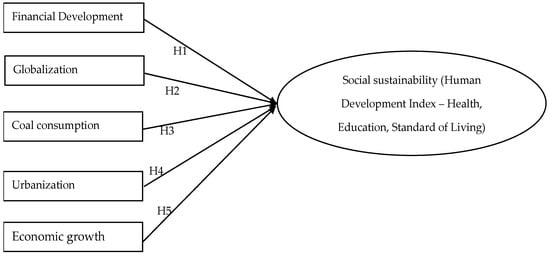
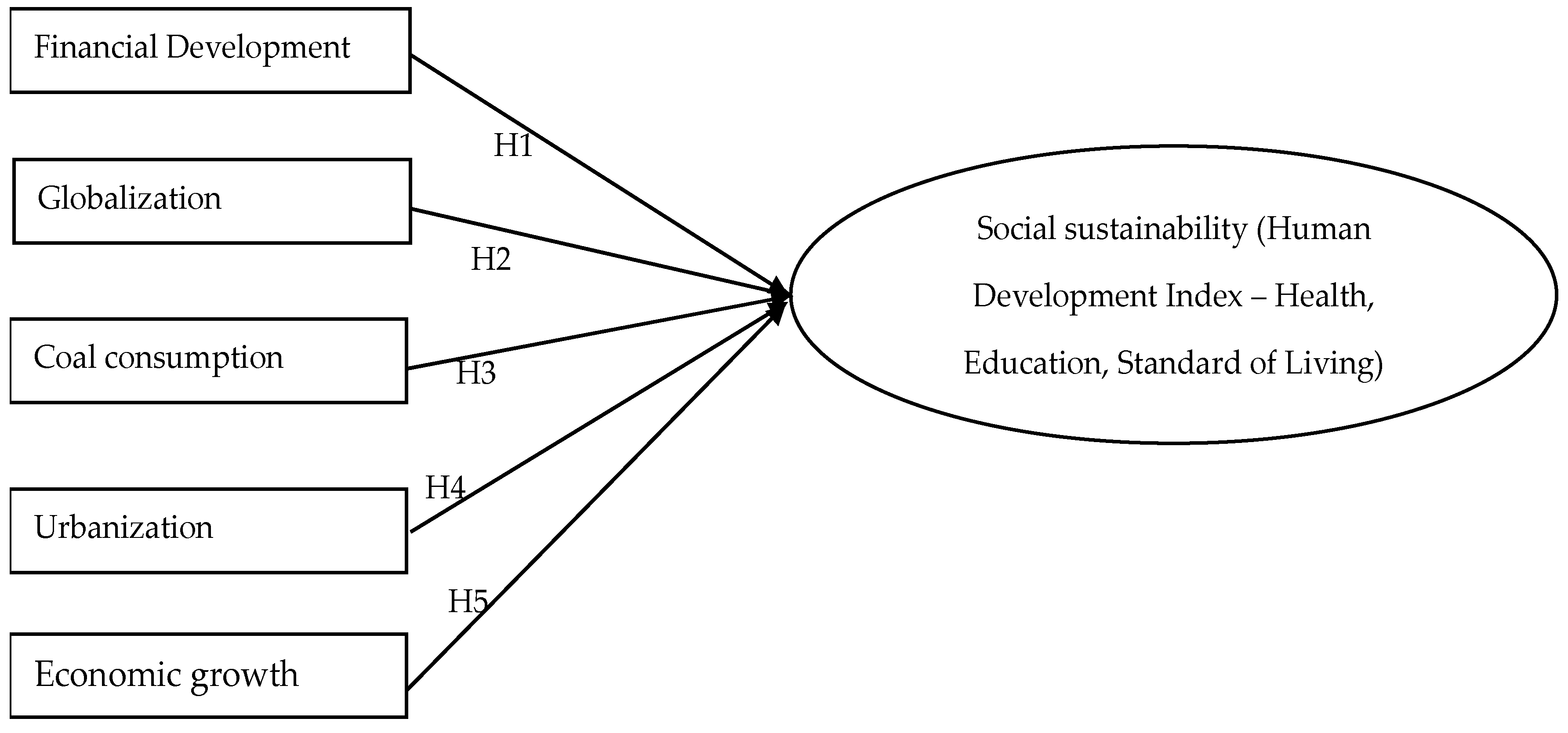
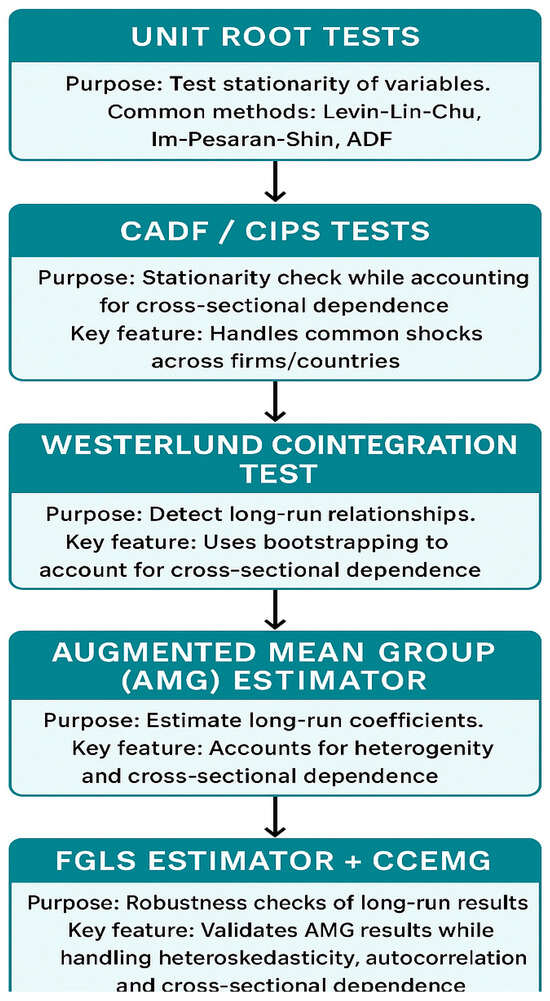
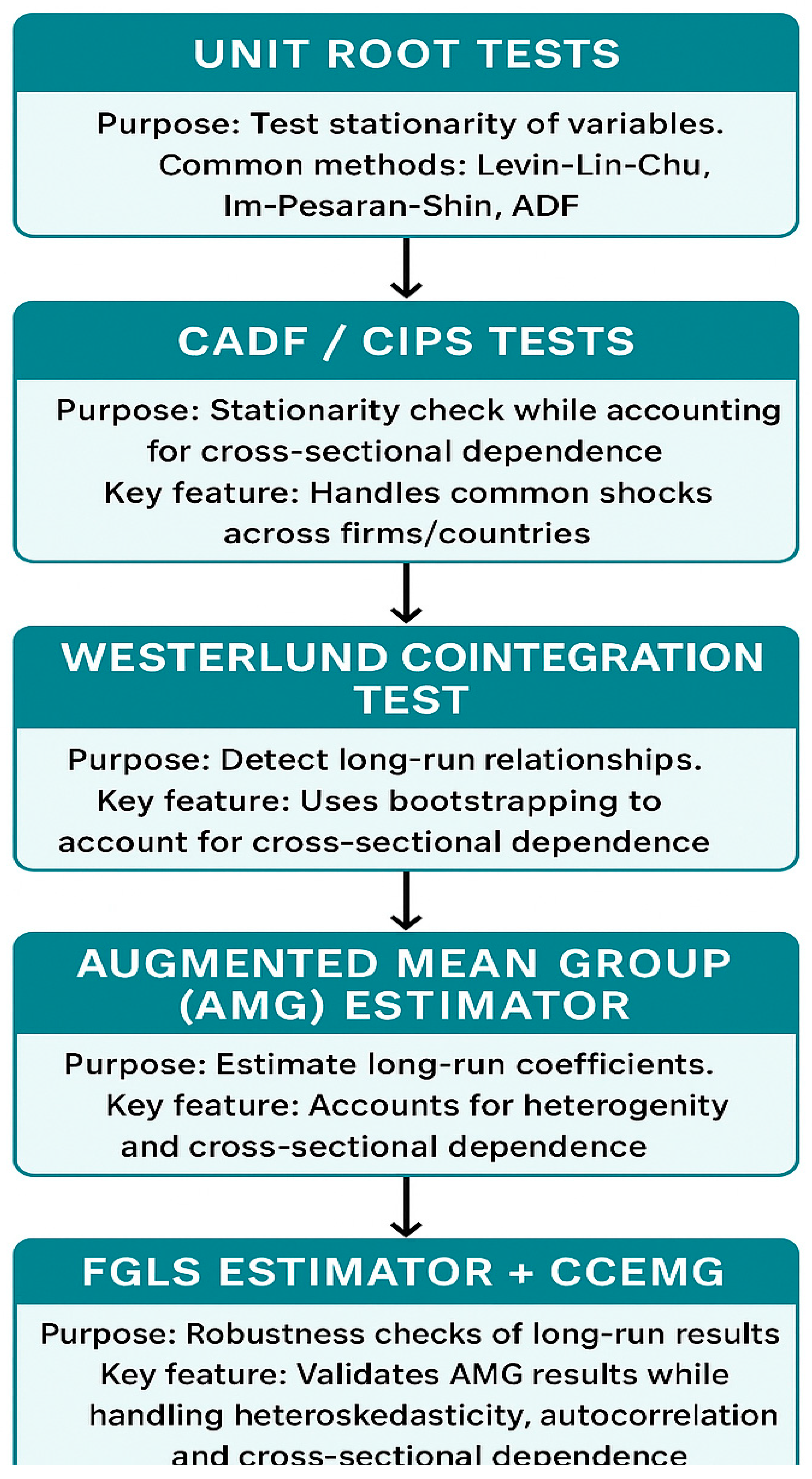

Disclaimer/Publisher’s Note: The statements, opinions and data contained in all publications are solely those of the individual author(s) and contributor(s) and not of MDPI and/or the editor(s). MDPI and/or the editor(s) disclaim responsibility for any injury to people or property resulting from any ideas, methods, instructions or products referred to in the content. |
© 2025 by the authors. Licensee MDPI, Basel, Switzerland. This article is an open access article distributed under the terms and conditions of the Creative Commons Attribution (CC BY) license (https://creativecommons.org/licenses/by/4.0/).