Modulation of Drug Release in Anticancer Therapy: Recent Advances, Challenges, and Emerging Drug Delivery Platforms



Abstract
1. Introduction
2. Polymeric Solid Dispersions
2.1. Amorphous Solid Dispersions
2.2. Ternary Solid Dispersions
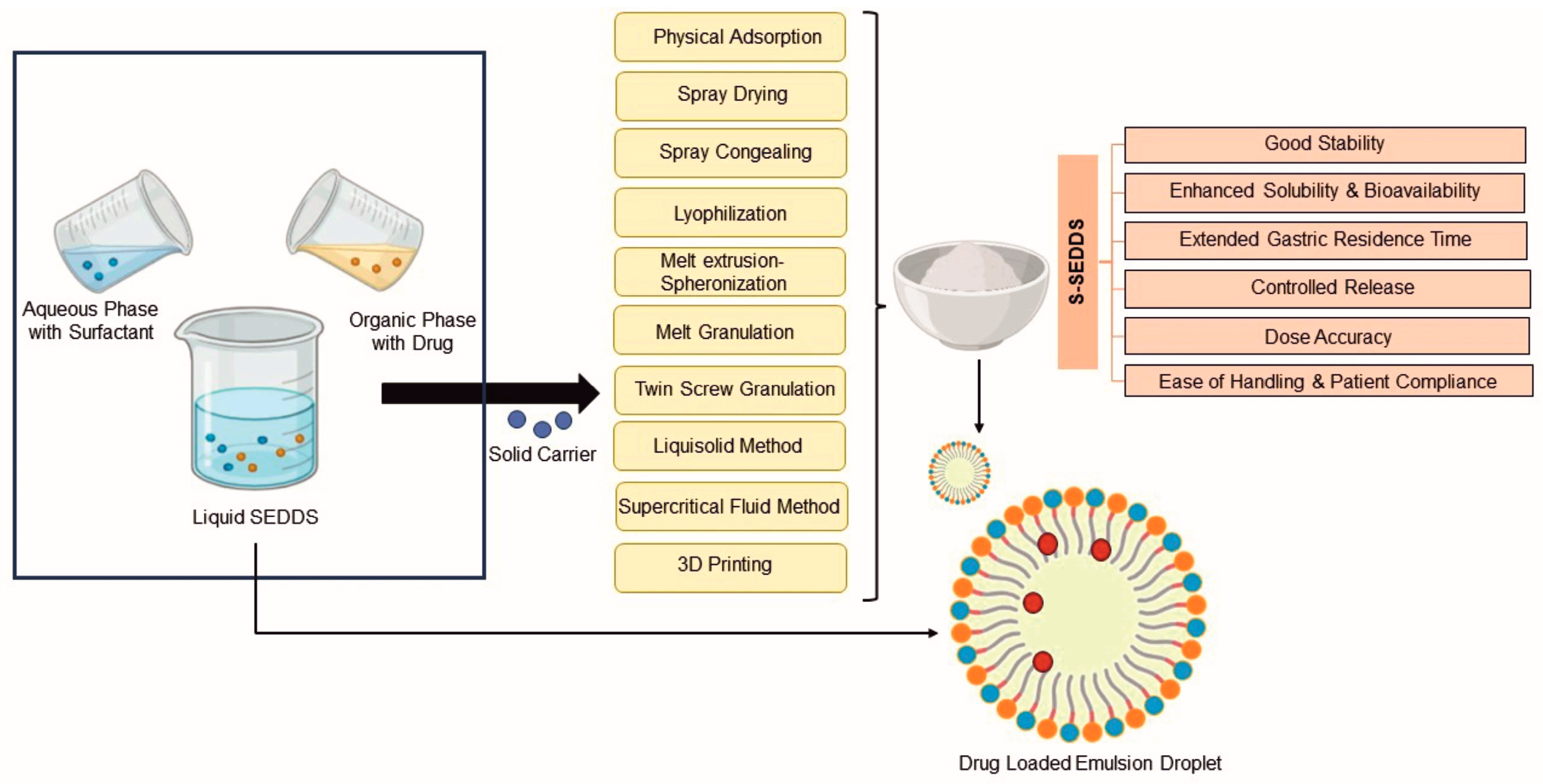
2.3. Solid Self-Emulsifying Drug Delivery Systems
3. Cyclodextrin-Based Inclusion Complexes
3.1. Natural Cyclodextrin-Based Inclusion Complexes
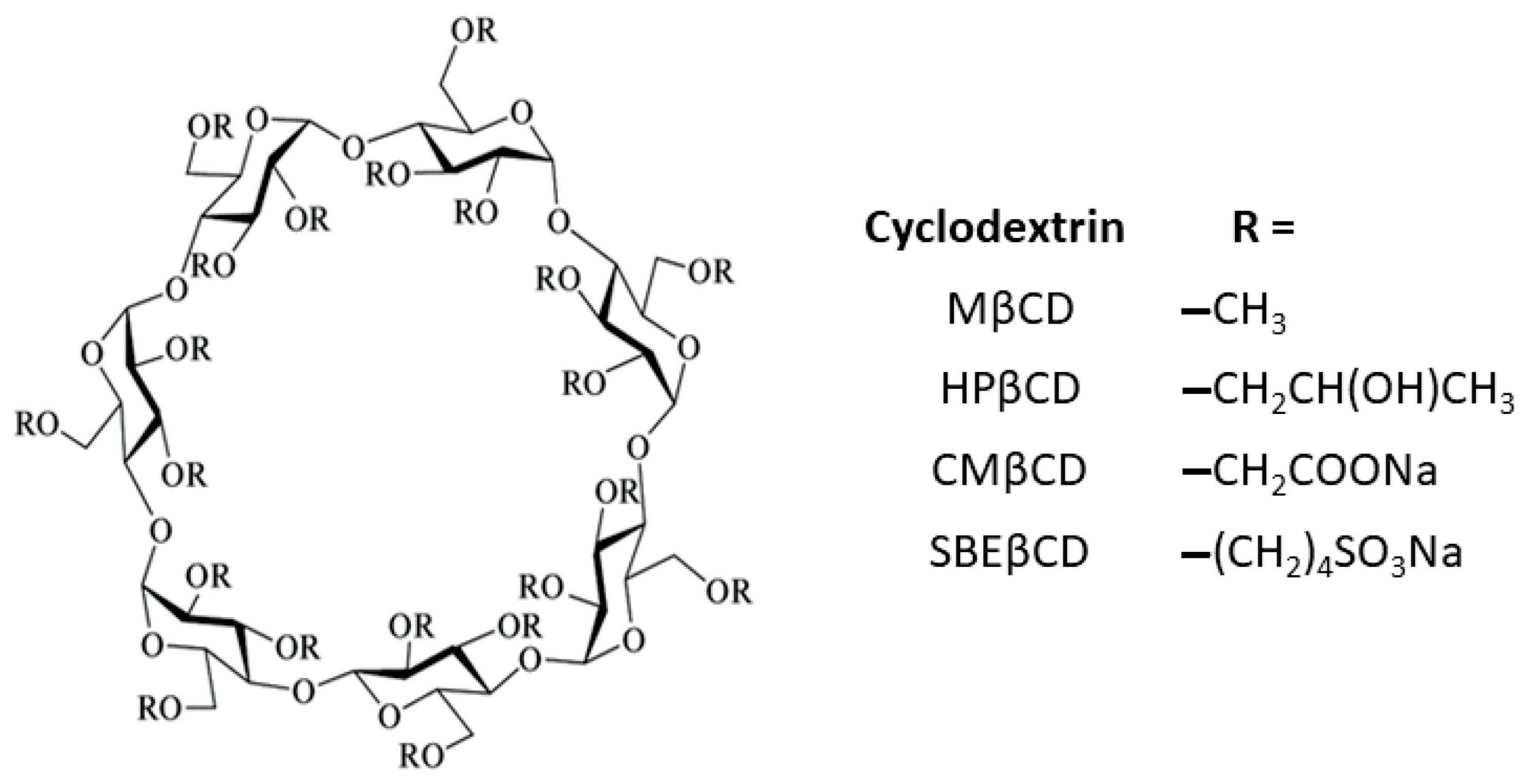
3.2. Cyclodextrin Derivative-Based Inclusion Complexes
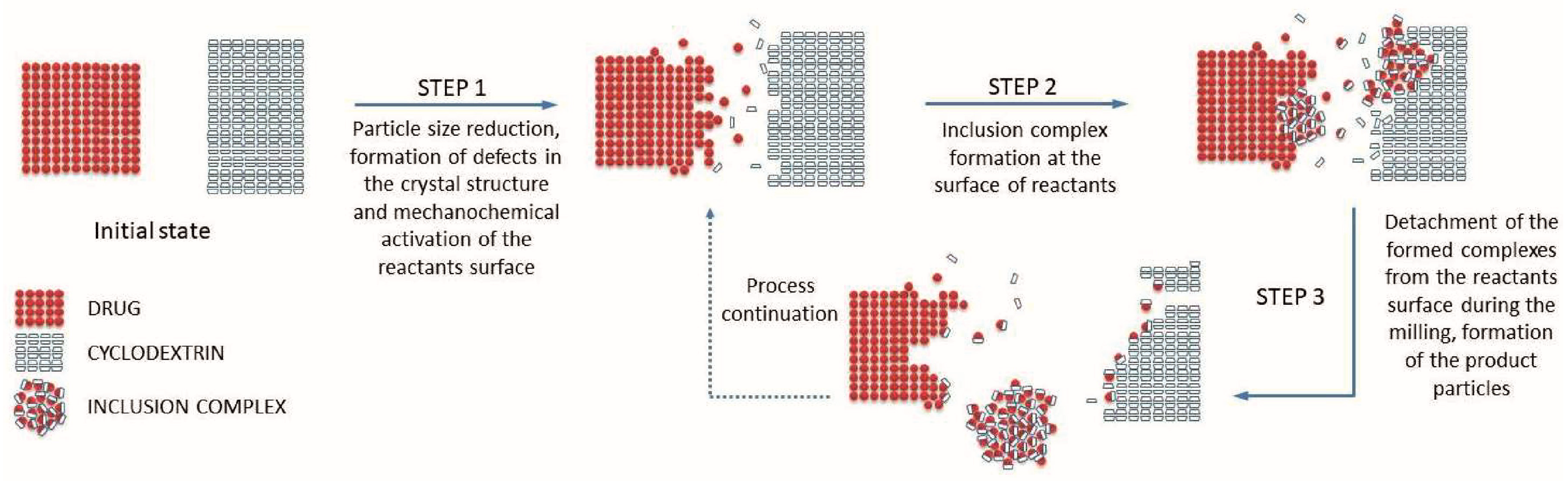
3.3. Mechanism of Inclusion Complex Formation
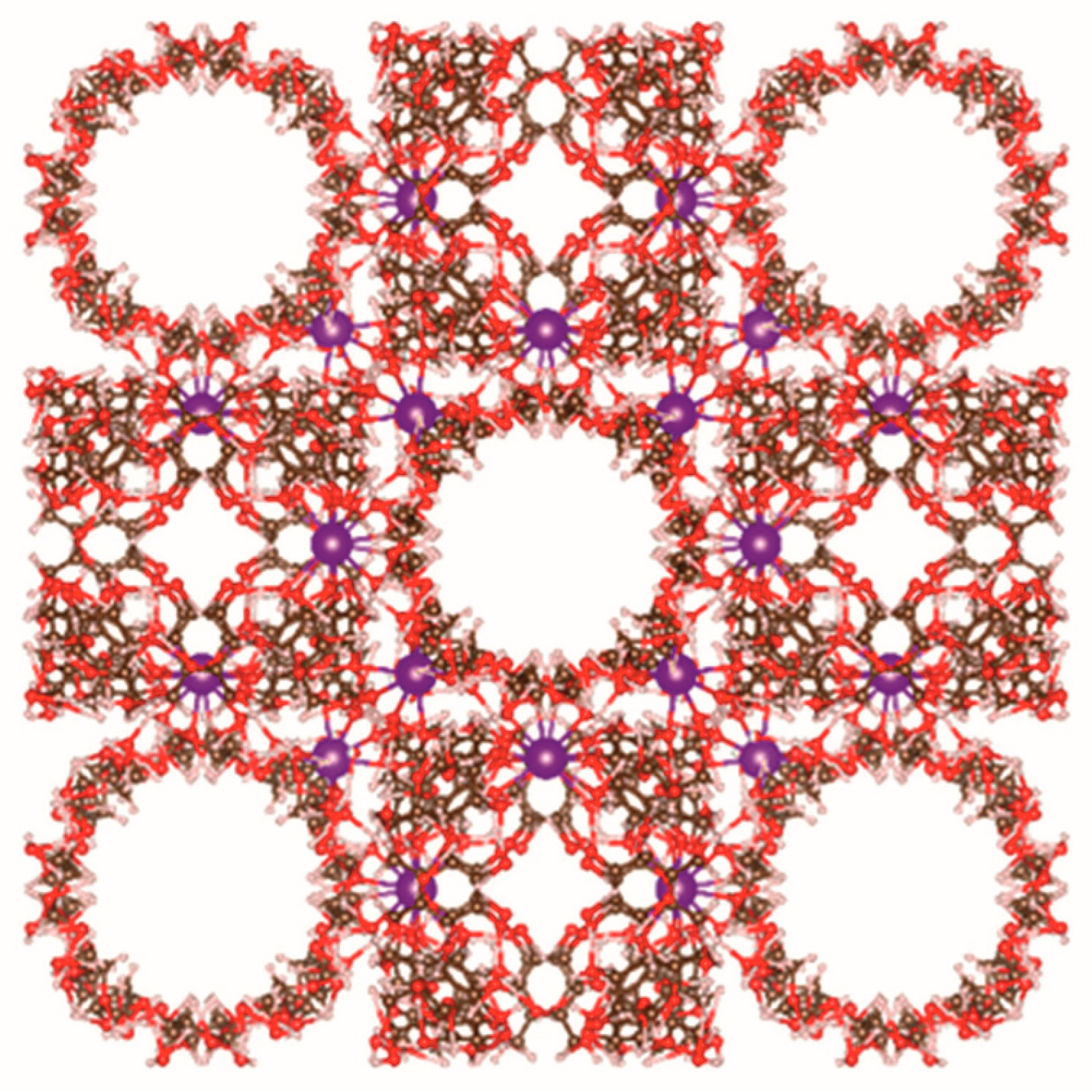
4. Metal–Organic Frameworks
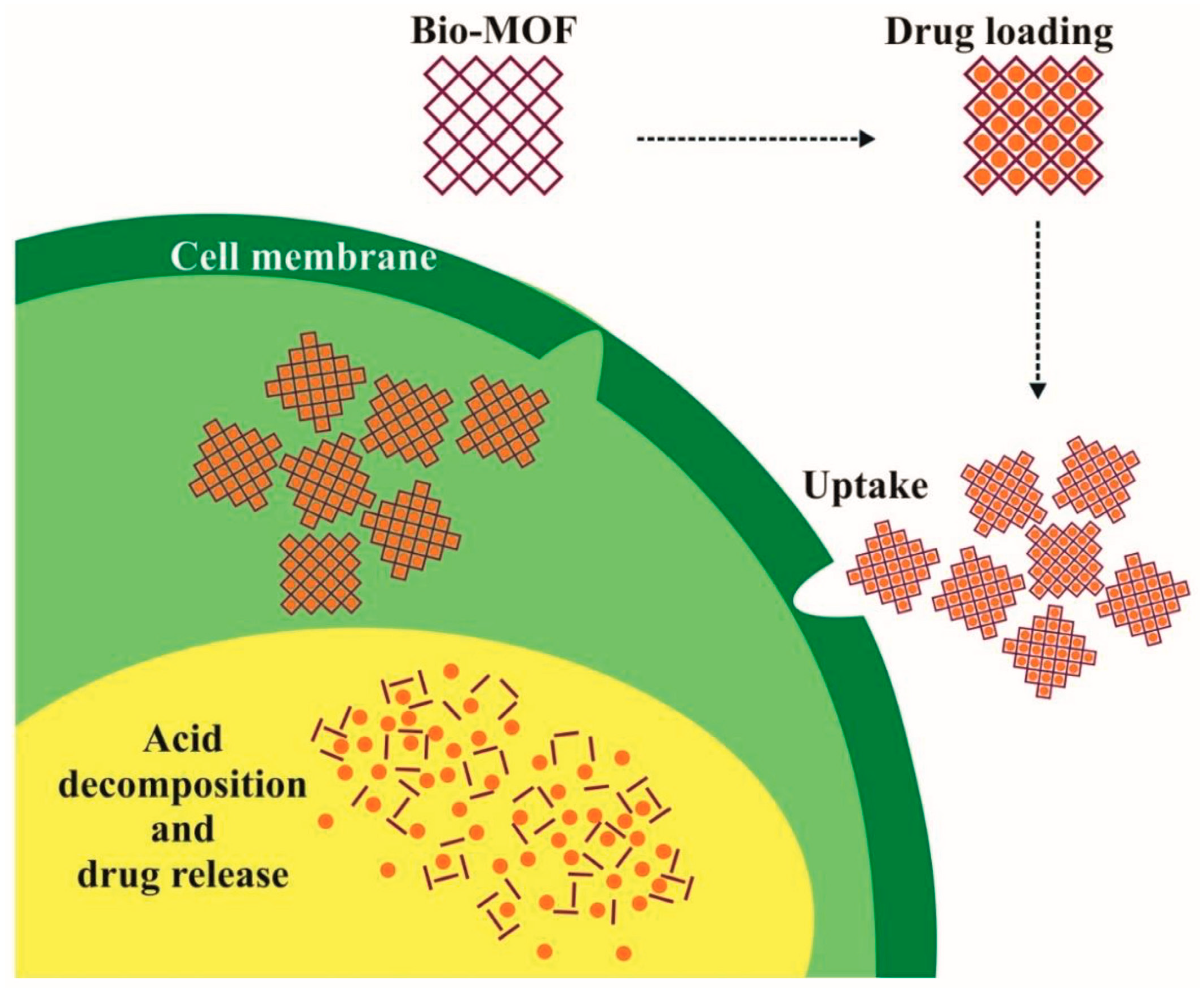
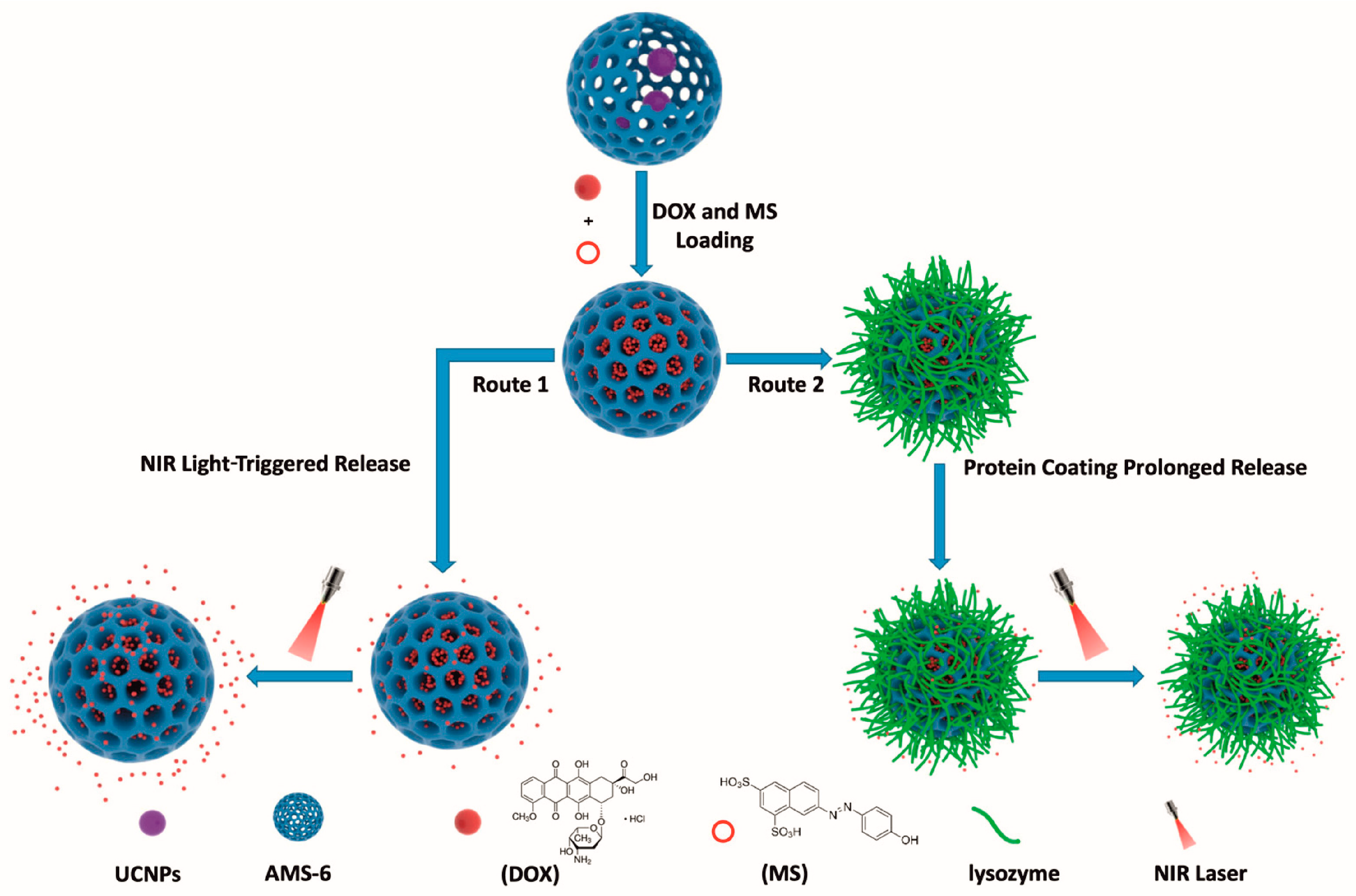
4.1. Stimuli-Responsive MOF Carriers for Controlled Anticancer Drug Release
4.2. Multifunctional and Theranostic MOF Hybrid Systems
4.3. Cyclodextrin-Based MOFs for Anticancer Drug Delivery
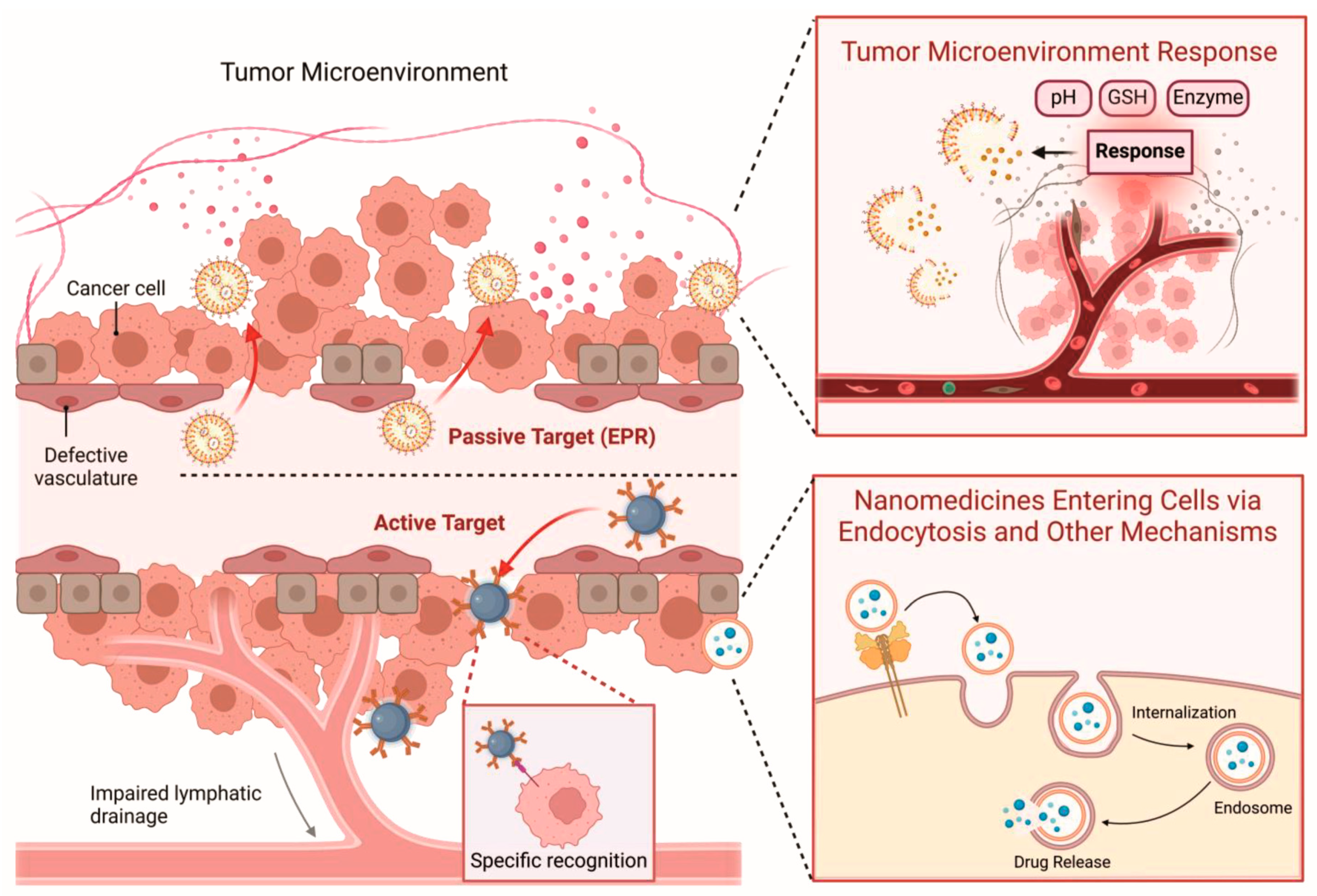
5. Challenges and Future Perspectives in Anticancer Drug Delivery
6. Conclusions
Author Contributions
Funding
Institutional Review Board Statement
Informed Consent Statement
Data Availability Statement
Conflicts of Interest
Abbreviations
| 5-FU | 5-fluorouracil |
| α-CD | α-cyclodextrin |
| β-CD | β-cyclodextrin |
| γ-CD | γ-cyclodextrin |
| BCS | Biopharmaceutical Classification System |
| DM-β-CD | Dimethyl-β-cyclodextrin |
| DOX | Doxorubicin |
| Epi-β-CD | Epichlorohydrin-crosslinked β-cyclodextrin |
| FDA | U.S. Food and Drug Administration |
| GRAS | Generally Recognized as Safe |
| GSH | Glutathione |
| HP-β-CD | Hydroxypropyl-β-cyclodextrin |
| HPMC | Hydroxypropyl methylcellulose |
| L-SEDDS | Liquid self-emulsifying drug delivery systems |
| M-β-CD | Methyl-β-cyclodextrin |
| MOF | Metal–organic framework |
| MPEG-PCL | Polyethylene glycol-poly(ε-caprolactone) micelles |
| MTX | Methotrexate |
| Na-CMC | Sodium carboxymethylcellulose |
| NIR | Near-infrared light |
| PEG | Polyethylene glycol |
| PVP | Polyvinylpyrrolidone |
| ROS | Reactive oxygen species |
| SBE-β-CD | Sulfobutylether-β-cyclodextrin |
| SDS | Sodium dodecyl sulfate |
| S-SEDDS | Solid self-emulsifying drug delivery systems |
| TEM | Transmission electron microscopy |
| TPGS | D-α-tocopheryl polyethylene glycol succinate |
| UCNP | Upconversion nanoparticle |
References
- Bray, F.; Laversanne, M.; Sung, H.; Ferlay, J.; Siegel, R.L.; Soerjomataram, I.; Jemal, A. Global Cancer Statistics 2022: GLOBOCAN Estimates of Incidence and Mortality Worldwide for 36 Cancers in 185 Countries. CA Cancer J. Clin. 2024, 74, 229–263. [Google Scholar] [CrossRef] [PubMed]
- Zhao, J.; Xu, L.; Sun, J.; Song, M.; Wang, L.; Yuan, S.; Zhu, Y.; Wan, Z.; Larsson, S.; Tsilidis, K.; et al. Global Trends in Incidence, Death, Burden and Risk Factors of Early-Onset Cancer from 1990 to 2019. BMJ Oncol. 2023, 2, e000049. [Google Scholar] [CrossRef]
- Cooper, G.M. The Cell: A Molecular Approach, 2nd ed.; ASM Press: Washington, DC, USA; Sunderland, MA, USA, 2000; ISBN 978-0-87893-106-4. [Google Scholar]
- Veselov, V.V.; Nosyrev, A.E.; Jicsinszky, L.; Alyautdin, R.N.; Cravotto, G. Targeted Delivery Methods for Anticancer Drugs. Cancers 2022, 14, 622. [Google Scholar] [CrossRef] [PubMed]
- Adepu, S.; Ramakrishna, S. Controlled Drug Delivery Systems: Current Status and Future Directions. Molecules 2021, 26, 5905. [Google Scholar] [CrossRef]
- Sun, D.; Gao, W.; Hu, H.; Zhou, S. Why 90% of Clinical Drug Development Fails and How to Improve It? Acta Pharm. Sin. B 2022, 12, 3049–3062. [Google Scholar] [CrossRef]
- Stielow, M.; Witczyńska, A.; Kubryń, N.; Fijałkowski, Ł.; Nowaczyk, J.; Nowaczyk, A. The Bioavailability of Drugs—The Current State of Knowledge. Molecules 2023, 28, 8038. [Google Scholar] [CrossRef]
- Wu, K.; Kwon, S.H.; Zhou, X.; Fuller, C.; Wang, X.; Vadgama, J.; Wu, Y. Overcoming Challenges in Small-Molecule Drug Bioavailability: A Review of Key Factors and Approaches. Int. J. Mol. Sci. 2024, 25, 13121. [Google Scholar] [CrossRef]
- Nyamba, I.; Sombié, C.B.; Yabré, M.; Zimé-Diawara, H.; Yaméogo, J.; Ouédraogo, S.; Lechanteur, A.; Semdé, R.; Evrard, B. Pharmaceutical Approaches for Enhancing Solubility and Oral Bioavailability of Poorly Soluble Drugs. Eur. J. Pharm. Biopharm. 2024, 204, 114513. [Google Scholar] [CrossRef]
- Naing, M.D.; Tsume, Y. Dissolution Profiles of BCS Class II Drugs Generated by the Gastrointestinal Simulator Alpha Has an Edge over the Compendial USP II Method. Eur. J. Pharm. Biopharm. 2024, 203, 114436. [Google Scholar] [CrossRef]
- Zhuo, Y.; Zhao, Y.-G.; Zhang, Y. Enhancing Drug Solubility, Bioavailability, and Targeted Therapeutic Applications through Magnetic Nanoparticles. Molecules 2024, 29, 4854. [Google Scholar] [CrossRef] [PubMed]
- Sharma, P.; Jain, V.; Tailang, M. Selection and Role of Polymers for Designing of a Drug Carrier. In Drug Carriers; Jesús Villarreal-Gómez, L., Ed.; IntechOpen: London, UK, 2022; ISBN 978-1-80355-831-8. [Google Scholar]
- Satchanska, G.; Davidova, S.; Petrov, P.D. Natural and Synthetic Polymers for Biomedical and Environmental Applications. Polymers 2024, 16, 1159. [Google Scholar] [CrossRef] [PubMed]
- Yang, Y.; Li, P.; Feng, H.; Zeng, R.; Li, S.; Zhang, Q. Macrocycle-Based Supramolecular Drug Delivery Systems: A Concise Review. Molecules 2024, 29, 3828. [Google Scholar] [CrossRef]
- Khafaga, D.S.R.; El-Morsy, M.T.; Faried, H.; Diab, A.H.; Shehab, S.; Saleh, A.M.; Ali, G.A.M. Metal–Organic Frameworks in Drug Delivery: Engineering Versatile Platforms for Therapeutic Applications. RSC Adv. 2024, 14, 30201–30229. [Google Scholar] [CrossRef]
- Zheng, J.; Yang, Z.; Shi, J.; Zhang, X.; Zhang, F. Targeted Polymeric Drug Delivery Systems with Stimuli-Responsive Release Capabilities: Status and Future Perspectives. Nanomedicine 2025, 20, 2609–2612. [Google Scholar] [CrossRef]
- Kotta, S.; Aldawsari, H.M.; Badr-Eldin, S.M.; Nair, A.B.; Yt, K. Progress in Polymeric Micelles for Drug Delivery Applications. Pharmaceutics 2022, 14, 1636. [Google Scholar] [CrossRef]
- Beach, M.A.; Nayanathara, U.; Gao, Y.; Zhang, C.; Xiong, Y.; Wang, Y.; Such, G.K. Polymeric Nanoparticles for Drug Delivery. Chem. Rev. 2024, 124, 5505–5616. [Google Scholar] [CrossRef] [PubMed]
- Al-Obaidi, H. Solid Dispersions for Drug Delivery: Applications and Preparation Methods; MDPI: Basel, Switzerland, 2022; ISBN 978-3-0365-2638-6. [Google Scholar]
- Thang, N.H.; Chien, T.B.; Cuong, D.X. Polymer-Based Hydrogels Applied in Drug Delivery: An Overview. Gels 2023, 9, 523. [Google Scholar] [CrossRef]
- Jose, M.S.; Sumathi, S. A Review of Electrospun Polymeric Fibers as Potential Drug Delivery Systems for Tunable Release Kinetics. J. Sci. Adv. Mater. Devices 2025, 10, 100933. [Google Scholar] [CrossRef]
- Ullah, F.; Khan, T.A.; Iltaf, J.; Anwar, S.; Khan, M.F.A.; Khan, M.R.; Ullah, S.; Fayyaz Ur Rehman, M.; Mustaqeem, M.; Kotwica-Mojzych, K.; et al. Heterocyclic Crown Ethers with Potential Biological and Pharmacological Properties: From Synthesis to Applications. Appl. Sci. 2022, 12, 1102. [Google Scholar] [CrossRef]
- Kali, G.; Haddadzadegan, S.; Bernkop-Schnürch, A. Cyclodextrins and Derivatives in Drug Delivery: New Developments, Relevant Clinical Trials, and Advanced Products. Carbohydr. Polym. 2024, 324, 121500. [Google Scholar] [CrossRef] [PubMed]
- Colaco, V.; Jadhav, S.R.; Bandi, S.P.; Datta, D.; Dhas, N.; Thakur, G.; Ramesh, B.V.; Alizadeh, B. Multifunctional Application of Supramolecular Cucurbiturils as Encapsulating Hosts in Drug Delivery: A Review. Int. J. Pharm. 2025, 681, 125801. [Google Scholar] [CrossRef]
- Muley, S.; Dhila, H.; Gote, M. Calixarene-Guest Complexes: The Next Innovation in Delivery of Drugs and Biologics. Adv. Ther. 2024, 7, 2400207. [Google Scholar] [CrossRef]
- Zyryanov, G.V.; Kopchuk, D.S.; Kovalev, I.S.; Santra, S.; Majee, A.; Ranu, B.C. Pillararenes as Promising Carriers for Drug Delivery. Int. J. Mol. Sci. 2023, 24, 5167. [Google Scholar] [CrossRef]
- Kundu, S.; Swaroop, A.K.; Selvaraj, J. Metal-Organic Framework in Pharmaceutical Drug Delivery. Curr. Top. Med. Chem. 2023, 23, 1155–1170. [Google Scholar] [CrossRef]
- Lawson, H.D.; Walton, S.P.; Chan, C. Metal–Organic Frameworks for Drug Delivery: A Design Perspective. ACS Appl. Mater. Interfaces 2021, 13, 7004–7020. [Google Scholar] [CrossRef]
- Trucillo, P. Drug Carriers: A Review on the Most Used Mathematical Models for Drug Release. Processes 2022, 10, 1094. [Google Scholar] [CrossRef]
- Desai, S.K.; Mondal, D.; Bera, S. Polyurethane-Functionalized Starch Nanocrystals as Anti-Tuberculosis Drug Carrier. Sci. Rep. 2021, 11, 8331. [Google Scholar] [CrossRef] [PubMed]
- Du, J.; Vasavada, R.C. Solubility and Dissolution of Etoposide from Solid Dispersions of PEG 8000. Drug Dev. Ind. Pharm. 1993, 19, 903–914. [Google Scholar] [CrossRef]
- Jang, J.Y.; Kim, D.; Im, E.; Kim, N.D. Etoposide as a Key Therapeutic Agent in Lung Cancer: Mechanisms, Efficacy, and Emerging Strategies. Int. J. Mol. Sci. 2025, 26, 796. [Google Scholar] [CrossRef]
- Devangan, P.; Sharma, A.; Wadate, N.; Mourya, A.; Madan, J. Eudragit S 100 Assisted Molecular Solid Dispersion of Andrographolide Tendered Augmented Drug Delivery and Apoptosis in Human Colon Cancer, HT-29 Cells. AAPS PharmSciTech 2025, 26, 82. [Google Scholar] [CrossRef]
- Sapkal, R.; Devangan, P.; Madan, J.; Dikundwar, A.G. Neat Amorphous Form and Amorphous Solid Dispersions of Apalutamide: A Comparative Study. J. Drug Deliv. Sci. Technol. 2025, 106, 106678. [Google Scholar] [CrossRef]
- Alali, A.S.; Muqtader Ahmed, M.; Fatima, F.; Anwer, M.K.; Ibnauf, M.; Aboudzadeh, M.A. Chitosan-based Spray-dried Solid Dispersions of Apigenin in a 3D Printable Drug Delivery System. J. Appl. Polym. Sci. 2025, 142, e56310. [Google Scholar] [CrossRef]
- Szafraniec, J.; Antosik, A.; Knapik-Kowalczuk, J.; Chmiel, K.; Kurek, M.; Gawlak, K.; Paluch, M.; Jachowicz, R. Enhanced Dissolution of Solid Dispersions Containing Bicalutamide Subjected to Mechanical Stress. Int. J. Pharm. 2018, 542, 18–26. [Google Scholar] [CrossRef]
- Siripruekpong, W.; Issarachot, O.; Kaewkroek, K.; Wiwattanapatapee, R. Development of Gastroretentive Carriers for Curcumin-Loaded Solid Dispersion Based on Expandable Starch/Chitosan Films. Molecules 2023, 28, 361. [Google Scholar] [CrossRef]
- Huynh, D.T.M.; Tran, V.-H.; Le, M.-N.T.; Huynh, V.-H.; Pham, D.T. Floating Tablets Incorporating Curcumin Solid Dispersion as a Potential Pharmaceutical Dosage Form for Stomach Cancer Treatment. J. Appl. Pharm. Sci. 2023, 13, 240–250. [Google Scholar] [CrossRef]
- Shin, M.-S.; Yu, J.S.; Lee, J.; Ji, Y.S.; Joung, H.J.; Han, Y.-M.; Yoo, H.H.; Kang, K.S. A Hydroxypropyl Methylcellulose-Based Solid Dispersion of Curcumin with Enhanced Bioavailability and Its Hepatoprotective Activity. Biomolecules 2019, 9, 281. [Google Scholar] [CrossRef]
- Sokač, K.; Miloloža, M.; Kučić Grgić, D.; Žižek, K. Polymeric Amorphous Solid Dispersions of Dasatinib: Formulation and Ecotoxicological Assessment. Pharmaceutics 2024, 16, 551. [Google Scholar] [CrossRef] [PubMed]
- Sokač, K.; Priselec, P.; Barač, J.; Bafti, A.; Taradi, F.; Žižek, K. Investigating the Effect of Polyvinylpyrrolidone Matrix on Surface Characteristics and Dissolution Rate of Anticancer Drug Dasatinib. J. Appl. Polym. Sci. 2024, 141, e55610. [Google Scholar] [CrossRef]
- Mane, P.T.; Wakure, B.S.; Wakte, P.S. Oral Bioavailability Enhancement of Docetaxel by Preparation of Freeze-Dried Ternary Solid Dispersion Using Hydrophilic Polymer and Surfactant. J. Pharm. Innov. 2023, 18, 1669–1684. [Google Scholar] [CrossRef]
- Sawicki, E.; Schellens, J.H.M.; Beijnen, J.H.; Nuijen, B. Pharmaceutical Development of an Amorphous Solid Dispersion Formulation of Elacridar Hydrochloride for Proof-of-Concept Clinical Studies. Drug Dev. Ind. Pharm. 2017, 43, 584–594. [Google Scholar] [CrossRef]
- Hussan, K.P.S.; Govindaraj, G.; Correia, N.T.; Shinyashiki, N.; Thayyil, M.S.; Babu, T.D. Molecular Dynamics and Interactions in Amorphous Solid Dispersion of Erlotinib HCl for Improved Cancer Therapy. J. Mol. Struct. 2025, 1336, 142014. [Google Scholar] [CrossRef]
- Trivino, A.; Gumireddy, A.; Meng, F.; Prasad, D.; Chauhan, H. Drug–Polymer Miscibility, Interactions, and Precipitation Inhibition Studies for the Development of Amorphous Solid Dispersions for the Poorly Soluble Anticancer Drug Flutamide. Drug Dev. Ind. Pharm. 2019, 45, 1277–1291. [Google Scholar] [CrossRef]
- Dain, I.A.; Zolotov, S.A.; Demina, N.B.; Zolotova, A.S.; Buzanov, G.A.; Retivov, V.M.; Ponomaryov, Y.S. Complex Dispersions of Poloxamers and Mesoporous Carriers with Ibrutinib. OpenNano 2022, 8, 100073. [Google Scholar] [CrossRef]
- Patel, H.; Palekar, S.; Patel, A.; Patel, K. Ibrutinib Amorphous Solid Dispersions with Enhanced Dissolution at Colonic pH for the Localized Treatment of Colorectal Cancer. Int. J. Pharm. 2023, 641, 123056. [Google Scholar] [CrossRef]
- Colombo, M.; De Lima Melchiades, G.; Michels, L.R.; Figueiró, F.; Bassani, V.L.; Teixeira, H.F.; Koester, L.S. Solid Dispersion of Kaempferol: Formulation Development, Characterization, and Oral Bioavailability Assessment. AAPS PharmSciTech 2019, 20, 106. [Google Scholar] [CrossRef]
- Mane, P.; Wakure, B.; Wakte, P. Nanocrystalline Solid Dispersions: An Emerging Approach for Oral Bioavailability Enhancement of Anticancer Drugs Using Lapatinib Ditosylate as the Case Drug. J. Dispers. Sci. Technol. 2025, 46, 199–213. [Google Scholar] [CrossRef]
- Bitay, E.; Gergely, A.L.; Balint, I.; Molnar, K.; Fulop, I.; Fogarasi, E.; Szabo, Z.I. Preparation and Characterization of Lapatinib-Loaded PVP Nanofiber Amorphous Solid Dispersion by Electrospinning. Express Polym. Lett. 2021, 15, 1041–1050. [Google Scholar] [CrossRef]
- Rajalingam, K.; Krishnaswami, V.; Alagarsamy, S.; Kandasamy, R. Solubility Enhancement of Methotrexate by Solid Nanodispersion Approach for the Improved Treatment of Small Cell Lung Carcinoma. Curr. Top. Med. Chem. 2021, 21, 140–150. [Google Scholar] [CrossRef]
- Alanazi, S.A.; Imam, S.S.; Alshehri, S.; Alanazi, M.M.; Yassin, A.E.B.; Mahdi, W.A.; Alzhrani, R.F.; Al-Agamy, M.H.; Ghoneim, M.M. Optimized Freeze-Dried Solid-Dispersions Boost Naringin Solubility, Antibacterial and in-Vitro Anticancer Activity. J. Drug Deliv. Sci. Technol. 2024, 102, 106335. [Google Scholar] [CrossRef]
- Wang, N.; He, T.; Shen, Y.; Song, L.; Li, L.; Yang, X.; Li, X.; Pang, M.; Su, W.; Liu, X.; et al. Paclitaxel and Tacrolimus Coencapsulated Polymeric Micelles That Enhance the Therapeutic Effect of Drug-Resistant Ovarian Cancer. ACS Appl. Mater. Interfaces 2016, 8, 4368–4377. [Google Scholar] [CrossRef] [PubMed]
- Xiong, X.; Zhang, M.; Hou, Q.; Tang, P.; Suo, Z.; Zhu, Y.; Li, H. Solid Dispersions of Telaprevir with Improved Solubility Prepared by Co-Milling: Formulation, Physicochemical Characterization, and Cytotoxicity Evaluation. Mater. Sci. Eng. C 2019, 105, 110012. [Google Scholar] [CrossRef] [PubMed]
- Budiman, A.; Handini, A.L.; Muslimah, M.N.; Nurani, N.V.; Laelasari, E.; Kurniawansyah, I.S.; Aulifa, D.L. Amorphous Solid Dispersion as Drug Delivery Vehicles in Cancer. Polymers 2023, 15, 3380. [Google Scholar] [CrossRef] [PubMed]
- Faiz Afzal, M.A.; Lehmkemper, K.; Sobich, E.; Hughes, T.F.; Giesen, D.J.; Zhang, T.; Krauter, C.M.; Winget, P.; Degenhardt, M.; Kyeremateng, S.O.; et al. Molecular-Level Examination of Amorphous Solid Dispersion Dissolution. Mol. Pharm. 2021, 18, 3999–4014. [Google Scholar] [CrossRef] [PubMed]
- Shi, Q.; Chen, H.; Wang, Y.; Wang, R.; Xu, J.; Zhang, C. Amorphous Solid Dispersions: Role of the Polymer and Its Importance in Physical Stability and In Vitro Performance. Pharmaceutics 2022, 14, 1747. [Google Scholar] [CrossRef]
- Yu, H.; Ma, Y.; Zhang, Y.; Zhang, H.; Zuo, L.; Hao, C.; Yu, W.; Lin, X.; Zhang, Y.; Qi, X.; et al. Tailored Supersaturable Immediate Release Behaviors of Hypotensive Supersaturating Drug-Delivery Systems Combined with Hot-Melt Extrusion Technique and Self-Micellizing Polymer. Polymers 2022, 14, 4800. [Google Scholar] [CrossRef]
- Gvozdeva, Y.; Staynova, R. pH-Dependent Drug Delivery Systems for Ulcerative Colitis Treatment. Pharmaceutics 2025, 17, 226. [Google Scholar] [CrossRef]
- Korelc, K.; Tzanova, M.M.; Larsson, A.; Grassi, M.; Di Cagno, M.P.; Tho, I. A Simplified Method to Interpret the Mechanism of Drug Release from Thin Polymeric Films by Drug Diffusivity Measurements. Int. J. Pharm. 2025, 675, 125491. [Google Scholar] [CrossRef]
- Cahyani, S.; Saifullah Sulaiman, T.N.; Laksitorini, M.D. Application of PVP VA 64 and Poloxamer 188/407 in Solid Dispersion Technology for Improving Solubility of Valsartan. Pharm. Sci. Res. 2024, 11, 98–108. [Google Scholar] [CrossRef]
- Kaur, M.; Rathee, A.; Krishna, V.; Nagpal, M. Soluplus Based Polymeric Micelles: A Promising Carrier System for Challenging Drugs. Int. J. Pharm. Sci. Rev. Res. 2024, 84, 83–93. [Google Scholar] [CrossRef]
- Tinjacá, D.A.; Martinez, F.; Peña, M.A.; Jouyban, A.; Acree, W.E. Revisiting the Total Hildebrand and Partial Hansen Solubility Parameters of Analgesic Drug Meloxicam. Liquids 2023, 3, 469–480. [Google Scholar] [CrossRef]
- Rusdin, A.; Mohd Gazzali, A.; Ain Thomas, N.; Megantara, S.; Aulifa, D.L.; Budiman, A.; Muchtaridi, M. Advancing Drug Delivery Paradigms: Polyvinyl Pyrolidone (PVP)-Based Amorphous Solid Dispersion for Enhanced Physicochemical Properties and Therapeutic Efficacy. Polymers 2024, 16, 286. [Google Scholar] [CrossRef] [PubMed]
- Mezzano, B.A.; Bueno, M.S.; Fuertes, V.C.; Longhi, M.R.; Garnero, C. Poloxamer-Based Biomaterial as a Pharmaceutical Strategy to Improve the Ivermectin Performance. Pharmaceutics 2025, 17, 1101. [Google Scholar] [CrossRef]
- Williams, G.R.; Majumder, M. New Stable High-Drug-Loading Amorphous Solid Dispersions from Electrospinning. Matter 2024, 7, 2665–2666. [Google Scholar] [CrossRef]
- Baghel, S.; Cathcart, H.; O’Reilly, N.J. Polymeric Amorphous Solid Dispersions: A Review of Amorphization, Crystallization, Stabilization, Solid-State Characterization, and Aqueous Solubilization of Biopharmaceutical Classification System Class II Drugs. J. Pharm. Sci. 2016, 105, 2527–2544. [Google Scholar] [CrossRef]
- Achenie, L.E.; Pavurala, N. Modelling of Drug Release from a Polymer Matrix System. Nov. Approaches Drug Des. Dev. 2017, 2, 54–63. [Google Scholar]
- Borde, S.; Paul, S.K.; Chauhan, H. Ternary Solid Dispersions: Classification and Formulation Considerations. Drug Dev. Ind. Pharm. 2021, 47, 1011–1028. [Google Scholar] [CrossRef]
- Saberi, A.; Kouhjani, M.; Yari, D.; Jahani, A.; Asare-Addo, K.; Kamali, H.; Nokhodchi, A. Development, Recent Advances, and Updates in Binary, Ternary Co-Amorphous Systems, and Ternary Solid Dispersions. J. Drug Deliv. Sci. Technol. 2023, 86, 104746. [Google Scholar] [CrossRef]
- Shen, J.; Hu, A.; Yang, Y.; Nie, T.; Huang, S.; Cheng, Z.; Liu, W. Ternary Solid Dispersions of Lacidipine: Enhancing Dissolution and Supersaturation Maintenance through Strategic Formulation Optimization. Int. J. Pharm. 2024, 654, 123989. [Google Scholar] [CrossRef]
- Correa-Soto, C.E.; Gao, Y.; Indulkar, A.S.; Zhang, G.G.Z.; Taylor, L.S. Role of Surfactants in Improving Release from Higher Drug Loading Amorphous Solid Dispersions. Int. J. Pharm. 2022, 625, 122120. [Google Scholar] [CrossRef] [PubMed]
- Budiman, A.; Lailasari, E.; Nurani, N.V.; Yunita, E.N.; Anastasya, G.; Aulia, R.N.; Lestari, I.N.; Subra, L.; Aulifa, D.L. Ternary Solid Dispersions: A Review of the Preparation, Characterization, Mechanism of Drug Release, and Physical Stability. Pharmaceutics 2023, 15, 2116. [Google Scholar] [CrossRef] [PubMed]
- Abou Assi, R.; Abdulbaqi, I.M.; Seok Ming, T.; Siok Yee, C.; Wahab, H.A.; Asif, S.M.; Darwis, Y. Liquid and Solid Self-Emulsifying Drug Delivery Systems (SEDDs) as Carriers for the Oral Delivery of Azithromycin: Optimization, In Vitro Characterization and Stability Assessment. Pharmaceutics 2020, 12, 1052. [Google Scholar] [CrossRef] [PubMed]
- Baek, K.; Jin, S.G. Solidification Materials and Technology for Solid Self-Emulsifying Drug Delivery Systems. Pharmaceuticals 2025, 18, 1550. [Google Scholar] [CrossRef]
- Govindan, I.; Rama, A.; Kailas, A.A.; Hebbar, S.; Naha, A. Transformative Solidification Techniques for Self-Emulsifying Drug Delivery and Its Foresight in Modern-Day Drug Delivery. J. Appl. Pharm. Sci. 2024, 14, 001–013. [Google Scholar] [CrossRef]
- Cho, H.-Y.; Kang, J.-H.; Ngo, L.; Tran, P.; Lee, Y.-B. Preparation and Evaluation of Solid-Self-Emulsifying Drug Delivery System Containing Paclitaxel for Lymphatic Delivery. J. Nanomater. 2016, 2016, 3642418. [Google Scholar] [CrossRef]
- Ghezzi, M.; Pescina, S.; Padula, C.; Santi, P.; Del Favero, E.; Cantù, L.; Nicoli, S. Polymeric Micelles in Drug Delivery: An Insight of the Techniques for Their Characterization and Assessment in Biorelevant Conditions. J. Control. Release 2021, 332, 312–336. [Google Scholar] [CrossRef]
- Maji, I.; Mahajan, S.; Sriram, A.; Medtiya, P.; Vasave, R.; Khatri, D.K.; Kumar, R.; Singh, S.B.; Madan, J.; Singh, P.K. Solid Self Emulsifying Drug Delivery System: Superior Mode for Oral Delivery of Hydrophobic Cargos. J. Control. Release 2021, 337, 646–660. [Google Scholar] [CrossRef]
- Umadevi, S.; Senthil Boopathi, R.; Ezhilarasan. A Paradigm Shift in Bioavailability Enhancement Using Solid Self Emulisifying Drug Delivery System. J. Appl. Pharm. Res. 2025, 13, 14–24. [Google Scholar] [CrossRef]
- Aloisio, C.; Bueno, M.S.; Ponte, M.P.; Paredes, A.; Palma, S.D.; Longhi, M. Development of Solid Self-Emulsifying Drug Delivery Systems (SEDDS) to Improve the Solubility of Resveratrol. Ther. Deliv. 2019, 10, 626–641. [Google Scholar] [CrossRef]
- Bekers, O.; Beijnen, J.H.; Otagiri, M.; Bult, A.; Underberg, W.J.M. Inclusion Complexation of Doxorubicin and Daunorubicin with Cyclodextrins. J. Pharm. Biomed. Anal. 1990, 8, 671–674. [Google Scholar] [CrossRef] [PubMed]
- Torres-Labandeira, J.J.; Davignon, P.; Pitha, J. Oversaturated Solutions of Drug in Hydroxypropylcyclodextrins: Parenteral Preparation of Pancratistatin. J. Pharm. Sci. 1991, 80, 384–386. [Google Scholar] [CrossRef]
- Zheng, D.; Xia, L.; Ji, H.; Jin, Z.; Bai, Y. A Cyclodextrin-Based Controlled Release System in the Simulation of In Vitro Small Intestine. Molecules 2020, 25, 1212. [Google Scholar] [CrossRef]
- Salazar Sandoval, S.; Díaz-Saldívar, P.; Araya, I.; Celis, F.; Cortés-Arriagada, D.; Riveros, A.; Rojas-Romo, C.; Jullian, C.; Silva, N.; Yutronic, N.; et al. Controlled Release of the Anticancer Drug Cyclophosphamide from a Superparamagnetic β-Cyclodextrin Nanosponge by Local Hyperthermia Generated by an Alternating Magnetic Field. ACS Appl. Mater. Interfaces 2024, 17, 13001–13017. [Google Scholar] [CrossRef] [PubMed]
- Ghitman, J.; Voicu, S.I. Controlled Drug Delivery Mediated by Cyclodextrin-Based Supramolecular Self-Assembled Carriers: From Design to Clinical Performances. Carbohydr. Polym. Technol. Appl. 2023, 5, 100266. [Google Scholar] [CrossRef]
- Das, S.; Subuddhi, U. Guar Gum–Poly(N-Isopropylacrylamide) Smart Hydrogels for Sustained Delivery of 5-Fluorouracil. Polym. Bull. 2019, 76, 2945–2963. [Google Scholar] [CrossRef]
- Buczek, A.; Kupka, T.; Broda, M.A.; Maślanka, S.; Pentak, D. Liposomes as Nonspecific Nanocarriers for 5-Fluorouracil in the Presence of Cyclodextrins. J. Mol. Liq. 2021, 343, 117623. [Google Scholar] [CrossRef]
- Gidwani, B.; Vyas, A. Designing and Evaluation of Extended Release Matrix Tablet Containing Altretamine–HP-β-CD Inclusion Complex. J. Incl. Phenom. Macrocycl. Chem. 2015, 83, 401–409. [Google Scholar] [CrossRef]
- Mohandoss, S.; Velu, K.S.; Ahmad, N.; Srinivasan, R.; Roy, P.; Somu, P.; Haldar, D. Comparative Study of β-Cyclodextrin Derivatives with Amlodipine Inclusion Complexes for Enhanced Solubility, Drug Release, and Anticancer Activity. Int. J. Pharm. X 2025, 10, 100368. [Google Scholar] [CrossRef]
- Meenatchi, V.; Narayanan, K.B.; Sood, A.; Han, S.S. Formation of Amygdalin/β-Cyclodextrin Derivatives Inclusion Complexes for Anticancer Activity Assessment in Human Cervical Carcinoma HeLa Cell Line. Int. J. Pharm. 2024, 662, 124293. [Google Scholar] [CrossRef] [PubMed]
- De Gaetano, F.; Cristiano, M.C.; Paolino, D.; Celesti, C.; Iannazzo, D.; Pistarà, V.; Iraci, N.; Ventura, C.A. Bicalutamide Anticancer Activity Enhancement by Formulation of Soluble Inclusion Complexes with Cyclodextrins. Biomolecules 2022, 12, 1716. [Google Scholar] [CrossRef] [PubMed]
- Zhan, H.; Zhao, H.; Muhammad, N.; Li, T.; Liu, Y.; Wang, J. Lytic Peptide-Grafted Beta-Cyclodextrin Polymer Based Nano-Scaled Drug Delivery System with Enhanced Camptothecin Anti-Cancer Efficacy. Nanotechnology 2020, 31, 075101. [Google Scholar] [CrossRef]
- Zhan, H.; Jagtiani, T.; Liang, J.F. Enhanced Anticancer Activity of Drug Nanoparticles Formulated with β-Cyclodextrin. Anti-Cancer Drugs 2017, 28, 271–280. [Google Scholar] [CrossRef] [PubMed]
- Al-Abboodi, A.S.; Al-Sheikh, W.M.; Eid, E.E.M.; Azam, F.; Al-Qubaisi, M.S. Inclusion Complex of Clausenidin with Hydroxypropyl-β-Cyclodextrin: Improved Physicochemical Properties and Anti-Colon Cancer Activity. Saudi Pharm. J. 2021, 29, 223–235. [Google Scholar] [CrossRef] [PubMed]
- Low, Z.X.; Teo, M.Y.M.; Nordin, F.J.; Dewi, F.R.P.; Palanirajan, V.K.; In, L.L.A. Biophysical Evaluation of Water-Soluble Curcumin Encapsulated in β-Cyclodextrins on Colorectal Cancer Cells. Int. J. Mol. Sci. 2022, 23, 12866. [Google Scholar] [CrossRef]
- Khatun, B.; Rather, M.A.; Rohilla, S.; Borah, R.; Mandal, M.; Maji, T.K. Curcumin–Hydroxypropyl-β-Cyclodextrin Complex Preparation Methods: A Comparative Study. Chem. Pap. 2023, 77, 4409–4424. [Google Scholar] [CrossRef]
- Khatun, B.; Majumder, M.; Mukhopadhyay, R.; Yasmin, R.; Doley, R.; Maji, T.K. Effect of Curcumin-Hydroxypropyl-β-Cyclodextrin Complex and the Complex Loaded Gelatin Carrageenan Microparticles on the Various Chemical and Biological Properties. J. Pharm. Innov. 2022, 17, 806–820. [Google Scholar] [CrossRef]
- Li, N.; Wang, N.; Wu, T.; Qiu, C.; Wang, X.; Jiang, S.; Zhang, Z.; Liu, T.; Wei, C.; Wang, T. Preparation of Curcumin-Hydroxypropyl-β-Cyclodextrin Inclusion Complex by Cosolvency-Lyophilization Procedure to Enhance Oral Bioavailability of the Drug. Drug Dev. Ind. Pharm. 2018, 44, 1966–1974. [Google Scholar] [CrossRef]
- Alizadeh, N.; Malakzadeh, S. Antioxidant, Antibacterial and Anti-Cancer Activities of β-and γ-CDs/Curcumin Loaded in Chitosan Nanoparticles. Int. J. Biol. Macromol. 2020, 147, 778–791. [Google Scholar] [CrossRef]
- Roozbehi, S.; Dadashzadeh, S.; Sajedi, R.H. An Enzyme-Mediated Controlled Release System for Curcumin Based on Cyclodextrin/Cyclodextrin Degrading Enzyme. Enzym. Microb. Technol. 2021, 144, 109727. [Google Scholar] [CrossRef]
- Sokač, K.; Vrban, L.; Liović, M.; Škorić, I.; Vianello, R.; Bregović, N.; Žižek, K. Controlled Release of Dasatinib from Cyclodextrin-Based Inclusion Complexes by Mechanochemistry: A Computational and Experimental Study. Int. J. Pharm. 2025, 675, 125552. [Google Scholar] [CrossRef]
- Rahul; Jindal, R. β-Cyclodextrin Mediated Controlled Release of Diosmetin from Ph-Responsive Pullulan-Carboxymethyl Cellulose Hydrogel Optimized through Experimental Design. Cellulose 2025, 32, 9001–9021. [Google Scholar] [CrossRef]
- Mane, P.T.; Wakure, B.S.; Wakte, P.S. Ternary Inclusion Complex of Docetaxel Using SS-Cyclodextrin and Hydrophilic Polymer: Physicochemical Characterization and in-Vitro Anticancer Activity. J. Appl. Pharm. Sci. 2022, 12, 150–161. [Google Scholar] [CrossRef]
- Chen, X.-Y.; Yang, H.-W.; Chi, S.-M.; Yue, L.-L.; Ruan, Q.; Lei, Z.; Zhu, H.-Y.; Zhao, Y. Solubility and Biological Activity Enhancement of Docetaxel via Formation of Inclusion Complexes with Three Alkylenediamine-Modified β-Cyclodextrins. RSC Adv. 2021, 11, 6292–6303. [Google Scholar] [CrossRef]
- Sattari, Z.; Dadashzadeh, S.; Shahhosseini, S.; Sajedi, R.H. Enhanced Targeted Cytotoxic and Apoptotic Effects of Docetaxel by Enzyme-Mediated Controlled Release System Based on Cyclodextrin/Maltogenic Amylase. Int. J. Pharm. 2025, 675, 125533. [Google Scholar] [CrossRef]
- Pawar, C.S.; Balamurugan, K.; Baskar, S.; Prasad, N.R.; Khan, H.A. Enhancing Chemosensitivity in Drug-Resistant Breast Cancer Cells Using β-Cyclodextrin-Loaded Quercetin and Doxorubicin Inclusion Complex via Modulating SRC/PI3K/Akt Pathway. Appl. Biochem. Biotechnol. 2025, 197, 4068–4095. [Google Scholar] [CrossRef]
- Hamzeh, M.H.; Arkan, E.; Jafarzadeh, M.; Ghaleb, R.A.; Alvandi, H. Electrospun Nanofibers Incorporated with β-Cyclodextrin as a Delivery System of Doxorubicin. Polym. Bull. 2024, 81, 10787–10803. [Google Scholar] [CrossRef]
- Toomari, Y.; Ebrahimpour, H.; Pooresmaeil, M.; Namazi, H. D-Glucose Functionalized β-Cyclodextrin as a Controlled Anticancer Drug Carrier for in Vitro Evaluation. Polym. Bull. 2023, 80, 4407–4428. [Google Scholar] [CrossRef]
- Ebrahimpour, H.; Toomari, Y.; Pooresmaeil, M.; Namazi, H. Cluster of D-Maltose Clicked to β-Cyclodextrin: Preparation and Its Application as a Biocompatible Drug Delivery Nanovehicle. Soft Mater. 2022, 20, 288–298. [Google Scholar] [CrossRef]
- Yousef, T.; Hassan, N. Supramolecular Encapsulation of Doxorubicin with β-Cyclodextrin Dendrimer: In Vitro Evaluation of Controlled Release and Cytotoxicity. J. Incl. Phenom. Macrocycl. Chem. 2017, 87, 105–115. [Google Scholar] [CrossRef]
- Erdoğar, N.; Akkın, S.; Varan, G.; Bilensoy, E. Erlotinib Complexation with Randomly Methylated β -Cyclodextrin Improves Drug Solubility, Intestinal Permeability, and Therapeutic Efficacy in Non-Small Cell Lung Cancer. Pharm. Dev. Technol. 2021, 26, 797–806. [Google Scholar] [CrossRef] [PubMed]
- Arumugam, S.P.; Balakrishnan, S.B.; Ganesan, V.; Munisamy, M.; Kuppu, S.V.; Narayanan, V.; Baskaralingam, V.; Jeyachandran, S.; Thambusamy, S. In-Vitro Dissolution and Microbial Inhibition Studies on Anticancer Drug Etoposide with β-Cyclodextrin. Mater. Sci. Eng. C 2019, 102, 96–105. [Google Scholar] [CrossRef]
- Mane, P.T.; Wakure, B.S.; Wakte, P.S. Encapsulation of Exemestane with β-Cyclodextrin and Ternary Agent: Formulation, Evaluation and Anticancer Activity. Int. J. Appl. Pharm. 2022, 14, 119–127. [Google Scholar] [CrossRef]
- Guo, B.; Xu, D.; Liu, X.; Liao, C.; Li, S.; Huang, Z.; Li, X.; Yi, J. Characterization and Cytotoxicity of PLGA Nanoparticles Loaded with Formononetin Cyclodextrin Complex. J. Drug Deliv. Sci. Technol. 2017, 41, 375–383. [Google Scholar] [CrossRef]
- Gidwani, B.; Vyas, A.; Deep Kaur, C. Investigation of Inclusion Behaviour of Gefitinib with Epichlorohydrin-β-Cyclodextrin Polymer: Preparation of Binary Complex, Stoichiometric Determination and Characterization. J. Pharm. Biomed. Anal. 2018, 160, 31–37. [Google Scholar] [CrossRef]
- Mane, P.T.; Wakure, B.S.; Wakte, P.S. Binary and Ternary Inclusion Complexation of Lapatinib Ditosylate with β-Cyclodextrin: Preparation, Evaluation and in Vitro Anticancer Activity. Beni-Suef Univ. J. Basic Appl. Sci. 2022, 11, 150. [Google Scholar] [CrossRef]
- Giri, B.R.; Yang, H.S.; Song, I.-S.; Choi, H.-G.; Cho, J.H.; Kim, D.W. Alternative Methotrexate Oral Formulation: Enhanced Aqueous Solubility, Bioavailability, Photostability, and Permeability. Pharmaceutics 2022, 14, 2073. [Google Scholar] [CrossRef] [PubMed]
- Toomari, Y.; Namazi, H. Synthesis of Supramolecular Biodendrimeric β-CD-(Spacer-β-CD)21 via Click Reaction and Evaluation of Its Application as Anticancer Drug Delivery Agent. Int. J. Polym. Mater. Polym. Biomater. 2016, 65, 487–496. [Google Scholar] [CrossRef]
- Zhang, X.; Zhang, T.; Lan, Y.; Wu, B.; Shi, Z. Nanosuspensions Containing Oridonin/HP-β-Cyclodextrin Inclusion Complexes for Oral Bioavailability Enhancement via Improved Dissolution and Permeability. AAPS PharmSciTech 2016, 17, 400–408. [Google Scholar] [CrossRef] [PubMed]
- Aslam, A.; Masood, F.; Perveen, K.; Berger, M.R.; Pervaiz, A.; Zepp, M.; Klika, K.D.; Yasin, T.; Hameed, A. Preparation, Characterization and Evaluation of HPβCD-PTX/PHB Nanoparticles for pH-Responsive, Cytotoxic and Apoptotic Properties. Int. J. Biol. Macromol. 2024, 270, 132268. [Google Scholar] [CrossRef]
- Gao, F.; Ye, Y.-J.; Wang, Y.; Lou, K.-Y.; Chen, Y.-Z.; Chen, R. The Preparation, Characterization, and Pharmacokinetic Studies of Chitosan Nanoparticles Loaded with Paclitaxel/Dimethyl-β-Cyclodextrin Inclusion Complexes. Int. J. Nanosci. 2015, 10, 4309–4319. [Google Scholar] [CrossRef]
- Conesa, I.; Navarro-Orcajada, S.; Vidal-Sánchez, F.J.; Torralba-Antón, E.; Carrión-Espinosa, M.; Matencio, A.; López-Nicolás, J.M. Pinostilbene as a Potential Cytotoxic Agent in Cancer Cell Lines: Improvement of Solubility and Stability by Cyclodextrin Encapsulation. Pharmaceutics 2025, 17, 1219. [Google Scholar] [CrossRef]
- Szabó, Z.-I.; Orbán, G.; Borbás, E.; Csicsák, D.; Kádár, S.; Fiser, B.; Dobó, M.; Horváth, P.; Kiss, E.; Budai, L.; et al. Inclusion Complexation of the Anticancer Drug Pomalidomide with Cyclodextrins: Fast Dissolution and Improved Solubility. Heliyon 2021, 7, e07581. [Google Scholar] [CrossRef]
- Abdelkader, H.; Al-Fatease, A.; Alamri, A.H.; Shoman, M.E.; Abdel-Bar, H.M.; Fathalla, Z. Formulation, in Silico, in Vitro Characterization, Cytotoxicity and Cellular Uptake of Cyclodextrin Complexes and Ion Pairing/Salt Formation with Functional Excipients (Azelaic Acid, Tartaric Acid, and Arginine) with Raloxifene. Int. J. Pharm. X 2025, 9, 100336. [Google Scholar] [CrossRef] [PubMed]
- Liu, N.; Chen, H.-P.; Yang, Z.-M.; Xia, M.-Y.; Wang, D.; Zang, L.-H.; Liu, D.-C. Enhancement of Dissolving Capacity and Reducing Gastric Mucosa Irritation by Complex Formation of Resibufogenin with β-Cyclodextrin or 2-Hydroxypropyl-β-Cyclodextrin. Molecules 2022, 27, 3213. [Google Scholar] [CrossRef]
- Bui, V.C.; Pham, T.L.; Nguyen, T.L.; Tran, T.K.C.; Le, T.M.H.L.; Vu, X.M.; Le-Deygen, I.M.; Nguyen, C.A.; Mai, T.T.; Shuib, R.K. Study on Synthesizing the Complex of Sorafenib with 2-Hydroxypropyl-β-Cyclodextrin to Enhance the Anticancer Activity of the Drug Substance. Pure Appl. Chem. 2024, 96, 1091–1099. [Google Scholar] [CrossRef]
- Erdoğar, N.; Nemutlu, E.; İskit, A.B.; Kara, S.C.; Teksin, Z.Ş.; Bilensoy, E. Improved Oral Bioavailability of Anticancer Drug Tamoxifen through Complexation with Water Soluble Cyclodextrins: In Vitro and in Vivo Evaluation. J. Incl. Phenom. Macrocycl. Chem. 2020, 96, 81–91. [Google Scholar] [CrossRef]
- Zheng, W.-W.; Ding, J.-X.; Liang, Y.-X.; Ye, L. Hydroxypropyl-β-cyclodextrin/Thymoquinone Inclusion Complex Inhibits Non-small Cell Lung Cancer Progression through NF-κB-mediated Ferroptosis. Oncol. Rep. 2025, 54, 157. [Google Scholar] [CrossRef]
- Patil, S.K.; Chary, P.S.; Maddipatla, S.; Madhavi, Y.V.; Singothu, S.; Bhandari, V.; Pardhi, E.; Bansal, K.K.; Mehra, N.K. Development of Venetoclax with 2-Hydroxypropyl-Beta-Cyclodextrin Inclusion Complex for Improved Bioavailability. J. Biomol. Struct. Dyn. 2025, 43, 4847–4864. [Google Scholar] [CrossRef] [PubMed]
- Asadian, M.; Kianianbouhi, R. γ-Cyclodextrin Inclusion Complexes with Macrolide Antibiotics by Molecular Docking Comparing Their Interactions with the Highest and the Lowest Binding Affinity. Adv. J. Chem. A 2025, 8, 1442–1456. [Google Scholar]
- Izutsu, K. Applications of Freezing and Freeze-Drying in Pharmaceutical Formulations. In Survival Strategies in Extreme Cold and Desiccation; Iwaya-Inoue, M., Sakurai, M., Uemura, M., Eds.; Advances in Experimental Medicine and Biology; Springer: Singapore, 2018; Volume 1081, pp. 371–383. ISBN 978-981-13-1243-4. [Google Scholar]
- Nicolaescu, O.E.; Belu, I.; Mocanu, A.G.; Manda, V.C.; Rău, G.; Pîrvu, A.S.; Ionescu, C.; Ciulu-Costinescu, F.; Popescu, M.; Ciocîlteu, M.V. Cyclodextrins: Enhancing Drug Delivery, Solubility and Bioavailability for Modern Therapeutics. Pharmaceutics 2025, 17, 288. [Google Scholar] [CrossRef]
- Pyrak, B.; Rogacka-Pyrak, K.; Gubica, T.; Szeleszczuk, Ł. Exploring Cyclodextrin-Based Nanosponges as Drug Delivery Systems: Understanding the Physicochemical Factors Influencing Drug Loading and Release Kinetics. Int. J. Mol. Sci. 2024, 25, 3527. [Google Scholar] [CrossRef]
- Li, X.; Ma, W.; Xu, Z.; Zhang, N.; Sharma, S.; Ramachandran, T.; Karthikeyan, A.; Thatoi, D.N.; Ismail, A. Injectable Anticancer Biodegradable Hydrogel-Based Nanocomposites: Synergistic pH-Responsive Paclitaxel/β-Cyclodextrin Nanocomplex Delivery in Polyvinyl Alcohol Hydrogel for Targeted Pancreatic Ductal Adenocarcinoma Treatment. Int. J. Pharm. 2025, 677, 125514. [Google Scholar] [CrossRef] [PubMed]
- Zhang, X.; Wang, P.; Wang, X.; Xu, Y.; Cheng, T.; Zhang, C.; Ding, J.; Shi, Y.; Ma, W.; Yu, C.-Y.; et al. Stabilized, ROS-Sensitive β-Cyclodextrin-Grafted Hyaluronic Supramolecular Nanocontainers for CD44-Targeted Anticancer Drug Delivery. Colloids Surf. B Biointerfaces 2024, 242, 114081. [Google Scholar] [CrossRef]
- Sherje, A.P.; Dravyakar, B.R.; Kadam, D.; Jadhav, M. Cyclodextrin-Based Nanosponges: A Critical Review. Carbohydr. Polym. 2017, 173, 37–49. [Google Scholar] [CrossRef] [PubMed]
- Topuz, F.; Uyar, T. Advances in the Development of Cyclodextrin-Based Nanogels/Microgels for Biomedical Applications: Drug Delivery and Beyond. Carbohydr. Polym. 2022, 297, 120033. [Google Scholar] [CrossRef]
- Gao, Y.; Sun, L.; Qiao, C.; Liu, Y.; Wang, Y.; Feng, R.; Zhang, H.; Zhang, Y. Cyclodextrin-Based Delivery Systems for Chemical and Genetic Drugs: Current Status and Future. Carbohydr. Polym. 2025, 352, 123174. [Google Scholar] [CrossRef]
- Poulson, B.G.; Alsulami, Q.A.; Sharfalddin, A.; El Agammy, E.F.; Mouffouk, F.; Emwas, A.-H.; Jaremko, L.; Jaremko, M. Cyclodextrins: Structural, Chemical, and Physical Properties, and Applications. Polysaccharides 2021, 3, 1–31. [Google Scholar] [CrossRef]
- Hoti, G.; Bajwa, N.; Caldera, F.; Singh, P.A.; Hussein, I.; Cecone, C.; Matencio, A.; Spagnolo, R.; Argenziano, M.; Cavalli, R.; et al. Cyclodextrin-Based Therapeutics Delivery Systems: A Review of Current Clinical Trials. Curr. Res. Pharmacol. Drug Discov. 2025, 9, 100232. [Google Scholar] [CrossRef]
- Spiridon, I.; Anghel, N. Cyclodextrins as Multifunctional Platforms in Drug Delivery and Beyond: Structural Features, Functional Applications, and Future Trends. Molecules 2025, 30, 3044. [Google Scholar] [CrossRef]
- Che, A.; Espejo, J.; Ling, C.-C. Synthesis and Inclusion Properties of a β-Cyclodextrin Heptaphosphoramidate. Molecules 2024, 29, 2714. [Google Scholar] [CrossRef]
- Wu, H.; Li, X.; Ji, H.; Svensson, B.; Bai, Y. Improved Production of Gamma-Cyclodextrin from High-Concentrated Starch Using Enzyme Pretreatment under Swelling Condition. Carbohydr. Polym. 2022, 284, 119124. [Google Scholar] [CrossRef] [PubMed]
- Haroon Khalid, S.; Bashir, M.; Asghar, S.; Hussain Mallhi, T.; Ullah Khan, I. Effect of Cyclodextrin Derivatization on Solubility and Efficacy of Drugs. In Colloid Science in Pharmaceutical Nanotechnology; Karakuş, S., Ed.; IntechOpen: London, UK, 2020; ISBN 978-1-78985-595-1. [Google Scholar]
- Aiassa, V.; Garnero, C.; Zoppi, A.; Longhi, M.R. Cyclodextrins and Their Derivatives as Drug Stability Modifiers. Pharmaceuticals 2023, 16, 1074. [Google Scholar] [CrossRef]
- Wang, Y.; Jiang, Z.-T.; Li, R. Complexation and Molecular Microcapsules of Litsea cubeba Essential Oil with β-Cyclodextrin and Its Derivatives. Eur. Food Res. Technol. 2009, 228, 865–873. [Google Scholar] [CrossRef]
- Sandilya, A.A.; Natarajan, U.; Priya, M.H. Molecular View into the Cyclodextrin Cavity: Structure and Hydration. ACS Omega 2020, 5, 25655–25667. [Google Scholar] [CrossRef] [PubMed]
- Ikeda, N.; Inoue, Y.; Ogata, Y.; Murata, I.; Meiyan, X.; Takayama, J.; Sakamoto, T.; Okazaki, M.; Kanamoto, I. Improvement of the Solubility and Evaluation of the Physical Properties of an Inclusion Complex Formed by a New Ferulic Acid Derivative and γ-Cyclodextrin. ACS Omega 2020, 5, 12073–12080. [Google Scholar] [CrossRef]
- Jug, M.; Mura, P.A. Grinding as Solvent-Free Green Chemistry Approach for Cyclodextrin Inclusion Complex Preparation in the Solid State. Pharmaceutics 2018, 10, 189. [Google Scholar] [CrossRef]
- Bandarkar, F.S.; Vavia, P.R. An Optimized Commercially Feasible Milling Technique for Molecular Encapsulation of Meloxicam in β-Cyclodextrin. Drug Dev. Ind. Pharm. 2011, 37, 1318–1328. [Google Scholar] [CrossRef] [PubMed]
- Loh, Z.H.; Samanta, A.K.; Sia Heng, P.W. Overview of Milling Techniques for Improving the Solubility of Poorly Water-Soluble Drugs. Asian J. Pharm. Sci. 2015, 10, 255–274. [Google Scholar] [CrossRef]
- Go, E.S.; Hong, E.J.; Lee, J.Y.; Stolar, T.; Peterson, G.I.; Emmerling, F.L.; Kim, K.; Kim, J.G. Insights into Mechanochemical Solid-State Ball-Milling Reaction: Monitoring Transition from Heterogeneous to Homogeneous Conditions. JACS Au 2025, 5, 2720–2727. [Google Scholar] [CrossRef]
- Rieter, W.J.; Pott, K.M.; Taylor, K.M.L.; Lin, W. Nanoscale Coordination Polymers for Platinum-Based Anticancer Drug Delivery. J. Am. Chem. Soc. 2008, 130, 11584–11585. [Google Scholar] [CrossRef] [PubMed]
- Tao, Z.; Hu, K.; Zhang, B.; Yang, S.; Yang, D.; Zhao, Z.; Zhang, L.; Lu, Y. Metal-Organic Frameworks in Pharmaceutical Research. Pharm. Sci. Adv. 2025, 3, 100096. [Google Scholar] [CrossRef]
- Kush, P.; Singh, R.; Kumar, P. Recent Advances in Metal–Organic Framework-Based Anticancer Hydrogels. Gels 2025, 11, 76. [Google Scholar] [CrossRef] [PubMed]
- Chowdhuri, A.R.; Laha, D.; Pal, S.; Karmakar, P.; Sahu, S.K. One-Pot Synthesis of Folic Acid Encapsulated Upconversion Nanoscale Metal Organic Frameworks for Targeting, Imaging and pH Responsive Drug Release. Dalton Trans. 2016, 45, 18120–18132. [Google Scholar] [CrossRef] [PubMed]
- Gao, X.; Hai, X.; Baigude, H.; Guan, W.; Liu, Z. Fabrication of Functional Hollow Microspheres Constructed from MOF Shells: Promising Drug Delivery Systems with High Loading Capacity and Targeted Transport. Sci. Rep. 2016, 6, 37705. [Google Scholar] [CrossRef] [PubMed]
- Zhu, Y.; Wang, Y.-M.; Liu, P.; Wu, Y.-L.; Wei, W.; Xia, C.-K.; Xie, J.-M. Cage-like Pores of a Metal–Organic Framework for Separations and Encapsulation of Pd Nanoparticles for Efficient Catalysis. New J. Chem. 2015, 39, 2669–2674. [Google Scholar] [CrossRef]
- Du, P.-Y.; Gu, W.; Liu, X. A Three-Dimensional Nd(III)-Based Metal–Organic Framework as a Smart Drug Carrier. New J. Chem. 2016, 40, 9017–9020. [Google Scholar] [CrossRef]
- Ahmad, N.; Younus, H.A.; Chughtai, A.H.; Van Hecke, K.; Danish, M.; Gaoke, Z.; Verpoort, F. Development of Mixed Metal Metal-Organic Polyhedra Networks, Colloids, and MOFs and Their Pharmacokinetic Applications. Sci. Rep. 2017, 7, 832. [Google Scholar] [CrossRef]
- Gao, X.; Zhai, M.; Guan, W.; Liu, J.; Liu, Z.; Damirin, A. Controllable Synthesis of a Smart Multifunctional Nanoscale Metal–Organic Framework for Magnetic Resonance/Optical Imaging and Targeted Drug Delivery. ACS Appl. Mater. Interfaces 2017, 9, 3455–3462. [Google Scholar] [CrossRef]
- Xu, W.; Fan, Y.; Wang, H.; Teng, J.; Li, Y.; Chen, C.; Fenske, D.; Jiang, J.; Su, C. Investigation of Binding Behavior between Drug Molecule 5-Fluoracil and M4 L4 -Type Tetrahedral Cages: Selectivity, Capture, and Release. Chem. Eur. J. 2017, 23, 3542–3547. [Google Scholar] [CrossRef]
- Mosavi, S.H.; Zare-Dorabei, R. Synthesis of NMOF-5 Using Microwave and Coating with Chitosan: A Smart Biocompatible pH-Responsive Nanocarrier for 6-Mercaptopurine Release on MCF-7 Cell Lines. ACS Biomater. Sci. Eng. 2022, 8, 2477–2488. [Google Scholar] [CrossRef]
- Ma, D.; Lu, J.; Cao, X.; Cheng, Y.; Wang, G.; Zhang, Z.; Chen, B.; Lin, N.; Chen, Q. Zinc-based Metal-organic Frameworks as Efficient Carriers for Anticancer Drug to Reduce Toxicity and Increase Efficacy. Rare Met. 2024, 43, 5152–5163. [Google Scholar] [CrossRef]
- Zhu, L.; Wang, S. Facile Engineering of Chitosan-Coated Aminopterin Loaded Zeolitic Imidazolate Framework: Promising Drug Delivery System for Breast Cancer. J. Exp. Nanosci. 2023, 18, 2238129. [Google Scholar] [CrossRef]
- Yao, W.; Liu, W.; Su, F.; Wang, J.; Li, H.; Sun, M.; Ma, Y.; Xu, Y.; Li, D.; Wang, Y.; et al. Hybrid Membrane-Camouflaged Biomimetic Immunomodulatory Nanoturrets with Sequential Multidrug Release for Potentiating T Cell-Mediated Anticancer Immunity. J. Am. Chem. Soc. 2024, 146, 18592–18605. [Google Scholar] [CrossRef] [PubMed]
- Patel, J.K.; Shah, U.A.; Patil, P.O.; Patel, A.K.; Patil, J.H. Synthesis and Characterization of Chitosan-Coated BTNB@MOF/GO Nanohybrid for pH-Responsive Anticancer Drug Delivery. J. Macromol. Sci. A 2025, 62, 595–610. [Google Scholar] [CrossRef]
- Ganapathy, S.; Bharathi, M.; Hirad, A.H.; Alarfaj, A.A.; Thangavelu, I.; Arulselvan, P.; Jaganathan, R.; Ravindran, R.; Suriyaprakash, J.; Boopathi, T.S. Carboplatin-loaded Zeolitic Imidazolate Framework-8: Induction of Antiproliferative Activity and Apoptosis in Breast Cancer Cell. Biotechnol. Appl. Biochem. 2025, 72, 683–694. [Google Scholar] [CrossRef]
- Yang, J.-C.; Chen, Y.; Li, Y.-H.; Yin, X.-B. Magnetic Resonance Imaging-Guided Multi-Drug Chemotherapy and Photothermal Synergistic Therapy with pH and NIR-Stimulation Release. ACS Appl. Mater. Interfaces 2017, 9, 22278–22288. [Google Scholar] [CrossRef]
- Dong, K.; Zhang, Y.; Zhang, L.; Wang, Z.; Ren, J.; Qu, X. Facile Preparation of Metal−organic Frameworks-Based Hydrophobic Anticancer Drug Delivery Nanoplatform for Targeted and Enhanced Cancer Treatment. Talanta 2019, 194, 703–708. [Google Scholar] [CrossRef] [PubMed]
- Alavinia, S.; Ghorbani-Vaghei, R.; Haddadi, R.; Sanemar, K.; Uroomiye, S.S.; Nourian, A. Improving the Effectiveness of Anticancer Properties of Capecitabine Using Aminocaproic Acid-Hyaluronic Acid/Sulfonamide IR-MOF Nanoplatform for Colon Cancer Treatment. Carbohydr. Polym. Technol. Appl. 2025, 10, 100827. [Google Scholar] [CrossRef]
- Mocniak, K.A.; Kubajewska, I.; Spillane, D.E.M.; Williams, G.R.; Morris, R.E. Incorporation of Cisplatin into the Metal–Organic Frameworks UiO66-NH2 and UiO66–Encapsulation vs. Conjugation. RSC Adv. 2015, 5, 83648–83656. [Google Scholar] [CrossRef]
- Filippousi, M.; Turner, S.; Leus, K.; Siafaka, P.I.; Tseligka, E.D.; Vandichel, M.; Nanaki, S.G.; Vizirianakis, I.S.; Bikiaris, D.N.; Van Der Voort, P.; et al. Biocompatible Zr-Based Nanoscale MOFs Coated with Modified Poly(ε-Caprolactone) as Anticancer Drug Carriers. Int. J. Pharm. 2016, 509, 208–218. [Google Scholar] [CrossRef]
- Li, Z.; Ma, X.; Yang, Y.; Wang, Y.; Zhu, W.; Deng, X.; Chen, T.; Gao, C.; Zhang, Y.; Yang, W.; et al. Crizotinib Resistance Reversal in ALK-Positive Lung Cancer through Zeolitic Imidazolate Framework-Based Mitochondrial Damage. Acta Biomater. 2024, 185, 381–395. [Google Scholar] [CrossRef]
- Zheng, M.; Liu, S.; Guan, X.; Xie, Z. One-Step Synthesis of Nanoscale Zeolitic Imidazolate Frameworks with High Curcumin Loading for Treatment of Cervical Cancer. ACS Appl. Mater. Interfaces 2015, 7, 22181–22187. [Google Scholar] [CrossRef]
- Lei, B.; Wang, M.; Jiang, Z.; Qi, W.; Su, R.; He, Z. Constructing Redox-Responsive Metal–Organic Framework Nanocarriers for Anticancer Drug Delivery. ACS Appl. Mater. Interfaces 2018, 10, 16698–16706. [Google Scholar] [CrossRef]
- Sadeh, P.; Zeinali, S.; Rastegari, B.; Najafipour, I. Functionalization of β-Cyclodextrin Metal-Organic Frameworks with Gelatin and Glutamine for Drug Delivery of Curcumin to Cancerous Cells. Heliyon 2024, 10, e30349. [Google Scholar] [CrossRef]
- Namazi, H.; Rezaei Moghadam, M.; Karimi, S. A Biocompatible Drug Controlled Release System Based on β-Cyclodextrin Crosslinked Magnetic Lactose/ZIF-8 Metal-Organic Frameworks for Cancer Treatment. Colloids Surf. A Physicochem. Eng. Asp. 2024, 703, 135227. [Google Scholar] [CrossRef]
- Tohidi, S.; Aghaie-Khafri, M. Cyclophosphamide Loading and Controlled Release in MIL-100(Fe) as an Anti-Breast Cancer Carrier: In Vivo In Vitro Study. Curr. Drug Deliv. 2024, 21, 283–294. [Google Scholar] [CrossRef]
- Barjasteh, M.; Vossoughi, M.; Bagherzadeh, M.; Pooshang Bagheri, K. Green Synthesis of PEG-Coated MIL-100(Fe) for Controlled Release of Dacarbazine and Its Anticancer Potential against Human Melanoma Cells. Int. J. Pharm. 2022, 618, 121647. [Google Scholar] [CrossRef]
- Sokač Pogrmilović, K.; Hyjek, K.; Boguszewska-Czubara, A.; Pajdak, A.; Jodłowski, P.J. Encapsulation of Dasatinib in Iron-, Zinc-, and Zirconium-Based Metal-Organic Frameworks: A Strategy for Controlled Delivery and Cardiotoxicity Reduction. J. Drug Deliv. Sci. Technol. 2026, 121, 108324. [Google Scholar] [CrossRef]
- Pooresmaeil, M.; Namazi, H. Hyaluronic Acid Functionalized Citric Acid Dendrimer/UiO-66-COOH as a Stable and Biocompatible Platform for Daunorubicin Delivery. Int. J. Biol. Macromol. 2024, 268, 131590. [Google Scholar] [CrossRef]
- Rezaei, M.; Abbasi, A.; Varshochian, R.; Dinarvand, R.; Jeddi-Tehrani, M. NanoMIL-100(Fe) Containing Docetaxel for Breast Cancer Therapy. Artif. Cells Nanomed. Biotechnol. 2018, 46, 1390–1401. [Google Scholar] [CrossRef]
- Gupta, V.; Mohiyuddin, S.; Sachdev, A.; Soni, P.K.; Gopinath, P.; Tyagi, S. PEG Functionalized Zirconium Dicarboxylate MOFs for Docetaxel Drug Delivery in Vitro. J. Drug Deliv. Sci. Technol. 2019, 52, 846–855. [Google Scholar] [CrossRef]
- Adhikari, C.; Das, A.; Chakraborty, A. Zeolitic Imidazole Framework (ZIF) Nanospheres for Easy Encapsulation and Controlled Release of an Anticancer Drug Doxorubicin under Different External Stimuli: A Way toward Smart Drug Delivery System. Mol. Pharm. 2015, 12, 3158–3166. [Google Scholar] [CrossRef]
- Zheng, H.; Zhang, Y.; Liu, L.; Wan, W.; Guo, P.; Nyström, A.M.; Zou, X. One-Pot Synthesis of Metal–Organic Frameworks with Encapsulated Target Molecules and Their Applications for Controlled Drug Delivery. J. Am. Chem. Soc. 2016, 138, 962–968. [Google Scholar] [CrossRef]
- Zou, Z.; Li, S.; He, D.; He, X.; Wang, K.; Li, L.; Yang, X.; Li, H. A Versatile Stimulus-Responsive Metal–Organic Framework for Size/Morphology Tunable Hollow Mesoporous Silica and pH-Triggered Drug Delivery. J. Mater. Chem. B 2017, 5, 2126–2132. [Google Scholar] [CrossRef]
- Adhikari, C.; Chakraborty, A. Smart Approach for In Situ One-Step Encapsulation and Controlled Delivery of a Chemotherapeutic Drug Using Metal–Organic Framework–Drug Composites in Aqueous Media. ChemPhysChem 2016, 17, 1070–1077. [Google Scholar] [CrossRef]
- Zhu, Y.-D.; Chen, S.-P.; Zhao, H.; Yang, Y.; Chen, X.-Q.; Sun, J.; Fan, H.-S.; Zhang, X.-D. PPy@MIL-100 Nanoparticles as a pH- and Near-IR-Irradiation-Responsive Drug Carrier for Simultaneous Photothermal Therapy and Chemotherapy of Cancer Cells. ACS Appl. Mater. Interfaces 2016, 8, 34209–34217. [Google Scholar] [CrossRef]
- Yang, Y.; Xia, F.; Yang, Y.; Gong, B.; Xie, A.; Shen, Y.; Zhu, M. Litchi-like Fe3O4 @Fe-MOF Capped with HAp Gatekeepers for pH-Triggered Drug Release and Anticancer Effect. J. Mater. Chem. B 2017, 5, 8600–8606. [Google Scholar] [CrossRef]
- Wang, D.; Zhou, J.; Shi, R.; Wu, H.; Chen, R.; Duan, B.; Xia, G.; Xu, P.; Wang, H.; Zhou, S.; et al. Biodegradable Core-Shell Dual-Metal-Organic-Frameworks Nanotheranostic Agent for Multiple Imaging Guided Combination Cancer Therapy. Theranostics 2017, 7, 4605–4617. [Google Scholar] [CrossRef]
- Chowdhuri, A.R.; Laha, D.; Chandra, S.; Karmakar, P.; Sahu, S.K. Synthesis of Multifunctional Upconversion NMOFs for Targeted Antitumor Drug Delivery and Imaging in Triple Negative Breast Cancer Cells. Chem. Eng. J. 2017, 319, 200–211. [Google Scholar] [CrossRef]
- Tang, L.; Shi, J.; Wang, X.; Zhang, S.; Wu, H.; Sun, H.; Jiang, Z. Coordination Polymer Nanocapsules Prepared Using Metal–Organic Framework Templates for pH-Responsive Drug Delivery. Nanotechnology 2017, 28, 275601. [Google Scholar] [CrossRef]
- Sivakumar, P.; Priyatharshni, S.; Nagashanmugam, K.B.; Thanigaivelan, A.; Kumar, K. Chitosan Capped Nanoscale Fe-MIL-88B-NH2 Metal-Organic Framework as Drug Carrier Material for the pH Responsive Delivery of Doxorubicin. Mater. Res. Express 2017, 4, 085023. [Google Scholar] [CrossRef]
- Chen, W.; Yu, X.; Liao, W.; Sohn, Y.S.; Cecconello, A.; Kozell, A.; Nechushtai, R.; Willner, I. ATP-Responsive Aptamer-Based Metal–Organic Framework Nanoparticles (NMOFs) for the Controlled Release of Loads and Drugs. Adv. Funct. Mater. 2017, 27, 1702102. [Google Scholar] [CrossRef]
- He, Y.; Xiong, T.; He, S.; Sun, H.; Huang, C.; Ren, X.; Wu, L.; Patterson, L.H.; Zhang, J. Pulmonary Targeting Crosslinked Cyclodextrin Metal–Organic Frameworks for Lung Cancer Therapy. Adv. Funct. Mater. 2021, 31, 2004550. [Google Scholar] [CrossRef]
- Li, J.; Zhou, Y.; Yan, S.; Wu, W.; Sharifi, M. Core-Shell Iron Oxide-Platinium@metal Organic Framework/Epirubicin Nanospheres: Synthesis, Characterization and Anti-Breast Cancer Activity. Arab. J. Chem. 2023, 16, 105229. [Google Scholar] [CrossRef]
- Rodriguez-Ruiz, V.; Maksimenko, A.; Anand, R.; Monti, S.; Agostoni, V.; Couvreur, P.; Lampropoulou, M.; Yannakopoulou, K.; Gref, R. Efficient “Green” Encapsulation of a Highly Hydrophilic Anticancer Drug in Metal–Organic Framework Nanoparticles. J. Drug Target. 2015, 23, 759–767. [Google Scholar] [CrossRef]
- Yang, W.; Tian, L.; Zhao, N.; Feng, L.; Zhou, B.; Zhu, Y.; Gao, X.; Zhang, Y. Zeolitic Imidazolate Frameworks Based Anticancer Drug Delivery System Associated with Dual Action of Surface Charge and Lewis Base Ligand. Adv. Ther. 2024, 7, 2300447. [Google Scholar] [CrossRef]
- Strzempek, W.; Menaszek, E.; Papież, M.; Gil, B. Slowing Down the “Magic Bullet”: Encapsulation of Imatinib in Fe-MOF for Cardiotoxicity Reduction and Improvement in Anticancer Activity. Molecules 2024, 29, 3818. [Google Scholar] [CrossRef] [PubMed]
- Rajeev, S.; K T, N.H.; Panicker, U.G. Sodium Alginate/Polyvinylpyrrolidone/Lapatinib-Loaded Zr–Metal Organic Framework: Biocompatibility Evaluation and pH-Responsive in Vitro Drug Release for Oral Delivery Applications. J. Mater. Chem. B 2025, 13, 12205–12223. [Google Scholar] [CrossRef] [PubMed]
- Gan, L.; Ji, P.; Zhang, J.; Chen, H.; Yao, Y.; Ren, Z. Drug Delivery System for the Extended-Release of Larotrectinib Based on a Biocompatible Fe-Based Metal-Organic Framework: Synthesis, Characterization, in Vitro Release Properties and Antitumor Evaluation. Front. Bioeng. Biotechnol. 2023, 11, 1197484. [Google Scholar] [CrossRef]
- Ghaderpour, M.; Kashanian, S.; Nazari, M.; Motiei, M.; Sajadimajd, S. Targeted Delivery of Letrozole Using a Modified Metal–Organic Framework as a Promising Candidate in Breast Cancer Therapy. BioNanoScience 2024, 14, 2872–2885. [Google Scholar] [CrossRef]
- Hashemi, A.; Rezaei, N.; Shirkavand, F.; Gholizadeh, F.; Baghbani-Arani, F. Novel Metal–Organic Framework Nanoparticle for Letrozole Delivery: A New Advancement in Breast Cancer Treatment. J. Pharm. Sci. 2024, 113, 2245–2257. [Google Scholar] [CrossRef]
- Lin, W.; Hu, Q.; Yu, J.; Jiang, K.; Yang, Y.; Xiang, S.; Cui, Y.; Yang, Y.; Wang, Z.; Qian, G. Low Cytotoxic Metal–Organic Frameworks as Temperature-Responsive Drug Carriers. ChemPlusChem 2016, 81, 804–810. [Google Scholar] [CrossRef]
- Lin, W.; Hu, Q.; Jiang, K.; Cui, Y.; Yang, Y.; Qian, G. A Porous Zn-Based Metal-Organic Framework for pH and Temperature Dual-Responsive Controlled Drug Release. Micropor. Mesopor. Mater. 2017, 249, 55–60. [Google Scholar] [CrossRef]
- Lin, W.; Cui, Y.; Yang, Y.; Hu, Q.; Qian, G. A Biocompatible Metal–Organic Framework as a pH and Temperature Dual-Responsive Drug Carrier. Dalton Trans. 2018, 47, 15882–15887. [Google Scholar] [CrossRef] [PubMed]
- Li, X.-Y.; Guan, Q.-X.; Shang, Y.-Z.; Wang, Y.-H.; Lv, S.-W.; Yang, Z.-X.; Wang, R.; Feng, Y.-F.; Li, W.-N.; Li, Y.-J. Metal-Organic Framework IRMOFs Coated with a Temperature-Sensitive Gel Delivering Norcantharidin to Treat Liver Cancer. World J. Gastroenterol. 2021, 27, 4208–4220. [Google Scholar] [CrossRef]
- Leng, X.; Huang, H.; Wang, W.; Sai, N.; You, L.; Yin, X.; Ni, J. Zirconium-Porphyrin PCN-222: pH-responsive Controlled Anticancer Drug Oridonin. Evid. Based Complement. Altern. Med. 2018, 2018, 3249023. [Google Scholar]
- Leng, X.; Dong, X.; Wang, W.; Sai, N.; Yang, C.; You, L.; Huang, H.; Yin, X.; Ni, J. Biocompatible Fe-Based Micropore Metal-Organic Frameworks as Sustained-Release Anticancer Drug Carriers. Molecules 2018, 23, 2490. [Google Scholar] [CrossRef] [PubMed]
- Chen, G.; Luo, J.; Cai, M.; Qin, L.; Wang, Y.; Gao, L.; Huang, P.; Yu, Y.; Ding, Y.; Dong, X.; et al. Investigation of Metal-Organic Framework-5 (MOF-5) as an Antitumor Drug Oridonin Sustained Release Carrier. Molecules 2019, 24, 3369. [Google Scholar] [CrossRef]
- Hashemzadeh, A.; Amerizadeh, F.; Asgharzadeh, F.; Darroudi, M.; Avan, A.; Hassanian, S.M.; Landarani, M.; Khazaei, M. Delivery of Oxaliplatin to Colorectal Cancer Cells by Folate-Targeted UiO-66-NH2. Toxicol. Appl. Pharmacol. 2021, 423, 115573. [Google Scholar] [CrossRef]
- Ray Chowdhuri, A.; Bhattacharya, D.; Sahu, S.K. Magnetic Nanoscale Metal Organic Frameworks for Potential Targeted Anticancer Drug Delivery, Imaging and as an MRI Contrast Agent. Dalton Trans. 2016, 45, 2963–2973. [Google Scholar] [CrossRef]
- Bazzazzadeh, A.; Dizaji, B.F.; Kianinejad, N.; Nouri, A.; Irani, M. Fabrication of Poly(Acrylic Acid) Grafted-Chitosan/Polyurethane/Magnetic MIL-53 Metal Organic Framework Composite Core-Shell Nanofibers for Co-Delivery of Temozolomide and Paclitaxel against Glioblastoma Cancer Cells. Int. J. Pharm. 2020, 587, 119674. [Google Scholar] [CrossRef]
- Xu, R.; Yang, J.; Qian, Y.; Deng, H.; Wang, Z.; Ma, S.; Wei, Y.; Yang, N.; Shen, Q. Ferroptosis/Pyroptosis Dual-Inductive Combinational Anti-Cancer Therapy Achieved by Transferrin Decorated nanoMOF. Nanoscale Horiz. 2021, 6, 348–356. [Google Scholar] [CrossRef]
- Parsaei, M.; Akhbari, K. Smart Multifunctional UiO-66 Metal–Organic Framework Nanoparticles with Outstanding Drug-Loading/Release Potential for the Targeted Delivery of Quercetin. Inorg. Chem. 2022, 61, 14528–14543. [Google Scholar] [CrossRef]
- Elbeltagi, S.; Al-zharani, M.; Nasr, F.A.; Ismail, A.M.; El-Tohamy, H.M.; Abdelbased, K.M.; Eldin, Z.E. Multifunctional Sorafenib-Loaded MXene for Enhanced Cancer Therapy: In Vitro and in Vivo Study Based on Chemotherapy/Photothermal Therapy Approach. Int. J. Pharm. 2025, 674, 125492. [Google Scholar] [CrossRef]
- ElZayat, E.M.; Hassan, N.M.; Mahmoud, R.; Ibrahim, E.; Hassan, N. MOF Enhances the Sensitivity and Selectivity of Sorafenib as an Anticancer Drug against Hepatocellular Carcinoma and Colorectal Cancer in Vitro. Sci. Rep. 2025, 15, 32596. [Google Scholar] [CrossRef] [PubMed]
- Zulys, A.; Hanifah, N.; Umar, A.; Satya, A.; Adawiah, A. Zirconium-Based Metal-Organic Framework Impregnated With Silver Nanoparticles (AgNPs@MOF-808) As The Anticancer Drug Delivery System. Egypt. J. Chem. 2023, 66, 119–124. [Google Scholar] [CrossRef]
- Ren, C.; Tu, Q.; He, J. Fabrication of pH-Responsive Temozolomide (TMZ)-Clacked Tannic Acid-Altered Zeolite Imidazole Nanoframeworks (ZIF-8) Enhance Anticancer Activity and Apoptosis Induction in Glioma Cancer Cells. J. Biomater. Sci. Polym. Ed. 2024, 35, 1978–1998. [Google Scholar] [CrossRef] [PubMed]
- Zhao, G.; Jin, Y.; Gao, S.; Xiao, T.; Fan, M.; Liu, D.; Zhang, J.; Li, Z.; Zhou, X.; Liu, H. Improving the Therapeutic Efficiency of Hypoxic-Activated Prodrugs by Enhancing Hypoxia in Solid Tumors. ACS Biomater. Sci. Eng. 2022, 8, 1604–1612. [Google Scholar] [CrossRef]
- Xiong, T.; Guo, T.; He, Y.; Cao, Z.; Xu, H.; Wu, W.; Wu, L.; Zhu, W.; Zhang, J. Lactone Stabilized by Crosslinked Cyclodextrin Metal-Organic Frameworks to Improve Local Bioavailability of Topotecan in Lung Cancer. Pharmaceutics 2022, 15, 142. [Google Scholar] [CrossRef] [PubMed]
- Li, Z.; Yang, G.; Wang, R.; Wang, Y.; Wang, J.; Yang, M.; Gong, C.; Yongfang, Y. γ-Cyclodextrin metal–organic framework as a carrier to deliver triptolide for the treatment of hepatocellular carcinoma. Drug Deliv. Transl. Res. 2022, 12, 1096–1104. [Google Scholar] [CrossRef]
- Hou, Y.; Zhu, C.; Ban, G.; Shen, Z.; Liang, Y.; Chen, K.; Wang, C.; Shi, H. Advancements and Challenges in the Application of Metal-Organic Framework (MOF) Nanocomposites for Tumor Diagnosis and Treatment. Int. J. Nanomed. 2024, 19, 6295–6317. [Google Scholar] [CrossRef]
- Zheng, N.; Li, K.; He, L.; Wang, Q.; Yang, B.; Mao, C.; Tang, W.; Liu, S.; Liu, S. Metal-Organic Frameworks Derived Emerging Theranostic Platforms. Nano Today 2024, 58, 102404. [Google Scholar] [CrossRef]
- Guo, Z.; Xiao, Y.; Wu, W.; Zhe, M.; Yu, P.; Shakya, S.; Li, Z.; Xing, F. Metal–Organic Framework-Based Smart Stimuli-Responsive Drug Delivery Systems for Cancer Therapy: Advances, Challenges, and Future Perspectives. J. Nanobiotechnol. 2025, 23, 157. [Google Scholar] [CrossRef] [PubMed]
- Pantwalawalkar, J.; Mhettar, P.; Nangare, S.; Mali, R.; Ghule, A.; Patil, P.; Mohite, S.; More, H.; Jadhav, N. Stimuli-Responsive Design of Metal–Organic Frameworks for Cancer Theranostics: Current Challenges and Future Perspective. ACS Biomater. Sci. Eng. 2023, 9, 4497–4526. [Google Scholar] [CrossRef] [PubMed]
- Cai, W.; Wang, J.; Chu, C.; Chen, W.; Wu, C.; Liu, G. Metal–Organic Framework-Based Stimuli-Responsive Systems for Drug Delivery. Adv. Sci. 2019, 6, 1801526. [Google Scholar] [CrossRef] [PubMed]
- Păun, C.; Motelică, L.; Ficai, D.; Ficai, A.; Andronescu, E. Metal-Organic Frameworks: Versatile Platforms for Biomedical Innovations. Materials 2023, 16, 6143. [Google Scholar] [CrossRef]
- Lu, C.; Joulin, E.; Tang, H.; Pouri, H.; Zhang, J. Upconversion Nanostructures Applied in Theranostic Systems. Int. J. Mol. Sci. 2022, 23, 9003. [Google Scholar] [CrossRef]
- Zhang, Z.; Ji, X.; Huang, W.; Mai, Q.; Cheng, D. Self-Assembly Strategies in Upconversion Nanoparticle-Based Nanocomposites: Structure Designs and Applications. Int. J. Mol. Sci. 2025, 26, 8671. [Google Scholar] [CrossRef]
- Rananaware, P.; Pandit, P.; Brahmkhatri, V. Gold Nanoparticle Encapsulated Hybrid MOF: Synthesis, Characterization, and Co-Drug Delivery of 5-Fluorouracil and Curcumin. Discov. Nano 2024, 19, 201. [Google Scholar] [CrossRef]
- Huang, Y.; Du, Z.; Bao, G.; Fang, G.; Cappadona, M.; McClements, L.; Tuch, B.E.; Lu, H.; Xu, X. Smart Drug-Delivery System of Upconversion Nanoparticles Coated with Mesoporous Silica for Controlled Release. Pharmaceutics 2022, 15, 89. [Google Scholar] [CrossRef]
- Saxena, S.; Lis, M.J. Native Cyclodextrin-Based Metal–Organic Frameworks (MOFs): Synthesis, Characterization, and Potential Applications in Food Industry. Molecules 2025, 30, 293. [Google Scholar] [CrossRef]
- Roy, I.; Stoddart, J.F. Cyclodextrin Metal–Organic Frameworks and Their Applications. Acc. Chem. Res. 2021, 54, 1440–1453. [Google Scholar] [CrossRef]
- Watson, C.; Lee, D.; El Badawy, A.; Kivy, M.B.; Kathuria, A. Optimal Polyethyleneimine Molecular Weight and Arrangement for Modification of γ-Cyclodextrin Metal Organic Frameworks (γ-CD-MOFs) for Post-Combustion CO2 Capture. Crystals 2022, 12, 1445. [Google Scholar] [CrossRef]
- Malkawi, R.; Malkawi, W.I.; Al-Mahmoud, Y.; Tawalbeh, J. Current Trends on Solid Dispersions: Past, Present, and Future. Adv. Pharmacol. Pharm. Sci. 2022, 2022, 5916013. [Google Scholar] [CrossRef]
- Tekade, A.R.; Yadav, J.N. A Review on Solid Dispersion and Carriers Used Therein for Solubility Enhancement of Poorly Water Soluble Drugs. Adv. Pharm. Bull. 2020, 10, 359–369. [Google Scholar] [CrossRef]
- Attia, M.S.; Hasan, A.A.; Ghazy, F.-E.S.; Gomaa, E. Solid Dispersion as a Technical Solution to Boost the Dissolution Rate and Bioavailability of Poorly Water-Soluble Drugs. Indian J. Pharm. Educ. Res. 2021, 55, 327–339. [Google Scholar] [CrossRef]
- Martynek, D.; Ridvan, L.; Sivén, M.; Šoóš, M. Stability and Recrystallization of Amorphous Solid Dispersions Prepared by Hot-Melt Extrusion and Spray Drying. Int. J. Pharm. 2025, 672, 125331. [Google Scholar] [CrossRef]
- Yu, H.; Lin, G.; Mi, P. Recent Advances of Metal-Organic Frameworks (MOFs) for drug delivery, cancer imaging and theranostics. Theranostics 2026, 16, 4980–5015. [Google Scholar] [CrossRef]
- Fan, S.; Wang, W.; Che, W.; Xu, Y.; Jin, C.; Dong, L.; Xia, Q. Nanomedicines Targeting Metabolic Pathways in the Tumor Microenvironment: Future Perspectives and the Role of AI. Metabolites 2025, 15, 201. [Google Scholar] [CrossRef]





| Anticancer Agent | Anticancer Activity | Cancer Relevance | Polymer | Preparation Method | Release Behavior | Ref. |
|---|---|---|---|---|---|---|
| Andrographolide | Promoting cancer cell apoptosis, inhibiting proliferation and invasion, arresting the cell cycle, and suppressing angiogenesis. | Broad anticancer research context | Eudragit® S100 | Solvent evaporation | pH-responsive rapid release | [33] |
| Apalutamide | Blocking the effects of testosterone to slow or stop the growth of cancer cells. | Prostate cancer | PVP-K30, HPMCAS, Soluplus®, Eudragit® L100-55 | Solvent evaporation | Amorphization-, polymer-, and surfactant-dependent enhanced release | [34] |
| Apigenin | Modulation of signaling pathways involved in cell cycle, angiogenesis, and metastasis. | Broad anticancer research context | Chitosan | Spray drying | Initial burst followed by sustained anomalous release | [35] |
| Bicalutamide | Inhibition of androgen receptor signaling. | Prostate cancer | PEG 6000, Poloxamer 407 | Mechanochemical activation | Enhanced release via improved wettability, solubilization, and reduced crystallinity | [36] |
| Curcumin | Inhibition of cancer cell proliferation via COX-2 and NF-κB pathway suppression. | Broad anticancer and chemopreventive research context | Eudragit® EPO, PEG 6000, PVP K-30, HPMC 606 + Tween 80 | Solvent evaporation, spray drying | Rapid release; enhanced release from ternary systems | [37,38,39] |
| Dasatinib | Targeting multiple kinases, inhibition of tumor growth and metastasis. | Leukemias and selected solid tumors | PVP-K30 | Mechanochemical activation | Enhanced release governed by amorphization efficiency | [40,41] |
| Docetaxel | Stabilization of microtubules leading to mitotic arrest and apoptosis. | Breast, lung, prostate, gastric, and head and neck cancers | PVP K-30, HPMC E5, PEG 4000, PEG 10000, Eudragit® EPO, Eudragit® L100 + SDS | Freeze drying | Surfactant-assisted enhanced release | [42] |
| Elacridar hydrochloride | Enhancement of intracellular accumulation of chemotherapeutic agents by blocking drug efflux, potentially overcoming multidrug resistance in cancer cells. | Multidrug resistance modulation and chemosensitization | PVP K-30, PVP/VA 64, Soluplus® + SDS | Freeze drying, spray drying | Polymer-dependent micellar release; supersaturation-enhanced release | [43] |
| Erlotinib hydrochloride | Targeting the epidermal growth factor receptor (EGFR). | Non-small cell lung cancer and pancreatic cancer | PVP K-30, PEG 4000, PVP K-30:PEG 4000 1:1 | Solvent evaporation | Improved dispersibility from amorphization; enhanced solubility in ternary dispersion | [44] |
| Flutamide | Inhibition of androgen receptor signaling. | Prostate cancer | PVP K-90, HPMC, Eudragit® EPO, PEG 8000 | Solvent evaporation | Polymer-dependent enhanced release from amorphous dispersions | [45] |
| Ibrutinib | Inhibition of BTK signaling, suppression of the proliferation of malignant B cells. | B-cell malignancies | Poloxamer (P188, P237, P338, P407), Eudragit® FS100 | Spray drying, hot-melt extrusion | Rapid and nearly complete release in acidic media | [46,47] |
| Kaempferol | Induction of apoptosis, inhibition of cell proliferation, and modulation of oxidative stress and signaling pathways in various cancer cells. | Broad anticancer research context | Poloxamer 407 | Solvent evaporation, fusion method | Rapid complete release from poloxamer-based dispersion | [48] |
| Lapatinib ditosylate | Blocking HER2 activity to suppress tumor cell proliferation. | HER2-positive breast cancer | PVP K-30, HPMC E5, L-HPC + SDS PVP K-90 | Freeze drying, solvent evaporation | pH-responsive release enhanced by amorphization and nanosizing | [49,50] |
| Methotrexate | Inhibition of dihydrofolate reductase, blocking DNA synthesis and cell proliferation, particularly in rapidly dividing cancer cells. | Leukemias, lymphomas, breast cancer, osteosarcoma, and other cancers | PVP K-30 + TPGS | Emulsification | Sustained Fickian diffusion-controlled release | [51] |
| Naringin | Suppression of tumor growth, induction of apoptosis, and cell cycle arrest. | Broad anticancer research context | Kollidon® VA 64, Kollidon® VA 30, Soluplus®, Poloxamer 188 | Freeze drying | Rapid release from amorphous polymeric dispersions | [52] |
| Paclitaxel | Stabilization of microtubules, inhibition of cell division, and induction of apoptosis in rapidly dividing cancer cells. | Breast, ovarian, lung, pancreatic, and Kaposi sarcoma | MPEG-PCL copolymer | Solvent evaporation | Sustained micellar release | [53] |
| Tacrolimus | Calcineurin inhibitor that modulates the immune response with potential anticancer effects. | Immunomodulatory and combination anticancer research context | MPEG-PCL copolymer | Solvent evaporation | Sustained micellar release | [53] |
| Telaprevir | Inhibition of proteasome activity and induction of apoptosis in cancer cells. | Repurposing and investigational anticancer context | PVP K-30, PEG 6000, HPMC | Mechanochemical activation | Polymer-dependent enhanced release via amorphization | [54] |
| Anticancer Agent | Anticancer Activity | Cancer Relevance | Cyclodextrin | Preparation Method | Release Behavior | Ref. |
|---|---|---|---|---|---|---|
| 5-fluorouracil | Interference with the metabolism of DNA and RNA, leading to cell death. | Colorectal, gastric, pancreatic, breast, and head and neck cancers | β-CD, HP-β-CD | Freeze drying, in solution | Prolonged and controlled release | [87,88] |
| Altretamine | Used for recurrent ovarian cancer after platinum-based chemotherapy, working by damaging DNA in fast-dividing cells. | Ovarian cancer | HP-β-CD | Kneading, solvent evaporation | Sustained release | [89] |
| Amlodipine | Inhibition of cancer cell proliferation, promotion of apoptosis, and suppression of migration and invasion. | Repurposing and anticancer research context | β-CD, HP-β-CD, M-β-CD, SBE-β-CD | In solution, co-precipitation | Initial burst followed by diffusion-controlled release | [90] |
| Amygdalin | Arresting the cell cycle and inducing apoptosis in cancer cells. | Investigational anticancer context | β-CD, HP-β-CD, M-β-CD | Freeze drying | Initial burst followed by diffusion-controlled release | [91] |
| Bicalutamide | Inhibition of androgen receptor signaling. | Prostate cancer | HP-β-CD, SBE-β-CD | Freeze drying | Immediate release | [92] |
| Camptothecin | Inhibition of the enzyme topoisomerase I, which leads to DNA damage and cell death in cancer cells. | Anticancer drug development as a precursor of irinotecan and topotecan | Epi-β-CD, β-CD | Freeze drying | Rapid release; sustained release in peptide-grafted system | [93,94] |
| Clausenidin | Induction of apoptosis and inhibition of tumor growth. | Investigational anticancer context | HP-β-CD | Freeze drying | Pronounced sustained release | [95] |
| Curcumin | Inhibition of cancer cell proliferation via COX-2 and NF-κB pathway suppression. | Broad anticancer and chemopreventive research context | β-CD, HP-β-CD, γ-CD | Co-evaporation, co-precipitation, incubator shaking, kneading, solvent evaporation, freeze drying | Tunable release from rapid dissolution to pH- or enzyme-responsive release | [96,97,98,99,100,101] |
| Dasatinib | Targeting multiple kinases, inhibition of tumor growth and metastasis. | Leukemias and selected solid tumors | β-CD, HP-β-CD | Mechanochemical synthesis | Cyclodextrin-dependent release modulation | [102] |
| Diosmetin | Inhibition of cancer cell proliferation, induction of apoptosis, and suppression of metastasis through various cellular and molecular mechanisms. | Broad anticancer research context | β-CD | Co-grinding, kneading, microwave method | pH-dependent sustained release | [103] |
| Docetaxel | Stabilization of microtubules leading to mitotic arrest and apoptosis. | Breast, lung, prostate, gastric, and head and neck cancers | β-CD (+HPMC E5), alkylenediamine-modified β-CDs | Freeze drying, saturated aqueous solution | Biphasic sustained release; enzyme-responsive release | [104,105,106] |
| Doxorubicin | DNA intercalation, inhibition of topoisomerase II, production of ROS that cause DNA and cellular damage. | Breast cancer, leukemias, lymphomas, sarcomas, and other solid tumors | β-CD, D-glucose functionalized β-CD, D-maltose functionalized β-CD, β-CD-dendrimer | Freeze drying, co-precipitation | pH-responsive sustained release | [107,108,109,110,111] |
| Erlotinib | Locking the epidermal growth factor receptor’s tyrosine kinase activity, which signals cancer cells to multiply and grow. | Non-small cell lung cancer and pancreatic cancer | randomly methylated β-CD | Kneading, freeze drying | Immediate release | [112] |
| Etoposide | Inhibition of topoisomerase II, an enzyme essential for DNA replication and cell division. | Lung cancer, testicular cancer, lymphomas, and leukemias | β-CD | Kneading, solvent evaporation | Preparation method-dependent enhanced release | [113] |
| Exemestane | Irreversibly blocking the aromatase enzyme, significantly lowering estrogen levels, and slowing or stopping the growth of estrogen-dependent tumors. | Hormone receptor-positive breast cancer | β-CD (+HPMC E5) | Kneading, freeze drying | Enhanced release from ternary inclusion complexes | [114] |
| Formononetin | Inhibition of cancer cell growth, induction of programmed cell death, and suppression of metastasis across various cancers (breast, colon, prostate, etc.). | Broad anticancer research context | HP-β-CD | Neutralization agitation method | Sustained release after nanoparticle incorporation | [115] |
| Gefitinib | Selective inhibition of the tyrosine kinase activity of the epidermal growth factor receptor, which blocks the signaling pathways that cancer cells use for growth and survival. | EGFR-mutated non-small cell lung cancer | Epi-β-CD | Freeze drying | Rapid release | [116] |
| Lapatinib ditosylate | Blocking HER2 activity to suppress tumor cell proliferation. | HER2-positive breast cancer | β-CD (+PVP K-30) | Kneading, freeze drying | Enhanced release from ternary inclusion complexes | [117] |
| Methotrexate | Inhibition of dihydrofolate reductase, blocking DNA synthesis and cell proliferation, particularly in rapidly dividing cancer cells. | Leukemias, lymphomas, breast cancer, osteosarcoma, and other cancers | D-glucose functionalized β-CD, D-maltose functionalized β-CD, β-CD, HP-β-CD, M-β-CD, DM-β-CD, β-CD-(spacer-β-CD)21 | Co-precipitation, spray drying | Rapid release; pH-responsive sustained release | [109,110,118,119] |
| Oridonin | Induction of apoptosis, inhibition of cell growth and invasion, promotion of autophagy, and overcoming of drug resistance. | Broad anticancer research context | HP-β-CD | Solvent evaporation | Immediate release | [120] |
| Paclitaxel | Stabilization of microtubules, disrupting their essential disassembly during cell division, which halts the cell cycle and leads to programmed cell death. | Breast, ovarian, lung, pancreatic, and Kaposi sarcoma | HP-β-CD, DM-β-CD | Solvent evaporation, freeze drying | Sustained release after nanoparticle incorporation | [121,122] |
| Pinostilbene | Inhibition of proliferation, induction of apoptosis, and prevention of metastasis. | Broad anticancer research context | α-CD, β-CD, γ-CD, M-β-CD, HP-β-CD | Kneading | pH-dependent enhanced release | [123] |
| Pomalidomide | Inducing apoptosis and cell cycle arrest in cancer cells, enhancing the immune system to fight cancer, and inhibiting blood vessel growth. | Multiple myeloma | SBE-β-CD | Freeze drying | Immediate release | [124] |
| Quercetin | Promoting apoptosis, inhibiting metastasis, regulating the cell cycle and inhibiting tumor angiogenesis. | Broad anticancer or chemopreventive research context | β-CD | Freeze drying | pH-responsive co-delivery with DOX | [107] |
| Raloxifene | Selective estrogen receptor modulator that blocks estrogen’s effects on cancer cells. | Breast cancer risk reduction and estrogen receptor-positive breast cancer context | β-CD, HP-β-CD | Physical mixing, co-precipitation | Limited but enhanced release | [125] |
| Resibufogenin | Induction of apoptosis, inhibition of cell cycle progression, and suppression of tumor angiogenesis in various cancer types. | Investigational anticancer context | β-CD, HP-β-CD | Solvent evaporation | Rapid and nearly complete release | [126] |
| Sorafenib | Blocking specific proteins, which slows the growth of blood vessels that tumors need to survive. | Hepatocellular, renal cell, and thyroid cancers | HP-β-CD | Co-precipitation | Rapid release | [127] |
| Tamoxifen | Blocking estrogen from fueling hormone receptor-positive breast cancer cells, halting their growth and triggering cell death. | Hormone receptor-positive breast cancer | M-β-CD, HP-β-CD, SBE-β-CD | Kneading, freeze drying | Rapid and complete release | [128] |
| Thymoquinone | Induction of apoptosis, inhibition of proliferation, and suppression of metastasis. | Broad anticancer research context | HP-β-CD | Freeze drying | Sustained release | [129] |
| Venetoclax | Inhibition of the BCL-2 protein, which promotes cancer cell survival and enhances the immune system’s ability to fight cancer. | Chronic lymphocytic leukemia, small lymphocytic lymphoma, and acute myeloid leukemia | HP-β-CD | Kneading | Sustained release | [130] |
| Anticancer Agent | Anticancer Activity | Cancer Relevance | Carrier Type | Loading Strategy | Release Behavior | Ref. |
|---|---|---|---|---|---|---|
| 5-fluorouracil | Interference with the metabolism of DNA and RNA, leading to cell death. | Colorectal, gastric, pancreatic, breast, and head and neck cancers | UCNP@ZIF-8/FA, Zn-BDC, 3D Nd(III)-MOF, CuMOP-N1, CuMOP-N2, Cu-MOF, Fe-MIL-53-NH2, MOC-19, MOC-22 | Post-synthetic loading | pH-responsive release; sustained host–guest-mediated release | [157,158,159,160,161,162,163] |
| 6-mercaptopurine | Inhibition of DNA/RNA synthesis and induction of tumor cell apoptosis. | Acute lymphoblastic leukemia and other hematologic malignancies | NMOF-5, ZIF-90@GOD@HA | Post-synthetic loading, one-pot encapsulation | pH-responsive sustained release | [164,165] |
| Aminopterin | Inhibition of dihydrofolate reductase, crucial for DNA synthesis, thereby arresting rapid cancer cell proliferation. | Antifolate-based anticancer research context | ZIF-90 | Post-synthetic loading | pH-responsive prolonged release | [166] |
| Bortezomib | Induction of cancer cell death by disrupting protein degradation. | Multiple myeloma and mantle cell lymphoma | MMS@ZIF-8 | Post-synthetic loading | pH-responsive sequential release | [167] |
| Bosutinib | Stopping leukemia cell growth, inducing apoptosis, effective against many imatinib-resistant CML forms. | Chronic myeloid leukemia | Ti-MOF/GO | Post-synthetic loading | pH-responsive controlled release | [168] |
| Carboplatin | Acting as an alkylating agent to induce cancer cell death by creating DNA adducts, which crosslink DNA strands to inhibit replication and transcription. | Ovarian, lung, head and neck, and other solid tumors | ZIF-8 | Post-synthetic loading | pH-responsive controlled release | [169] |
| Camptothecin | Inhibition of the enzyme topoisomerase I, which leads to DNA damage and cell death in cancer cells. | Anticancer drug development as a precursor of irinotecan and topotecan | CoFe2O4@PDA@ ZIF-8, ZIF-8@RGD | Post-synthetic loading, one-pot encapsulation | pH-responsive targeted release; NIR-triggered release | [170,171] |
| Capecitabine | Acting as an antimetabolite to kill rapidly dividing cancer cells by converting into 5-FU, inhibiting DNA synthesis, and halting tumor growth. | Colorectal, breast, and gastric cancers | Sul-IRMOF-ACA-HA | Post-synthetic loading | pH-dependent sustained release | [172] |
| Cisplatin | Binding to DNA, forming platinum-purine adducts that distort the DNA structure, blocking replication and transcription. | Testicular, ovarian, bladder, lung, head and neck, and other solid tumors | UiO-66, UiO-66-NH2, UiO-66, UiO-67 | Post-synthetic loading | MOF-drug interaction-dependent sustained release | [173,174] |
| Crizotinib | Inhibition of tumor cell proliferation, induction of apoptosis, and inhibition of angiogenesis. | ALK-positive and ROS1-positive non-small cell lung cancer | HA-ZIF-90@ICG | One-pot encapsulation | ATP-responsive release with PDT-assisted ROS generation | [175] |
| Curcumin | Inhibition of cancer cell proliferation via COX-2 and NF-κB pathway suppression. | Broad anticancer and chemopreventive research context | ZIF-8, MOF-Fe (DTBA) MOF-Al (DTBA), MOF-Zr (DTBA), glutamine-β-CD-MOF, M-lactose@ZIF-8-β-CD | One-pot encapsulation, post-synthetic loading | pH-responsive controlled release; GSH-responsive release | [176,177,178,179] |
| Cyclophosphamide | Interference with DNA replication and transcription by forming DNA crosslinks after metabolic activation in the liver. | Leukemias, lymphomas, breast cancer, ovarian cancer, and other cancers | MIL-100 (Fe) | Post-synthetic loading | Controlled release | [180] |
| Dacarbazine | Addition of alkyl groups to DNA, causing crosslinking that prevents division and leads to cell death. | Melanoma and Hodgkin lymphoma | MIL-100 (Fe) | One-pot encapsulation | PEG-modulated prolonged controlled release | [181] |
| Dasatinib | Targeting multiple kinases, inhibition of tumor growth and metastasis. | Leukemias and selected solid tumors | Series of Fe-, Zn-, and Zr-based MOFs | Post-synthetic loading | MOF structure-dependent release | [182] |
| Daunorubicin | Intercalation into DNA, inhibition of topoisomerase II, induction of apoptosis. | Acute leukemias | UiO-66-COOH- CAD-HA | Post-synthetic loading | pH-responsive targeted release | [183] |
| Docetaxel | Stabilization of microtubules leading to mitotic arrest and apoptosis. | Breast, lung, prostate, gastric, and head and neck cancers | nanoMIL-100 (Fe) UiO-66 | Post-synthetic loading | pH-dependent sustained release prolonged by PEGylation | [184,185] |
| Doxorubicin | DNA intercalation, inhibition of topoisomerase II, production of ROS that cause DNA and cellular damage. | Breast cancer, leukemias, lymphomas, sarcomas, and other solid tumors | ZIF-7, ZIF-8, M-lactose@ZIF-8-β-CD, Zn-BTC, Fe-BTC, PPy@MIL-100, Fe3O4@Fe-MOF, PB@ZIF-8, UCNP@UiO-66-NH2/FA, Fe-MIL-88B-NH2, NMOF-DNA, CoFe2O4@PDA@ZIF-8, γ-CD-MOF | Post-synthetic loading, one-pot encapsulation | Multiple stimuli-responsive release, including pH-, ATP-, GSH-, and NIR-triggered systems | [170,179,186,187,188,189,190,191,192,193,194,195,196,197] |
| Epirubicin | Inhibition of tumor cell proliferation by intercalating DNA, inhibition of topoisomerase II, and induction of apoptosis. | Breast and gastric cancers | Fe3O4-Pt@MOF | Post-synthetic loading | pH-sensitive release with initial burst | [198] |
| Gemcitabine | Interference with DNA synthesis and repair, causing “masked termination” of DNA chains and inhibiting ribonucleotide reductase. | Pancreatic, lung, breast, ovarian, and bladder cancers | MIL-100 (Fe), ZIF-8, ZIF-67, ZIF-90, ZIF-92, ZIF-108 | Post-synthetic loading | Phosphate- and ATP-triggered release | [199,200] |
| Imatinib | Induction of cancer cell growth arrest and apoptosis by targeting specific tyrosine kinases, primarily BCR-ABL, c-KIT, and PDGFR. | Chronic myeloid leukemia and gastrointestinal stromal tumors | MIL-100 (Fe), MIL-101 (Fe)-NH2 | Post-synthetic loading | pH-dependent release with rapid acidic release | [201] |
| Lapatinib | Blocking HER2 activity to suppress tumor cell proliferation. | HER2-positive breast cancer | UiO-66 | Post-synthetic loading | pH-responsive sustained release | [202] |
| Larotrectinib | Inhibition of tropomyosin receptor kinases encoded by NTRK gene fusions. | NTRK fusion-positive solid tumors | Fe-MOF | Post-synthetic loading | Extended release | [203] |
| Letrozole | Suppression of estrogen synthesis by blocking the conversion of androgens to estrogens, thereby inhibiting the growth of estrogen-dependent breast cancer. | Hormone receptor-positive breast cancer | ZIF-8@CS-FA, UiO-66, UiO-66@NH2 | One-pot encapsulation, post-synthetic loading | pH-dependent gradual controlled release | [204,205] |
| Lonidamine | Inhibition of energy metabolism in tumor cells, primarily through inhibiting hexokinase-2 and mitochondrial respiration. | Investigational anticancer and tumor metabolism research context | ZIF-8, ZIF-67, ZIF-90, ZIF-92, ZIF-108 | Post-synthetic loading | ATP-triggered sustained release | [200] |
| Methotrexate | Inhibition of dihydrofolate reductase, blocking DNA synthesis and cell proliferation, particularly in rapidly dividing cancer cells. | Leukemias, lymphomas, breast cancer, osteosarcoma, and other cancers | ZJU-64, ZJU-64-CH3, Zn-TBDA, Zn-GA | Post-synthetic loading, one-pot encapsulation | pH- and temperature-responsive sustained release | [206,207,208] |
| Norcantharidin | Inhibition of cell proliferation, induction of apoptosis and autophagy, and prevention of metastasis. | Investigational anticancer context | IRMOF-3 | Post-synthetic loading | Thermosensitive gel-mediated sustained release | [209] |
| Oridonin | Triggering apoptosis, stopping cell growth, promoting autophagy, inhibiting invasion, and overcoming drug resistance. | Broad anticancer research context | PCN-222, MIL-53 (Fe), MOF-5 | Post-synthetic loading | Sustained release with formulation-dependent pH sensitivity | [210,211,212] |
| Oxaliplatin | Its platinum core forms DNA adducts, primarily intra-strand crosslinks, which block DNA replication and transcription, leading to cancer cell death. | Colorectal cancer and gastrointestinal cancers | UiO-66-NH2, UiO-66-NH2-FA | Post-synthetic loading | Folate-targeted sustained release with reduced burst effect | [213] |
| Paclitaxel | Stabilization of microtubules, disrupting their essential disassembly during cell division, which halts the cell cycle and leads to programmed cell death. | Breast, ovarian, lung, pancreatic, and Kaposi sarcoma | UiO-66, UiO-67, Fe3O4@ IRMOF-3/FA, MIL-53 (Fe) | Post-synthetic loading | Sustained release; pH- and magnetothermal-responsive release | [174,214,215] |
| Piperlongumine | Induction of cancer cell death, inhibition of cell proliferation, and inhibiting metastasis. | Broad anticancer research context | Tf-LipoMOF | Post-synthetic loading | pH-responsive release with improved retention at physiological pH | [216] |
| Quercetin | Promotion of apoptosis, regulation of the cell cycle, inhibition of metastasis and tumor angiogenesis. | Broad anticancer and chemopreventive research context | UiO-66, UiO-66-NH2, UiO-66-NO2 | Post-synthetic loading | pH-responsive prolonged release | [217] |
| Sorafenib | Inhibition of tumor angiogenesis by blocking proteins required for blood vessel growth. | Hepatocellular, renal cell, and thyroid cancers | MX-UiO-67, MIL-53 (Fe) | Post-synthetic loading | pH- and NIR-responsive release; sustained release | [218,219] |
| Tamoxifen citrate | Inhibition of tumor growth by binding to estrogen receptors, blocking estrogen’s proliferative signals, and inducing apoptosis. | Hormone receptor-positive breast cancer | AgNPs@MOF-808, MOF-808 | Post-synthetic loading | Sustained release with initial burst | [220] |
| Temozolomide | Damaging cancer cell DNA, primarily through methylating guanine, leading to cell death (standard treatment for brain tumors). | Glioblastoma and other malignant gliomas | MIL-53 (Fe), ZIF-8, TA@ZIF-8 | Post-synthetic loading, one-pot encapsulation | pH- and hyperthermia-responsive controlled release | [215,221] |
| Tirapazamine | Activation at the low oxygen levels found in solid tumors, killing poorly oxygenated or hypoxic cells. | Hypoxia-targeted anticancer research context | MSN@carMOF | One-pot encapsulation | Glucose oxidase-mediated pH-triggered and hypoxia-activated release | [222] |
| Topotecan | Interference with DNA replication by stabilizing the topoisomerase I-DNA complex, leading to DNA strand breaks and cell death. | Ovarian, cervical, and small cell lung cancers | CL-MOF | Post-synthetic loading | Sustained release with reduced burst and lactone stabilization | [223] |
| Triptolide | Inhibition of tumor cell proliferation, induction of apoptosis, suppression of invasion and metastasis, and modulation of inflammatory and cancer-related signaling pathways. | Hepatocellular carcinoma and broad anticancer research context | γ-CD-MOF | Post-synthetic loading | Slower release with enhanced solubility | [224] |
| Comparative Aspect | Polymeric Solid Dispersions | Cyclodextrin-Based Inclusion Complexes | Metal–Organic Frameworks |
|---|---|---|---|
| Key Advantages | Improved dissolution rate and bioavailability through reduced particle size, improved wettability, increased porosity, and stabilization of the drug in an amorphous state. | Improved solubility, drug stability, controlled release, and cellular uptake through inclusion complex formation, with potential for stimuli-responsive and targeted delivery. | Highly tunable porous structures with high loading capacity, enabling controlled, stimuli-responsive, multifunctional, and theranostic delivery. |
| Main Limitations | Physical instability due to possible recrystallization of the amorphous drug, moisture sensitivity, phase separation, limited reproducibility, and challenges in scale-up and incorporation into final dosage forms. | Limited by cavity size, binding affinity, complex stoichiometry, and possible dose-related safety concerns for some derivatives. Release behavior can be difficult to generalize. | Limited clinical translation due to toxicity concerns, biological stability, degradability, long-term biosafety, reproducibility, scalable synthesis, and regulatory complexity. |
| Release Characteristics | Enhanced or immediate release through amorphization and supersaturation, or controlled release by dissolution-, diffusion-, or erosion-controlled mechanisms depending on carrier properties. | Immediate, rapid, sustained, or stimuli-responsive release depending on cyclodextrin type, derivative, preparation method, and formulation architecture. | Broad release modulation, including sustained, controlled, pH-, GSH-, ATP-, enzyme-, NIR-, temperature-, and hypoxia-responsive release. |
| Stability Considerations | Risk of recrystallization, phase separation, and moisture-induced instability of amorphous systems. | Improved drug stability through protection from environmental degradation, although the effect depends on the drug, cyclodextrin type, and complex composition. | Stability depends on metal-ligand coordination, framework composition, particle size, surface chemistry, and biological environment. |
| Translational Applicability | Relatively high translational readiness due to established pharmaceutical use and compatibility with conventional processing, although drug-specific optimization and scale-up may remain challenging. | Good translational potential due to established pharmaceutical use and broad therapeutic applicability, although the number of commercially available products remains limited and further safety, scale-up, and regulatory optimization is needed. | Mostly preclinical, although selected MOF-based systems have entered clinical trials as radiosensitizers. Further translation requires validated safety, degradation and clearance profiles, reproducible production, and scalable green synthesis. |
Disclaimer/Publisher’s Note: The statements, opinions and data contained in all publications are solely those of the individual author(s) and contributor(s) and not of MDPI and/or the editor(s). MDPI and/or the editor(s) disclaim responsibility for any injury to people or property resulting from any ideas, methods, instructions or products referred to in the content. |
© 2026 by the authors. Licensee MDPI, Basel, Switzerland. This article is an open access article distributed under the terms and conditions of the Creative Commons Attribution (CC BY) license.
Share and Cite
Sokač Pogrmilović, K.; Matijašić, G.; Žižek, K. Modulation of Drug Release in Anticancer Therapy: Recent Advances, Challenges, and Emerging Drug Delivery Platforms. Pharmaceutics 2026, 18, 698. https://doi.org/10.3390/pharmaceutics18060698
Sokač Pogrmilović K, Matijašić G, Žižek K. Modulation of Drug Release in Anticancer Therapy: Recent Advances, Challenges, and Emerging Drug Delivery Platforms. Pharmaceutics. 2026; 18(6):698. https://doi.org/10.3390/pharmaceutics18060698
Chicago/Turabian StyleSokač Pogrmilović, Katarina, Gordana Matijašić, and Krunoslav Žižek. 2026. "Modulation of Drug Release in Anticancer Therapy: Recent Advances, Challenges, and Emerging Drug Delivery Platforms" Pharmaceutics 18, no. 6: 698. https://doi.org/10.3390/pharmaceutics18060698
APA StyleSokač Pogrmilović, K., Matijašić, G., & Žižek, K. (2026). Modulation of Drug Release in Anticancer Therapy: Recent Advances, Challenges, and Emerging Drug Delivery Platforms. Pharmaceutics, 18(6), 698. https://doi.org/10.3390/pharmaceutics18060698