Advances in the Development of Small Molecule Antivirals against Equine Encephalitic Viruses

Abstract
1. Introduction
2. Alphavirus Structure and Life Cycle
3. Host Proteins and Immune Response as Antiviral Targets of Small Molecules
3.1. Host Interferon or Anti-Inflammatory Response as a Target
3.2. Inhibitors of Nuclear Protein Transport
3.3. Modulators of Host Protein Phosphorylation
3.4. Inhibitors of RVxF, a Binding Motif of Protein Phosphatase 1α
3.5. Inhibitors of Host Protein GRP78
3.6. Inhibitor of Host Mitochondrial Electron Transport and Pyrimidine Biosynthesis

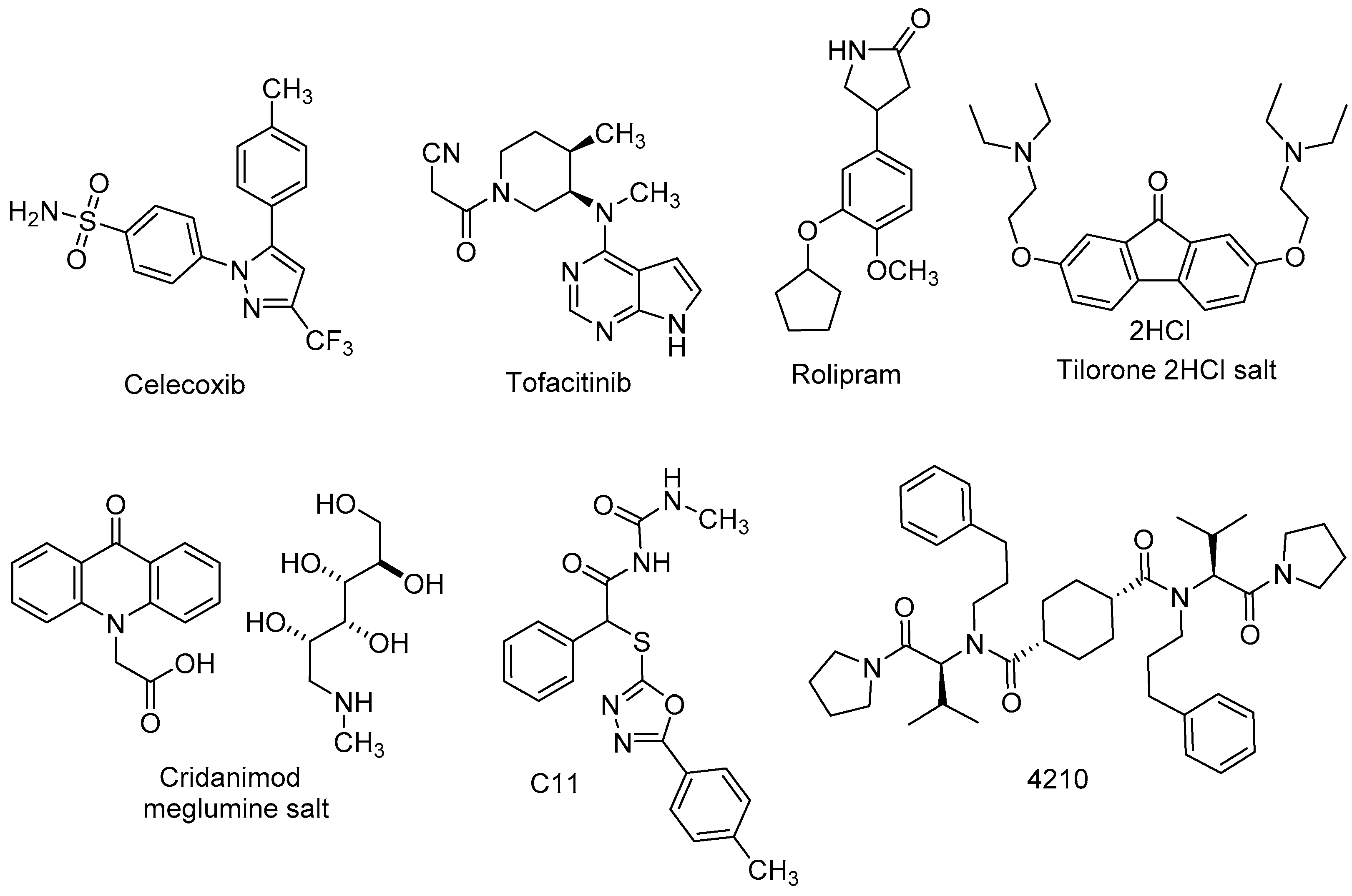
| Compound | Virus Strain | In Vitro Antiviral Data | In Vivo Antiviral Data | Ref. | |||||
|---|---|---|---|---|---|---|---|---|---|
| Cell Line | MOI | EC50 μM | CC50 μM | Titer Reduction (Concentration) | Mouse Challenge | Survival Dose | |||
| celecoxib | VEEV TC83 | HMC3 | 0.1 | - | >50 a | 100-fold (50 µM) | - | - | [53] |
| VEEV TC83 | U87MG | 0.1 | - | >50 a | 42% (10 µM) | - | - | [53] | |
| VEEV TrD | HMC3 | 0.1 | - | >50 a | 6.45-fold (50 µM) | - | - | [53] | |
| rolipram | VEEV TC83 | HMC3 | 0.1 | - | >50 a | 5-fold (50 µM) | - | - | [53] |
| VEEV TC83 | U87MG | 0.1 | - | >50 a | 23% (10 µM) | - | - | [53] | |
| VEEV TrD | HMC3 | 0.1 | - | >50 a | 2-3-fold (50 µM) | - | - | [53] | |
| tofacitinib | VEEV TC83 | HMC3 | 0.1 | - | >50 a | 10-fold (50 µM) | - | - | [53] |
| VEEV TC83 | U87MG | 0.1 | - | >50 a | 38% (10 µM) | - | - | [53] | |
| VEEV TrD | HMC3 | 0.1 | - | >50 a | 2-3-fold (50 µM) | - | - | [53] | |
| C11 | VEEV TC83 | THF | 1 | 16.7 b | >50 | 4 log (50 µM) | - | - | [57] |
| tilorone 2HCl | VEEV cloned TC83/TrD | BHK21 c | - | - | - | - | CD-1 SC challenge 10LD50 | 60% d, 25.6 mg/kg/d, QD, 10 d, IG | [63] |
| cridanimod meglumine | VEEV cloned TC83/TrD | BHK21 c | - | - | - | - | CD-1 SC challenge 10LD50 | 60% d, 25.6 mg/kg/d, QD, 10 d, IG | [63] |
| 4210 | VEEV TC83 | Vero | 10 | 24 | >100 (A549 cells) | - | C3H/HeN intranasal 2 × 10⁷ PFU | 100% e, 0.2 mg/kg BID, 7 d, IP | [68] |
| VEEV TrD | U87MG | 10 | 33 | 3-4 log (33 µM) | - | - | [68] | ||
| EEEV FL93-939 | U87MG | 10 | 11 | 3-4 log (11 µM) | - | - | [68] | ||
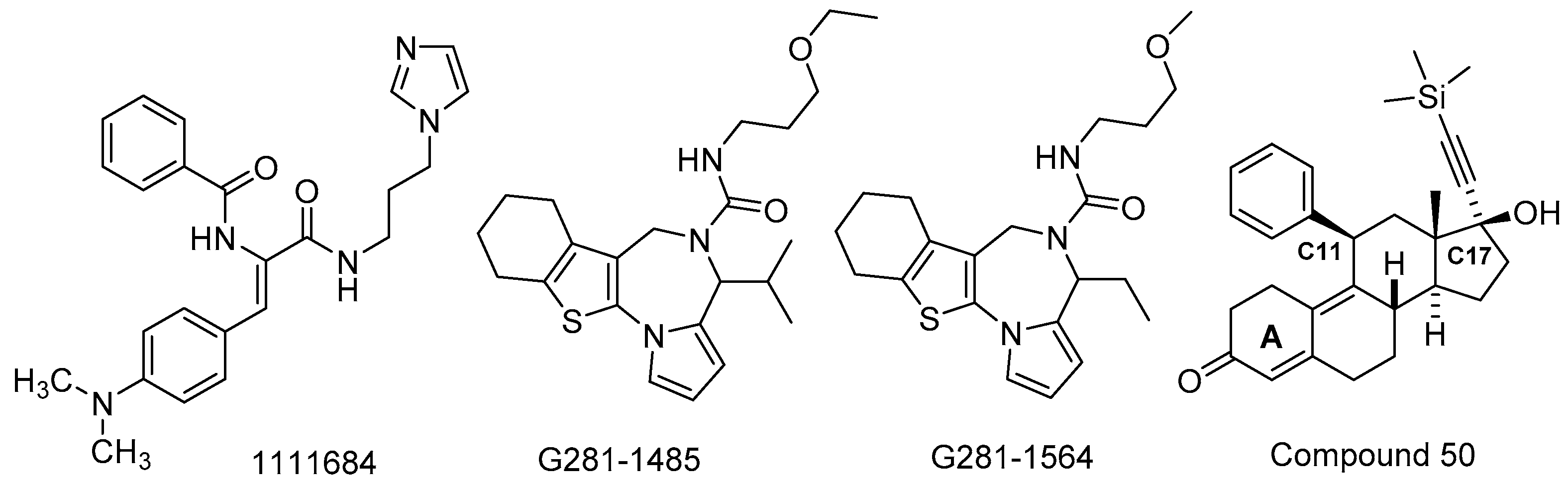
| 1111684 | VEEV TC83 | Vero | 0.1 | 9.9 | 36.4 | 1 log (10 µM) | - | - | [73] |
| G281-1485 | VEEV TC83luc | Vero | 0.1 | 7.5 | >55 | - | - | - | [76] |
| G281-1564 | VEEV TC83luc | Vero | 0.1 | 10.8 | >55 | >95% (50 µM) | - | - | [76] |
| compound 50 | VEEV TC83luc | Vero | 0.1 | 7.2 | >100 | >86% (10 µM) | - | - | [81] |
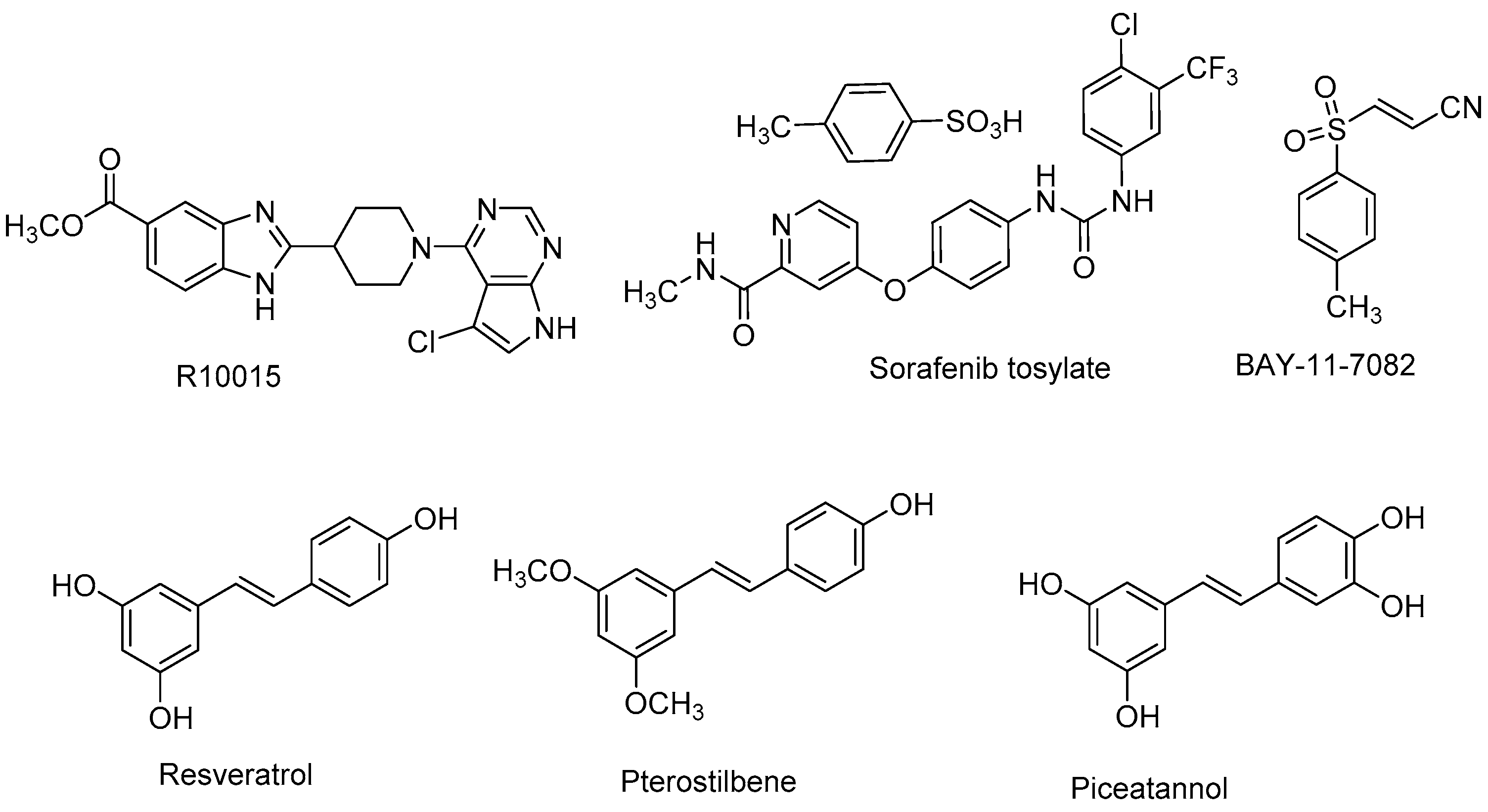
| R10015 | VEEV TC83luc | Vero | 0.1 | ~5 | >100 f | - | - | - | [85] |
| VEEV TC83 | Vero | 0.1 | ~5 | >100 f | 3 log (50 µM) | - | - | [85] | |
| VEEV TrD | Vero | 0.1 | ~5 | >100 f | 2 log (50 µM) | - | - | [85] | |
| sorafenib tosylate | VEEV TC83luc | Vero | 1 | 4.2 | >80 | - | - | - | [92] |
| VEEV TC83 | Vero | 1 | 3.7 | >80 | 2 log (10 µM) g | - | - | [92] | |
| VEEV TrD | Vero | 0.1 | - | - | ~2 log (20 µM) | - | - | [92] | |
| VEEV ZPC738 nluc | Vero | 1 | 6.2 | >80 | - | - | - | [92] | |
| EEEV FL93-939 nluc | Vero | 1 | 6.7 | >80 | - | - | - | [92] | |
| resveratrol | VEEV TC83luc | Vero | 0.1 | 21.8 | 314.5 | 2 log (150 µM) | - | - | [98] |
| pterostilbene | VEEV TC83luc | Vero | 0.1 | 29.2 | 59.9 | - | - | - | [98] |
| piceatannol | VEEV TC83luc | Vero | 0.1 | 29.8 | >500 | - | - | - | [98] |
| BAY-11-7082 | VEEV TC83 | U87MG | 0.1 | - | - | >3 log (1 µM) | - | - | [107] |
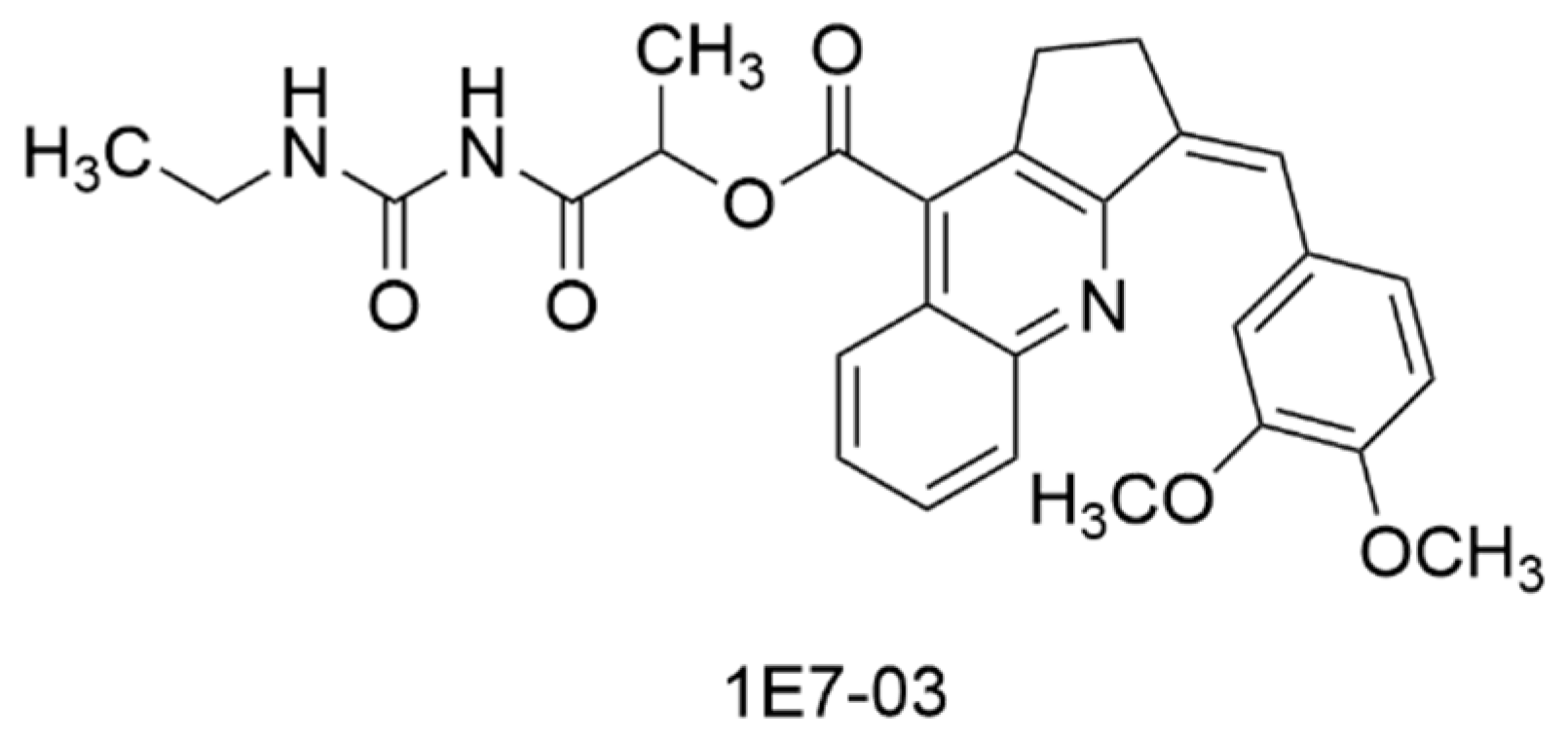
| 1E7-03 | VEEV TC83luc | Vero | 0.1 | 0.58 | >100 | >3 log (10 µM) | - | - | [110] |
| VEEV TC83 | Vero | 0.1 | - | >100 | 2 log (10 µM) | - | - | [110] | |
| VEEV TrD | Vero | 0.1 | - | >100 | 1.5 log (10 µM) | - | - | [110] | |
| WEEV California | Vero | 0.1 | - | >100 | 3 log (10 µM) | - | - | [110] | |
| EEEV GA97 | Vero | 0.1 | - | >100 | 1 log (10 µM) | - | - | [110] | |
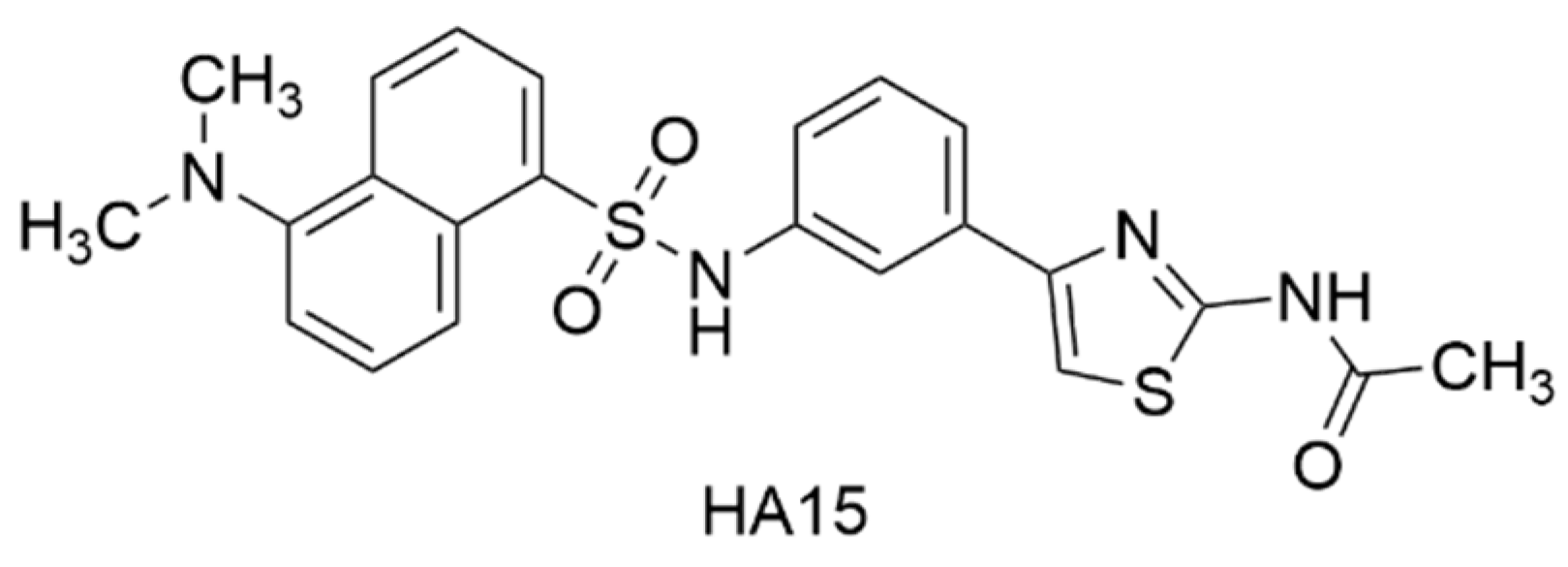
| HA15 | VEEV TC83 | Vero | 0.1 | - | >200 | 3 log (50 µM) | - | - | [117] |
| VEEV TrD | Vero | 0.1 | - | >200 | 3 log (50 µM) | - | - | [117] | |
| EEEV FL93-939 | Vero | 0.1 | - | >200 | 3 log (50 µM) | - | - | [117] | |
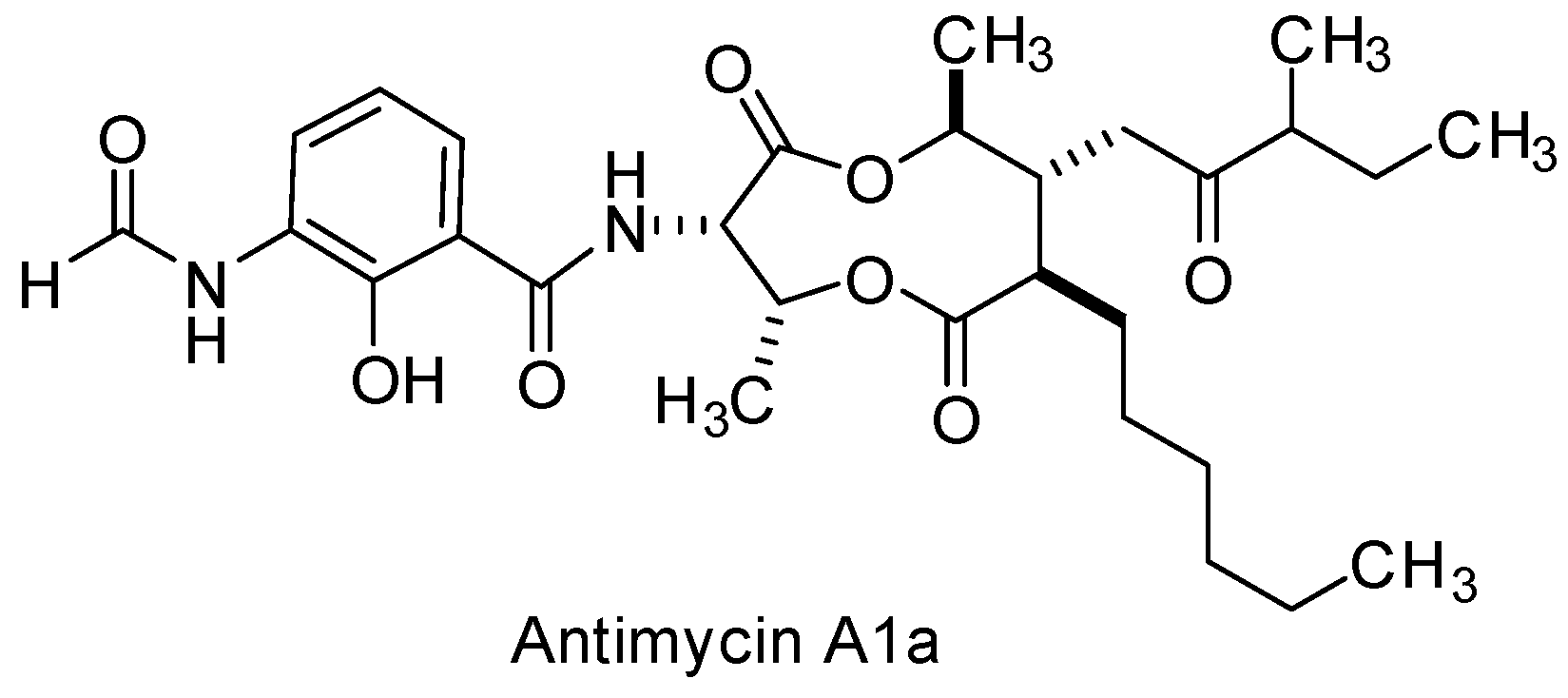
| antimycin A1a | WEEV Cba87 | BE(2)-C | 10 | 0.003 | >1000 | 14-fold (200 nM) | C57BL/6 SC challenge 1 × 10³ PFU | 40% d, 25 mg/kg BID, 7 d, IP | [121] |
4. Direct Targeting of EEV Non-Structural Proteins (nsPs) with Small Molecules
4.1. Non-Structural Protein 1 as a Target
4.2. Non-Structural Protein 2 as a Target
4.3. Non-Structural Protein 3–Host Protein Interactions as a Target
4.4. Non-Structural Protein 4 as a Target
4.5. Targeting Viral Replication through Alternative Modes of Action
| Compound | Virus Strain | In Vitro Antiviral Data | In Vivo Antiviral Data | Ref. | |||||
|---|---|---|---|---|---|---|---|---|---|
| Cell Line | MOI | EC50 μM | CC50 μM | Titer Reduction (Concentration) | Mouse Challenge | Survival Dose | |||
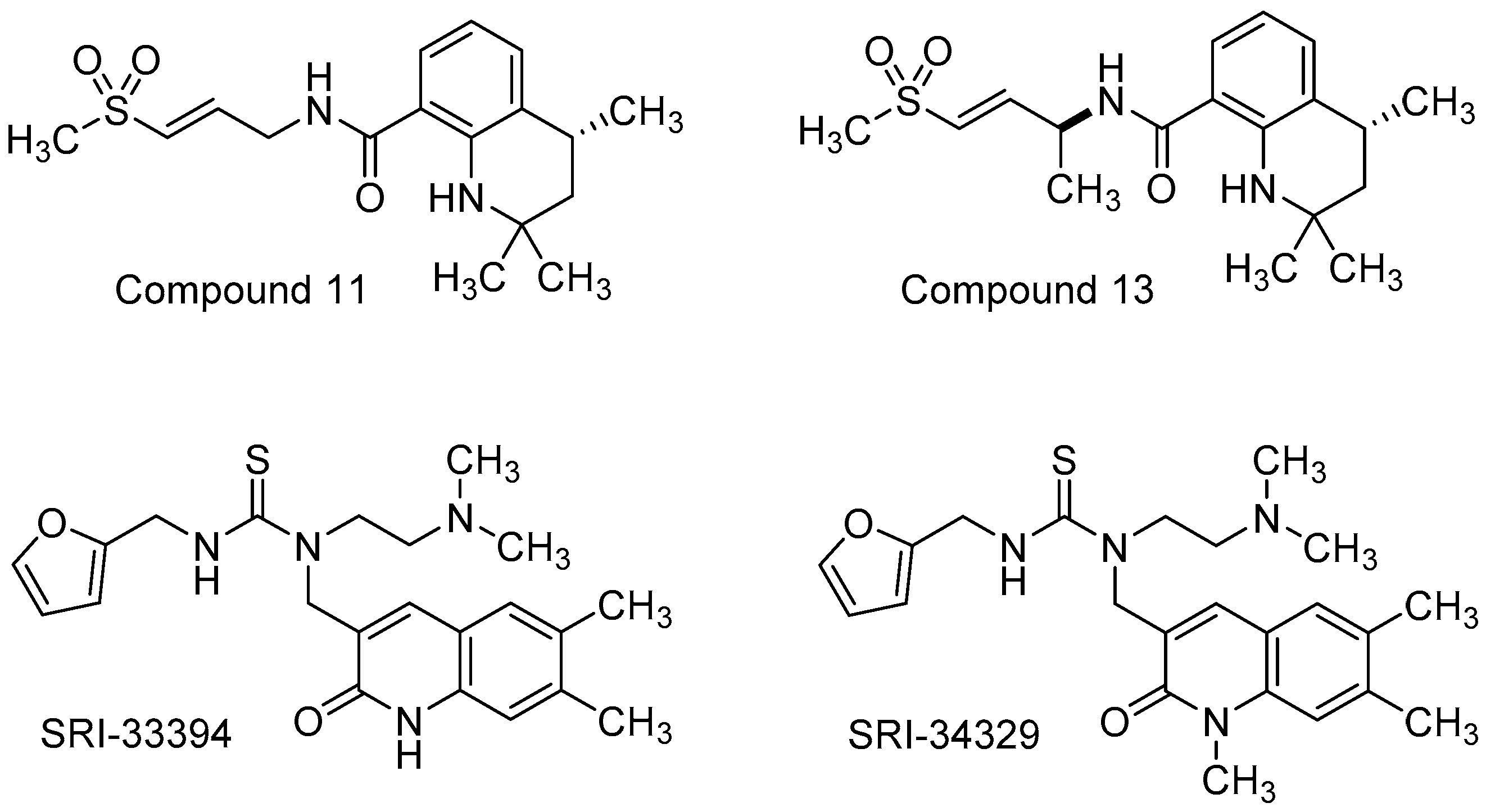
| compound 11 | VEEV TC83 | BE(2)M17 | 1.2 | 1.4 | >25 | - | - | - | [140] |
| VEEV TC83 | Neuro-2a | 3.5 | 2.0 | >25 | - | - | - | [140] | |
| VEEV TrD | HeLa | 0.1 | 1.6 | >30 | - | - | - | [140] | |
| VEEV TrD | Vero | 0.01 | 2.4 | 30 | - | - | - | [140] | |
| compound 13 | VEEV TC83 | BE(2)M17 | 1.2 | 3.3 | >25 | - | - | - | [140] |
| VEEV TrD | Neuro-2a | 3.5 | 3.7 | >25 | - | - | - | [140] | |
| SRI-33394 | VEEV TC83 | NHDF | 1 | 0.77 | >30 | 8.98 log (10 µM) | - | - | [141] |
| SRI-34329 | VEEV TC83 | NHDF | 1 | 0.12 | >50 | 5.96 log (10 µM) | - | - | [141] |
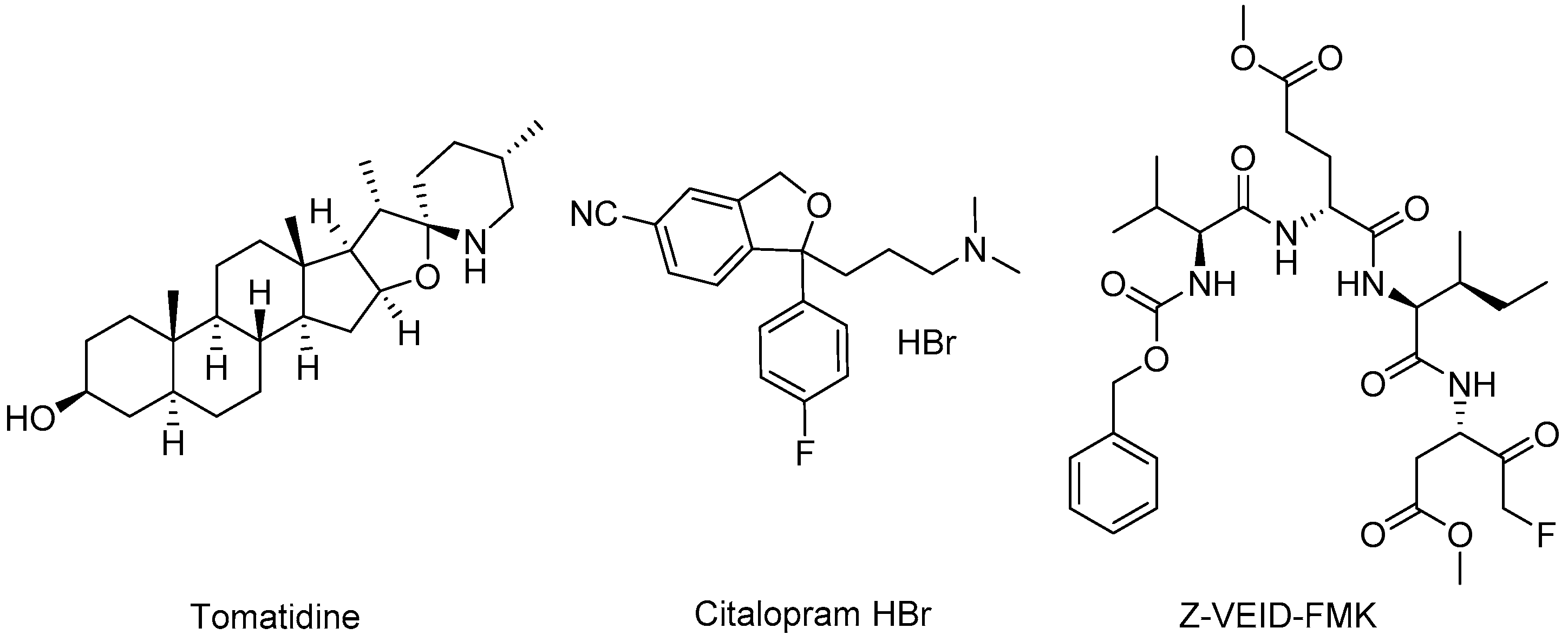
| tomatidine | VEEV TC83 | U87MG | 0.1 | 2.5 | 175 | 11-fold (10 µM) | - | - | [151] |
| VEEV TrD | U87MG | 0.1 | - | 175 | 364-fold (20 µM) | - | - | [151] | |
| EEEV FL93-939 | U87MG | 0.1 | - | 175 | 314-fold (20 µM) | - | - | [151] | |
| Z-VEID-FMK | VEEV TC83 | U87MG | 0.1 | 0.5 | >150 | 128-fold (10 µM) | - | - | [151] |
| VEEV TrD | U87MG | 0.1 | - | 175 | 887-fold (20 µM) | - | - | [151] | |
| EEEV FL93-939 | U87MG | 0.1 | - | 175 | 100-fold (20 µM) | - | - | [151] | |
| citalopram HBr | VEEV TC83 | U87MG | 0.1 | 1 | >150 | 87-fold (10 µM) | - | - | [151] |
| VEEV TrD | U87MG | 0.1 | - | 175 | 19-fold (20 µM) | - | - | [151] | |
| EEEV FL93-939 | U87MG | 0.1 | - | 175 | 17-fold (20 µM) | - | - | [151] | |
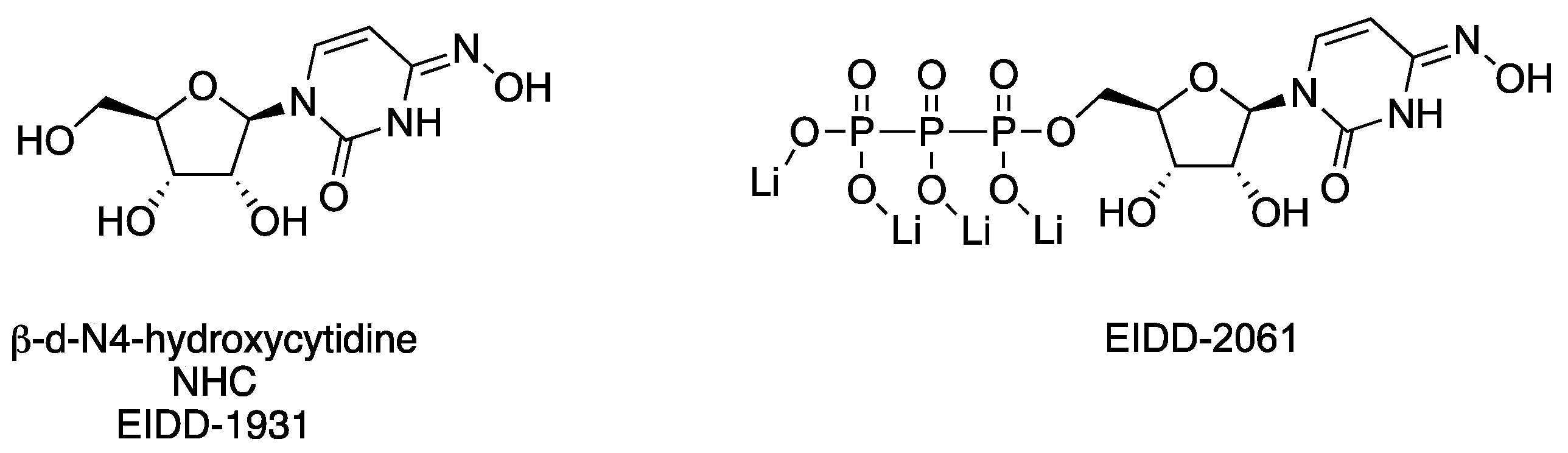
| NHC or EIDD-1931 | VEEV TC83 | Vero | 0.5 | 0.426 | >200 | 2 log (1 µM) 4 log (2.5 µM) | - | - | [158] |
| VEEV TrD | - | - | - | - | - | CD-1 intranasal 100 LD50 | 90% a,b 300 mg/kg, BID, 6 d, PO | [162] | |
| VEEV TrD | CD-1 intranasal 100 LD50 | 90% a (+24 h PI) c 500 mg/kg, BID, 6 d, PO | [162] | ||||||
| VEEV TrD | CD-1 intranasal 100 LD50 | 40% a (+48 h PI)c 500 mg/kg, BID, 6 d, PO | [162] | ||||||
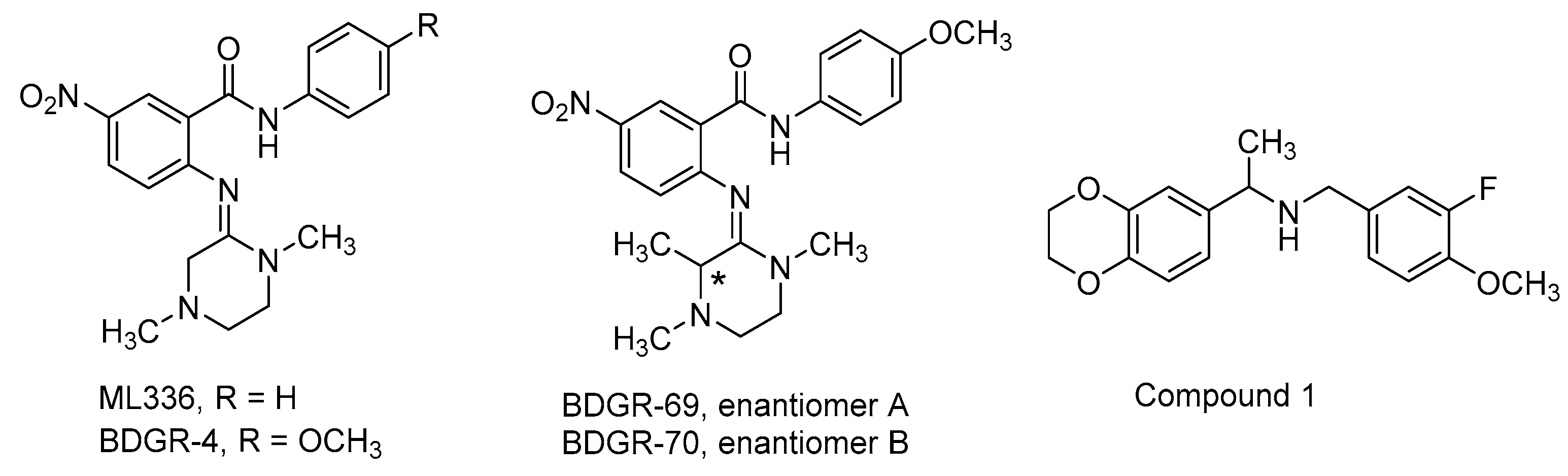
| ML336 | VEEV TC83 | Vero76 | 0.05 | 0.032 | >50 | 7.0 log (5 µM) | C3H/HeN intranasal 10LD50 | 71% b,d 5 mg/kg, BID, 4 d, IP | [163] |
| VEEV TrD | Vero76 | 0.05 | 0.04 | >50 | BLD (1 µM) BLD (0.5 µM) | BALB/c SC challenge 10LD50 | 100% a,b 25 mg/kg, BID, 8 d, IP | [163] [166] | |
| ML336/LC-MSN | VEEV TC83 | Vero | 0.1 | - | - | 6 log (2.5µg/mL) | C3H/HeN intranasal 108 PFU | reduced viral brain titer by 10-fold | [164] |
| BDGR-4 | VEEV TC83 | Vero76 | 0.05 | 0.047 | >50 | 7.0 log (5 µM) | C3H/HeN SC challenge 1 × 10⁷ PFU | 100% b,e 5 mg/kg, BID, 8 d, IP | [166] |
| VEEV TrD | - | - | - | - | - | BALB/c SC challenge 10LD50 | 100% a,b 25 mg/kg, BID, 8 d, IP | [166] | |
| VEEV TrD | - | - | - | - | - | BALB/c SC challenge 10LD50 | 100% a (+24 h PI) c 25 mg/kg, BID, 8 d, IP | [166] | |
| VEEV TrD | - | - | - | - | - | BALB/c SC challenge 10LD50 | 88% a (+48 h PI) c 25 mg/kg, BID, 8 d, IP | [166] | |
| WEEV California | Vero76 | 0.05 | 0.102 | >50 | >6.2 log (5 µM) | - | - | [166] | |
| EEEV FL93-939 | Vero76 | 0.05 | 0.149 | >50 | - | C57BL/6 SC challenge 104.3 CCID50 | 90% a,b 50 mg/kg, BID, 8 d, IP | [166] | |
| BDGR-69 | VEEV TC83 | Vero76 | 0.05 | 0.028 | >50 | 7.2 log (5 µM) | C3H/HeN intranasal 1 × 10⁷ PFU | 50% a,b 25 mg/kg, BID, 5 d, IP | [166] |
| BDGR-70 | VEEV TC83 | Vero76 | 0.05 | 0.025 | >50 | 7.2 log (5 µM) | C3H/HeN intranasal 1 × 10⁷ PFU | 67% a,b 25 mg/kg, BID, 5 d, IP | [166] |
| VEEV TC83 | Vero76 | 0.05 | 0.025 | >50 | 7.2 log (5 µM) | C3H/HeN intranasal 1 × 10⁷ PFU | 100% b,e 2.5 mg/kg, BID, 8 d, IP | [166] | |
| compound 1 | VEEV TC83 | THFF | 1 | 0.89 f | >30 | 7.5 log (10 µM) | - | - | [168] |
5. Additional Small Molecule Inhibitors of Encephalitic Alphaviruses
| Compound | Virus Strain | In Vitro Antiviral Data | In Vivo Antiviral Data | Ref. | |||||
|---|---|---|---|---|---|---|---|---|---|
| Cell Line | MOI | EC50 μM | CC50 μM | Titer Reduction (Concentration) | Mouse Challenge | Survival Dose | |||
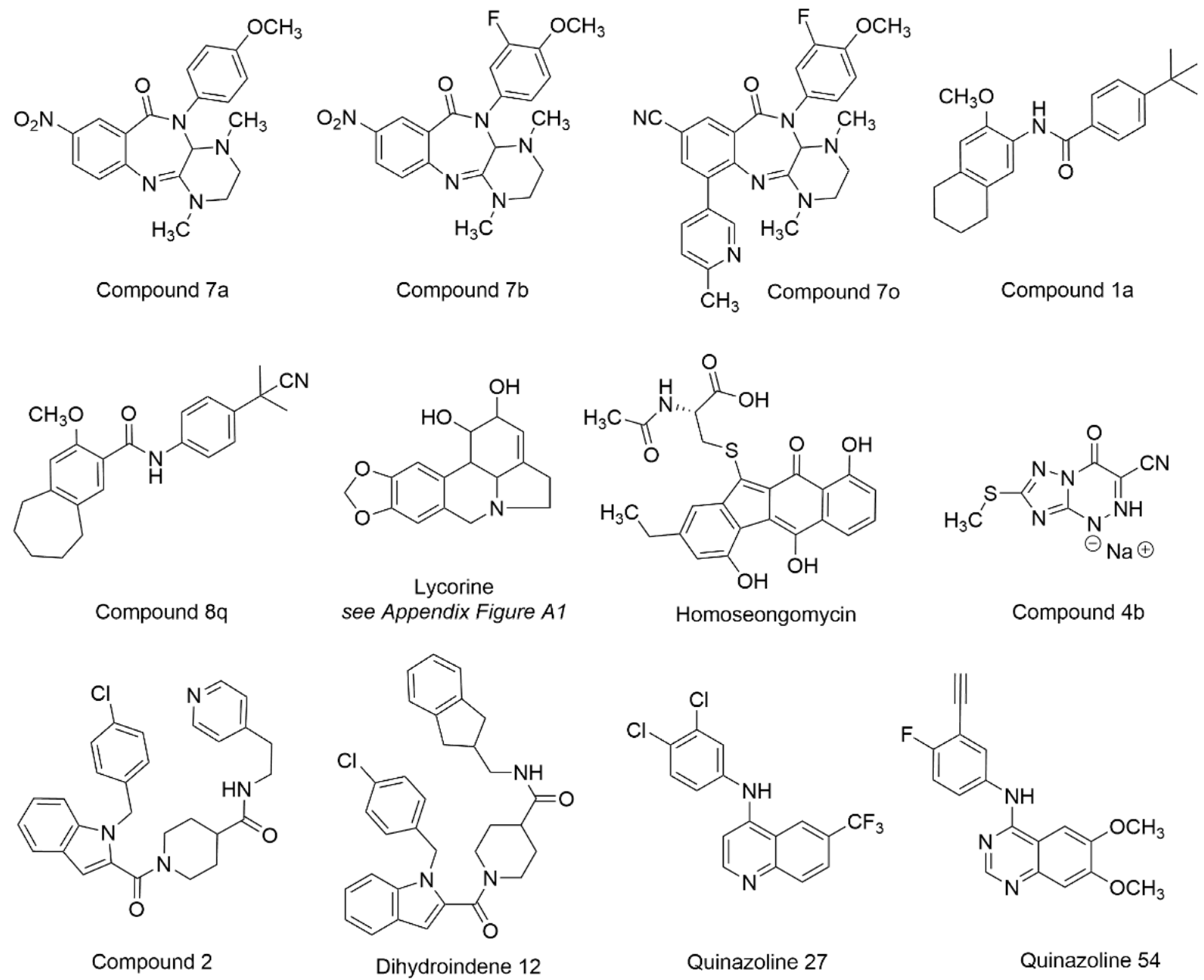
| compound 7a | VEEV INH9813 | Vero76 | 0.05 | 0.041 | >30 | 5.5 log (5 µM) | - | - | [169] |
| EEEV V105 | Vero76 | 0.05 | 0.033 | >30 | 7.9 log (5 µM) | - | - | [169] | |
| compound 7o | VEEV INH9813 | Vero76 | 0.05 | 0.24 | 23.3 | 5.2 log (5 µM) | - | - | [169] |
| EEEV V105 | Vero76 | 0.05 | 0.16 | 23.3 | 6.9 log (5 µM) | - | - | [169] | |
| compound 1a | VEEV TC83 | NHDF | 1 | 2.1 c | >30 | - | - | - | [170] |
| compound 8q | VEEV TC83 | NHDF | 1 | 0.4 c | >30 | 3.1 log (10 µM) | - | - | [170] |
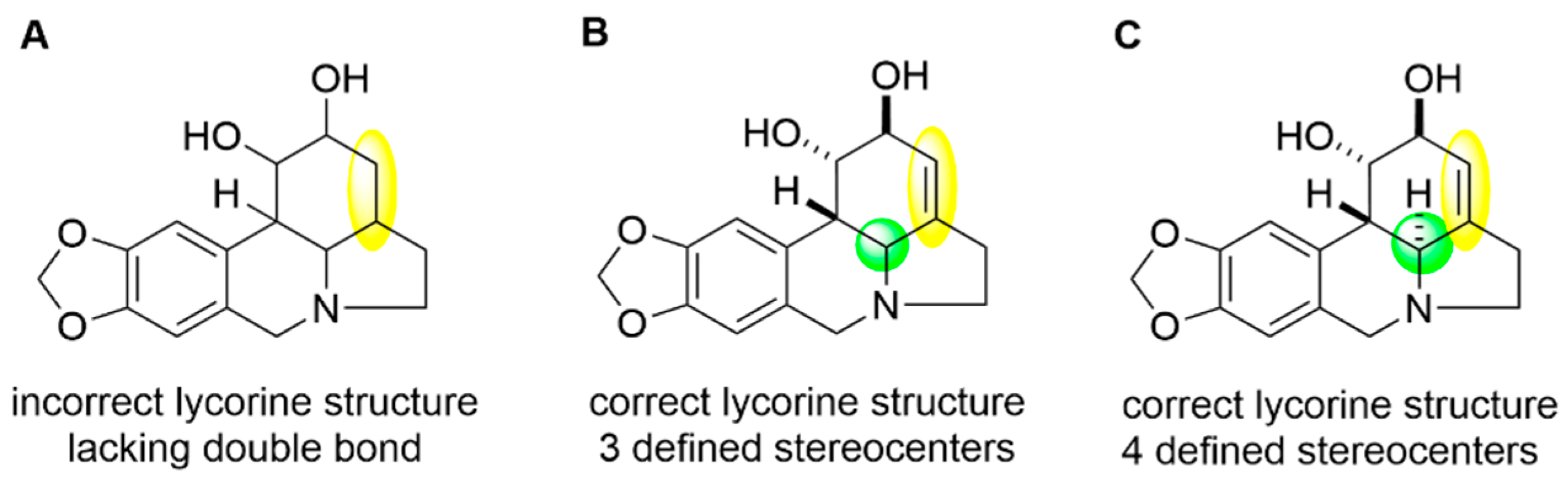
| lycorine | VEEV TC83 | Vero | 0.01 | 0.31 | >10 | - | - | - | [173] |
| homoseon- gomycin | VEEV TC83-luc | Vero | 0.1 | 8.6 | >50 | 8 log (50 µM) | - | - | [179] |
| VEEV ZPC738-luc | U87MG | 0.1 | 9.1 a | >50 | 4 log (50 µM) | - | - | [179] | |
| EEEV FL93-939-luc | Vero | 0.1 | 1.2 | >50 | - | - | - | [179] | |
| compound 4b | VEEV 230 | PEKC | 0.02 | - | - | 1.9 log PFU (100 µg/mL) | outbred albino SC challenge 10LD50 | 60% b (+2 h PI) 50 mg/kg, QD, 5 d, PO | [181] |
| VEEV 230 | PEKC | 0.02 | - | - | 1.9 log PFU (100 µg/mL) | outbred albino SC challenge 10LD50 | 80% b (+24 h PI) 100 mg/kg, QD, 5 d, PO | [181] | |
| EEEV 463 | PEKC | 0.02 | - | - | 2.6 log PFU (100 µg/mL) | outbred albino SC challenge 10LD50 | 50% b (+2 h PI) 50 mg/kg, QD, 5 d, PO | [181] | |
| EEEV 463 | PEKC | 0.02 | - | - | 2.6 log PFU (100 µg/mL) | outbred albino SC challenge 10LD50 | 70% b (+24 h PI) 100 mg/kg, QD, 5 d, PO | [181] | |
| compound 2 | WEEV Cba-87 | BSR-Z7/C3 | 0.1 | 0.53 | 65 | - | - | - | [183] |
| dihydro- indene 12 | WEEV Cba-87 | BSR-Z7/C3 | 0.1 | 0.53 | >100 | - | - | - | [183] |
| quinoline 27 | VEEV TC83 | U87MG | 0.1 | 0.50 | >10 | - | - | - | [184] |
| quinazoline 54 | VEEV TC83 | U87MG | 0.1 | 0.60 | >10 | - | - | - | [184] |
6. Discussion
Author Contributions
Funding
Data Availability Statement
Conflicts of Interest
Appendix A

References
- Zacks, M.A.; Paessler, S. Encephalitic alphaviruses. Vet. Microbiol. 2010, 140, 281–286. [Google Scholar] [CrossRef]
- Johnson, K.M.; Martin, D.H. Venezuelan equine encephalitis. Adv. Vet. Sci. Comp. Med. 1974, 18, 79–116. [Google Scholar]
- Suhrbier, A.; Jaffar-Bandjee, M.C.; Gasque, P. Arthritogenic alphaviruses—An overview. Nat. Rev. Rheumatol. 2012, 8, 420–429. [Google Scholar] [CrossRef]
- Chen, W.; Foo, S.S.; Sims, N.A.; Herrero, L.J.; Walsh, N.C.; Mahalingam, S. Arthritogenic alphaviruses: New insights into arthritis and bone pathology. Trends Microbiol. 2015, 23, 35–43. [Google Scholar] [CrossRef]
- Forrester, N.L.; Wertheim, J.O.; Dugan, V.G.; Auguste, A.J.; Lin, D.; Adams, A.P.; Chen, R.; Gorchakov, R.; Leal, G.; Estrada-Franco, J.G.; et al. Evolution and spread of Venezuelan equine encephalitis complex alphavirus in the Americas. PLoS Negl. Trop. Dis. 2017, 11, e0005693. [Google Scholar] [CrossRef]
- Aguilar, P.V.; Estrada-Franco, J.G.; Navarro-Lopez, R.; Ferro, C.; Haddow, A.D.; Weaver, S.C. Endemic Venezuelan equine encephalitis in the Americas: Hidden under the dengue umbrella. Future Virol. 2011, 6, 721–740. [Google Scholar] [CrossRef]
- Guzmán-Terán, C.; Calderón-Rangel, A.; Rodriguez-Morales, A.; Mattar, S. Venezuelan equine encephalitis virus: The problem is not over for tropical America. Ann. Clin. Microbiol. Antimicrob. 2020, 19, 19. [Google Scholar] [CrossRef] [PubMed]
- Phelps, A.L.; O’Brien, L.M.; Eastaugh, L.S.; Davies, C.; Lever, M.S.; Ennis, J.; Zeitlin, L.; Nunez, A.; Ulaeto, D.O. Susceptibility and Lethality of Western Equine Encephalitis Virus in Balb/c Mice When Infected by the Aerosol Route. Viruses 2017, 9, 163. [Google Scholar] [CrossRef] [PubMed]
- Reisen, W.K. Western Equine Encephalomyelitis. In The Arboviruses, 1st ed.; Monath, T.P., Ed.; CRC Press: Boca Raton, FL, USA, 1988; Volume 5, pp. 89–137. [Google Scholar]
- Calisher, C.H. Medically important arboviruses of the United States and Canada. Clin. Microbiol. Rev. 1994, 7, 89–116. [Google Scholar] [CrossRef] [PubMed]
- Millet, N.; Faiek, S.; Gurrieri, D.; Kals, K.; Adams, W.; Hamaty, E.; Trivedi, M.; Zeidwerg, D. Deadly Neuroinvasive Mosquito-Borne Virus: A Case of Eastern Equine Encephalitis. Perm. J. 2021, 25, 20.288. [Google Scholar] [CrossRef] [PubMed]
- Lindsey, N.P.; Martin, S.W.; Staples, J.E.; Fischer, M. Notes from the Field: Multistate Outbreak of Eastern Equine Encephalitis Virus—United States, 2019. MMWR Morb. Mortal. Wkly Rep. 2020, 69, 50–51. [Google Scholar] [CrossRef]
- Centers for Disease Control and Prevention | Eastern Equine Encephalitis. Available online: https://www.cdc.gov/easternequineencephalitis/statistics-maps/index.html (accessed on 1 December 2022).
- Ronca, S.E.; Dineley, K.T.; Paessler, S. Neurological Sequelae Resulting from Encephalitic Alphavirus Infection. Front. Microbiol. 2016, 7, 959. [Google Scholar] [CrossRef]
- Bowen, G.S.; Fashinell, T.R.; Dean, P.B.; Gregg, M.B. Clinical aspects of human Venezuelan equine encephalitis in Texas. Bull. Pan Am. Health Organ 1976, 10, 46–57. [Google Scholar] [PubMed]
- Hayes, E.B.; Staples, J.E. Principles and Practice of Pediatric Infectious Diseases, 4th ed.; Elsevier: London, UK, 2012; pp. 1097–1099. [Google Scholar]
- Reichert, E.; Clase, A.; Bacetty, A.; Larsen, J. Alphavirus antiviral drug development: Scientific gap analysis and prospective research areas. Biosecur. Bioterror. 2009, 7, 413–427. [Google Scholar] [CrossRef]
- Sidwell, R.W.; Smee, D.F. Viruses of the Bunya- and Togaviridae families: Potential as bioterrorism agents and means of control. Antivir. Res. 2003, 57, 101–111. [Google Scholar] [CrossRef]
- Christopher, G.W.; Cieslak, T.J.; Pavlin, J.A.; Eitzen, E.M., Jr. Biological warfare. A historical perspective. JAMA 1997, 278, 412–417. [Google Scholar] [CrossRef] [PubMed]
- Alevizatos, A.C.; McKinney, R.W.; Feigin, R.D. Live, attenuated Venezuelan equine encephalomyelitis virus vaccine. I. Clinical effects in man. Am. J. Trop. Med. Hyg. 1967, 16, 762–768. [Google Scholar] [CrossRef] [PubMed]
- Pittman, P.R.; Makuch, R.S.; Mangiafico, J.A.; Cannon, T.L.; Gibbs, P.H.; Peters, C.J. Long-term duration of detectable neutralizing antibodies after administration of live-attenuated VEE vaccine and following booster vaccination with inactivated VEE vaccine. Vaccine 1996, 14, 337–343. [Google Scholar] [CrossRef] [PubMed]
- Centers for Disease Control and Prevention | Treatment & Prevention | Eastern Equine Encephalitis. Available online: https://www.cdc.gov/easternequineencephalitis/healthcare-providers/treatment-prevention.html (accessed on 2 October 2022).
- Stromberg, Z.R.; Fischer, W.; Bradfute, S.B.; Kubicek-Sutherland, J.Z.; Hraber, P. Vaccine Advances against Venezuelan, Eastern, and Western Equine Encephalitis Viruses. Vaccines 2020, 8, 273. [Google Scholar] [CrossRef] [PubMed]
- Paessler, S.; Weaver, S.C. Vaccines for Venezuelan equine encephalitis. Vaccine 2009, 27 (Suppl. S4), D80–D85. [Google Scholar] [CrossRef]
- Powers, A.M. Resurgence of Interest in Eastern Equine Encephalitis Virus Vaccine Development. J. Med. Entom. 2021, 59, 20–26. [Google Scholar] [CrossRef] [PubMed]
- Burke, C.W.; Froude, J.W.; Rossi, F.; White, C.E.; Moyer, C.L.; Ennis, J.; Pitt, M.L.; Streatfield, S.; Jones, R.M.; Musiychuk, K.; et al. Therapeutic monoclonal antibody treatment protects nonhuman primates from severe Venezuelan equine encephalitis virus disease after aerosol exposure. PLoS Pathog. 2019, 15, e1008157. [Google Scholar] [CrossRef] [PubMed]
- Williamson, L.E.; Gilliland, T., Jr.; Yadav, P.K.; Binshtein, E.; Bombardi, R.; Kose, N.; Nargi, R.S.; Sutton, R.E.; Durie, C.L.; Armstrong, E.; et al. Human Antibodies Protect against Aerosolized Eastern Equine Encephalitis Virus Infection. Cell 2020, 183, 1884–1900.e1823. [Google Scholar] [CrossRef]
- Kim, A.S.; Austin, S.K.; Gardner, C.L.; Zuiani, A.; Reed, D.S.; Trobaugh, D.W.; Sun, C.; Basore, K.; Williamson, L.E.; Crowe, J.E., Jr.; et al. Protective antibodies against Eastern equine encephalitis virus bind to epitopes in domains A and B of the E2 glycoprotein. Nat. Microbiol. 2019, 4, 187–197. [Google Scholar] [CrossRef]
- ChemicalProbes.Org. Chemical Probes | Information Centre | Probes Criteria. Available online: https://www.chemicalprobes.org/information-centre#probes-criteria (accessed on 31 January 2023).
- Antolin, A.A.; Sanfelice, D.; Crisp, A.; Villasclaras Fernandez, E.; Mica, I.L.; Chen, Y.; Collins, I.; Edwards, A.; Müller, S.; Al-Lazikani, B.; et al. The Chemical Probes Portal: An expert review-based public resource to empower chemical probe assessment, selection and use. Nucleic Acids Res. 2022, 51, D1492–D1502. [Google Scholar] [CrossRef] [PubMed]
- Kehn-Hall, K.; Bradfute, S.B. Understanding host responses to equine encephalitis virus infection: Implications for therapeutic development. Expert Rev. Anti-Infect Ther. 2022, 20, 1551–1566. [Google Scholar] [CrossRef]
- Bassetto, M.; Brancale, A. Chapter Four—The search for antivirals to treat alphavirus infections. Annu. Rep. Med. Chem. 2021, 57, 133–151. [Google Scholar]
- Nagata, L.P.; Wong, J.P.; Hu, W.-g.; Wu, J.Q. Vaccines and therapeutics for the encephalitic alphaviruses. Future Virol. 2013, 8, 661–674. [Google Scholar] [CrossRef]
- Ching, K.C.; FP Ng, L.; Chai, C.L.L. A compendium of small molecule direct-acting and host-targeting inhibitors as therapies against alphaviruses. J. Antimicrob. Chemother. 2017, 72, 2973–2989. [Google Scholar] [CrossRef]
- Snyder, J.E.; Kulcsar, K.A.; Schultz, K.L.W.; Riley, C.P.; Neary, J.T.; Marr, S.; Jose, J.; Griffin, D.E.; Kuhn, R.J. Functional Characterization of the Alphavirus TF Protein. J. Virol. 2013, 87, 8511–8523. [Google Scholar] [CrossRef]
- Sharma, A.; Knollmann-Ritschel, B. Current Understanding of the Molecular Basis of Venezuelan Equine Encephalitis Virus Pathogenesis and Vaccine Development. Viruses 2019, 11, 164. [Google Scholar] [CrossRef]
- Ramsey, J.; Mukhopadhyay, S. Disentangling the Frames, the State of Research on the Alphavirus 6K and TF Proteins. Viruses 2017, 9, 228. [Google Scholar] [CrossRef]
- Hardy, W.R.; Strauss, J.H. Processing the nonstructural polyproteins of sindbis virus: Nonstructural proteinase is in the C-terminal half of nsP2 and functions both in cis and in trans. J. Virol. 1989, 63, 4653–4664. [Google Scholar] [CrossRef] [PubMed]
- Leung, J.Y.-S.; Ng, M.M.-L.; Chu, J.J.H.C. Replication of Alphaviruses: A Review on the Entry Process of Alphaviruses into Cells. Adv. Virol. 2011, 2011, 249640. [Google Scholar] [CrossRef] [PubMed]
- Jose, J.; Snyder, J.E.; Kuhn, R.J. A structural and functional perspective of alphavirus replication and assembly. Future Microbiol. 2009, 4, 837–856. [Google Scholar] [CrossRef]
- Mukhopadhyay, S.; Zhang, W.; Gabler, S.; Chipman, P.R.; Strauss, E.G.; Strauss, J.H.; Baker, T.S.; Kuhn, R.J.; Rossmann, M.G. Mapping the structure and function of the E1 and E2 glycoproteins in alphaviruses. Structure 2006, 14, 63–73. [Google Scholar] [CrossRef] [PubMed]
- Kim, A.S.; Diamond, M.S. A molecular understanding of alphavirus entry and antibody protection. Nat. Rev. Microbiol. 2022, 1–12. [Google Scholar] [CrossRef]
- Gardner, C.L.; Ebel, G.D.; Ryman, K.D.; Klimstra, W.B. Heparan sulfate binding by natural eastern equine encephalitis viruses promotes neurovirulence. Proc. Natl. Acad. Sci. USA 2011, 108, 16026–16031. [Google Scholar] [CrossRef]
- Mudhakir, D.; Harashima, H. Learning from the viral journey: How to enter cells and how to overcome intracellular barriers to reach the nucleus. AAPS J. 2009, 11, 65–77. [Google Scholar] [CrossRef] [PubMed]
- Carvalho, C.A.M.; Silva, J.L.; Oliveira, A.C.; Gomes, A.M.O. On the entry of an emerging arbovirus into host cells: Mayaro virus takes the highway to the cytoplasm through fusion with early endosomes and caveolae-derived vesicles. PeerJ 2017, 5, e3245. [Google Scholar] [CrossRef]
- Lee, C.H.R.; Mohamed Hussain, K.; Chu, J.J.H. Macropinocytosis dependent entry of Chikungunya virus into human muscle cells. PLoS Negl. Trop. Dis. 2019, 13, e0007610. [Google Scholar] [CrossRef] [PubMed]
- Paredes, A.M.; Ferreira, D.; Horton, M.; Saad, A.; Tsuruta, H.; Johnston, R.; Klimstra, W.; Ryman, K.; Hernandez, R.; Chiu, W.; et al. Conformational changes in Sindbis virions resulting from exposure to low pH and interactions with cells suggest that cell penetration may occur at the cell surface in the absence of membrane fusion. Virology 2004, 324, 373–386. [Google Scholar] [CrossRef] [PubMed]
- Vancini, R.; Wang, G.; Ferreira, D.; Hernandez, R.; Brown, D.T. Alphavirus Genome Delivery Occurs Directly at the Plasma Membrane in a Time- and Temperature-Dependent Process. J. Virol. 2013, 87, 4352–4359. [Google Scholar] [CrossRef] [PubMed]
- Cain, M.D.; Salimi, H.; Gong, Y.; Yang, L.; Hamilton, S.L.; Heffernan, J.R.; Hou, J.; Miller, M.J.; Klein, R.S. Virus entry and replication in the brain precedes blood-brain barrier disruption during intranasal alphavirus infection. J. Neuroimmunol. 2017, 308, 118–130. [Google Scholar] [CrossRef] [PubMed]
- Sharma, A.; Bhomia, M.; Honnold, S.P.; Maheshwari, R.K. Role of adhesion molecules and inflammation in Venezuelan equine encephalitis virus infected mouse brain. Virology J. 2011, 8, 197. [Google Scholar] [CrossRef]
- Jackson, A.C.; Rossiter, J.P. Apoptotic cell death is an important cause of neuronal injury in experimental Venezuelan equine encephalitis virus infection of mice. Acta Neuropathol. 1997, 93, 349–353. [Google Scholar] [CrossRef]
- Schoneboom, B.A.; Catlin, K.M.; Marty, A.M.; Grieder, F.B. Inflammation is a component of neurodegeneration in response to Venezuelan equine encephalitis virus infection in mice. J. Neuroimmunol. 2000, 109, 132–146. [Google Scholar] [CrossRef]
- Risner, K.; Ahmed, A.; Bakovic, A.; Kortchak, S.; Bhalla, N.; Narayanan, A. Efficacy of FDA-Approved Anti-Inflammatory Drugs Against Venezuelan Equine Encephalitis Virus Infection. Viruses 2019, 11, 1151. [Google Scholar] [CrossRef]
- MacMicking, J.D. Interferon-inducible effector mechanisms in cell-autonomous immunity. Nat. Rev. Immunol. 2012, 12, 367–382. [Google Scholar] [CrossRef]
- Crosse, K.M.; Monson, E.A.; Beard, M.R.; Helbig, K.J. Interferon-Stimulated Genes as Enhancers of Antiviral Innate Immune Signaling. J. Innate Immun. 2018, 10, 85–93. [Google Scholar] [CrossRef]
- Zhang, Y.; Burke, C.W.; Ryman, K.D.; Klimstra, W.B. Identification and characterization of interferon-induced proteins that inhibit alphavirus replication. J. Virol. 2007, 81, 11246–11255. [Google Scholar] [CrossRef]
- Gall, B.; Pryke, K.; Abraham, J.; Mizuno, N.; Botto, S.; Sali, T.M.; Broeckel, R.; Haese, N.; Nilsen, A.; Placzek, A.; et al. Emerging Alphaviruses Are Sensitive to Cellular States Induced by a Novel Small-Molecule Agonist of the STING Pathway. J. Virol. 2018, 92, 1–19. [Google Scholar] [CrossRef] [PubMed]
- Cavlar, T.; Deimling, T.; Ablasser, A.; Hopfner, K.P.; Hornung, V. Species-specific detection of the antiviral small-molecule compound CMA by STING. EMBO J. 2013, 32, 1440–1450. [Google Scholar] [CrossRef] [PubMed]
- Liu, Y.; Lu, X.; Qin, N.; Qiao, Y.; Xing, S.; Liu, W.; Feng, F.; Liu, Z.; Sun, H. STING, a promising target for small molecular immune modulator: A review. Eur. J. Med. Chem. 2021, 211, 113113. [Google Scholar] [CrossRef] [PubMed]
- Ekins, S.; Lane, T.R.; Madrid, P.B. Tilorone: A Broad-Spectrum Antiviral Invented in the USA and Commercialized in Russia and beyond. Pharm. Res. 2020, 37, 71. [Google Scholar] [CrossRef]
- Ekins, S.; Lingerfelt, M.A.; Comer, J.E.; Freiberg, A.N.; Mirsalis, J.C.; O’Loughlin, K.; Harutyunyan, A.; McFarlane, C.; Green, C.E.; Madrid, P.B. Efficacy of Tilorone Dihydrochloride against Ebola Virus Infection. Antimicrob. Agents Chemother. 2018, 62, 1–13. [Google Scholar] [CrossRef]
- Ekins, S.; Madrid, P.B. Tilorone, a Broad-Spectrum Antiviral for Emerging Viruses. Antimicrob. Agents Chemother. 2020, 64, 1–3. [Google Scholar] [CrossRef]
- Keyer, V.; Syzdykova, L.; Zauatbayeva, G.; Zhulikeyeva, A.; Ramanculov, Y.; Shustov, A.V.; Shulgau, Z. Tilorone and Cridanimod Protect Mice and Show Antiviral Activity in Rats despite Absence of the Interferon-Inducing Effect in Rats. Pharmaceuticals 2022, 15, 617. [Google Scholar] [CrossRef]
- Alam, S.; Javor, S.; Degardin, M.; Ajami, D.; Rebek, M.; Kissner, T.L.; Waag, D.M.; Rebek, J., Jr.; Saikh, K.U. Structure-Based Design and Synthesis of a Small Molecule that Exhibits Anti-inflammatory Activity by Inhibition of MyD88-mediated Signaling to Bacterial Toxin Exposure. Chem. Biol. Drug Des. 2015, 86, 200–209. [Google Scholar] [CrossRef]
- Sharma, A.; Maheshwari, R.K. Oligonucleotide array analysis of Toll-like receptors and associated signalling genes in Venezuelan equine encephalitis virus-infected mouse brain. J. Gen. Virol. 2009, 90, 1836–1847. [Google Scholar] [CrossRef]
- Fuse, K.; Chan, G.; Liu, Y.; Gudgeon, P.; Husain, M.; Chen, M.; Yeh, W.C.; Akira, S.; Liu, P.P. Myeloid differentiation factor-88 plays a crucial role in the pathogenesis of Coxsackievirus B3-induced myocarditis and influences type I interferon production. Circulation 2005, 112, 2276–2285. [Google Scholar] [CrossRef] [PubMed]
- Aguilar, P.V.; Adams, A.P.; Wang, E.; Kang, W.; Carrara, A.S.; Anishchenko, M.; Frolov, I.; Weaver, S.C. Structural and nonstructural protein genome regions of eastern equine encephalitis virus are determinants of interferon sensitivity and murine virulence. J. Virol. 2008, 82, 4920–4930. [Google Scholar] [CrossRef]
- Saikh, K.U.; Morazzani, E.M.; Piper, A.E.; Bakken, R.R.; Glass, P.J. A small molecule inhibitor of MyD88 exhibits broad spectrum antiviral activity by up regulation of type I interferon. Antivir. Res. 2020, 181, 104854. [Google Scholar] [CrossRef] [PubMed]
- Fulcher, A.J.; Jans, D.A. Regulation of nucleocytoplasmic trafficking of viral proteins: An integral role in pathogenesis? Biochim. Biophys. Acta 2011, 1813, 2176–2190. [Google Scholar] [CrossRef] [PubMed]
- Caly, L.; Wagstaff, K.M.; Jans, D.A. Nuclear trafficking of proteins from RNA viruses: Potential target for antivirals? Antivir. Res. 2012, 95, 202–206. [Google Scholar] [CrossRef]
- Atasheva, S.; Fish, A.; Fornerod, M.; Frolova, E.I. Venezuelan equine Encephalitis virus capsid protein forms a tetrameric complex with CRM1 and importin alpha/beta that obstructs nuclear pore complex function. J. Virol. 2010, 84, 4158–4171. [Google Scholar] [CrossRef]
- Ryman, K.D.; Klimstra, W.B. Host responses to alphavirus infection. Immunol. Rev. 2008, 225, 27–45. [Google Scholar] [CrossRef]
- Shechter, S.; Thomas, D.R.; Lundberg, L.; Pinkham, C.; Lin, S.-C.; Wagstaff, K.M.; Debono, A.; Kehn-Hall, K.; Jans, D.A. Novel inhibitors targeting Venezuelan equine encephalitis virus capsid protein identified using In Silico Structure-Based-Drug-Design. Sci. Rep. 2017, 7, 17705. [Google Scholar] [CrossRef]
- Wagstaff, K.M.; Rawlinson, S.M.; Hearps, A.C.; Jans, D.A. An AlphaScreen®-based assay for high-throughput screening for specific inhibitors of nuclear import. J. Biomol. Screen 2011, 16, 192–200. [Google Scholar] [CrossRef]
- Wagstaff, K.M.; Sivakumaran, H.; Heaton, S.M.; Harrich, D.; Jans, D.A. Ivermectin is a specific inhibitor of importin α/β-mediated nuclear import able to inhibit replication of HIV-1 and dengue virus. Biochem. J. 2012, 443, 851–856. [Google Scholar] [CrossRef]
- Thomas, D.R.; Lundberg, L.; Pinkham, C.; Shechter, S.; DeBono, A.; Baell, J.; Wagstaff, K.M.; Hick, C.A.; Kehn-Hall, K.; Jans, D.A. Identification of novel antivirals inhibiting recognition of Venezuelan equine encephalitis virus capsid protein by the Importin α/β1 heterodimer through high-throughput screening. Antivir. Res. 2018, 151, 8–19. [Google Scholar] [CrossRef] [PubMed]
- Lundberg, L.; Fontenot, J.; Lin, S.C.; Pinkham, C.; Carey, B.D.; Campbell, C.E.; Kehn-Hall, K. Venezuelan Equine Encephalitis Virus Capsid Implicated in Infection-Induced Cell Cycle Delay in vitro. Front. Microbiol. 2018, 9, 3126. [Google Scholar] [CrossRef] [PubMed]
- Henderson, J.T.; Hwang, A.C.; Harper, C.C.; Stewart, F.H. Safety of mifepristone abortions in clinical use. Contraception 2005, 72, 175–178. [Google Scholar] [CrossRef]
- Schaff, E.A. Mifepristone: Ten years later. Contraception 2010, 81, 1–7. [Google Scholar] [CrossRef]
- Lundberg, L.; Pinkham, C.; Baer, A.; Amaya, M.; Narayanan, A.; Wagstaff, K.M.; Jans, D.A.; Kehn-Hall, K. Nuclear import and export inhibitors alter capsid protein distribution in mammalian cells and reduce Venezuelan Equine Encephalitis Virus replication. Antivir. Res. 2013, 100, 662–672. [Google Scholar] [CrossRef] [PubMed]
- DeBono, A.; Thomas, D.R.; Lundberg, L.; Pinkham, C.; Cao, Y.; Graham, J.D.; Clarke, C.L.; Wagstaff, K.M.; Shechter, S.; Kehn-Hall, K.; et al. Novel RU486 (mifepristone) analogues with increased activity against Venezuelan Equine Encephalitis Virus but reduced progesterone receptor antagonistic activity. Sci. Rep. 2019, 9, 2634. [Google Scholar] [CrossRef]
- Schor, S.; Einav, S. Repurposing of Kinase Inhibitors as Broad-Spectrum Antiviral Drugs. DNA Cell Biol. 2018, 37, 63–69. [Google Scholar] [CrossRef] [PubMed]
- Pillaiyar, T.; Laufer, S. Kinases as Potential Therapeutic Targets for Anti-coronaviral Therapy. J. Med. Chem. 2022, 65, 955–982. [Google Scholar] [CrossRef]
- García-Cárceles, J.; Caballero, E.; Gil, C.; Martínez, A. Kinase Inhibitors as Underexplored Antiviral Agents. J. Med. Chem. 2022, 65, 935–954. [Google Scholar] [CrossRef]
- Yi, F.; Guo, J.; Dabbagh, D.; Spear, M.; He, S.; Kehn-Hall, K.; Fontenot, J.; Yin, Y.; Bibian, M.; Park, C.M.; et al. Discovery of Novel Small-Molecule Inhibitors of LIM Domain Kinase for Inhibiting HIV-1. J. Virol. 2017, 91, 1–21. [Google Scholar] [CrossRef]
- Spear, M.; Wu, Y. Viral exploitation of actin: Force-generation and scaffolding functions in viral infection. Virol. Sin. 2014, 29, 139–147. [Google Scholar] [CrossRef]
- Vorster, P.J.; Guo, J.; Yoder, A.; Wang, W.; Zheng, Y.; Xu, X.; Yu, D.; Spear, M.; Wu, Y. LIM kinase 1 modulates cortical actin and CXCR4 cycling and is activated by HIV-1 to initiate viral infection. J. Biol. Chem. 2011, 286, 12554–12564. [Google Scholar] [CrossRef]
- Wen, X.; Ding, L.; Wang, J.-J.; Qi, M.; Hammonds, J.; Chu, H.; Chen, X.; Hunter, E.; Spearman, P. ROCK1 and LIM Kinase Modulate Retrovirus Particle Release and Cell-Cell Transmission Events. J. Virol. 2014, 88, 6906–6921. [Google Scholar] [CrossRef]
- Wilhelm, S.; Carter, C.; Lynch, M.; Lowinger, T.; Dumas, J.; Smith, R.A.; Schwartz, B.; Simantov, R.; Kelley, S. Discovery and development of sorafenib: A multikinase inhibitor for treating cancer. Nat. Rev. Drug Discov. 2006, 5, 835–844. [Google Scholar] [CrossRef]
- Ibrahim, N.; Yu, Y.; Walsh, W.R.; Yang, J.L. Molecular targeted therapies for cancer: Sorafenib mono-therapy and its combination with other therapies (review). Oncol. Rep. 2012, 27, 1303–1311. [Google Scholar] [CrossRef]
- Wilhelm, S.M.; Adnane, L.; Newell, P.; Villanueva, A.; Llovet, J.M.; Lynch, M. Preclinical overview of sorafenib, a multikinase inhibitor that targets both Raf and VEGF and PDGF receptor tyrosine kinase signaling. Mol. Cancer Ther. 2008, 7, 3129–3140. [Google Scholar] [CrossRef]
- Lundberg, L.; Brahms, A.; Hooper, I.; Carey, B.; Lin, S.C.; Dahal, B.; Narayanan, A.; Kehn-Hall, K. Repurposed FDA-Approved drug sorafenib reduces replication of Venezuelan equine encephalitis virus and other alphaviruses. Antivir. Res. 2018, 157, 57–67. [Google Scholar] [CrossRef]
- Chen, K.F.; Tai, W.T.; Huang, J.W.; Hsu, C.Y.; Chen, W.L.; Cheng, A.L.; Chen, P.J.; Shiau, C.W. Sorafenib derivatives induce apoptosis through inhibition of STAT3 independent of Raf. Eur. J. Med. Chem. 2011, 46, 2845–2851. [Google Scholar] [CrossRef]
- Su, T.H.; Shiau, C.W.; Jao, P.; Liu, C.H.; Liu, C.J.; Tai, W.T.; Jeng, Y.M.; Yang, H.C.; Tseng, T.C.; Huang, H.P.; et al. Sorafenib and its derivative SC-1 exhibit antifibrotic effects through signal transducer and activator of transcription 3 inhibition. Proc. Natl. Acad. Sci. USA 2015, 112, 7243–7248. [Google Scholar] [CrossRef]
- Benedict, A.; Bansal, N.; Senina, S.; Hooper, I.; Lundberg, L.; de la Fuente, C.; Narayanan, A.; Gutting, B.; Kehn-Hall, K. Repurposing FDA-approved drugs as therapeutics to treat Rift Valley fever virus infection. Front. Microbiol. 2015, 6, 676. [Google Scholar] [CrossRef]
- Brahms, A.; Mudhasani, R.; Pinkham, C.; Kota, K.; Nasar, F.; Zamani, R.; Bavari, S.; Kehn-Hall, K. Sorafenib Impedes Rift Valley Fever Virus Egress by Inhibiting Valosin-Containing Protein Function in the Cellular Secretory Pathway. J. Virol. 2017, 91, 1–17. [Google Scholar] [CrossRef]
- Himmelsbach, K.; Sauter, D.; Baumert, T.F.; Ludwig, L.; Blum, H.E.; Hildt, E. New aspects of an anti-tumour drug: Sorafenib efficiently inhibits HCV replication. Gut 2009, 58, 1644–1653. [Google Scholar] [CrossRef]
- Lehman, C.W.; Kehn-Hall, K.; Aggarwal, M.; Bracci, N.R.; Pan, H.C.; Panny, L.; Lamb, R.A.; Lin, S.C. Resveratrol Inhibits Venezuelan Equine Encephalitis Virus Infection by Interfering with the AKT/GSK Pathway. Plants 2021, 10, 346. [Google Scholar] [CrossRef]
- Thaa, B.; Biasiotto, R.; Eng, K.; Neuvonen, M.; Götte, B.; Rheinemann, L.; Mutso, M.; Utt, A.; Varghese, F.; Balistreri, G.; et al. Differential Phosphatidylinositol-3-Kinase-Akt-mTOR Activation by Semliki Forest and Chikungunya Viruses Is Dependent on nsP3 and Connected to Replication Complex Internalization. J. Virol. 2015, 89, 11420–11437. [Google Scholar] [CrossRef]
- Mazzon, M.; Castro, C.; Thaa, B.; Liu, L.; Mutso, M.; Liu, X.; Mahalingam, S.; Griffin, J.L.; Marsh, M.; McInerney, G.M. Alphavirus-induced hyperactivation of PI3K/AKT directs pro-viral metabolic changes. PLoS Pathog. 2018, 14, e1006835. [Google Scholar] [CrossRef]
- Saqib, U.; Kelley, T.T.; Panguluri, S.K.; Liu, D.; Savai, R.; Baig, M.S.; Schürer, S.C. Polypharmacology or Promiscuity? Structural Interactions of Resveratrol With Its Bandwagon of Targets. Front. Pharmacol. 2018, 9, 1201. [Google Scholar] [CrossRef]
- Amaya, M.; Voss, K.; Sampey, G.; Senina, S.; de la Fuente, C.; Mueller, C.; Calvert, V.; Kehn-Hall, K.; Carpenter, C.; Kashanchi, F.; et al. The role of IKKβ in Venezuelan equine encephalitis virus infection. PLoS ONE 2014, 9, e86745. [Google Scholar] [CrossRef]
- Le Negrate, G. Viral interference with innate immunity by preventing NF-κB activity. Cell Microbiol. 2012, 14, 168–181. [Google Scholar] [CrossRef]
- Karin, M. The beginning of the end: IkappaB kinase (IKK) and NF-kappaB activation. J. Biol. Chem. 1999, 274, 27339–27342. [Google Scholar] [CrossRef]
- Hayden, M.S.; Ghosh, S. Signaling to NF-kappaB. Genes Dev. 2004, 18, 2195–2224. [Google Scholar] [CrossRef]
- Santoro, M.G.; Rossi, A.; Amici, C. NF-kappaB and virus infection: Who controls whom. EMBO J. 2003, 22, 2552–2560. [Google Scholar] [CrossRef]
- Bakovic, A.; Bhalla, N.; Kortchak, S.; Sun, C.; Zhou, W.; Ahmed, A.; Risner, K.; Klimstra, W.B.; Narayanan, A. Venezuelan Equine Encephalitis Virus nsP3 Phosphorylation Can Be Mediated by IKKβ Kinase Activity and Abrogation of Phosphorylation Inhibits Negative-Strand Synthesis. Viruses 2020, 12, 1021. [Google Scholar] [CrossRef]
- Ammosova, T.; Platonov, M.; Ivanov, A.; Kont, Y.S.; Kumari, N.; Kehn-Hall, K.; Jerebtsova, M.; Kulkarni, A.A.; Uren, A.; Kovalskyy, D.; et al. 1E7-03, a low MW compound targeting host protein phosphatase-1, inhibits HIV-1 transcription. Br. J. Pharmacol. 2014, 171, 5059–5075. [Google Scholar] [CrossRef]
- Lin, X.; Kumari, N.; DeMarino, C.; Kont, Y.S.; Ammosova, T.; Kulkarni, A.; Jerebtsova, M.; Vazquez-Meves, G.; Ivanov, A.; Dmytro, K.; et al. Inhibition of HIV-1 infection in humanized mice and metabolic stability of protein phosphatase-1-targeting small molecule 1E7-03. Oncotarget 2017, 8, 76749–76769. [Google Scholar] [CrossRef]
- Carey, B.D.; Ammosova, T.; Pinkham, C.; Lin, X.; Zhou, W.; Liotta, L.A.; Nekhai, S.; Kehn-Hall, K. Protein Phosphatase 1α Interacts with Venezuelan Equine Encephalitis Virus Capsid Protein and Regulates Viral Replication through Modulation of Capsid Phosphorylation. J. Virol. 2018, 92, 1–18. [Google Scholar] [CrossRef]
- Ellgaard, L.; Helenius, A. Quality control in the endoplasmic reticulum. Nat. Rev. Mol. Cell Biol. 2003, 4, 181–191. [Google Scholar] [CrossRef]
- Singh, I.; Doms, R.W.; Wagner, K.R.; Helenius, A. Intracellular transport of soluble and membrane-bound glycoproteins: Folding, assembly and secretion of anchor-free influenza hemagglutinin. Embo J. 1990, 9, 631–639. [Google Scholar] [CrossRef]
- Mulvey, M.; Brown, D.T. Involvement of the molecular chaperone BiP in maturation of Sindbis virus envelope glycoproteins. J. Virol. 1995, 69, 1621–1627. [Google Scholar] [CrossRef]
- Choukhi, A.; Ung, S.; Wychowski, C.; Dubuisson, J. Involvement of endoplasmic reticulum chaperones in the folding of hepatitis C virus glycoproteins. J. Virol. 1998, 72, 3851–3858. [Google Scholar] [CrossRef]
- Little, E.; Ramakrishnan, M.; Roy, B.; Gazit, G.; Lee, A.S. The glucose-regulated proteins (GRP78 and GRP94): Functions, gene regulation, and applications. Crit. Rev. Eukaryot. Gene Expr. 1994, 4, 1–18. [Google Scholar] [CrossRef]
- Pfaffenbach, K.T.; Lee, A.S. The critical role of GRP78 in physiologic and pathologic stress. Curr. Opin. Cell Biol. 2011, 23, 150–156. [Google Scholar] [CrossRef]
- Barrera, M.D.; Callahan, V.; Akhrymuk, I.; Bhalla, N.; Zhou, W.; Campbell, C.; Narayanan, A.; Kehn-Hall, K. Proteomic Discovery of VEEV E2-Host Partner Interactions Identifies GRP78 Inhibitor HA15 as a Potential Therapeutic for Alphavirus Infections. Pathogens 2021, 10, 283. [Google Scholar] [CrossRef] [PubMed]
- Seipke, R.F.; Barke, J.; Brearley, C.; Hill, L.; Yu, D.W.; Goss, R.J.M.; Hutchings, M.I. A Single Streptomyces Symbiont Makes Multiple Antifungals to Support the Fungus Farming Ant Acromyrmex octospinosus. PLoS ONE 2011, 6, e22028. [Google Scholar] [CrossRef] [PubMed]
- Shum, D.; Smith, J.L.; Hirsch, A.J.; Bhinder, B.; Radu, C.; Stein, D.A.; Nelson, J.A.; Früh, K.; Djaballah, H. High-content assay to identify inhibitors of dengue virus infection. Assay Drug Dev. Technol. 2010, 8, 553–570. [Google Scholar] [CrossRef] [PubMed]
- Hui, E.K.-W.; Nayak, D.P. Role of ATP in Influenza Virus Budding. Virology 2001, 290, 329–341. [Google Scholar] [CrossRef] [PubMed]
- Raveh, A.; Delekta, P.C.; Dobry, C.J.; Peng, W.; Schultz, P.J.; Blakely, P.K.; Tai, A.W.; Matainaho, T.; Irani, D.N.; Sherman, D.H.; et al. Discovery of Potent Broad Spectrum Antivirals Derived from Marine Actinobacteria. PLoS ONE 2013, 8, e82318. [Google Scholar] [CrossRef]
- Hamilton, P.B.; Carroll, F.I.; Rutledge, J.H.; Mason, J.E.; Harris, B.S.; Fenske, C.S.; Wall, M.E. Simple isolation of antimycin A1 and some of its toxicological properties. Appl. Microbiol. 1969, 17, 102–105. [Google Scholar] [CrossRef]
- Kasprzyk, R.; Jemielity, J. Enzymatic Assays to Explore Viral mRNA Capping Machinery. ChemBioChem 2021, 22, 3236–3253. [Google Scholar] [CrossRef]
- Ferreira-Ramos, A.S.; Li, C.; Eydoux, C.; Contreras, J.M.; Morice, C.; Quérat, G.; Gigante, A.; Pérez Pérez, M.J.; Jung, M.L.; Canard, B.; et al. Approved drugs screening against the nsP1 capping enzyme of Venezuelan equine encephalitis virus using an immuno-based assay. Antivir. Res. 2019, 163, 59–69. [Google Scholar] [CrossRef]
- Li, C.; Guillén, J.; Rabah, N.; Blanjoie, A.; Debart, F.; Vasseur, J.J.; Canard, B.; Decroly, E.; Coutard, B. mRNA Capping by Venezuelan Equine Encephalitis Virus nsP1: Functional Characterization and Implications for Antiviral Res.earch. J. Virol. 2015, 89, 8292–8303. [Google Scholar] [CrossRef]
- Decroly, E.; Ferron, F.; Lescar, J.; Canard, B. Conventional and unconventional mechanisms for capping viral mRNA. Nat. Rev. Microbiol. 2012, 10, 51–65. [Google Scholar] [CrossRef] [PubMed]
- Ferron, F.; Decroly, E.; Selisko, B.; Canard, B. The viral RNA capping machinery as a target for antiviral drugs. Antivir. Res. 2012, 96, 21–31. [Google Scholar] [CrossRef] [PubMed]
- Rabah, N.; Ortega Granda, O.; Quérat, G.; Canard, B.; Decroly, E.; Coutard, B. Mutations on VEEV nsP1 relate RNA capping efficiency to ribavirin susceptibility. Antivir. Res. 2020, 182, 104883. [Google Scholar] [CrossRef] [PubMed]
- Delang, L.; Li, C.; Tas, A.; Quérat, G.; Albulescu, I.C.; De Burghgraeve, T.; Guerrero, N.A.; Gigante, A.; Piorkowski, G.; Decroly, E.; et al. The viral capping enzyme nsP1: A novel target for the inhibition of chikungunya virus infection. Sci. Rep. 2016, 6, 31819. [Google Scholar] [CrossRef] [PubMed]
- Rupp, J.C.; Sokoloski, K.J.; Gebhart, N.N.; Hardy, R.W. Alphavirus RNA synthesis and non-structural protein functions. J. Gen. Virol. 2015, 96, 2483–2500. [Google Scholar] [CrossRef] [PubMed]
- Abu Bakar, F.; Ng, L.F.P. Nonstructural Proteins of Alphavirus-Potential Targets for Drug Development. Viruses 2018, 10, 71. [Google Scholar] [CrossRef] [PubMed]
- Bozóki, B.; Mótyán, J.A.; Hoffka, G.; Waugh, D.S.; Tőzsér, J. Specificity Studies of the Venezuelan Equine Encephalitis Virus Non-Structural Protein 2 Protease Using Recombinant Fluorescent Substrates. Int. J. Mol. Sci. 2020, 21, 7686. [Google Scholar] [CrossRef]
- Morazzani, E.M.; Compton, J.R.; Leary, D.H.; Berry, A.V.; Hu, X.; Marugan, J.J.; Glass, P.J.; Legler, P.M. Proteolytic cleavage of host proteins by the Group IV viral proteases of Venezuelan equine encephalitis virus and Zika virus. Antivir. Res. 2019, 164, 106–122. [Google Scholar] [CrossRef]
- Rikkonen, M.; Peränen, J.; Kääriäinen, L. ATPase and GTPase activities associated with Semliki Forest virus nonstructural protein nsP2. J. Virol. 1994, 68, 5804–5810. [Google Scholar] [CrossRef]
- Gomez de Cedrón, M.; Ehsani, N.; Mikkola, M.L.; García, J.A.; Kääriäinen, L. RNA helicase activity of Semliki Forest virus replicase protein NSP2. FEBS Lett. 1999, 448, 19–22. [Google Scholar] [CrossRef]
- Vasiljeva, L.; Valmu, L.; Kääriäinen, L.; Merits, A. Site-specific protease activity of the carboxyl-terminal domain of Semliki Forest virus replicase protein nsP2. J. Biol. Chem. 2001, 276, 30786–30793. [Google Scholar] [CrossRef]
- Vasiljeva, L.; Merits, A.; Auvinen, P.; Kääriäinen, L. Identification of a novel function of the alphavirus capping apparatus. RNA 5’-triphosphatase activity of Nsp2. J. Biol. Chem. 2000, 275, 17281–17287. [Google Scholar] [CrossRef] [PubMed]
- Russo, A.T.; White, M.A.; Watowich, S.J. The crystal structure of the Venezuelan equine encephalitis alphavirus nsP2 protease. Structure 2006, 14, 1449–1458. [Google Scholar] [CrossRef] [PubMed]
- Hu, X.; Compton, J.R.; Leary, D.H.; Olson, M.A.; Lee, M.S.; Cheung, J.; Ye, W.; Ferrer, M.; Southall, N.; Jadhav, A.; et al. Kinetic, Mutational, and Structural Studies of the Venezuelan Equine Encephalitis Virus Nonstructural Protein 2 Cysteine Protease. Biochemistry 2016, 55, 3007–3019. [Google Scholar] [CrossRef]
- Zhang, H.; Harmon, M.; Radoshitzky, S.R.; Soloveva, V.; Kane, C.D.; Duplantier, A.J.; Ogungbe, I.V. Vinyl Sulfone-Based Inhibitors of Nonstructural Protein 2 Block the Replication of Venezuelan Equine Encephalitis Virus. ACS MedChem Lett. 2020, 11, 2139–2145. [Google Scholar] [CrossRef]
- Haese, N.N.; May, N.A.; Taft-Benz, S.; Moukha-Chafiq, O.; Madadi, N.; Zhang, S.; Karyakarte, S.D.; Rodzinak, K.J.; Nguyen, T.H.; Denton, M.; et al. Identification of Quinolinones as Antivirals against Venezuelan Equine Encephalitis Virus. Antimicrob. Agents Chemother. 2021, 65, e0024421. [Google Scholar] [CrossRef]
- Strauss, J.H.; Strauss, E.G. The alphaviruses: Gene expression, replication, and evolution. Microbiol. Rev. 1994, 58, 491–562. [Google Scholar] [CrossRef]
- Wang, Y.F.; Sawicki, S.G.; Sawicki, D.L. Alphavirus nsP3 functions to form replication complexes transcribing negative-strand RNA. J. Virol. 1994, 68, 6466–6475. [Google Scholar] [CrossRef]
- Götte, B.; Liu, L.; McInerney, G.M. The Enigmatic Alphavirus Non-Structural Protein 3 (nsP3) Revealing Its Secrets at Last. Viruses 2018, 10, 105. [Google Scholar] [CrossRef]
- Frolov, I.; Kim, D.Y.; Akhrymuk, M.; Mobley, J.A.; Frolova, E.I. Hypervariable Domain of Eastern Equine Encephalitis Virus nsP3 Redundantly Utilizes Multiple Cellular Proteins for Replication Complex Assembly. J. Virol. 2017, 91, 1–22. [Google Scholar] [CrossRef]
- Kim, D.Y.; Reynaud, J.M.; Rasalouskaya, A.; Akhrymuk, I.; Mobley, J.A.; Frolov, I.; Frolova, E.I. New World and Old World Alphaviruses Have Evolved to Exploit Different Components of Stress Granules, FXR and G3BP Proteins, for Assembly of Viral Replication Complexes. PLoS Pathog. 2016, 12, e1005810. [Google Scholar] [CrossRef]
- Lark, T.; Keck, F.; Narayanan, A. Interactions of Alphavirus nsP3 Protein with Host Proteins. Front. Microbiol. 2018, 8, 2652. [Google Scholar] [CrossRef]
- Foy, N.J.; Akhrymuk, M.; Akhrymuk, I.; Atasheva, S.; Bopda-Waffo, A.; Frolov, I.; Frolova, E.I. Hypervariable domains of nsP3 proteins of New World and Old World alphaviruses mediate formation of distinct, virus-specific protein complexes. J. Virol. 2013, 87, 1997–2010. [Google Scholar] [CrossRef]
- Nowee, G.; Bakker, J.W.; Geertsema, C.; Ros, V.I.D.; Göertz, G.P.; Fros, J.J.; Pijlman, G.P. A Tale of 20 Alphaviruses; Inter-species Diversity and Conserved Interactions Between Viral Non-structural Protein 3 and Stress Granule Proteins. Front. Cell Dev. Biol. 2021, 9, 625711. [Google Scholar] [CrossRef]
- Amaya, M.; Brooks-Faulconer, T.; Lark, T.; Keck, F.; Bailey, C.; Raman, V.; Narayanan, A. Venezuelan equine encephalitis virus non-structural protein 3 (nsP3) interacts with RNA helicases DDX1 and DDX3 in infected cells. Antivir. Res. 2016, 131, 49–60. [Google Scholar] [CrossRef]
- Bakovic, A.; Bhalla, N.; Alem, F.; Campbell, C.; Zhou, W.; Narayanan, A. Inhibitors of Venezuelan Equine Encephalitis Virus Identified Based on Host Interaction Partners of Viral Non-Structural Protein 3. Viruses 2021, 13, 1533. [Google Scholar] [CrossRef]
- Tomar, S.; Hardy, R.W.; Smith, J.L.; Kuhn, R.J. Catalytic core of alphavirus nonstructural protein nsP4 possesses terminal adenylyltransferase activity. J. Virol. 2006, 80, 9962–9969. [Google Scholar] [CrossRef]
- Chen, M.W.; Tan, Y.B.; Zheng, J.; Zhao, Y.; Lim, B.T.; Cornvik, T.; Lescar, J.; Ng, L.F.P.; Luo, D. Chikungunya virus nsP4 RNA-dependent RNA polymerase core domain displays detergent-sensitive primer extension and terminal adenylyltransferase activities. Antivir. Res. 2017, 143, 38–47. [Google Scholar] [CrossRef]
- Rubach, J.K.; Wasik, B.R.; Rupp, J.C.; Kuhn, R.J.; Hardy, R.W.; Smith, J.L. Characterization of purified Sindbis virus nsP4 RNA-dependent RNA polymerase activity in vitro. Virology 2009, 384, 201–208. [Google Scholar] [CrossRef]
- Ollis, D.L.; Brick, P.; Hamlin, R.; Xuong, N.G.; Steitz, T.A. Structure of large fragment of Escherichia coli DNA polymerase I complexed with dTMP. Nature 1985, 313, 762–766. [Google Scholar] [CrossRef]
- van der Heijden, M.W.; Bol, J.F. Composition of alphavirus-like replication complexes: Involvement of virus and host encoded proteins. Arch. Virol. 2002, 147, 875–898. [Google Scholar] [CrossRef] [PubMed]
- Malone, B.; Campbell, E.A. Molnupiravir: Coding for catastrophe. Nat. Struct. Mol. Biol. 2021, 28, 706–708. [Google Scholar] [CrossRef] [PubMed]
- Urakova, N.; Kuznetsova, V.; Crossman, D.K.; Sokratian, A.; Guthrie, D.B.; Kolykhalov, A.A.; Lockwood, M.A.; Natchus, M.G.; Crowley, M.R.; Painter, G.R.; et al. β-d-N(4)-Hydroxycytidine Is a Potent Anti-alphavirus Compound That Induces a High Level of Mutations in the Viral Genome. J. Virol. 2018, 92, 1–22. [Google Scholar] [CrossRef] [PubMed]
- Stuyver, L.J.; Whitaker, T.; McBrayer, T.R.; Hernandez-Santiago, B.I.; Lostia, S.; Tharnish, P.M.; Ramesh, M.; Chu, C.K.; Jordan, R.; Shi, J.; et al. Ribonucleoside analogue that blocks replication of bovine viral diarrhea and hepatitis C viruses in culture. Antimicrob. Agents Chemother. 2003, 47, 244–254. [Google Scholar] [CrossRef]
- Costantini, V.P.; Whitaker, T.; Barclay, L.; Lee, D.; McBrayer, T.R.; Schinazi, R.F.; Vinjé, J. Antiviral activity of nucleoside analogues against norovirus. Antivir. Ther. 2012, 17, 981–991. [Google Scholar] [CrossRef]
- Ehteshami, M.; Tao, S.; Zandi, K.; Hsiao, H.M.; Jiang, Y.; Hammond, E.; Amblard, F.; Russell, O.O.; Merits, A.; Schinazi, R.F. Characterization of β-d-N(4)-Hydroxycytidine as a Novel Inhibitor of Chikungunya Virus. Antimicrob. Agents Chemother. 2017, 61, 1–6. [Google Scholar] [CrossRef]
- Painter, G.R.; Bowen, R.A.; Bluemling, G.R.; DeBergh, J.; Edpuganti, V.; Gruddanti, P.R.; Guthrie, D.B.; Hager, M.; Kuiper, D.L.; Lockwood, M.A.; et al. The prophylactic and therapeutic activity of a broadly active ribonucleoside analog in a murine model of intranasal venezuelan equine encephalitis virus infection. Antivir. Res. 2019, 171, 104597. [Google Scholar] [CrossRef]
- Schroeder, C.E.; Yao, T.; Sotsky, J.; Smith, R.A.; Roy, S.; Chu, Y.K.; Guo, H.; Tower, N.A.; Noah, J.W.; McKellip, S.; et al. Development of (E)-2-((1,4-dimethylpiperazin-2-ylidene)amino)-5-nitro-N-phenylbenzamide, ML336: Novel 2-amidinophenylbenzamides as potent inhibitors of venezuelan equine encephalitis virus. J. Med. Chem. 2014, 57, 8608–8621. [Google Scholar] [CrossRef]
- LaBauve, A.E.; Rinker, T.E.; Noureddine, A.; Serda, R.E.; Howe, J.Y.; Sherman, M.B.; Rasley, A.; Brinker, C.J.; Sasaki, D.Y.; Negrete, O.A. Lipid-Coated Mesoporous Silica Nanoparticles for the Delivery of the ML336 Antiviral to Inhibit Encephalitic Alphavirus Infection. Sci. Rep. 2018, 8, 13990. [Google Scholar] [CrossRef]
- Skidmore, A.M.; Adcock, R.S.; Jonsson, C.B.; Golden, J.E.; Chung, D.H. Benzamidine ML336 inhibits plus and minus strand RNA synthesis of Venezuelan equine encephalitis virus without affecting host RNA production. Antivir. Res. 2020, 174, 104674. [Google Scholar] [CrossRef]
- Jonsson, C.B.; Cao, X.; Lee, J.; Gabbard, J.D.; Chu, Y.K.; Fitzpatrick, E.A.; Julander, J.; Chung, D.H.; Stabenow, J.; Golden, J.E. Efficacy of a ML336 derivative against Venezuelan and eastern equine encephalitis viruses. Antivir. Res. 2019, 167, 25–34. [Google Scholar] [CrossRef]
- Lee, J.; Parvathareddy, J.; Yang, D.; Bansal, S.; O’Connell, K.; Golden, J.E.; Jonsson, C.B. Emergence and Magnitude of ML336 Resistance in Venezuelan Equine Encephalitis Virus Depend on the Microenvironment. J. Virol. 2020, 94, 1–17. [Google Scholar] [CrossRef] [PubMed]
- Nguyen, T.H.; Haese, N.N.; Madadi, N.; Sarkar, S.; Bonin, K.; Streblow, C.E.; Taft-Benz, S.; Tower, N.A.; Rasmussen, L.; Bostwick, R.; et al. Studies on Dibenzylamines as Inhibitors of Venezuelan Equine Encephalitis Virus. ACS Infect. Dis. 2019, 5, 2014–2028. [Google Scholar] [CrossRef] [PubMed]
- Ryan, M.C.; Kim, E.; Cao, X.; Reichard, W.; Ogorek, T.J.; Das, P.; Jonsson, C.B.; Baudry, J.; Chung, D.; Golden, J.E. Piperazinobenzodiazepinones: New Encephalitic Alphavirus Inhibitors via Ring Expansion of 2-Dichloromethylquinazolinones. ACS Med. Chem. Lett. 2022, 13, 546–553. [Google Scholar] [CrossRef]
- Ahmed, S.K.; Haese, N.N.; Cowan, J.T.; Pathak, V.; Moukha-Chafiq, O.; Smith, V.J.; Rodzinak, K.J.; Ahmad, F.; Zhang, S.; Bonin, K.M.; et al. Targeting Chikungunya Virus Replication by Benzoannulene Inhibitors. J. Med. Chem. 2021, 64, 4762–4786. [Google Scholar] [CrossRef]
- Wang, Q.Y.; Bushell, S.; Qing, M.; Xu, H.Y.; Bonavia, A.; Nunes, S.; Zhou, J.; Poh, M.K.; Florez de Sessions, P.; Niyomrattanakit, P.; et al. Inhibition of dengue virus through suppression of host pyrimidine biosynthesis. J. Virol. 2011, 85, 6548–6556. [Google Scholar] [CrossRef] [PubMed]
- Luthra, P.; Naidoo, J.; Pietzsch, C.A.; De, S.; Khadka, S.; Anantpadma, M.; Williams, C.G.; Edwards, M.R.; Davey, R.A.; Bukreyev, A.; et al. Inhibiting pyrimidine biosynthesis impairs Ebola virus replication through depletion of nucleoside pools and activation of innate immune responses. Antivir. Res. 2018, 158, 288–302. [Google Scholar] [CrossRef] [PubMed]
- Li, N.; Wang, Z.; Wang, R.; Zhang, Z.R.; Zhang, Y.N.; Deng, C.L.; Zhang, B.; Shang, L.Q.; Ye, H.Q. In Vitro Inhibition of Alphaviruses by Lycorine. Virol. Sin. 2021, 36, 1465–1474. [Google Scholar] [CrossRef]
- Roy, M.; Liang, L.; Xiao, X.; Feng, P.; Ye, M.; Liu, J. Lycorine: A prospective natural lead for anticancer drug discovery. Biomed. Pharmacother. 2018, 107, 615–624. [Google Scholar] [CrossRef]
- Wang, H.; Guo, T.; Yang, Y.; Yu, L.; Pan, X.; Li, Y. Lycorine Derivative LY-55 Inhibits EV71 and CVA16 Replication Through Downregulating Autophagy. Front. Cell Infect. Microbiol. 2019, 9, 277. [Google Scholar] [CrossRef]
- He, J.; Qi, W.B.; Wang, L.; Tian, J.; Jiao, P.R.; Liu, G.Q.; Ye, W.C.; Liao, M. Amaryllidaceae alkaloids inhibit nuclear-to-cytoplasmic export of ribonucleoprotein (RNP) complex of highly pathogenic avian influenza virus H5N1. Influenza Other Respir. Viruses 2013, 7, 922–931. [Google Scholar] [CrossRef] [PubMed]
- Liu, J.; Yang, Y.; Xu, Y.; Ma, C.; Qin, C.; Zhang, L. Lycorine reduces mortality of human enterovirus 71-infected mice by inhibiting virus replication. Virol. J. 2011, 8, 483. [Google Scholar] [CrossRef] [PubMed]
- Guo, Y.; Wang, Y.; Cao, L.; Wang, P.; Qing, J.; Zheng, Q.; Shang, L.; Yin, Z.; Sun, Y. A Conserved Inhibitory Mechanism of a Lycorine Derivative against Enterovirus and Hepatitis C Virus. Antimicrob. Agents Chemother. 2016, 60, 913–924. [Google Scholar] [CrossRef] [PubMed]
- Lin, S.C.; Lehman, C.W.; Stewart, A.K.; Panny, L.; Bracci, N.; Wright, J.L.C.; Paige, M.; Strangman, W.K.; Kehn-Hall, K. Homoseongomycin, a compound isolated from marine actinomycete bacteria K3-1, is a potent inhibitor of encephalitic alphaviruses. Antivir. Res. 2021, 191, 105087. [Google Scholar] [CrossRef] [PubMed]
- Karpenko, I.; Deev, S.; Kiselev, O.; Charushin, V.; Rusinov, V.; Ulomsky, E.; Deeva, E.; Yanvarev, D.; Ivanov, A.; Smirnova, O.; et al. Antiviral properties, metabolism, and pharmacokinetics of a novel azolo-1,2,4-triazine-derived inhibitor of influenza A and B virus replication. Antimicrob. Agents Chemother. 2010, 54, 2017–2022. [Google Scholar] [CrossRef]
- Sapozhnikova, I.M.; Ulomsky, E.N.; Rusinov, V.L.; Chupakhin, O.N.; Stepanov, A.V.; Savateeva-Lyubimova, T.N.; Sivak, K.V. 3-Cyanoazolo [5,1-c][1,2,4]triazines: Synthesis and antiviral activity. Chem. Heterocycl. Comp. 2021, 57, 467–472. [Google Scholar] [CrossRef]
- Sindac, J.A.; Barraza, S.J.; Dobry, C.J.; Xiang, J.; Blakely, P.K.; Irani, D.N.; Keep, R.F.; Miller, D.J.; Larsen, S.D. Optimization of Novel Indole-2-carboxamide Inhibitors of Neurotropic Alphavirus Replication. J. Med. Chem. 2013, 56, 9222–9241. [Google Scholar] [CrossRef]
- Barraza, S.J.; Sindac, J.A.; Dobry, C.J.; Delekta, P.C.; Lee, P.H.; Miller, D.J.; Larsen, S.D. Synthesis and biological activity of conformationally restricted indole-based inhibitors of neurotropic alphavirus replication: Generation of a three-dimensional pharmacophore. Bioorg. Med. Chem. Lett. 2021, 46, 128171. [Google Scholar] [CrossRef]
- Saul, S.; Huang, P.T.; Einav, S.; Asquith, C.R.M. Identification and evaluation of 4-anilinoquin(az)olines as potent inhibitors of both dengue virus (DENV) and Venezuelan equine encephalitis virus (VEEV). Bioorg. Med. Chem. Lett. 2021, 52, 128407. [Google Scholar] [CrossRef]
- Huang, P.T.; Saul, S.; Einav, S.; Asquith, C.R.M. Optimization of 4-Anilinoquinolines as Dengue Virus Inhibitors. Molecules 2021, 26, 7338. [Google Scholar] [CrossRef]
- NIAID. NIAID Emerging Infectious Diseases/Pathogens | Category B Pathogens. Available online: https://www.niaid.nih.gov/research/emerging-infectious-diseases-pathogens (accessed on 31 January 2023).
- Villari, P.; Spielman, A.; Komar, N.; McDowell, M.; Timperi, R.J. The economic burden imposed by a residual case of eastern encephalitis. Am. J. Trop. Med. Hyg. 1995, 52, 8–13. [Google Scholar] [CrossRef] [PubMed]
- Earnest, M.P.; Goolishian, H.A.; Calverley, J.R.; Hayes, R.O.; Hill, H.R. Neurologic, intellectual, and psychologic sequelae following western encephalitis. A follow-up study of 35 cases. Neurology 1971, 21, 969–974. [Google Scholar] [CrossRef]
- Allio, T. The FDA Animal Rule and its role in protecting human safety. Expert Opin. Drug Saf. 2018, 17, 971–973. [Google Scholar] [CrossRef] [PubMed]
- Aebersold, P. FDA Experience with Medical Countermeasures under the Animal Rule. Adv. Prev. Med. 2012, 2012, 507571. [Google Scholar] [CrossRef] [PubMed]
- Painter, G.R.; Natchus, M.G.; Cohen, O.; Holman, W.; Painter, W.P. Developing a direct acting, orally available antiviral agent in a pandemic: The evolution of molnupiravir as a potential treatment for COVID-19. Curr. Opin. Virol. 2021, 50, 17–22. [Google Scholar] [CrossRef]
- Jonsson, C.B.; Golden, J.E.; Meibohm, B. Time to ‘Mind the Gap’ in novel small molecule drug discovery for direct-acting antivirals for SARS-CoV-2. Curr. Opin. Virol. 2021, 50, 1–7. [Google Scholar] [CrossRef]
- Morens, D.M.; Folkers, G.K.; Fauci, A.S. Eastern Equine Encephalitis Virus—Another Emergent Arbovirus in the United States. N. Engl. J. Med. 2019, 381, 1989–1992. [Google Scholar] [CrossRef] [PubMed]


| Compound | Virus | In Vitro Activity | Ref. | |
|---|---|---|---|---|
| GT Reaction, IC50, μM | MTase Reaction, % Inhibition at 50 µM | |||
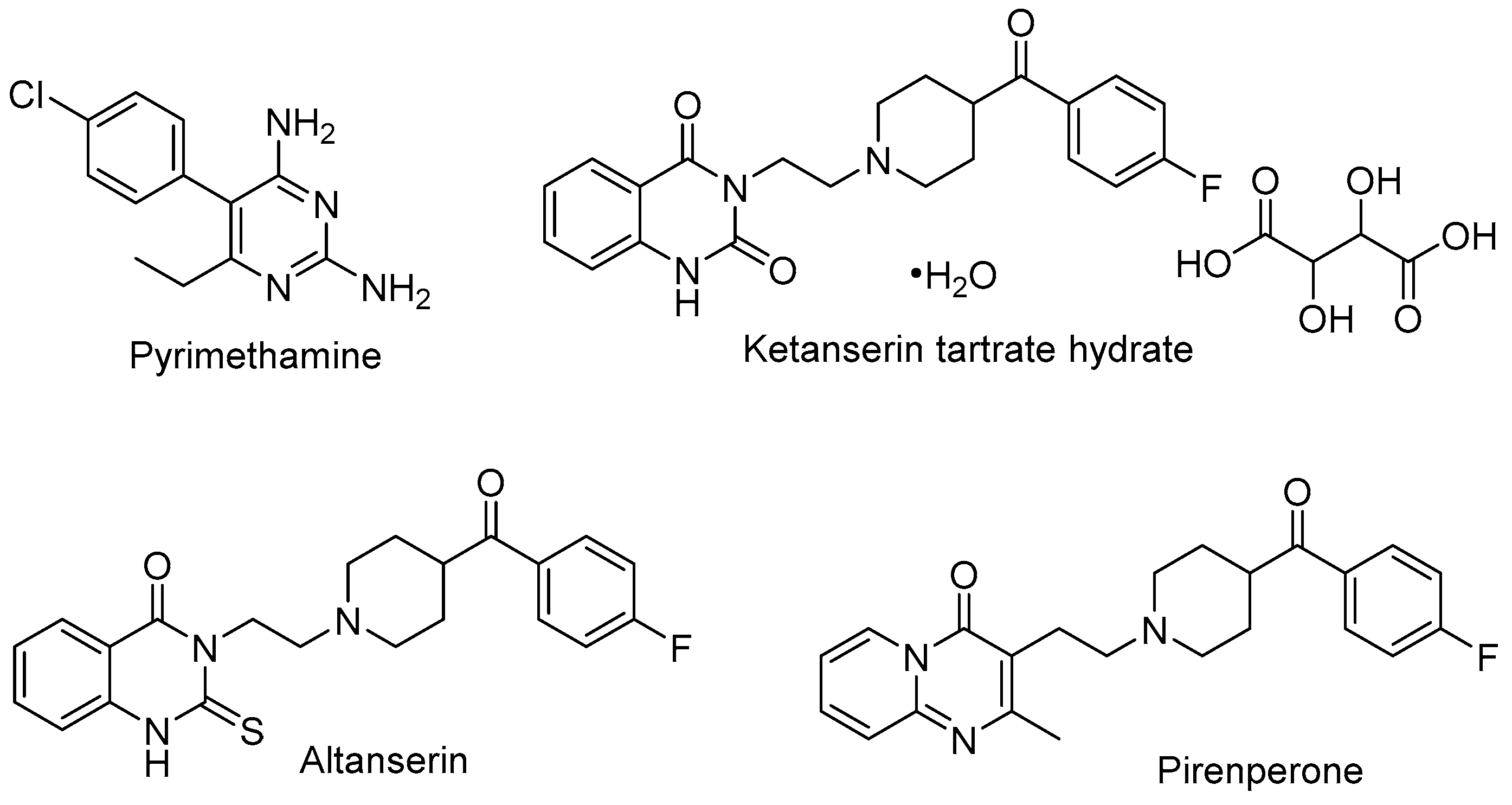
| pyrimethamine | VEEV P676-nsP1 Protein | 2.7 μM | 73.5% | [124] |
| ketanserin | VEEV P676-nsP1 Protein | 14.6 μM | 79.3% | [124] |
| pirenpirone | VEEV P676-nsP1 Protein | 39.6 μM | 44.6% | [124] |
| altanserin | VEEV P676-nsP1 Protein | 9.3 μM | - | [124] |
Disclaimer/Publisher’s Note: The statements, opinions and data contained in all publications are solely those of the individual author(s) and contributor(s) and not of MDPI and/or the editor(s). MDPI and/or the editor(s) disclaim responsibility for any injury to people or property resulting from any ideas, methods, instructions or products referred to in the content. |
© 2023 by the authors. Licensee MDPI, Basel, Switzerland. This article is an open access article distributed under the terms and conditions of the Creative Commons Attribution (CC BY) license (https://creativecommons.org/licenses/by/4.0/).
Share and Cite
Ogorek, T.J.; Golden, J.E. Advances in the Development of Small Molecule Antivirals against Equine Encephalitic Viruses. Viruses 2023, 15, 413. https://doi.org/10.3390/v15020413
Ogorek TJ, Golden JE. Advances in the Development of Small Molecule Antivirals against Equine Encephalitic Viruses. Viruses. 2023; 15(2):413. https://doi.org/10.3390/v15020413
Chicago/Turabian StyleOgorek, Tyler J., and Jennifer E. Golden. 2023. "Advances in the Development of Small Molecule Antivirals against Equine Encephalitic Viruses" Viruses 15, no. 2: 413. https://doi.org/10.3390/v15020413
APA StyleOgorek, T. J., & Golden, J. E. (2023). Advances in the Development of Small Molecule Antivirals against Equine Encephalitic Viruses. Viruses, 15(2), 413. https://doi.org/10.3390/v15020413