1. Introduction
Renewable energy systems are an essential alternative for meeting energy requirements, especially in countries that lack conventional energy resources. Moreover, conventional energy sources tend to be depleted, and their prices can increase dramatically; this situation has increased interest in the utilization of different types of renewable energy sources, particularly solar and wind energy. Renewable energies represent the best solution to the energy shortage and environmental problems currently facing our world. A single renewable energy source is often insufficient to meet the required power demand. Fluctuations in energy supply lead to intermittent power generation and may cause problems when supply continuity is required.
This problem can be avoided by combining more than one energy resource in a system (known as hybrid systems), enhancing load factors and reducing maintenance costs [
1]. The utilization of hybrid energy systems such as PV/Wind has gained significant attention for meeting electrical power demand while ensuring a less intermittent and more reliable electrical supply. Additionally, hybrid energy systems lead to substantial reductions in the total cost of energy generation.
Numerous software types. including HOMER, HOMER Pro, HOGA, PROLOAD, RET-Screen and MATLAB, are employed to optimize and design hybrid energy systems. Among these, HOMER and HOMER Pro are most commonly used by researchers worldwide. Indeed, HOMER software has been extensively used to optimize hybrid energy systems in the literature. Different hybrid energy systems that include renewable and nonrenewable sources have been extensively studied and analyzed. Two types of research have been reported regarding the optimization of hybrid energy systems. The first type considers off-grid systems, and the second type focuses on grid-connected systems. Many energy sources are combined together; these include two or more of the following resources: solar PV, wind, biomass, hydropower, geothermal, and diesel engines. Among the first category, substantial attention has been paid to the optimization of off-grid hybrid systems based on renewable resources using HOMER software. Off-grid hybrid energy systems depend on batteries to store excess electrical energy. The results indicate that off-grid hybrid renewable electrical systems are an optimal, cost-effective solution for ensuring electrical energy supply in remote areas [
2,
3,
4,
5,
6,
7,
8,
9,
10,
11].
Similarly, the optimization of on-grid hybrid energy systems has been extensively investigated in recent years. On-grid hybrid energy systems are the optimal option for areas close to the national electrical grid [
12,
13,
14,
15,
16,
17,
18]. The installation costs of on-grid systems are lower than those of off-grid systems since the costs of required materials are lower. The excess electrical energy produced is fed into the grid (virtual battery); thus, no investment is required in batteries. In addition, maintenance and repair costs are lower.
Another group of reported studies considered the optimization and analysis of both on- and off-grid hybrid energy systems [
19,
20,
21]. Comprehensive reviews of different hybrid energy systems in terms of cost and size optimization and prefeasibility analysis, conducted using Homer software, were carried out in [
22,
23,
24,
25,
26,
27]. A hybrid PV/Wind system for the Lafarge cement factory in Al-Tafilah, Jordan, was proposed in [
28]. Al-Odat et al. [
29] carried out a numerical investigation using HOMER Pro software to obtain an optimum on-grid hybrid PV/Wind system to deliver the required electrical power to a cement factory in Kuwait. The findings demonstrate that hybrid PV/Wind systems attain higher renewable penetration and lower LCOE in industrial sectors. In contrast to the Kuwait case study, which focused on smaller-scale, primarily PV-dominated installations, the Al-Tafilah system integrates a larger share of wind energy, resulting in a more balanced generation profile and improved reliability throughout the year. This comparison highlights the importance of tailoring hybrid system design to site-specific solar and wind resources to optimize technical and economic performance. Nwachukwu et al. [
30] presented a comprehensive and systematic review on the use of HOMER Pro software, highlighting its widespread application in optimizing hybrid renewable energy systems, particularly in emerging economies.
This review of the previous literature indicates that no previously reported research has addressed the optimization and analysis of a hybrid PV/Wind energy system for a megaproject in Jordan, thereby motivating the present investigation. In this research, we investigate the feasibility of creating a hybrid on-grid PV/Wind energy system for the Lafarge cement factory in Al-Tafilah, Jordan, using HOMER Pro software (Version 3.18.4). We develop and optimize an on-grid large-scale hybrid PV/Wind system using actual industrial load data, site-specific renewable energy resources, and detailed techno-economic analysis through HOMER Pro software. Furthermore, we evaluate renewable energy penetration, system reliability, excess electricity generation, environmental impact reduction, and sensitivity analysis to assess the robustness and applicability of the proposed system for industrial applications.
In this study, we present a novel techno-economic optimization of an on-grid hybrid PV/Wind system for a large cement factory in Al-Tafilah, Jordan, which has not previously been investigated. Unlike earlier PV-dominated or small-scale studies, it examines a high-capacity industrial configuration under real operating conditions. A comparative analysis of PV-dominant and wind-integrated cases is performed using HOMER Pro (Version 3.18.4) with long-term site-specific data. The results show that wind integration improves energy balance, reliability, and grid dependency reduction in arid regions.
2. Research Methodology
2.1. Methodology
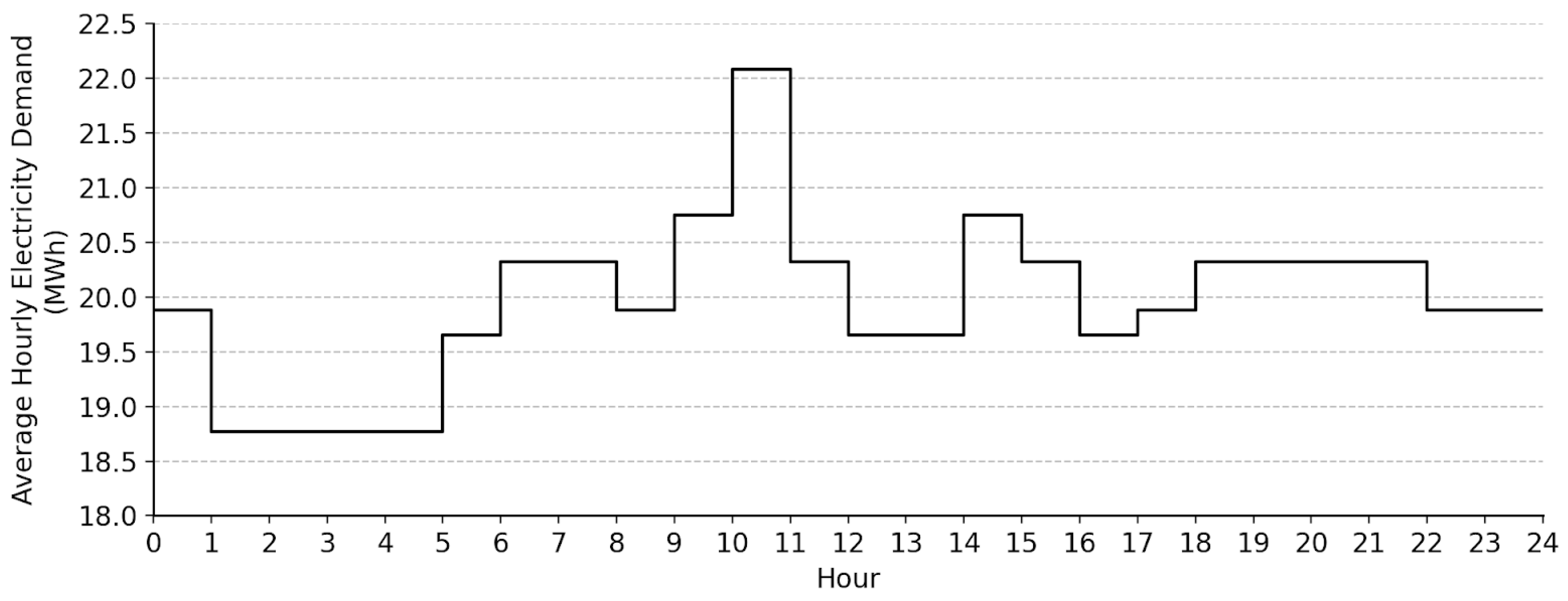
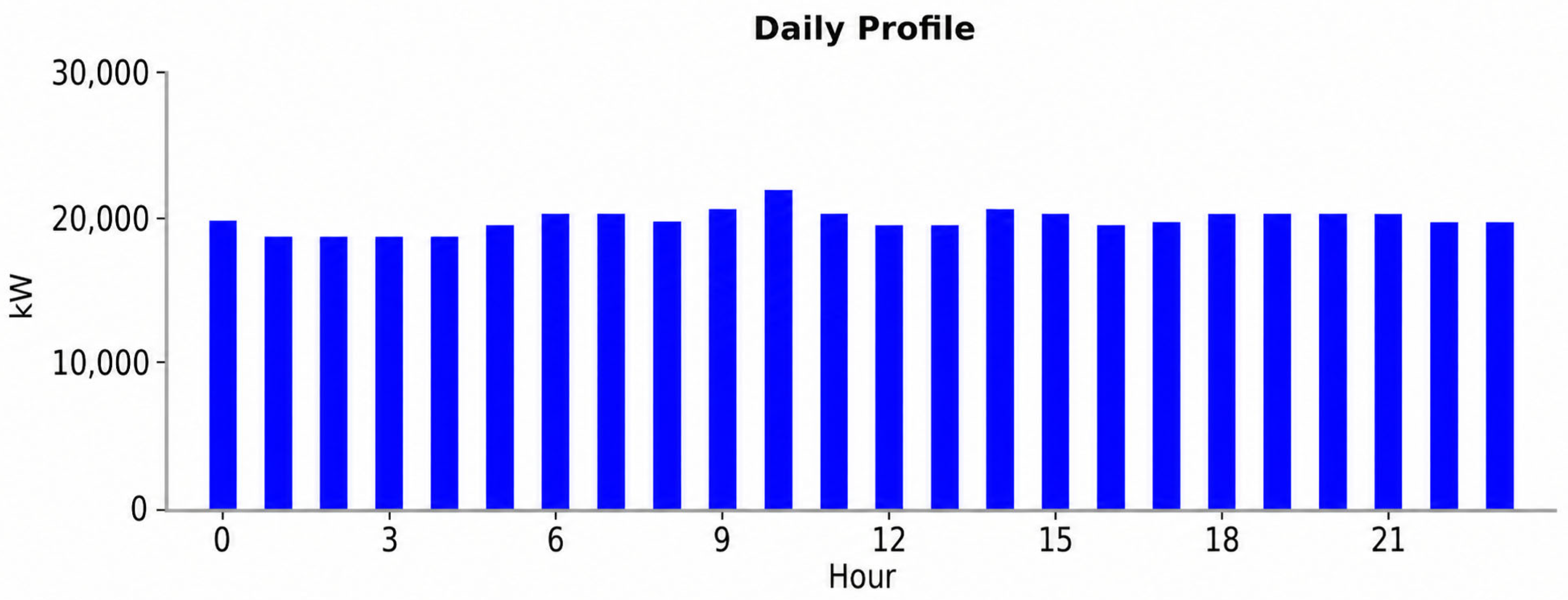
To tackle the intermittency and reliability issues resulting from use of a single renewable energy source, a hybrid PV/Wind grid-connected system was implemented in this study. The proposed methodology relied on combining solar PV and wind energy resources to improve the continuity and reliability of electrical power supply and reduce dependence on the national electrical grid. HOMER Pro software Version 3.18.4 was utilized to simulate, analyze, and optimize different hybrid system configurations under actual operating conditions. The adopted method included load profile analysis, the collection of solar radiation and wind speed data, techno-economic evaluation, sensitivity analysis, and the comparison of different hybrid system arrangements. The optimum system configuration was selected based on minimum net present cost (NPC), the lowest levelized cost of energy (LCOE), a high renewable energy fraction, and reliable system operation.
2.2. Wind Resource in Jordan
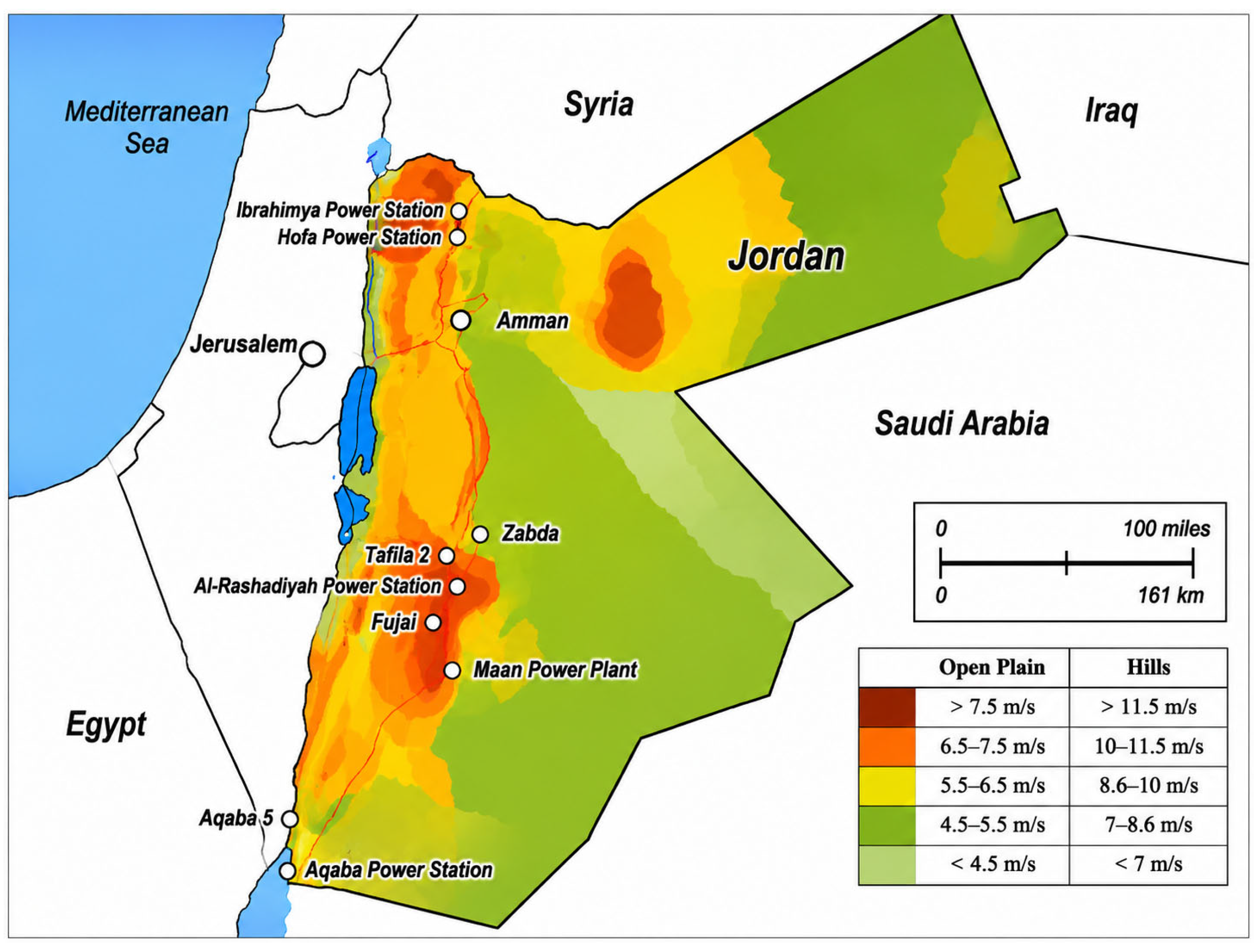
The Jordanian wind map depicted in
Figure 1 was sourced from Jordan’s wind atlas, which was established in 1987. Between 2001 and 2008, the National Energy Research Center (NERC) carried out a wind measurement campaign at Jordan’s potential sites at various heights (10, 30, 40, 50, and 60 m above ground level) to obtain more reliable wind data, especially wind speed and direction. Following a study of grid expansion, wind potential, and electricity substations, seven locations were chosen in three regions: north (Hofa, Ras-Monief, and Ibrahimya), middle (Zabda and Tafila), and south (Aqaba 5 and Fujaij).
Table 1 shows geographic information about the chosen sites. The selected sites and the closest power plants are depicted in
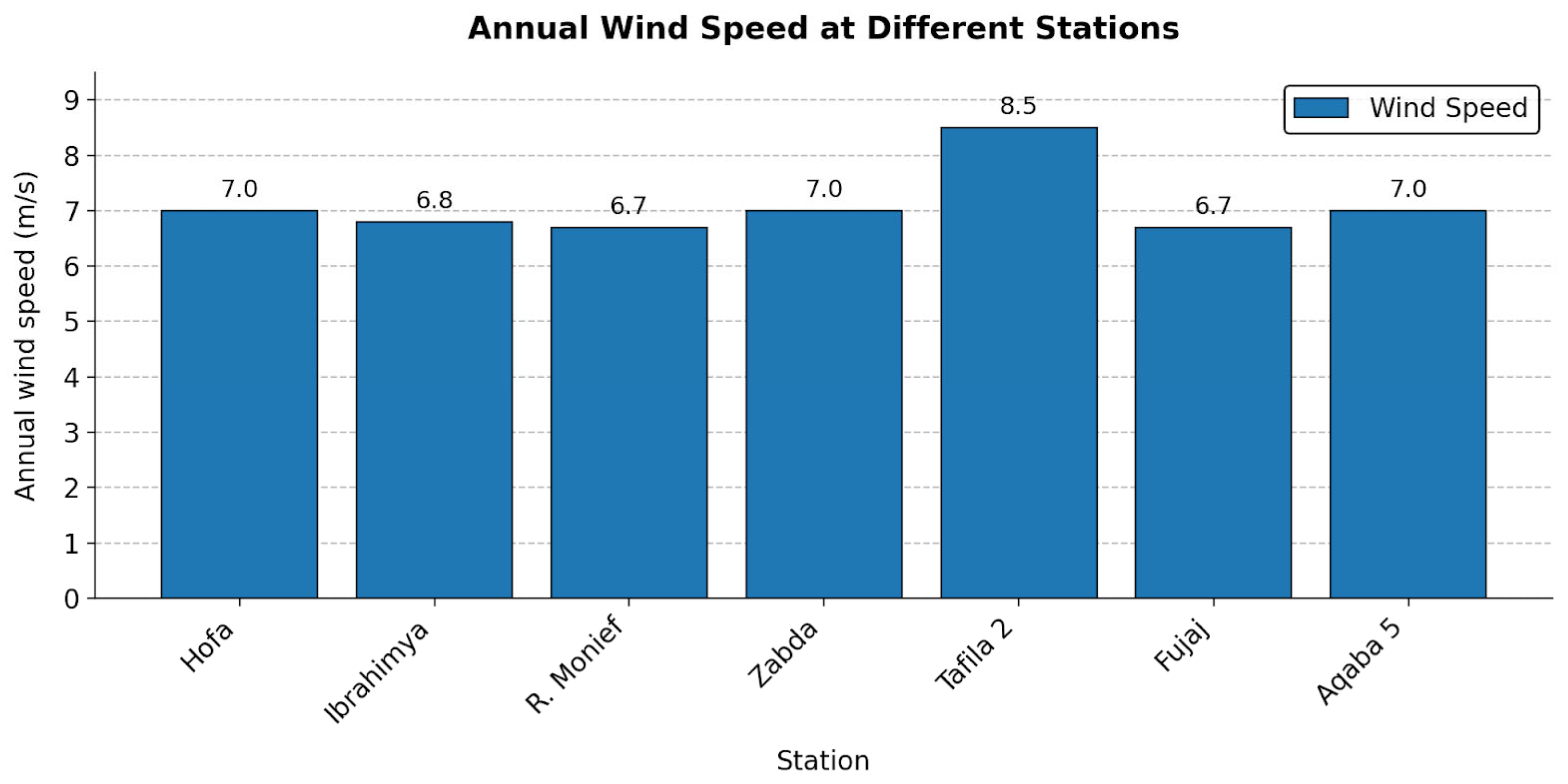
Figure 2. The wind data were monitored throughout the period from 2002 to 2008. The annual mean wind speeds for all sites are depicted in
Table 2. The average wind speeds for all examined sites exceed 6.5 m/s. The windiest stations at Hofa, Zabda, and Tafila show annual average wind speeds exceeding 7 m/s.
All considered sites are feasible for wind energy investment. Tafila possesses the highest wind energy potential and was, therefore, selected as the study site for this investigation.
2.3. Solar Resources in Jordan
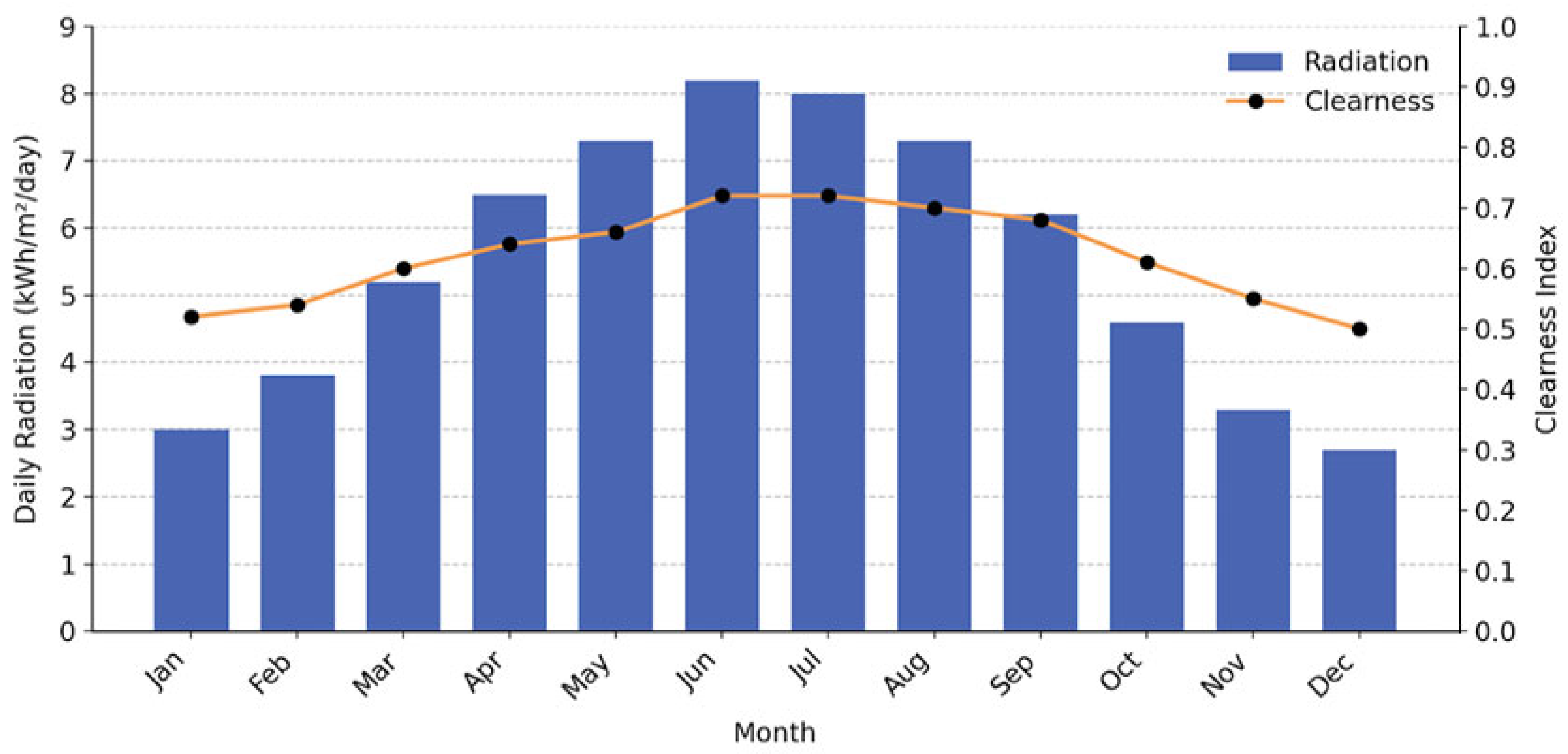
The electrical power generated from PV systems depends mainly on the solar radiation intensity of the selected sites. Actually, there is a shortage of solar irradiance data, which is a critical challenge. Even in countries with significant solar resources, such as Jordan, the presence of a limited number of weather stations means that we must record detailed solar irradiance for a long period for data to be statistically significant. The Jordan Meteorological Department (JMD) provided data for monthly average solar irradiance on a horizontal surface for 10 sites to estimate solar irradiance over the entire country.
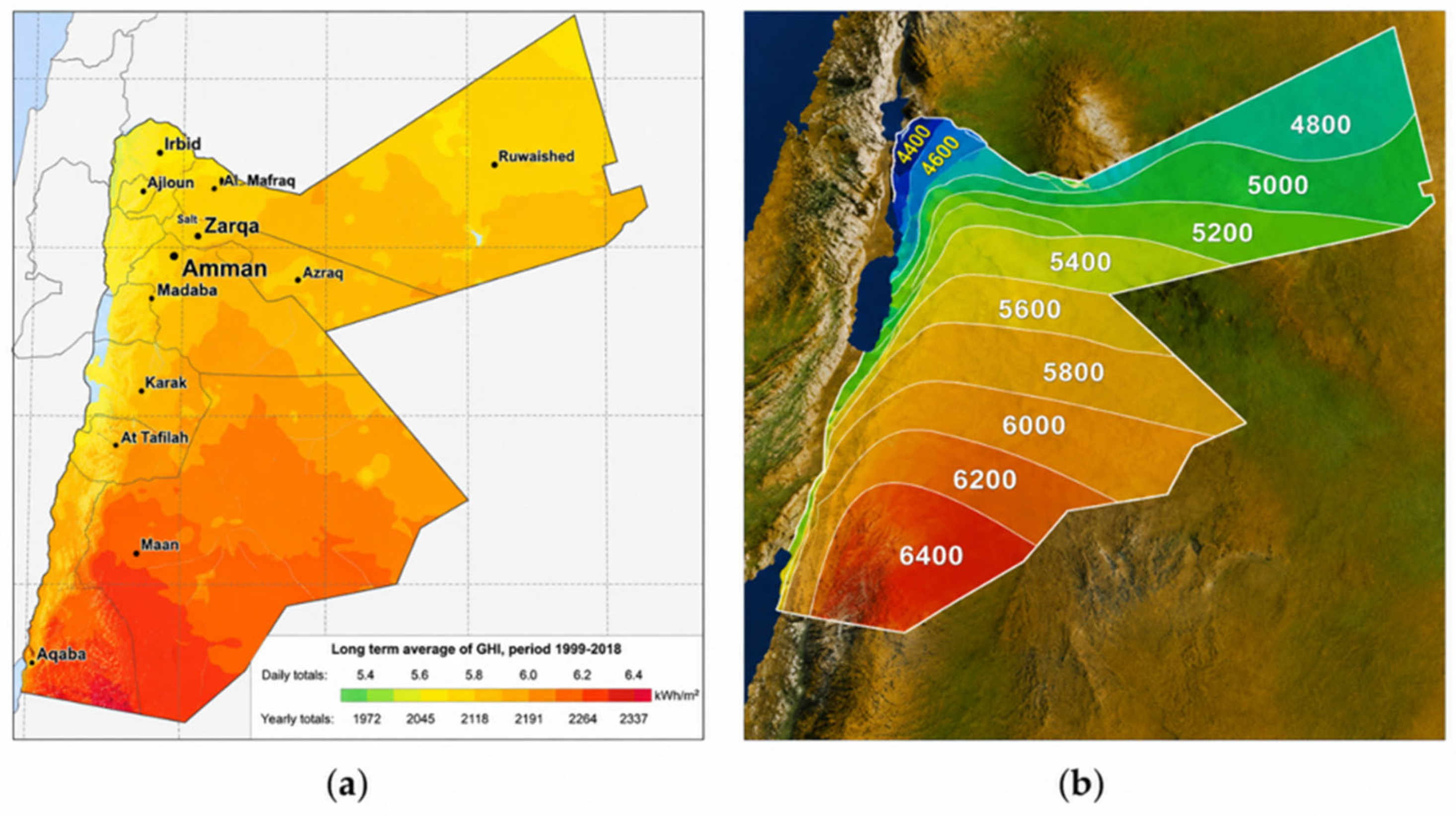
Figure 3a demonstrates the solar map of Jordan. The annual average solar irradiance in Jordan is excellent as the average solar irradiance varies from
on a horizontal surface; this value averages at approximately
as shown in
Figure 3b. In most areas of the country, the average value is around 6 kWh/m
2/day, indicating that Jordan is one of the promising regions for solar energy applications.
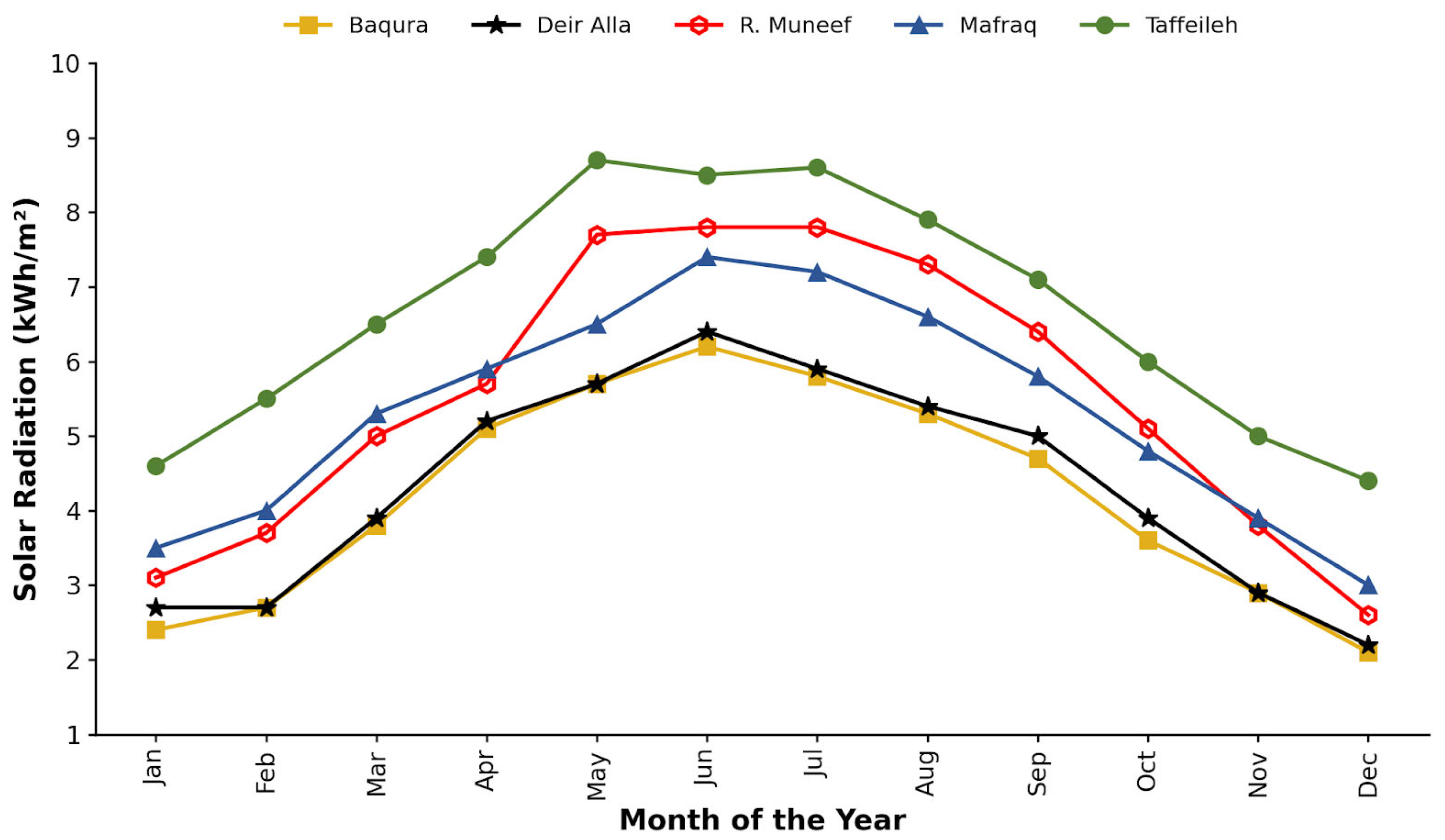
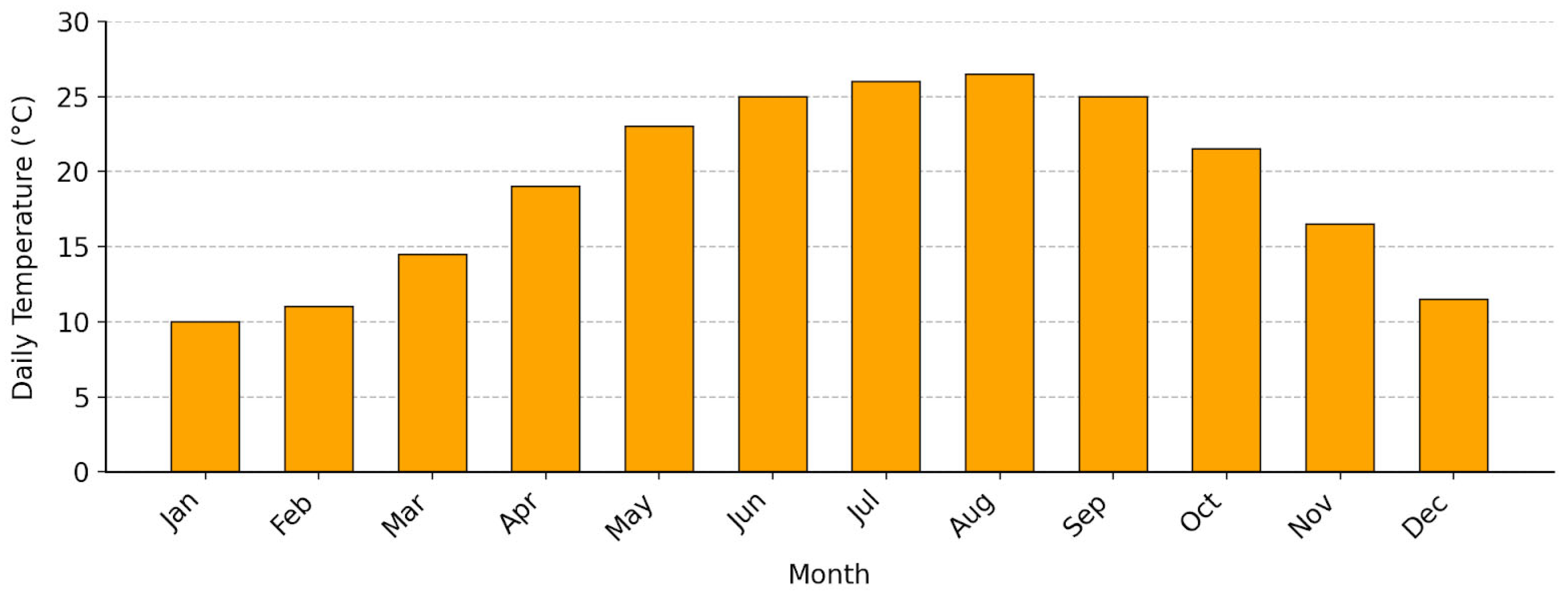
Figure 4 demonstrates the monthly average solar irradiance in Jordan. Jordan has a high solar radiation potential all year-round, accompanied by a moderate ambient air temperature and low levels of dust and humidity. Therefore, the electrical conversion efficiency of PV modules will be satisfactory. Additionally, the months of May to August have the highest values for solar radiation, which is consistent with the load on the national grid.
2.4. Modeling Software—HOMER Pro
The optimization and eco-technical analysis of hybrid renewable energy systems can be carried out utilizing various types of software. HOMER Pro is a highly reliable and powerful tool for designing optimal renewable systems. HOMER is a computer program that helps designers to configure, simulate, evaluate, and optimize different designs for electricity generation systems with different loads. HOMER-PRO was developed in the United States by the National Renewable Energy Laboratory (NREL). HOMER has been used to define, design, and model hybrid power generation systems for reliably meeting rural communities’ electricity demand while ensuring continuity, quality, and energy security. As a result, knowledge of the research area’s electricity demand, as well as the possible availability of solar irradiance and wind from each location, is required.
The main stages of the methodology used for electrification using hybrid PV/Wind system energy can be summarized as follows:
Identify and analyze the electrical energy demand.
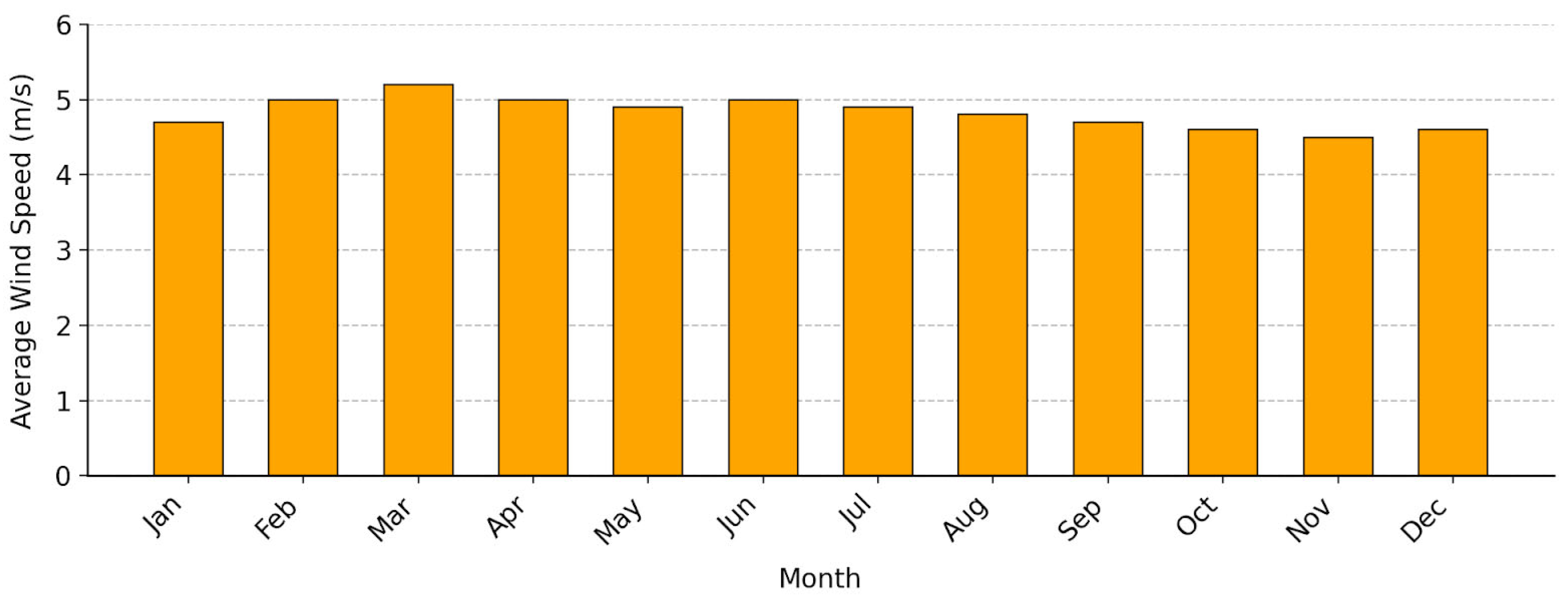
Examine the solar irradiance and wind potential at the factory’s site using Excel sheets and HOMER software.
Carry out a financial–technical evaluation of the hybrid energy system for electrification at the selected site.
Conduct simulations, optimizations, and comparative analysis of different hybrid system arrangements using HOMER Software to ensure the provision of electricity to the Lafarge cement factory at Al-Tafilah.
Select the hybrid system arrangement option that best meets the electricity demand of the factory in terms of reliability and low cost.
In this study, we extend HOMER Pro optimization by using high-resolution industrial load data and long-term site-specific solar and wind resources in southern Jordan. Unlike previous research based on synthetic loads, it applies real cement factory consumption data. The grid-connected model excludes batteries, enabling the direct assessment of renewable penetration and export potential.
2.5. Technical Specifications of System Components
The hybrid renewable energy system considered in this study consists of PV modules, wind turbines, and a power conversion system. The system configuration and component parameters were defined via HOMER Pro based on commercially available technologies and region-specific resource conditions in Jordan.
The PV system was modeled utilizing flat-plate crystalline silicon PV modules. The module efficiency was assumed to be 16–19%, while a derating factor of 80–90% is implemented to account for temperature effects, dust accumulation, wiring losses, mismatch losses, and long-term degradation under Jordanian climatic conditions [
31].
The wind energy system consists of a utility-scale wind turbine. The turbine performance was represented using manufacturer power curve data available in HOMER Pro. A hub height of 50 m was adopted based on the wind resource characteristics of the Tafila region. The vertical wind speed variation was modeled using the standard power-law wind shear profile with a suitable shear coefficient consistent with semi-arid climate conditions.
A bidirectional power converter was established to ensure appropriate AC/DC power conversion and system integration between the renewable sources and the grid. The converter efficiency was assumed to be 95–98%, aligned with updated high-efficiency inverter technologies.
All cost-related parameters, including capital cost, replacement cost, component lifetime, and operation and maintenance cost, were achieved from the HOMER Pro database and adjusted to reflect local market conditions in Jordan. The overall project lifetime was assumed to be 25 years, with annual operation and maintenance costs considered for both PV and wind systems.
The economic analysis was based on a 25-year project lifetime, a fixed real discount rate as per HOMER Pro standards, and an assumed rate of inflation. The grid electricity tariff and net-metering conditions were included to estimate imported and exported energy. These financial parameters ensured consistency in economic modeling and enhanced the transparency, comparability, and reproducibility of the results.
4. Results and Discussion
The results presented in this section were obtained via simulation and optimization performed using HOMER Pro software based on the input data described in
Section 2.1. The model evaluates different possible system configurations by combining various sizes of photovoltaic arrays, wind turbines, and power electronic converters under the specified load profile and renewable resource conditions. For each configuration, HOMER Pro performs hourly time-step simulations over the project lifetime to calculate the technical performance and economic indicators, such as the net present cost (NPC) and levelized cost of energy (LCOE). The software then compares and ranks all feasible configurations and selects the optimal system based on minimum cost, high renewable energy fraction, and reliable system operation. The achieved results are additionally analyzed in terms of energy production, excess electricity, unmet load, and overall system performance under real operating conditions.
The present hybrid PV/Wind energy strategy is not limited to the case study of the Lafarge cement factory in Al-Tafilah; rather, it can be extended and applied to other industrial sectors and geographical locations with similar energy demand characteristics. The adopted methodology based on HOMER Pro optimization is a general framework that depends on site-specific input data such as solar irradiance, wind speed, load profile, and electricity tariff. Therefore, the same approach can be transferred to other cement plants or energy-intensive industries by updating the local resource data and load requirements. In addition, the grid-connected hybrid configuration without storage can be considered a practical solution for regions with strong renewable resources and reliable grid infrastructure. However, the optimal system sizing and energy mix will vary from one location to another depending on resource availability and economic conditions. This confirms that the proposed strategy is flexible, scalable, and adaptable for different industrial applications rather than being limited to a single case study.
In the same regional context, the Kingdom of Saudi Arabia (KSA) represents a relevant extension for the proposed optimization strategy because of its strong solar resources, promising wind potential, and rapidly expanding renewable-energy deployment under Vision 2030 [
32,
33]. Recent Saudi studies have identified suitable locations for large-scale PV, wind, and hybrid PV/wind systems, while operational projects such as the Sakaka PV plant and Dumat Al-Jandal wind farm demonstrate the practical implementation of these technologies in the Kingdom [
33]. Moreover, HOMER-based Saudi case studies have shown that optimized hybrid renewable systems can reduce NPC, LCOE, and emissions while maintaining reliable power supply [
34]. Accordingly, the present Jordanian cement-factory case study provides a practical and scalable reference for future grid-connected PV/wind applications in Saudi cement plants and other energy-intensive industrial facilities, subject to site-specific recalibration of renewable resources, load demand, grid conditions, and economic parameters.
4.1. Hybrid Energy System Configuration
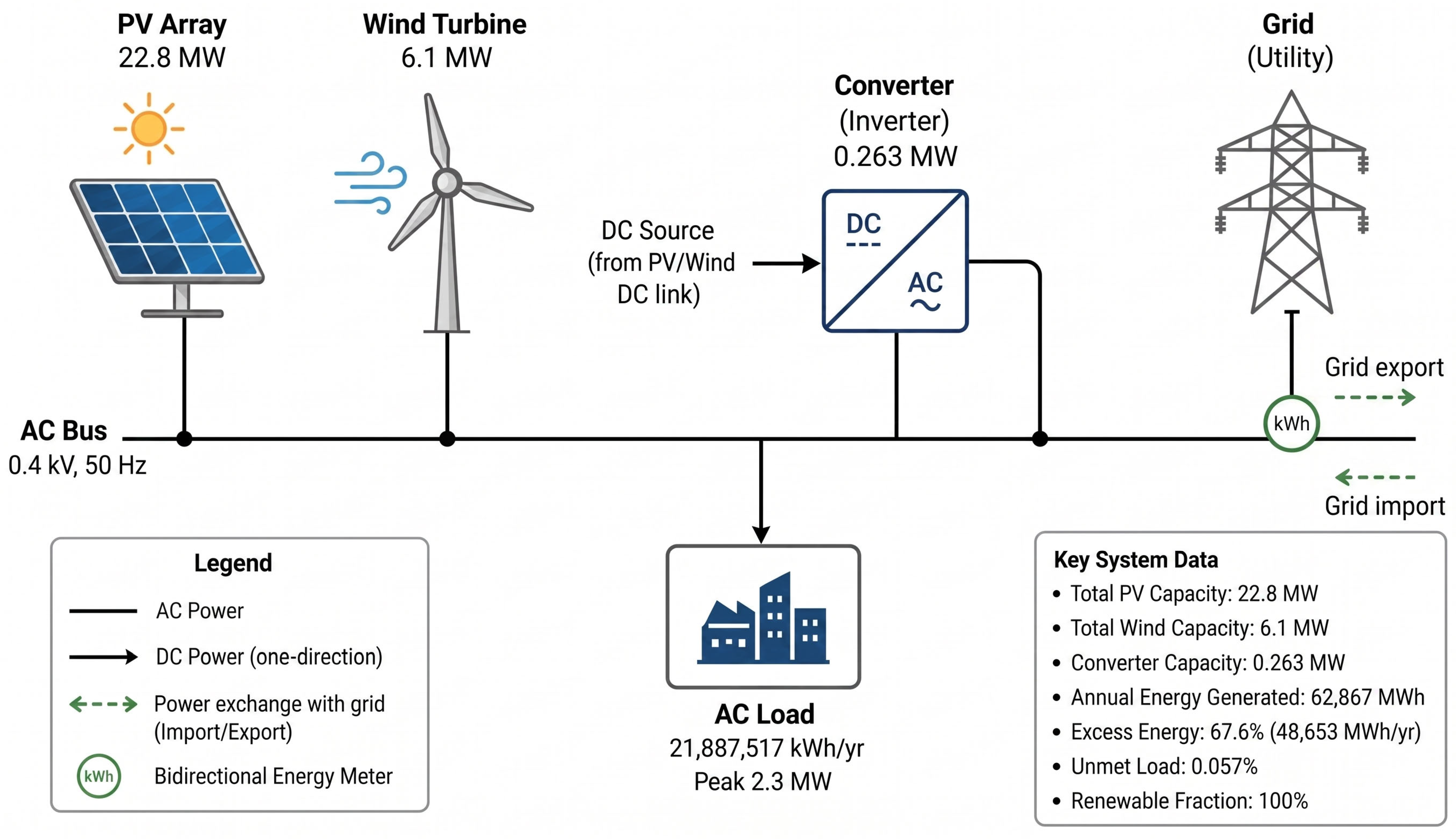
Figure 10 shows the proposed system’s overall component configuration and its HOMER model. For numerous sensitivity value ranges of generation capacity, finance prices, wind speed, and solar irradiation, the software setup comprises all simulations and alternative arrangements tested for solar PVs and wind turbines. Accordingly, HOMER Pro evaluates multiple system configurations and optimization scenarios by combining different sizes of photovoltaic (PV) arrays and wind turbines. This approach allows a comprehensive comparison of possible design alternatives under varying environmental and economic conditions. The obtained simulation outcomes provide deeper insight into the system behavior, particularly the influence of resource availability and cost fluctuations on optimal techno-economic performance. Moreover, the sensitivity analysis highlights the robustness of the proposed hybrid system and its ability to maintain reliable operation at different renewable energy penetration levels.
The grid-connected system is modeled under a net-metering assumption, in which surplus electricity generated by the PV/Wind hybrid system is exported to the utility grid and credited at the prevailing electricity tariff. Accordingly, excess electricity is not treated as energy loss but as exported energy that contributes positively to the overall economic performance of the system. This modeling assumption justifies the high renewable penetration and apparent PV oversizing observed in the optimal configuration, as the exported energy enhances cost-effectiveness and reduces the net electricity import from the grid.
4.2. Techno-Economic Analysis of Al-Tafilah Region
Each categorized scenario was thoroughly discussed in the techno-economic analysis of the present system with regard to the technical and economic parameters resulting from the simulation procedures. After that, the optimal scenario, which meets demand at the lowest cost, was chosen for further investigation. The costs for the proposed system in Al-Tafilah are depicted in
Table 3 as the net present cost (NPC), the levelized cost of electrical energy (LOCE), and operation and maintenance (O&M) costs.
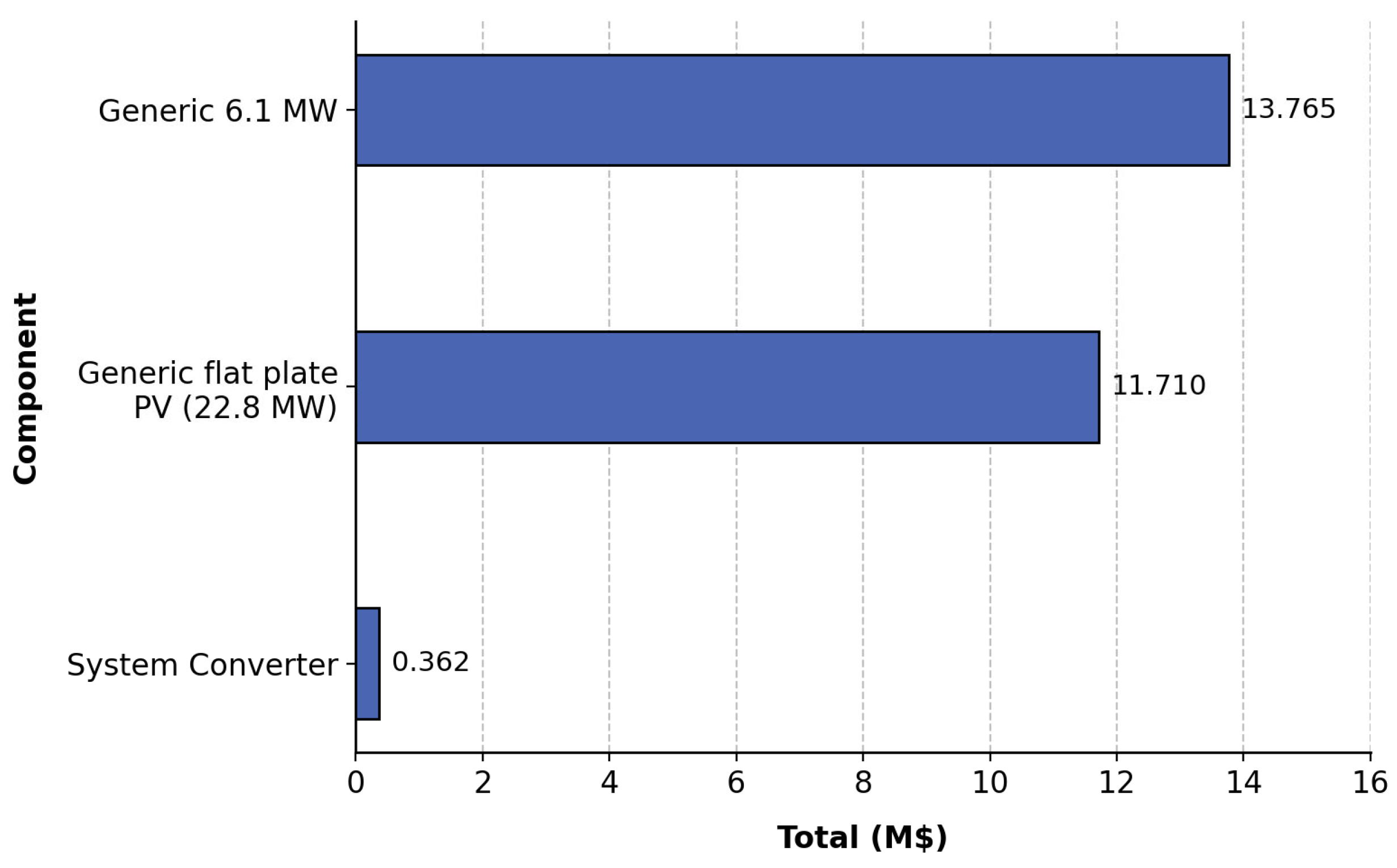
The capital, replacement, and operation and maintenance costs are illustrated in
Figure 11 and
Table 4, respectively. The overall capital cost, total replacement cost, and total operation and maintenance cost of the system were USD 20.06 million, USD 6.95 million, and USD 0.58 million, respectively. In comparison, the total replacement cost was relatively low, amounting to USD 6.95 million, which reflects the long operational lifetime of the main system components and the limited need for mid-life replacements. Moreover, the total operation and maintenance cost was USD 0.58 million, indicating a moderate running cost associated with system maintenance and operational management over the project life cycle.
In general, the cost distribution demonstrates that the hybrid solar/wind energy system has high initial capital intensity with lower replacement and O&M costs. This cost structure is typical for renewable-based hybrid energy systems and further supports their long-term economic viability.
Table 5 illustrates the quantity of energy generated via solar modules and wind turbines. Solar energy accounts for 68.7% of total production, while wind energy accounts for 31.3%.
The proposed system differs from previous hybrid energy systems in three aspects: (i) its application to a large-scale cement industry with continuous high energy demand, (ii) the integration of a significant wind power share with solar PV under Jordanian conditions, and (iii) achieving high renewable penetration in a grid-connected industrial setup. It improves energy balance, reliability, and cost performance compared to PV-dominant systems.
The unmet load and capacity shortage values achieved in this study are 0.057% and 0.1%, respectively, which reflect a system with high reliability. As per IEEE reliability standards and HOMER optimization criteria, the accepted reliability should be kept within a 1–5% range for industrial and grid-connected hybrid renewable energy systems. Thus, the obtained values in the proposed PV/Wind system are significantly lower than the commonly accepted industrial limits, confirming that the system satisfies the reliability requirements of large industrial electrical loads such as cement manufacturing facilities.
The very low unmet load percentage demonstrates that the proposed hybrid system can continuously satisfy the factory’s electrical demand with minimal risk of interruption, while the negligible capacity shortage further confirms the adequacy of the selected system sizing and configuration. These findings indicate that the optimized system achieves excellent operational reliability and is technically suitable for industrial-scale applications under real operating conditions.
Table 6 illustrates the key performance indicators of the proposed PV/Wind hybrid system and their benchmarks using data from global studies. Overall, the proposed system characteristics indicate excellent reliability and sizing. The comparison with global benchmarks shows that our system is fully renewable and highly reliable and reflects typical values observed in well-designed PV-dominated energy systems.
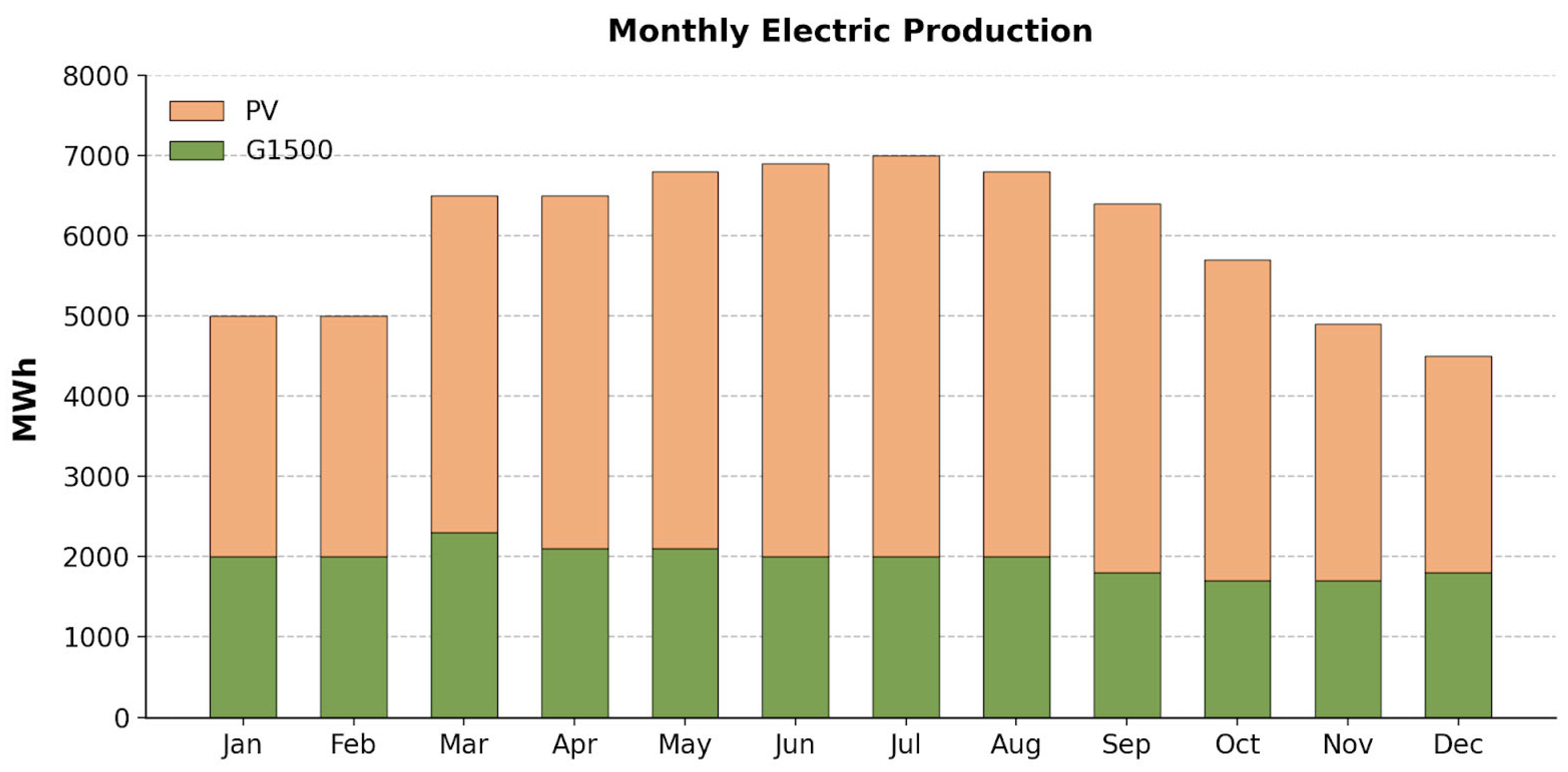
Figure 12 displays the system’s monthly power production from both PV and wind sources. The productivity of the wind turbine is almost constant throughout the year. In contrast, the PV array exhibits significant seasonal variability in its electrical productivity. Higher energy generation is observed during the summer months, attributed to increased solar irradiance and longer daylight hours, while a noticeable reduction occurs during winter due to lower irradiance levels and shorter solar exposure periods. This complementary behavior between wind and solar resources enhances the overall reliability of the hybrid system by partially compensating for seasonal fluctuations in individual energy sources.
4.3. Environmental Impact
The implantation of the proposed hybrid PV/Wind system not only reduces dependence on fossil fuels but also contributes to Jordan’s environmental sustainability goals by significantly reducing greenhouse gas emissions. The environmental benefits of the presented hybrid PV/Wind system can also be quantified by calculating the reduction in greenhouse gas emissions relative to the conventional grid-based electricity supply. The annual
CO2 emission reduction was calculated based on total renewable electricity generation and the emission factor of the electricity.
CO2 emission reduction was computed using the following equation:
where
is the annual energy production of the hybrid system (71.94 GWh = 71,940 MWh), and
is the grid emission factor (kg
CO2/kWh).
Based on the Jordanian electricity generation mix, an emission factor of approximately 0.50 kg
CO2/kWh (0.5 t
CO2/MWh) was adopted from regional energy and environmental reports. Substituting the values into the equation, we identified the following results:
representing approximately 36,000 tons of
CO2 per year.
This approach assumes that all generated renewable electricity directly displaces grid electricity with the equal emission intensity, which is a standard assumption in HOMER-based environmental assessments.
In terms of policy, through this research, we have enhanced national plans supporting renewable energy integration and shown the cost-effectiveness of promoting hybrid PV/Wind systems on an industrial scale. The outcomes of this study can guide decision-makers in developing legislation and investment strategies to expedite the shift toward cleaner energy in the industrial sector.
4.4. Sensitivity Analysis and Robustness Assessment
A comprehensive sensitivity analysis was carried out to assess the effects of key uncertain factors on the optimal configuration and techno-economic performance of the present hybrid PV/Wind power system. The analysis focused on three critical variables, namely solar irradiance, wind speed, and electricity tariff, as these parameters have a direct impact on renewable energy production, system sizing, and overall economic feasibility.
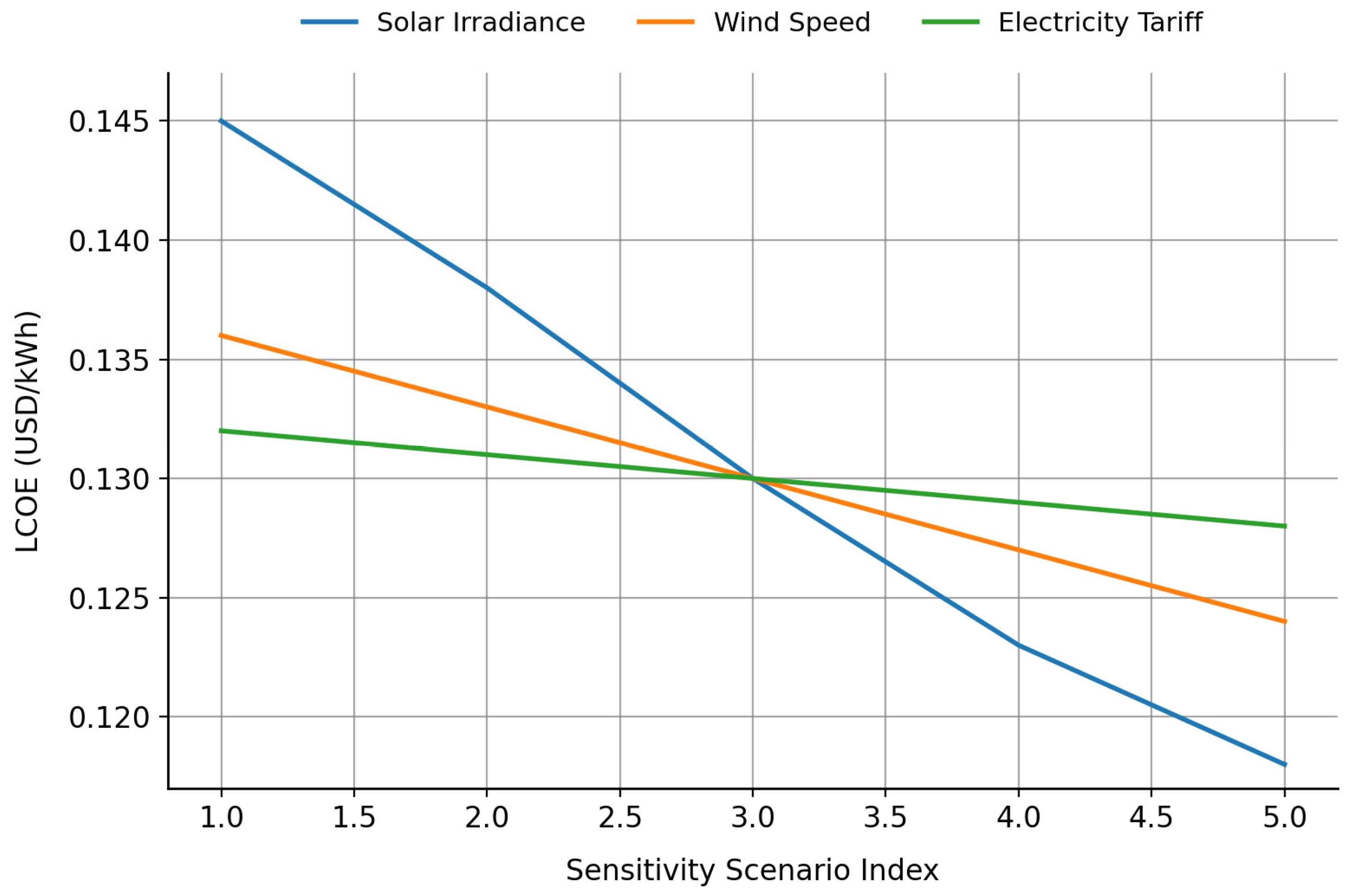
Figure 13 depicts the sensitivity analysis results of the optimized grid-connected hybrid PV/Wind system under variations in solar irradiance, wind speed, and grid electricity tariff.
For solar irradiance variation (5.0–7.0 kWh/m2/day), the results show a gradual decrease in LCOE and NPC with increasing solar availability due to higher PV energy output and improved system efficiency. The optimal PV capacity remains dominant under all solar scenarios, while wind contribution remains relatively stable.
For wind speed variation (5.5–7.5 m/s at 50 m hub height), an increase in wind speed results in a noticeable improvement in wind turbine capacity factor, leading to a moderate reduction in LCOE and a slight redistribution of the energy share between PV and wind components. However, the overall system configuration remains stable, confirming the robustness of the optimization results.
For electricity tariff variation (0.14–0.22 USD/kWh), the economic performance of the system is highly sensitive. Higher tariffs significantly improve the competitiveness of the hybrid system, resulting in lower NPC and faster economic payback, while lower tariffs slightly reduce the economic advantage but do not affect technical feasibility. In all cases, the system remains fully renewable with minimal variation in reliability indicators.
Overall, the figure demonstrates that the proposed hybrid PV/Wind system maintains stable performance across all considered scenarios, confirming its technical robustness and economic adaptability under different environmental and market conditions.
A detailed parametric sensitivity analysis was carried out to quantify the effect of variations in solar irradiance, wind speed, and electricity tariff on the optimal hybrid system configuration.
Table 7 presents a summary of the resulting changes in key techno-economic indicators. The results show that PV capacity varies moderately with solar resource availability, while wind capacity is more sensitive to wind speed changes. Economic performance is dramatically influenced by electricity tariff variations, where higher tariffs reduce LCOE and NPC. Regardless of these variations, the system keeps a 100% renewable fraction and very low unmet load, confirming high reliability and stability under different climate and economic conditions.
5. Conclusions
In this article, we present a size and cost optimization of a hybrid PV/Wind renewable energy system for meeting the energy demand of Lafarge cement factory located in Al-Tafilah, Jordan, using HOMER Pro software. The findings show that PV contributes 68.7% and wind contributes 31.3% of total energy production. The results obtained from the optimization give an initial capital cost of USD 20.06 million, while the operating cost is 0.58 million USD/year. The total net present cost (NPC) is USD 25.827 million, and the cost of energy (COE) is 0.13 USD/kWh.
The proposed hybrid system is more cost-efficient than Jordan’s national power grid, as its cost is 0.13 USD/kWh, while that of Jordan’s national electricity grid is 0.18 USD/kWh. This emphasizes the cost-competitiveness of the proposed hybrid system relative to conventional electricity supply. Moreover, the system reduces greenhouse gas emissions by approximately 36,000 tons/CO2 per year, which in turn supports progress towards environmental sustainability targets.
The findings of this study were compared with recent regional and international research to examine similarities, differences, and the unique contributions of the proposed hybrid system in the Jordanian industrial sector.