


Article

Influence of FinTech Paylater, Financial Well Being, Behavioral Finance, and Digital Financial Literacy on MSME Sustainability in South Sumatera


by
Endah Dewi Purnamasari
1,*,
Leriza Desitama Anggraini
1 and
Faradillah
2
1
Faculty of Economics, Universitas Indo Global Mandiri, Palembang 30129, Indonesia
2
Faculty of Computer and Science, Universitas Indo Global Mandiri, Palembang 30129, Indonesia
*
Author to whom correspondence should be addressed.
J. Risk Financial Manag. 2025, 18(12), 682; https://doi.org/10.3390/jrfm18120682 (registering DOI)
Submission received: 7 October 2025 / Revised: 14 November 2025 / Accepted: 19 November 2025 / Published: 2 December 2025
(This article belongs to the Special Issue The Role of Financial Literacy in Modern Finance)

Abstract

This study examines the influence of FinTech Paylater, Financial Well Being (FW), Behavioral Finance (BF), and Digital Financial Literacy (DFL) on the sustainability of Micro, Small, and Medium Enterprises (MSMEs) in South Sumatera, Indonesia. Using a quantitative explanatory design, data from 563 MSME owners were collected through a structured questionnaire and analyzed using Structural Equation Modeling–Partial Least Squares (SEM–PLS). The results show that FinTech Paylater, FW, BF, and DFL have positive and significant effects on MSME sustainability, with DFL emerging as the strongest predictor. Paylater services support sustainability by improving liquidity and access to short-term financing, while FW enhances financial stability and resilience. BF shapes financial decision-making through behavioral control and risk awareness. The integrated model explains 61% of the variance in MSME sustainability and demonstrates that digital capability and psychological factors jointly determine whether FinTech is used productively or consumptively. The findings provide theoretical contributions to the literature on FinTech and MSME sustainability and offer practical implications for policymakers and FinTech providers in designing targeted Digital Financial Literacy programs and responsible Paylater schemes for MSMEs in emerging economies.

1. Introduction

Micro, Small, and Medium Enterprises (MSMEs) represent the backbone of the national economy, contributing 61.07% to Indonesia’s Gross Domestic Product (GDP) and absorbing 97% of the total national workforce (Badan Pusat Statistik, 2024). More than 65.5 million MSME units actively operate across Indonesia, making them the primary drivers of economic growth, particularly in the trade, culinary, and service sectors (Kementerian Koperasi dan UKM Republik Indonesia, 2024). Despite their dominant role, most MSMEs continue to face limited access to formal financing and suboptimal utilization of digital financial technologies.
At the national level, the strategic role of MSMEs goes beyond short-term economic contributions, as they function as key mechanisms for poverty reduction, employment creation, and regional development in an emerging economy such as Indonesia. However, the sustainability of MSMEs is increasingly challenged by digital disruption, heightened competition, and structural vulnerabilities in access to finance. These conditions make it essential to not only recognize MSMEs macroeconomic importance but to also understand how their long-term sustainability can be strengthened through the effective use of digital financial services and improved financial capability.
Digital transformation has become an urgent necessity for MSMEs to survive and remain competitive in the digital economy era. (Kementerian Perdagangan Republik Indonesia, 2023) reported that approximately 22 million MSMEs (33.6%) have digitized their business processes, although only a small portion have optimized the use of digital financial services. In South Sumatera Province, data from the (Al-Shami et al., 2024) show that only about 30% of MSMEs have adopted digital financial technologies such as FinTech Paylater or online financing platforms. This situation indicates a persistent digital divide that directly affects business sustainability.
According to the Financial Services Authority (OJK, 2023) the number of FinTech Paylater contracts in Indonesia reached 72.88 million in 2023, increasing by 119% compared to the previous year, with a transaction value of IDR 33.6 trillion. This remarkable growth demonstrates that Paylater has become one of the most preferred alternative financing solutions among consumers, including MSME actors. FinTech Paylater provides a rapid, collateral-free financing solution that maintains liquidity and accelerates business cash flow turnover (Thakor, 2020; Ozili, 2018).
South Sumatera presents a unique socio-economic landscape where MSMEs exhibit rapid digital adoption but still face pronounced gaps in financial capability. Although Paylater transactions nationwide reached 72.88 million in 2023, only around 30% of MSMEs in South Sumatera have adopted digital financial services. This disparity reflects not only infrastructure issues but also persistently low financial literacy levels. According to (OJK, 2022) national Digital Financial Literacy remains below 38%, increasing the risk that Paylater facilities are used for consumptive rather than productive purposes. This condition underscores the need to examine Paylater within a literacy-deficit context, particularly in regions like South Sumatera where digital financial behavior diverges from national trends
However, the increase in Paylater usage has not always been accompanied by improved Financial Well Being among users. The National Financial Literacy Survey (OJK, 2022) revealed that Indonesia’s financial literacy rate remains at 49.68%, while Digital Financial Literacy is below 38%. The low level of Digital Financial Literacy (DFL) has led some business owners to use Paylater services for consumptive rather than productive purposes, potentially resulting in default risks and cash flow disruptions (Setiawan & Nugroho, 2022).
Beyond literacy, Behavioral Finance (BF) also plays a critical role in determining the successful use of financial technology. Empirical studies by Lee and Shin (2018) emphasize that financial decisions are often influenced by psychological biases such as overconfidence, loss aversion, and anchoring, which cause MSME actors to overlook long-term risks. Similarly, (Cheng, 2017) explain that the adoption of FinTech can only yield optimal benefits when accompanied by behavioral control and the rational understanding of risk.
Furthermore, Financial Well Being (FW) serves as a crucial element linking financial literacy and behavioral decision-making. Netemeyer et al. (2018) define FW as a state of subjective and objective financial stability, reflecting an individual’s ability to manage cash flow, meet obligations, and achieve long-term economic goals. MSME owners with higher levels of FW tend to be more selective in taking loans and demonstrate stronger financial resilience against economic fluctuations (Joo & Grable, 2004).
These findings suggest a strong interrelationship among FinTech Paylater (FP), Financial Well Being (FW), Behavioral Finance (BF), and Digital Financial Literacy (DFL) in shaping MSME sustainability (SU). However, previous empirical studies tend to examine these constructs in a fragmented manner, focusing separately on FinTech adoption, financial literacy, or Financial Well Being. Only a limited number of studies attempt to integrate these four dimensions into a single analytical framework, particularly in the context of MSMEs in emerging economies.
In addition to the regional gap, a broader theoretical gap remains evident in the international literature. Existing sustainability models rarely combine digital financial technology, psychological biases, Financial Well Being, and digital literacy in an integrated way. Some studies even report mixed or negative effects of FinTech usage, such as over indebtednesss, increased financial stress, or unsustainable borrowing patterns, especially when financial literacy is low. These divergent findings highlight that the impact of FinTech on sustainability is not uniformly positive and depends on behavioral and capability-related conditions.
The novelty of this study lies in developing and empirically testing an integrated model that brings together FinTech Paylater, Financial Well Being, Behavioral Finance, and Digital Financial Literacy as joint determinants of MSME sustainability. Unlike previous research that typically concentrates on a single dimension such as FinTech adoption or financial literacy this study emphasizes the combined effect of psychological biases and digital capabilities in determining whether Paylater is used productively or consumptively. The specific focus on MSMEs in South Sumatera, an emerging region with distinct digital adoption and financial inclusion characteristics, further strengthens the empirical contribution of this research.

2. Materials and Methods

2.1. Research Design

This study employed a quantitative explanatory approach to examine the interrelationships among variables grounded in the theories of Behavioral Finance, Financial Well Being, Digital Financial Literacy, and business sustainability. The explanatory design was chosen because it enables the identification of causal relationships between variables and the measurement of the magnitude of the effect of independent variables on dependent variables.
According to (Creswell, 2014) the quantitative explanatory method is appropriate for testing established theories and confirming inter-variable relationships through inferential statistical analysis. In this context, the study seeks to explain how FinTech Paylater (FP) and Financial Well Being (FW) influence the sustainability (SU) of MSMEs in South Sumatera, both directly and through the mediating roles of Behavioral Finance (BF) and Digital Financial Literacy (DFL).

2.2. Research Location, Population, and Sample

The study was conducted in South Sumatera Province, which consists of eight major regions: Palembang City, Banyuasin Regency, Lahat Regency, Muara Enim Regency, Ogan Ilir Regency (OI), Ogan Komering Ilir Regency (OKI), Lubuk Linggau City, and Prabumulih City. The selection of locations was based on a purposive sampling technique, as these regions have the highest concentration of MSME activity and exhibit a significant increase in the use of digital financial services.
The research population comprises all active MSME operators registered with the South Sumatera Provincial Office of Cooperatives and MSMEs (BPS, 2024), totaling approximately 1.15 million business units. Sampling was carried out using purposive sampling with the following criteria:
  • The business has been operating actively for at least two years.
  • The business owner is familiar with or has used digital financial services such as mobile banking, e-wallets, or Paylater.
  • The respondent agrees to participate and completes the questionnaire fully.
A total of 563 respondents were selected, consistent with the minimum recommended sample size for Structural Equation Modeling–Partial Least Squares (SEM–PLS) analysis, which requires five to ten times the number of construct indicators (Hair et al., 2019).
In this study, MSME sustainability (SU) is specified as the dependent variable, while FinTech Paylater (FP), Financial Well Being (FW), Behavioral Finance (BF), and Digital Financial Literacy (DFL) function as independent and moderating variables. The selection of these variables is grounded in prior research that links FinTech adoption and Financial Well Being to firm performance and resilience (Ozili, 2018; Thakor, 2020; Netemeyer et al., 2018), as well as in behavioral finance theories that emphasize the role of cognitive biases in financial decision-making (Kahneman & Tversky, 1979; Barberis & Thaler, 2003). DFL is incorporated based on recent evidence that digital capability conditions the extent to which technology-based financial services can support sustainable business outcomes (Lusardi, 2019; Morgan & Long, 2020).

2.3. Types and Sources of Data

This study utilized primary data obtained through structured questionnaires. The questionnaire was developed using a five-point Likert scale ranging from 1 (Strongly Disagree) to 5 (Strongly Agree) to measure the respondent’s level of agreement with each construct indicator.
In addition to primary data, secondary data were gathered from official publications by the Financial Services Authority (OJK, 2023), the Central Bureau of Statistics (BPS, 2024). Before distribution, the questionnaire was pre-tested among 30 MSME operators to ensure the clarity and consistency of the questions. The pilot test results showed Cronbach’s Alpha ≥ 0.70 and Composite Reliability (CR) ≥ 0.80, indicating that the instrument was reliable and suitable for data collection (Fornell & Larcker, 1981).
The final questionnaire consisted of five sections: (1) demographic and business profile, (2) FinTech Paylater (FP) items, (3) Financial Well Being (FW) items, (4) Behavioral Finance (BF) items, and (5) Digital Financial Literacy (DFL) and sustainability (SU) items. All multi-item constructs were measured using 5-point Likert scales. Cronbach’s Alpha was calculated for each construct based on the pilot data, and the 0.70 threshold adopted in this study follows widely accepted psychometric standards and prior PLS-SEM applications (Nunnally & Bernstein, 1994; Hair et al., 2019). Primary survey data and secondary statistical reports are considered homogeneous and complementary, as they describe the same MSME population and financial environment from micro and macro perspectives. A technical summary of the sample characteristics, including location, age, education, business type, and turnover, is provided in Table 1, Table 2, Table 3, Table 4, Table 5, Table 6, Table 7, Table 8, Table 9, Table 10, Table 11, Table 12 and Table 13.

2.4. Operational Definition of Variables

This research involved five main constructs: FinTech Paylater (FP), Financial Well Being (FW), Behavioral Finance (BF), Digital Financial Literacy (DFL), and sustainability (SU). All five focal constructs in this study—FinTech Paylater (FP), Financial Well Being (FW), Behavioral Finance (BF), Digital Financial Literacy (DFL), and sustainability (SU)—are modeled as latent variables measured through multiple reflective indicators adapted and refined from the prior literature.
All indicators were measured using a five-point Likert scale, and the data were numerically coded to facilitate statistical analysis.

2.5. Data Analysis, Validity, and Reliability

Data analysis was conducted using the Structural Equation Modeling–Partial Least Squares (SEM–PLS) method with SmartPLS version 4.0. This method was selected because it allows for the estimation of latent variable relationships and model testing with moderate sample sizes without requiring data normality (Hair et al., 2019).
The analysis consisted of two stages:
  • Measurement Model Evaluation (Outer Model)
    This stage assessed the validity and reliability of construct indicators using the following criteria:
    • Convergent validity: Average Variance Extracted (AVE) ≥ 0.50.
    • Discriminant validity: Fornell–Larcker Criterion and Heterotrait–Monotrait Ratio (HTMT) ≤ 0.90.
    • Construct reliability: Composite Reliability (CR) ≥ 0.70 and Cronbach’s Alpha ≥ 0.70 (Fornell & Larcker, 1981).
  • Structural Model Evaluation (Inner Model)
    This stage evaluated the strength of relationships among latent variables and the predictive power of the model. The following indicators were used:
    • Coefficient of determination (R2) to measure the explanatory power of exogenous variables.
    • Effect size (f2) to assess the relative influence of each variable.
    • Predictive relevance (Q2) to evaluate the model’s predictive capability.
The significance of relationships among variables was tested using a bootstrapping procedure with 5000 subsamples and a 95% confidence level. Relationships were considered significant when p-values ≤ 0.05 (Hair et al., 2019).

2.6. Hypothesis Testing

Hypothesis testing was conducted to evaluate eight main hypotheses within the research model using path coefficient analysis and bootstrapping in SEM–PLS.
The development of hypotheses in this study is grounded in previous theoretical and empirical findings. FinTech Paylater is expected to enhance business liquidity and cash-flow stability, thereby supporting MSME sustainability (Ozili, 2018; Thakor, 2020). Financial Well Being contributes to business continuity by reducing financial stress and enabling better financial decision-making (Netemeyer et al., 2018; Joo & Grable, 2004). Behavioral Finance influences MSME sustainability because cognitive biases—such as overconfidence and loss aversion—affect how business owners make financial and investment decisions (Barberis & Thaler, 2003; Pompian, 2017). Digital Financial Literacy strengthens MSME decision-making by increasing the ability to evaluate risks and utilize financial technologies effectively (Mitchell & Lusardi, 2011; OECD, 2023). The proposed hypotheses were as follows:
H1. 
FinTech Paylater (FP) positively affects sustainability (SU).
H2. 
Financial Well Being (FW) positively affects sustainability (SU).
H3. 
Behavioral Finance (BF) positively affects sustainability (SU).
H4. 
Digital Financial Literacy (DFL) positively affects sustainability (SU).
H5. 
The relationship between FinTech Paylater (FP) and sustainability (SU) is moderated by Digital Financial Literacy (DFL).
H6. 
The relationship between Financial Well Being (FW) and sustainability (SU) is moderated by Digital Financial Literacy (DFL).
H7. 
The relationship between Financial Well Being (FW) and sustainability (SU) is moderated by Behavioral Finance (BF).
H8. 
The relationship between FinTech Paylater (FP) and sustainability (SU) is moderated by Behavioral Finance (BF).
Hypotheses were tested by comparing the t-statistics from the bootstrapping results with the critical t-value (1.96 for α = 0.05). When t-statistics > 1.96 and p-values < 0.05, the hypothesis was accepted. Interpretation followed the inferential statistical guidelines of (Hair et al., 2019).

3. Results

This section presents the empirical results of the study. It begins with a description of the instrument development and survey data, followed by descriptive statistics for the main constructs, and concludes with the evaluation of the measurement and structural models.

3.1. Instrument Development Procedure

A systematic process was used to develop the questionnaire instrument. First, a draft questionnaire was prepared based on indicators for each research variable, guided by relevant literature and theories of technological innovation, financial literacy, and Behavioral Finance. Second, internal validation was conducted in which the draft was reviewed by the research team, peer faculty, and digital finance experts to ensure alignment with the study objectives, clarity of wording, and construct coverage. Third, a limited pilot test was carried out with a small group of MSME owners across several districts/cities in South Sumatera. At this stage, attention was focused on respondents’ comprehension, language appropriateness, and relevance to everyday business practice. The pilot results were then used to revise the instrument so that the items became more contextual, operational, and easy to understand for MSME owners with diverse educational backgrounds. Fourth, the instrument was refined based on pilot feedback to eliminate potential interpretive bias, clarify technical terms, and adapt the instrument to local culture and conditions in South Sumatera. Fifth, the questionnaire was finalized for the main data collection. The final instrument satisfied validity and reliability criteria and was capable of capturing empirical data relevant to the study objectives. Through this iterative, feedback-driven procedure, the instrument is expected to be comprehensive, accurate, and dependable as the basis for testing the proposed conceptual model. With this approach, the study not only contributes to theory building on FinTech adoption, Financial Well Being, Behavioral Finance, and Digital Financial Literacy in the MSME context but also yields practical implications in the form of a sustainability transformation model for MSMEs in South Sumatera. This model can guide policymakers, MSME associations, and FinTech providers in designing targeted and sustainable strategies, regulations, and Digital Financial Literacy programs.

3.2. Survey Data and Descriptive Results

The data collection yielded 563 valid respondents from eight districts/cities in South Sumatera Province: Lahat, Banyuasin, Muara Enim, Ogan Komering Ilir (OKI), Ogan Ilir (OI), Palembang, Lubuk Linggau, and Prabumulih. This exceeds the initial target of 563 respondents, thereby increasing reliability and strengthening external validity. The distribution is relatively even, with the largest share from Lahat (15.6%) and the smallest from Palembang (10.5%), as shown in Table 1.
This proportional spread provides a balanced representation of urban and rural areas, enabling a more comprehensive portrayal of MSME conditions in South Sumatera.
Based on Table 2, females constitute a slight majority, indicating women’s important roles in MSME activities in the study area, while men also demonstrate substantial participation. The small gap suggests MSMEs are managed by both genders in near-equal proportions.
Respondents aged 21–30 dominate (35.5%), representing early productive ages with high energy and motivation. Ages 31–40 account for 26.7%; ages 41–50 for 21.3%; while <20 and >50 are smaller (8.9% and 7.6%). This distribution indicates that most MSME actors are in productive age groups that can potentially drive business sustainability.
Most respondents completed Senior High School or hold a Bachelor’s degree (each ~32%). Diplomas account for 26.7%, while Postgraduates are 9.4%. This suggests that MSME owners generally possess medium to higher educational backgrounds, which can support more professional management.
Enterprises operating 1–3 years form the largest group (~32%), indicating that many MSMEs are in their early development stages. Those operating for 4–6 years are 26.7%; >6 years are 23.6%; and <1 year are 17.8%. This pattern signals strong growth potential, though many firms remain in early-to-middle development stages.
Sole proprietorships dominate (53.3%), reflecting that most MSMEs are managed directly by their owners. Partnerships (26.7%) and family businesses (20.1%) also play roles in the MSME landscape.
Culinary ventures are most prevalent (35.5%), followed by fashion (26.7%), services (21.3%), and handicrafts (16.5%). Culinary likely leads due to broad market demand and marketability; handicrafts may be fewer due to narrower segmentation.
Three turnover brackets (<5 m; 5–10 m; and 11–20 m) each account for ~26.7%, while >20 m is 20.1%. Most MSMEs fall into small-to-medium turnover categories; a smaller share has already reached higher turnover.
Most respondents (71%) already use digital services in their business while 29% do not, indicating broad adaptation to digital technologies, with a non-trivial group still unreached.
More than half (56.8%) use Paylater, showing a shift toward digital financial instruments as alternative financing.
Paylater is used primarily for working capital (35.5%), but consumptive (32.5%) and operational (32.0%) uses remain sizable, signaling the scope to steer usage toward more productive purposes.
Based on Table 12, the majority of respondents have never attended any training. Social media is the primary information channel, followed by friends and family; formal training ranks lowest, highlighting reliance on informal, easily accessible sources.
The majority (55.6%) have not attended financial training, indicating substantial room to expand access and participation in capacity-building programs.
Before presenting the detailed distribution, the descriptive statistics for the FinTech Paylater (FP) construct were analyzed to observe respondents’ perceptions regarding accessibility, flexibility, and usefulness of Paylater services in supporting MSME operations. The descriptive results for each item of the FP construct are shown in Table 14.
As shown in Table 14, responses cluster strongly in Agree and Strongly Agree. For most indicators, Agree exceeds 50% (e.g., FP1.1 = 56.3%; FP2.2 = 57.5%), with Strongly Agree between ~19 and 24.7%. Neutral is ~18–22%, while Disagree and Strongly Disagree are minimal (~3–5% and ~0%). Overall, MSME owners view Paylater positively for supporting working capital needs, maintaining cash flow, and enhancing financial flexibility.
To further understand respondents’ perceptions of their financial stability and capacity, descriptive analysis was conducted for all indicators comprising the Financial Well-Being (FW) construct. The distribution of responses for each FW item is presented in Table 15.
As show in Table 15, patterns are similar to FP: Agree (55–59%) and Strongly Agree (18–21%) dominate; Neutral is ~18–22%; Disagree is ~3–5%; and Strongly Disagree is negligible. Respondents generally perceive their Financial Well Being as favorable—managing income, maintaining stability, and meeting both business and household needs—underscoring FW as a key contributor to MSME sustainability.
To assess respondents’ competencies in using digital financial tools and accessing digital financial information, descriptive analysis was conducted for all indicators of the Digital Financial Literacy (DFL) construct. The distribution of responses for each DFL item is presented in Table 16.
As shown in Table 16, most respondents selected Agree (~49–52%). Unlike FP and FW, Neutral is more pronounced (25–28%). Strongly Agree is ~16–18%, while Disagree is ~5–6% and Strongly Disagree is near zero. DFL appears reasonably good but uneven. The notable Neutral share indicates that many respondents have not fully mastered digital financial technologies, signaling the need for education, training, and mentoring to ensure optimal, productive use.
To examine respondents’ behavioral tendencies in financial decision-making—such as biases, heuristics, and judgment patterns—descriptive analysis was conducted for all indicators within the Behavioral Finance (BF) construct. The distribution of responses across all BF items is presented in Table 17.
As shown in Table 17, the majority chose Agree (47–50%), followed by Neutral (26–31%) and Strongly Agree (17–19%). Disagree is ~5–6%, and Strongly Disagree is absent. Many MSME owners report positive financial behaviors (e.g., expense control, planning, and avoiding excessive consumption), though the sizable Neutral share suggests inconsistency among some owners, highlighting the importance of intensified financial coaching and literacy.
To evaluate the overall sustainability performance of MSMEs—including competitiveness, innovation capacity, operational resilience, and long-term viability—descriptive analysis was conducted for all indicators within the MSME Sustainability (SU) construct. The distribution of respondents’ perceptions for each SU item is presented in Table 18.
As shown in Table 18, agree responses are highest (56–61%), Strongly Agree is 17–19%, Neutral is 18–21%, and Disagree is ~4–6%, with Strongly Disagree being negligible. Respondents express confidence in their business sustainability through digital technology use, business innovation, and adaptive financial management—reflecting optimism about future prospects.
Across the constructs, responses are broadly positive. FP, FW, and SU exhibit especially high agreement, indicating favorable acceptance and perceptions. DFL and BF are also positive, though with larger Neutral proportions, pointing to the need for stronger Digital Financial Literacy and reinforced prudent financial behavior. These descriptive findings offer empirical support that FP, FW, DFL, and BF are important contributors to SU among MSMEs in South Sumatera.

4. Discussion

4.1. Measurement Model Evaluation (Outer Model)

4.1.1. Indicator of Reliability and Convergent Validity

Based on the SmartPLS results, all indicators have outer loadings > 0.70, indicating that each indicator consistently reflects its latent construct (Chin, 1998; Hair et al., 2019). In addition, Composite Reliability (CR) values for all constructs range from 0.87 to 0.92, exceeding the 0.70 threshold (Nunnally & Bernstein, 1994). Average Variance Extracted (AVE) values for all constructs are > 0.50, indicating that convergent validity is satisfied (Fornell & Larcker, 1981).
The results in Table 19 confirm that the study’s constructs (FP, FW, DFL, BF, and SU) are measured consistently, in line with standards for PLS-SEM research (Hair et al., 2019). These findings are consistent with prior studies (Gomber et al., 2017; Lee & Shin, 2018), which show that constructs related to FinTech adoption can be measured with consistent and reliable indicators. In the context of Digital Financial Literacy, Shaikh et al. (2020) also stress the importance of measurable indicators for assessing readiness to use technology-based financial services.

4.1.2. Discriminant Validity

Discriminant validity was tested using the Fornell–Larcker Criterion and the Heterotrait–Monotrait Ratio (HTMT). The square root of AVE for each construct exceeded inter-construct correlations, and all HTMT values were <0.90 (Henseler et al., 2015). Discriminant validity was assessed using two complementary approaches: the Fornell–Larcker Criterion and the Heterotrait–Monotrait Ratio (HTMT). The square root of the Average Variance Extracted (AVE) for each construct exceeded the inter-construct correlations, indicating that each construct shares more variance with its indicators than with other constructs. In addition, all HTMT values were below the recommended threshold of 0.90, confirming adequate discriminant validity. The detailed HTMT results are presented in Table 20.
The Fornell–Larcker and HTMT results indicate adequate discriminant validity: the square root of AVE for each construct exceeds inter-construct correlations and HTMT < 0.90. This confirms that constructs are conceptually distinct (Cohen, 1988) These findings align with (Henseler et al., 2015), who emphasize that discriminant validity ensures that constructs do not overlap. In MSME studies, discriminant validity is also crucial to differentiate digital literacy from financial (Purnamasari, 2023).

4.1.3. Multicollinearity

To ensure that the measurement indicators did not exhibit multicollinearity, the Variance Inflation Factor (VIF) values were examined for each item in the outer model. VIF is used to assess redundancy among indicators, with values below 5 indicating no multicollinearity issues. The VIF ranges for all constructs in the outer model are presented in Table 21.
As shown in Table 21, the VIF values for all indicators fall within the acceptable range (1.87–2.42), far below the threshold of 5. These results confirm that no multicollinearity exists among the items within each construct, indicating that all indicators uniquely contribute to measuring their respective constructs without causing redundancy.
In addition to the outer model, multicollinearity was also assessed at the construct level through the inner model VIF values. This step ensures that the predictor constructs do not exhibit redundancy when explaining endogenous variables in the structural model. The VIF results for the inner model are summarized in Table 22.
All VIF values at both the indicator and construct levels are <5, mostly within 1–2.5. Following (Hair et al., 2019; Kock & Lynn, 2012), a VIF below 5 indicates no serious multicollinearity issues. Thus, neither indicators nor constructs show excessive overlap. This is important to ensure that Inner Model path coefficients are interpretable. In other words, the research model is free from multicollinearity and meets methodological requirements for subsequent analysis.

4.2. Structural Model Evaluation (Inner Model)

4.2.1. Coefficient of Determination

To evaluate the explanatory power and predictive relevance of the structural model, the R2 and Q2 values for each endogenous construct were examined. R2 reflects the proportion of variance explained by the predictor constructs, while Q2 assesses the model’s predictive accuracy using the blindfolding procedure. The R2 and Q2 results for BF, DFL, and SU are presented in Table 23.
As shown in Table 23, BF has an R2 of 0.42, categorized as moderate per (Cohen, 1988), meaning 42% of its variance is explained by exogenous constructs, particularly FP. This is substantial given that financial behavior is typically influenced by many psychological and social factors (Barberis & Thaler, 2003; Kahneman & Tversky, 1979). DFL has an R2 of 0.37 (moderate), indicating that FW explains 37% of the variance in respondents’ Digital Financial Literacy—consistent with (Bruggen et al., 2017; Netemeyer et al., 2018), who find a close link between Financial Well Being and readiness to access and master digital financial technology.
SU shows an R2 of 0.61, considered strong by (Hair et al., 2019), implying that FP, FW, DFL, and BF jointly explain 61% of the variance in MSME sustainability—higher than many prior MSME studies, where the R2 for sustainability is often ~0.30–0.50 (Morgan & Trinh, 2019; Schaltegger & Wagner, 2011). All endogenous Q2 values are positive (0.29 for BF; 0.25 for DFL; and 0.41 for SU). Following (Lusardi, 2019; Morgan & Long, 2020), Q2 > 0 indicates predictive relevance. Hence, exogenous constructs in this model not only explain variance but also exhibit a predictive capability—particularly for MSME sustainability in South Sumatera.

4.2.2. Effect Size (f2)

To understand the strength of influence between variables in the structural model, the effect size (f2) was evaluated for each path. The summary of the effect size results is presented in Table 24.
Effect sizes vary across paths. FP’s f2 of 0.18 on SU (medium) underscores that Paylater tangibly supports MSME sustainability through improved financing access, liquidity, and cash-flow flexibility (World Bank, 2022; Gomber et al., 2017). FW’s f2 of 0.16 indicates a significant role in stabilizing operations and enabling long-term sustainability (Bruggen et al., 2017; Netemeyer et al., 2018). DFL’s f2 of 0.14 (medium) suggests that strengthening Digital Financial Literacy helps MSMEs leverage FinTech productively (Grohmann et al., 2018; Lusardi & Mitchell, 2014). BF’s f2 of 0.08 (small yet significant) shows that managerial financial behaviors—risk management and prudent decision-making—also matter, albeit less than structural factors (Barberis & Thaler, 2003; Puri & Robinson, 2007). The path FP → BF (f2 = 0.20) reveals that Paylater adoption meaningfully shapes MSME financial behavior (Purnamasari, 2023; Ricciardi & Simon, 2015). FW → DFL (f2 = 0.17) shows that better well being increases confidence and readiness to adopt digital financial tools (Bannier & Schwarz, 2018; Xiao & Porto, 2019).
In this study, Cohen’s f2 is used as the effect size measure to assess the relative impact of each exogenous construct on the endogenous variables. This metric is widely applied in PLS-SEM because it captures the substantive contribution of each predictor beyond the overall R2 (Cohen, 1988; Hair et al., 2019).

4.2.3. Model Fit Evaluation

Model fit was assessed using SRMR, NFI, d_ULS, d_G, and Chi-square. Results are shown in Table 25.
SRMR = 0.031 (saturated and estimated), which is well below 0.08, indicating excellent fit (Shaikh et al., 2020). NFI = 0.933 exceeds the ≥0.90 threshold (Hu & Bentler, 1999); d_ULS (1.728) and d_G (0.717) are low, suggesting acceptable distance between the theoretical model and empirical data (Shusha, 2017). Chi-square is large (2214.270), which is typical with large samples and is not central to model assessment in PLS-SEM (Hair et al., 2019). Overall, the model exhibits good fit and is suitable for hypothesis testing via bootstrapping and blindfolding.
The combination of SRMR, NFI, d_ULS, and d_G was selected because these indices are specifically recommended for variance-based SEM and provide complementary information on absolute and incremental fit (Henseler et al., 2015; Hu & Bentler, 1999). Given the sample size and the exploratory nature of the model, these indices are considered more informative than traditional covariance-based fit statistics.

4.2.4. Path Significance (Bootstrapping)

The results of the bootstrapping analysis not only confirm the statistical significance of several relationships but also provide theoretical insights into why these paths are supported. For example, the significant effect of FinTech Paylater on MSME sustainability aligns with the liquidity-enhancing role of digital financing (Thakor, 2020). Similarly, Digital Financial Literacy significantly improves sustainability as it enhances MSME owners’ capability to process financial information and avoid high-risk financial decisions (Lusardi & Mitchell, 2014).
Conversely, the non-significant moderating effects, such as DFL on FW → SU, suggest that Financial Well Being alone may not automatically translate into stronger sustainability unless supported by structured capacity-building interventions. This interpretation is consistent with prior studies that emphasize the importance of education and digital competence in mediating financial outcomes (Stolper & Walter, 2017).
To examine the relationships proposed in the structural model, hypothesis testing was conducted using the path coefficients and p-values generated through the bootstrapping procedure. The results of the hypothesis testing for all proposed paths are summarized in Table 26.
The results show that FinTech Paylater (FP) has a positive and significant effect on sustainability (SU) (β = 0.291; p = 0.000). Paylater supports MSME sustainability by providing rapid access to working capital, maintaining liquidity, and enhancing competitiveness. Digital finance strengthens financial inclusion and eases financial intermediation for MSMEs (Ozili, 2018; Thakor, 2020). Prior research also finds that FinTech adoption improves MSME performance and provides effective alternative financing for small businesses (Lee & Shin, 2018; Setiawan & Nugroho, 2022).
Figure 1 presents the structural model generated using the PLS-SEM approach, illustrating the relationships among the five main constructs: FinTech Paylater (FP), Financial Well-Being (FW), Digital Financial Literacy (DFL), Behavioral Finance (BF), and MSME Sustainability (SU). The figure displays the outer loadings for all indicators, the path coefficients between constructs, and the significance values obtained through bootstrapping. Solid lines represent significant relationships, while dashed lines indicate non-significant moderating effects. The R2 value for SU also appears in the model, reflecting the explanatory power of the predictors.
The path from Financial Well Being (FW) to SU is significant (β = 0.241; p = 0.000). FW provides stability that enables MSMEs to manage risk, invest, and sustain operations. FW is positively associated with financial satisfaction and resilience and is linked to overall well being (Xiao & Porto, 2019; Netemeyer et al., 2018; Bruggen et al., 2017; Joo & Grable, 2004). Behavioral Finance (BF) has a significant effect on SU (β = 0.260; p = 0.000). Rational financial behavior—such as controlled consumption and productive saving—strengthens MSME resilience. Healthy financial behavior supports small business sustainability, improves risk-handling capacity, and is associated with better economic performance (Xiao & Porto, 2019; Netemeyer et al., 2018; Bruggen et al., 2017; Joo & Grable, 2004).
Digital Financial Literacy (DFL) significantly affects SU (β = 0.329; p = 0.000). MSME owners with a higher DFL can leverage FinTech productively to support sustainability. Financial literacy enhances financial inclusion and underpins sound financial decision-making; digital literacy is linked to economic resilience and MSME sustainability in the technology era (Nguyen et al., 2021; Barberis & Thaler, 2003; Ricciardi & Simon, 2015; Croy et al., 2010).
DFL’s moderation on FP → SU is significant and negative (β = −0.078; p = 0.011). This suggests that, without adequate literacy, Paylater use may drift toward consumptive purposes; with sufficient literacy, usage becomes more productive. Financial literacy shields business owners from the misuse of financial instruments and helps to ensure productive FinTech adoption (Nguyen et al., 2021; Barberis & Thaler, 2003; Ricciardi & Simon, 2015; Croy et al., 2010).
The FW → SU path moderated by DFL is not significant (β = −0.010; p = 0.717). This implies that FW is not directly moderated by digital literacy; DFL tends to be shaped by education and capability-building rather than financial conditions per se. Literacy typically requires instructional interventions rather than merely being better (Lusardi, 2019; Morgan & Long, 2020; Stolper & Walter, 2017).
The BF moderation on FW → SU is not significant (β = 0.018; p = 0.555), indicating that FW is not necessarily strengthened by financial behavior in isolation. Behavior tends to matter when supported by education and sound financial management; even with substantial assets, sustainability is not guaranteed without prudent behavior (Pompian, 2017; Potrich et al., 2016; Shusha, 2017).
Finally, BF significantly moderates FP → SU (β = 0.017; p = 0.029). Rational behavior makes Paylater use more productive and supportive of MSME sustainability. Healthy behavior strengthens the impact of FinTech on firm outcomes and is associated with better long-term performance and growth among small businesses (Barberis, 2013; Singh et al., 2024; Puri & Robinson, 2007).
Demographic patterns reveal that younger MSME owners (ages 21–30) dominate the sample, aligning with higher digital adoption tendencies. However, the relatively high proportion of respondents with only moderate education levels may explain why Neutral responses for DFL remain considerable. This suggests that, while MSMEs adopt digital tools, many still lack deeper financial analytical skills.
Although the moderation of DFL on FW → SU and the moderation of BF on FW → SU were statistically insignificant, these results provide important insight: Financial Well Being alone may not directly translate into improved business sustainability unless accompanied by structured digital capability-building. Likewise, behavioral control may not strengthen Financial Well Being unless reinforced by digital and financial education.

5. Conclusions

This study set out to develop and empirically test an integrated model linking FinTech Paylater (FP), Financial Well Being (FW), Behavioral Finance (BF), and Digital Financial Literacy (DFL) to the sustainability (SU) of MSMEs in South Sumatra. Using SEM–PLS on survey data from 563 MSME owners, the study addressed five research questions concerning the direct and moderating roles of these constructs in shaping MSME sustainability in a digital finance context. First, the model tests show that all exogenous variables significantly affect the endogenous variables (p-value < 0.05). An R2 of 0.61 for the sustainability construct indicates strong explanatory power for the dependent variable. This means the combination of FP, FW, BF, and DFL explains 61% of the variance in MSME sustainability, with the remainder influenced by external factors beyond the research model. Second, the results confirm that DFL exerts the largest effect on MSME sustainability. Strong Digital Financial Literacy enhances business owners’ ability to manage financial transactions efficiently, understand digital risks, and leverage technology-based financial services to boost productivity and competitiveness. This finding aligns with (Lusardi & Mitchell, 2014; OECD, 2023) which emphasize DFL’s strategic role in strengthening financial resilience and small business sustainability. Third, FP has a positive and significant impact on MSME sustainability. Paylater usage enables cash-flow flexibility, faster access to financing, and easier working capital management, consistent with Ozili (2018) and Thakor (2020), who highlight FinTech’s role in expanding financial inclusion and supporting microenterprise stability.
Fourth, FW directly influences MSME sustainability and indirectly strengthens the role of DFL. Entrepreneurs with higher Financial Well Being tend to make more rational decisions, manage debt proportionally, and align financial behavior with business conditions. This is in line with Netemeyer et al. (2018) and Joo and Grable (2004), who identify Financial Well Being as a psychological factor shaping sustainable financial management. Fifth, BF functions as a psychological variable explaining MSMEs’ financial decision dynamics. Cognitive biases such as overconfidence and loss aversion affect the effectiveness of FinTech use and influence sustainability strategies. Thus, behavioral dimensions are essential considerations in digital financial education and technology-based financing programs. Overall, the study demonstrates that MSME sustainability in the digital finance era is strongly influenced by the combination of financial, behavioral, and digital literacy factors. FP becomes an effective financial instrument when used by entrepreneurs with adequate digital literacy and supported by rational financial behavior. These findings carry important implications for policymakers, financial institutions, and regulators such as the Financial Services Authority (OJK): integrated Digital Financial Literacy programs linked to FinTech-based financial inclusion should be expanded to strengthen MSMEs’ adaptive capacity amid technological changes and the growing digital economy.
Policy implications include the need for targeted Digital Financial Literacy programs focusing on MSMEs with lower education levels and high dependence on Paylater products. Training modules should emphasize productive borrowing, digital security, and risk awareness to reduce consumptive Paylater usage. FinTech providers should integrate personalized spending alerts, usage analytics, and responsible borrowing nudges to support MSME financial discipline.
This study has several limitations, including the reliance on self-reported data and a sampling method that may not fully capture informal MSMEs. Future research could adopt longitudinal designs to examine behavioral changes over time and include qualitative interviews to explore deeper psychological drivers behind Paylater usage.
The manuscript has been refined for clarity, grammar, and academic style; however, further professional language editing may enhance cohesion and readability. Ethical considerations regarding data collection have been addressed through informed consent procedures in accordance with institutional guidelines.

Author Contributions

Conceptualization, E.D.P., L.D.A., and F.; methodology, E.D.P.; software, L.D.A. and F.; validation, E.D.P., L.D.A., and F.; formal analysis, E.D.P.; writing—original draft preparation, E.D.P., L.D.A., and F.; writing—review and editing, E.D.P., L.D.A., and F.; supervision, E.D.P.; funding acquisition, E.D.P. All authors have read and agreed to the published version of the manuscript.

Funding

This research was funded by the Research Program of the Directorate General of Research and Development, Ministry of Higher Education, Science, and Technology, Fiscal Year 2025, through a Research Grant under Contract Number PERJ-11/PK/2025. The Article Processing Charge (APC) was funded by E.D.P. as the Recipient of the Research Grant.

Institutional Review Board Statement

The study was conducted in accordance with the Declaration of Helsinki, and approved by Ethics Committee of Universitas Indo Global Mandiri Palembang (Approval No. 599/E/DK/VIII/2025, date of approval: 22 August 2025).

Informed Consent Statement

Informed consent was obtained from all subjects involved in the study.

Data Availability Statement

The data supporting the findings of this study are available from the corresponding author upon reasonable request. Data cannot be made publicly available due to respondent confidentiality and ethical restrictions established by the Ethics Committee.

Conflicts of Interest

The authors declare no conflict of interest.

References

  1. Al-Shami, S. A., Damayanti, R., Adil, H., & Farhi, F. (2024). Financial and digital financial literacy through social media among SMEs. Heliyon, 10(5), e29712. [Google Scholar] [CrossRef]
  2. Badan Pusat Statistik. (2024). Profil industri mikro dan kecil 2023. Available online: https://www.bps.go.id/id/publication/2024/09/18/52d85cbe9de005b6f5d69f95/profil-industri-mikro-dan-kecil-2023.html (accessed on 6 October 2025).
  3. Bannier, C. E., & Schwarz, M. (2018). Who uses financial advisors? An empirical analysis of the demand for financial advice. Journal of Economic Behavior & Organization, 148, 130–146. [Google Scholar] [CrossRef]
  4. Barberis, N. (2013). Thirty years of prospect theory in economics: A review and assessment. Journal of Economic Perspectives, 27(1), 173–196. [Google Scholar] [CrossRef]
  5. Barberis, N., & Thaler, R. (2003). A survey of behavioral finance. In Handbook of the economics of finance (Vol. 1, pp. 1053–1128). Elsevier. [Google Scholar]
  6. Bentler, P. M., & Bonett, D. G. (1980). Significance tests and goodness of fit in the analysis of covariance structures. Psychological Bulletin, 88(3), 588–606. [Google Scholar] [CrossRef]
  7. BPS—Statistics Indonesia. (2024). Statistik Usaha Mikro, Kecil, dan Menengah (UMKM) 2024. Available online: https://www.bps.go.id (accessed on 6 October 2025).
  8. Bruggen, E. C., Hogreve, J., Holmlund, M., Kabadayi, S., & Lofgren, M. (2017). Financial well being: A conceptualization and research agenda. Journal of Business Research, 79, 228–237. [Google Scholar] [CrossRef]
  9. Cheng, A. (2017, May 29–31). Financial technology transformation—Evidence from China’s value web. 31st International Academic Conference, London, UK. [Google Scholar] [CrossRef]
  10. Chin, W. W. (1998). The partial least squares approach to structural equation modeling. In G. A. Marcoulides (Ed.), Modern methods for business research (pp. 295–336). Lawrence Erlbaum Associates. [Google Scholar]
  11. Cohen, J. (1988). Statistical power analysis for the behavioral sciences (2nd ed.). Lawrence Erlbaum Associates. [Google Scholar]
  12. Creswell, J. W. (2014). Research design: Qualitative, quantitative, and mixed methods approaches (4th ed.). SAGE Publications. [Google Scholar]
  13. Croy, G., Gerrans, P., & Speelman, C. (2010). The role and relevance of domain knowledge, perceptions of planning importance, and risk tolerance in predicting savings intentions. Journal of Economic Psychology, 31(6), 860–871. [Google Scholar] [CrossRef]
  14. Elkington, J. (1997). Cannibals with forks: The triple bottom line of 21st century business. Capstone Publishing. [Google Scholar]
  15. Fornell, C., & Larcker, D. F. (1981). Evaluating structural equation models with unobservable variables and measurement error. Journal of Marketing Research, 18(1), 39–50. [Google Scholar] [CrossRef]
  16. Gomber, P., Kauffman, R. J., Parker, C., & Weber, B. W. (2017). On the fintech revolution: Interpreting the forces of innovation, disruption, and transformation in financial services. Journal of Management Information Systems, 35(1), 220–265. [Google Scholar] [CrossRef]
  17. Grohmann, A., Kl"uhs, T., & Menkhoff, L. (2018). Does financial literacy improve financial inclusion? Cross-country evidence. World Development, 111, 84–96. [Google Scholar] [CrossRef]
  18. Hair, J. F., Hult, G. T. M., Ringle, C. M., & Sarstedt, M. (2019). A primer on partial least squares structural equation modeling (PLS-SEM) (2nd ed.). SAGE Publications. [Google Scholar]
  19. Henseler, J., Ringle, C. M., & Sarstedt, M. (2015). A new criterion for assessing discriminant validity in variance-based structural equation modeling. Journal of the Academy of Marketing Science, 43(1), 115–135. [Google Scholar] [CrossRef]
  20. Hu, L., & Bentler, P. M. (1999). Cutoff criteria for fit indexes in covariance structure analysis: Conventional criteria versus new alternatives. Structural Equation Modeling: A Multidisciplinary Journal, 6(1), 1–55. [Google Scholar] [CrossRef]
  21. Joo, S., & Grable, J. E. (2004). An exploratory framework of the determinants of financial satisfaction. Journal of Family and Economic Issues, 25(1), 25–50. [Google Scholar] [CrossRef]
  22. Kahneman, D., & Tversky, A. (1979). Prospect theory: An analysis of decision under risk. Econometrica, 47(2), 263–291. [Google Scholar] [CrossRef]
  23. Kementerian Koperasi dan UKM Republik Indonesia. (2024). Statistik UMKM Indonesia 2024. Deputi Bidang UKM. [Google Scholar]
  24. Kementerian Perdagangan Republik Indonesia. (2023). Salinan Permendag 31 tahun 2023—PMSE-lengkap.
  25. Kock, N., & Lynn, G. S. (2012). Lateral collinearity and misleading results in variance-based SEM: An illustration and recommendations. Journal of the Association for Information Systems, 13(7), 546–580. [Google Scholar] [CrossRef]
  26. Lee, I., & Shin, Y. J. (2018). Fintech: Ecosystem, business models, investment decisions, and challenges. Business Horizons, 61(1), 35–46. [Google Scholar] [CrossRef]
  27. Lusardi, A. (2019). Financial literacy and the need for financial education: Evidence and implications. Swiss Journal of Economics and Statistics, 155(1), 1–8. [Google Scholar] [CrossRef]
  28. Lusardi, A., & Mitchell, O. S. (2014). The economic importance of financial literacy: Theory and evidence. Journal of Economic Literature, 52(1), 5–44. [Google Scholar] [CrossRef]
  29. Mitchell, O., & Lusardi, A. (2011). Financial literacy around the world: An overview. Journal of Pension Economics and Finance, 10, 497–508. [Google Scholar] [CrossRef] [PubMed]
  30. Morgan, P. J., & Long, T. (2020). Financial literacy and digital financial literacy in developing countries. ADBI Working Paper Series 1010. Asian Development Bank Institute. [Google Scholar]
  31. Morgan, P. J., & Trinh, L. Q. (2019). Determinants and impacts of financial literacy in Cambodia and Viet Nam. Journal of Risk and Financial Management, 12(1), 19. [Google Scholar] [CrossRef]
  32. Netemeyer, R. G., Warmath, D., Fernandes, D., & Lynch, J. G. (2018). How am I doing? Perceived financial well being, its potential antecedents, and its relation to overall well being. Journal of Consumer Research, 45(1), 68–89. [Google Scholar] [CrossRef]
  33. Nguyen, L., Nguyen, P. T., Tran, Q. N. N., & Trinh, T. T. G. (2021). Why does subjective financial literacy hinder retirement saving? The mediating roles of risk tolerance and risk perception. Review of Behavioral Finance, 14(5), 627–645. [Google Scholar] [CrossRef]
  34. Nunnally, J. C., & Bernstein, I. H. (1994). Psychometric theory (3rd ed.). McGraw-Hill. [Google Scholar]
  35. OECD. (2023). Green finance and sustainable investment: Policy framework for emerging economies. Available online: https://www.oecd.org (accessed on 6 October 2025).
  36. Otoritas Jasa Keuangan (OJK). (2022). Survei Nasional Literasi dan Inklusi Keuangan (SNLIK) 2022. Available online: https://www.ojk.go.id (accessed on 6 October 2025).
  37. Otoritas Jasa Keuangan (OJK). (2023). Laporan perkembangan fintech lending dan paylater di Indonesia tahun 2023. Available online: https://www.ojk.go.id (accessed on 6 October 2025).
  38. Ozili, P. K. (2018). Impact of digital finance on financial inclusion and stability. Borsa Istanbul Review, 18(4), 329–340. [Google Scholar] [CrossRef]
  39. Pompian, M. M. (2017). Behavioral finance and wealth management: How to build optimal portfolios that account for investor biases (2nd ed.). John Wiley & Sons. [Google Scholar]
  40. Potrich, A. C. G., Vieira, K. M., & Kirch, G. (2016). Determinants of financial literacy: Analysis of the influence of socioeconomic and demographic variables. Revista Contabilidade & Finanças, 27(69), 362–377. [Google Scholar] [CrossRef]
  41. Puri, M., & Robinson, D. T. (2007). Optimism and economic choice. Journal of Financial Economics, 86(1), 71–99. [Google Scholar] [CrossRef]
  42. Purnamasari, E. D. (2023). Digital financial literacy and financial behavior of MSMEs: Evidence from South Sumatera. Journal of Asian Finance, Economics and Business, 10(2), 1–12. [Google Scholar] [CrossRef]
  43. Ricciardi, V., & Simon, H. K. (2015). What is behavioral finance? Business, Education & Technology Journal, 7(2), 1–9. [Google Scholar]
  44. Schaltegger, S., & Wagner, M. (2011). Sustainable entrepreneurship and sustainability innovation: Categories and interactions. Business Strategy and the Environment, 20(4), 222–237. [Google Scholar] [CrossRef]
  45. Setiawan, D., & Nugroho, A. (2022). FinTech adoption and MSME performance in Indonesia. International Journal of Business and Society, 23(2), 552–570. [Google Scholar]
  46. Shaikh, I. M., Sharma, R., & Kumar, A. (2020). Financial literacy, behavioral biases and financial well being: The mediating role of financial self-efficacy. Journal of Consumer Behaviour, 19(5), 481–497. [Google Scholar] [CrossRef]
  47. Shusha, A. F. (2017). The impact of behavioral factors on financial and investment decisions of small and medium-sized businesses. International Journal of Economics and Financial Issues, 7(2), 524–536. [Google Scholar]
  48. Singh, S., Jaiswal, A., Rai, A. K., & Kumar, A. (2024). Moderating role of fintech adoption on relationship between financial literacy and financial well-being. Educational Administration: Theory and Practice, 30, 7597–7607. [Google Scholar] [CrossRef]
  49. Stolper, O. A., & Walter, A. (2017). Financial literacy, financial advice, and financial behavior. Journal of Business Economics, 87(5), 581–643. [Google Scholar] [CrossRef]
  50. Thakor, A. V. (2020). Fintech and banking: What do we know? Journal of Financial Intermediation, 41, 100833. [Google Scholar] [CrossRef]
  51. World Bank. (2022). Fintech and SME finance: Expanding responsible access. World Bank. [Google Scholar] [CrossRef]
  52. Xiao, J. J., & Porto, N. (2019). Financial education and satisfaction: The mediating role of financial literacy. International Journal of Bank Marketing, 37(7), 1441–1463. [Google Scholar] [CrossRef]
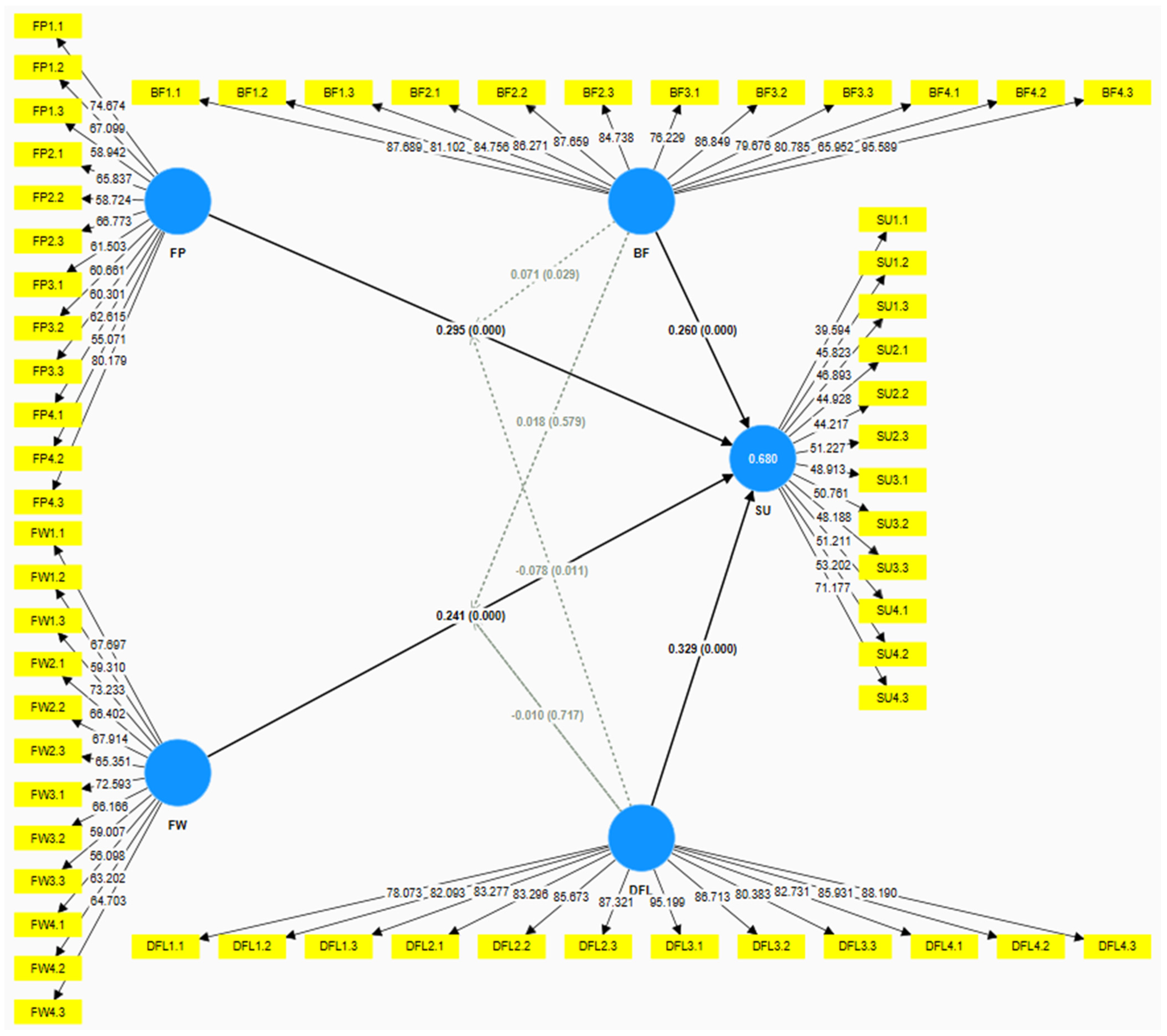
Figure 1. PLS-SEM path diagram. Source: Authors’ processing, 2025.
Jrfm 18 00682 g001
Table 1. Distribution of respondents by district/city.
Business LocationCountPer (%)
Lahat8815.63
Banyuasin8715.45
Muara Enim7012.43
OKI7012.43
Lubuk Linggau6812.08
Palembang6010.66
OI6010.66
Prabumulih6010.66
Source: Authors’ processing, 2025.
Table 2. Distribution by gender.
GenderCountPer (%)
Female28250.09
Male28149.91
Source: Authors’ processing, 2025.
Table 3. Distribution by age.
AgeCountPercent
21–3020035.52
31–4015026.64
41–5012021.31
<20508.88
>50437.64
Source: Authors’ processing, 2025.
Table 4. Distribution by highest education.
Last EducationCountPercent
Senior High School18031.97
Bachelor’s18031.97
Diploma15026.64
Postgraduate539.41
Source: Authors’ processing, 2025.
Table 5. Distribution by years in operation.
Years OperatingCountPercent
1–3 years18031.97
4–6 years15026.64
>6 years13323.62
<1 years10017.76
Source: Authors’ processing, 2025.
Table 6. Distribution by business ownership type.
Ownership FormCountPercent
Sole proprietorship56353.29
Partnership15026.64
Family business11320.07
Source: Authors’ processing, 2025.
Table 7. Distribution by business type.
Business TypeCountPercent
Culinary20035.52
Fashion15026.64
Services12021.31
Handicraft9316.52
Source: Authors’ processing, 2025.
Table 8. Distribution by monthly turnover.
Monthly TurnoverCountPercent
<5 million15026.64
5–10 million15026.64
11–20 million15026.64
>20 million11320.07
Source: Authors’ processing, 2025.
Table 9. Distribution by use of digital services.
Use Digital ServicesCountPercent
Yes40071.05
No16328.95
Table 10. Distribution by Paylater usage.
Paylater UsageCountPercent
Yes32056.84
No24343.16
Source: Authors’ processing, 2025.
Table 11. Distribution by purpose of Paylater.
Purpose of PaylaterCountPercent
Working capital20035.52
Consumptive18332.50
Operational18031.97
Source: Authors’ processing, 2025.
Table 12. Distribution by source of financial information.
Source of Financial InformationCountPercent
Social Media20035.52
Friends15026.64
Family11320.07
Training10017.76
Source: Authors’ processing, 2025.
Table 13. Distribution by having attended financial training.
Financial Training AttendanceCountPercent
No31355.60
Yes25044.40
Source: Authors’ processing, 2025.
Table 14. Descriptive results for FinTech Paylater (FP) construct.
No.Code QuestionsSTSTSNSSS
Freq%Freq%Freq%Freq%Freq%
1FP1.100.0%203.6%11720.8%31756.3%10919.4%
2FP1.200.0%234.1%11420.2%30353.8%12321.8%
3FP1.300.0%213.7%10719.0%31956.7%11620.6%
4FP2.100.0%213.7%11720.8%29953.1%12622.4%
5FP2.200.0%274.8%10218.1%32457.5%11019.5%
6FP2.300.0%274.8%10518.7%29251.9%13924.7%
7FP3.100.0%274.8%10819.2%31956.7%10919.4%
8FP3.200.0%244.3%10719.0%31656.1%11620.6%
9FP3.300.0%203.6%12221.7%31255.4%10919.4%
10FP4.100.0%183.2%11720.8%31656.1%11219.9%
11FP4.200.0%234.1%11119.7%31255.4%11720.8%
12FP4.300.0%234.1%11219.9%29953.1%12922.9%
Note: STS = Strongly Disagree; TS = Disagree; N = Neutral; S = Agree; and SS = Strongly Agree. Source: Authors’ processing, 2025.
Table 15. Descriptive results for Financial Well Being (FW) construct.
No.Code QuestionsSTSTSNSSS
Freq%Freq%Freq%Freq%Freq%
1FW1.100.0%183.2%11320.1%32357.4%10919.4%
2FW1.200.0%203.6%12321.8%31255.4%10819.2%
3FW1.300.0%193.4%12321.8%30854.7%11320.1%
4FW2.100.0%203.6%11119.7%32157.0%11119.7%
5FW2.200.0%193.4%11420.2%32657.9%10418.5%
6FW2.300.0%274.8%10919.4%31956.7%10819.2%
7FW3.100.0%254.4%9817.4%33259.0%10819.2%
8FW3.200.0%223.9%10919.4%32257.2%11019.5%
9FW3.300.0%223.9%11320.1%31155.2%11720.8%
10FW4.100.0%244.3%10418.5%32657.9%10919.4%
11FW4.200.0%234.1%10518.7%32157.0%11420.2%
12FW4.300.0%213.7%10819.2%32657.9%10819.2%
Note: STS = Strongly Disagree; TS = Disagree; N = Neutral; S = Agree; and SS = Strongly Agree. Source: Authors’ processing, 2025.
Table 16. Descriptive results for Digital Financial Literacy (DFL) construct.
No.Code QuestionsSTSTSNSSS
Freq%Freq%Freq%Freq%Freq%
1DFL1.100.0%335.9%15527.5%27248.3%10318.3%
2DFL1.200.0%315.5%14525.8%28450.4%10318.3%
3DFL1.300.0%366.4%14125.0%28350.3%10318.3%
4DFL2.100.0%244.3%15427.4%29452.2%9116.2%
5DFL2.200.0%295.2%14926.5%29151.7%9416.7%
6DFL2.300.0%305.3%14625.9%29652.6%9116.2%
7DFL3.100.0%315.5%15427.4%28650.8%9216.3%
8DFL3.200.0%356.2%14525.8%28049.7%10318.3%
9DFL3.300.0%305.3%14726.1%28851.2%9817.4%
10DFL4.100.0%356.2%14425.6%28149.9%10318.3%
11DFL4.210.2%315.5%14625.9%28851.2%9717.2%
12DFL4.300.0%325.7%14625.9%28250.1%10318.3%
Note: STS = Strongly Disagree; TS = Disagree; N = Neutral; S = Agree; and SS = Strongly Agree. Source: Authors’ processing, 2025.
Table 17. Descriptive results for Behavioral Finance (BF) construct.
No.Code QuestionsSTSTSNSSS
Freq%Freq%Freq%Freq%Freq%
1BF1.100.0%335.9%16128.6%26547.1%10418.5%
2BF1.200.0%325.7%15928.2%26947.8%10318.3%
3BF1.300.0%254.4%17330.7%26747.4%9817.4%
4BF2.100.0%315.5%14926.5%28149.9%10218.1%
5BF2.200.0%346.0%15126.8%27949.6%9917.6%
6BF2.300.0%305.3%15727.9%27548.8%10117.9%
7BF3.100.0%274.8%15828.1%27548.8%10318.3%
8BF3.200.0%305.3%15327.2%27949.6%10117.9%
9BF3.300.0%305.3%16228.8%26747.4%10418.5%
10BF4.100.0%274.8%16028.4%27348.5%10318.3%
11BF4.200.0%305.3%14826.3%27849.4%10719.0%
12BF4.300.0%305.3%15527.5%27348.5%10518.6%
Note: STS = Strongly Disagree; TS = Disagree; N = Neutral; S = Agree; and SS = Strongly Agree. Source: Authors’ processing, 2025.
Table 18. Descriptive results for MSME sustainability (SU) construct.
No.Code QuestionsSTSTSNSSS
Freq%Freq%Freq%Freq%Freq%
1SU1.120.4%254.4%10117.9%34160.6%9416.7%
2SU1.200.0%305.3%11620.6%32357.4%9416.7%
3SU1.300.0%274.8%11821.0%32557.7%9316.5%
4SU2.100.0%274.8%11520.4%32758.1%9416.7%
5SU2.200.0%285.0%12321.8%31155.2%10117.9%
6SU2.300.0%346.0%11019.5%31856.5%10117.9%
7SU3.100.0%244.3%10318.3%33659.7%10017.8%
8SU3.200.0%274.8%10819.2%32257.2%10618.8%
9SU3.300.0%285.0%11320.1%32257.2%10017.8%
10SU4.100.0%244.3%11019.5%32758.1%10218.1%
11SU4.200.0%315.5%10518.7%32056.8%10719.0%
12SU4.300.0%264.6%11019.5%32557.7%10218.1%
Note: STS = Strongly Disagree; TS = Disagree; N = Neutral; S = Agree; and SS = Strongly Agree. Source: Authors’ processing, 2025.
Table 19. Reliability and convergent validity results.
ConstructIndicatorsLoadingCRAVEInterpretasi
FPFP1–FP4>0.700.890.65Reliable and valid
FWFW1–FW4>0.700.910.68Reliable and valid
DFLDFL1–DFL4>0.700.880.64Reliable and valid
BFBF1–BF4>0.700.870.62Reliable and valid
SUSU1–SU4>0.700.920.7Reliable and valid
Source: Authors’ processing, 2025.
Table 20. Discriminant validity results (HTMT).
RelationshipHTMTCriteriaConclusion
FP–FW0.74<0.90Valid
FP–DFL0.68<0.90Valid
FW–DFL0.71<0.90Valid
DFL–SU0.79<0.90Valid
BF–SU0.77<0.90Valid
Source: Authors’ processing, 2025.
Table 21. Outer Model VIF (indicators).
ConstructVIF RangeConclusion
FP1.87–2.25No multicollinearity
FW2.15–2.42No multicollinearity
DFL1.95–2.18No multicollinearity
BF1.89–2.22No multicollinearity
SU2.28–2.40No multicollinearity
Source: Authors’ processing, 2025.
Table 22. Hasil VIF Inner Model (Konstruk).
EndogenousPredictorVIF RangeConclusion
BFFP1No multicollinearity
DFLFW1No multicollinearity
SUFP, FW, DFL, BF1.36–1.42No multicollinearity
Source: Authors’ processing, 2025.
Table 23. R2 and Q2 results.
Endogenous ConstructR2Q2Interpretasi
BF0.420.29Moderate, Predictive
DFL0.370.25Moderate, Predictive
SU0.610.41Strong, Predictive
Source: Authors’ processing, 2025.
Table 24. Effect size (f2) results.
Pathf2CategoryInterpretation
FP → SU0.18SedangPaylater contributes meaningfully to MSME sustainability.
FW → SU0.16SedangFinancial Well Being significantly supports sustainability.
DFL → SU0.14SedangDigital Financial Literacy moderately influences sustainability.
BF → SU0.08KecilFinancial behavior contributes modestly but significantly.
FP → BF0.20SedangFP strongly explains variation in financial behavior.
FW → DFL0.17SedangFW is an important determinant of higher DFL.
Source: Authors’ processing, 2025.
Table 25. Model fit evaluation.
IndicatorSaturated ModelEstimated ModelBenchmarkInterpretation
SRMR0.0310.031≤0.08 (good fit)Very good fit; SRMR well below 0.08 (Hu & Bentler, 1999)
d_ULS1.7181.728Lower is betterLow and consistent; small gap vs. theory (Henseler et al., 2015)
d_G0.7170.717Lower is betterSmall distance indicates good alignment (Henseler et al., 2015)
Chi-square2211.8372214.270Lower is better; sample-size sensitiveHigh values expected with large N; not primary in PLS-SEM (Hair et al., 2019)
NFI0.9330.933≥0.90 (good fit)Meets the acceptable fit threshold (Bentler & Bonett, 1980)
Source: Authors’ processing, 2025.
Table 26. Hypothesis testing results.
HypothesisPathPath Coefp-ValueResult
H1FP → SU0.2910.000Supported (positive, significant)
H2FW → SU0.2410.000Supported (positive, significant)
H3BF → SU0.2600.000Supported (positive, significant)
H4DFL → SU0.3290.000Supported (positive, significant)
H5FP → SU dimoderasi DFL−0.0780.011Supported (significant moderation)
H6FW → SU dimoderasi DFL−0.0100.717Not supported (ns)
H7FW → SU dimoderasi BF0.0180.555Not supported (ns)
H8FP → SU dimoderasi BF0.0170.029Supported (significant moderation)
Source: Authors’ processing, 2025.
Disclaimer/Publisher’s Note: The statements, opinions and data contained in all publications are solely those of the individual author(s) and contributor(s) and not of MDPI and/or the editor(s). MDPI and/or the editor(s) disclaim responsibility for any injury to people or property resulting from any ideas, methods, instructions or products referred to in the content.