


Abstract
Marine natural products can show biological activity while remaining difficult to identify, reproduce, or obtain in sufficient quantity. This critical narrative review examines that mismatch and proposes a linked record for each exact chemical entity-indication pair. The documented evaluation stage (E1–E4) records computational, in vitro, animal, or human evaluation; the production/access stage (S1–S5) records physical access, an executed laboratory route, controlled pilot production, good manufacturing practice (GMP) clinical manufacture, or established commercial manufacture. Neither coordinate measures therapeutic merit, evidence strength, sustainability, or probability of success. Computational contribution (C), study quality, evidence direction, identity status, regulatory status, and scenario-specific supply adequacy remain separate. Seven purposively selected case lineages illustrate parent-derivative distinctions, computation-linked isolation, untested nominations, later synthesis, and unresolved assay-material identity. Cynthichlorine illustrates incomplete production reporting, while incompletely matched meridianin mixtures remain outside the joint matrix. A calculation comparing reported (+)-aeroplysinin-1 output with an explicitly defined assay requirement makes the supply question concrete without claiming that the scenario was performed. Borderline coding examples and stricter category rules support future independent application. No inter-rater assessment or prospective decision-impact study was performed; the proposal remains unvalidated. Its intended contribution is an auditable connection between evidence, material, and the next proposed experiment, rather than a readiness score.
1. Introduction
Natural products contribute to medicines as unmodified structures, semisynthetic derivatives, synthetic analogues, and templates for medicinal chemistry. Marine environments extend this chemical repertoire through halogenated metabolites, macrocycles, densely stereogenic scaffolds, unusual amino acids, and polyether systems. Sponges, tunicates, molluscs, bryozoans, cnidarians, and echinoderms are important collection hosts for compounds with cytotoxic, ion-channel-modulating, anti-infective, and molecular-probe activities [1]. Their chemical diversity creates opportunities for discovery, but useful biological activity and practical access must be established for the same defined material.
The term ‘invertebrate-derived’ can overstate provenance because the collection host is not necessarily the biosynthetic producer. Associated microorganisms may synthesize or modify the recovered metabolite; for example, an uncultivated sponge symbiont was shown to encode several distinct polyketide families [2]. We therefore use ‘marine invertebrate-associated’ unless biosynthesis has been assigned more specifically. Distinguishing the host from the producer informs route selection, ecological assessment, provenance, and access-and-benefit-sharing considerations.
Established marine drug lineages illustrate both the value of this chemistry and the difficulty of translation [1]. The halichondrin B-eribulin lineage discussed below is particularly informative: a potent natural-product parent and its clinically used synthetic analogue are chemically related, but their biological evidence and manufacturing histories are not interchangeable. Computational findings should be interpreted within such development histories rather than treated as substitutes for pharmacology, formulation, or process development.
Computational prioritization can reduce the number of compounds taken forward when isolation is costly and material is scarce. Docking, molecular dynamics (MD), quantitative structure-activity relationship (QSAR) modeling, target prediction, machine learning, and generative design offer complementary approaches [3,4,5]. Their usefulness nevertheless depends on data quality and the decision being supported. Biased datasets, analogue leakage between training and test sets, uncertain binding-site structures, and uncalibrated predictions can inflate apparent performance. Marine chemotypes may be poorly represented in training data, making applicability-domain assessment especially important.
Supply creates a second bottleneck that is partly independent of biological evidence: potency cannot compensate for material that cannot be obtained again. Discovery assays may consume micrograms or milligrams, whereas formulation, toxicology, clinical development, and manufacture can require substantially larger quantities. Wild collection may be unsuitable for sustained demand, particularly for slow-growing or ecologically sensitive organisms. Total synthesis, semisynthesis, aquaculture, fermentation, symbiont cultivation, and heterologous expression offer alternative routes, but each has molecule- and producer-specific limitations [6,7,8].
The production/access stage is not synonymous with sustainable supply. A technically established route can still have substantial solvent, energy, waste, feedstock, ecological, or access-and-benefit-sharing costs. These attributes require separate evidence and are not measured by the S descriptor.
Reviewing biological evidence and supply separately can conceal important mismatches. An untested docking hit, an animal-active mixture of uncertain composition, a cellular result dependent on one isolation, and a licensed synthetic analogue represent different development situations. Describing all of them as ‘promising leads’ obscures the exact material, the evidence supporting it, and the route available to reproduce the next experiment.
This review has three objectives: to identify where computational claims exceed the available experimental and material evidence; to propose explicit rules linking the exact test article to evaluation and production records; and to illustrate how a defined next experiment changes the supply question. The novelty proposed here is the linked record, rather than a new predictive model or a composite score. We did not train or apply a machine-learning model to classify the cases. The literature supplies the case evidence; the E/S rules and decision gates are the authors’ conceptual proposal. The selected examples illustrate how the rules operate, but do not validate their reproducibility or practical benefit. Figure 1 summarizes the proposed linked record.
Figure 1.
Proposed linked record for marine drug candidates. Chemical identity links the evaluation and production records. Documented evaluation stage (E) and production/access stage (S) are recorded independently. Arrows show possible progression; they do not require every intermediate stage to be documented. Computational contribution, evidence direction, study quality, provenance, regulatory status, scenario-specific supply adequacy, and the next proposed action remain attached to the record. Candidates with unresolved identity are retained without a joint coordinate.
2. Review Approach and Analytical Unit
2.1. Critical-Review Design and Search Approach
This article is a structured critical narrative review, not a systematic or scoping review. No protocol was registered, screening was not performed in duplicate, and study frequencies were not calculated. The Scale for the Assessment of Narrative Review Articles (SANRA) domains provide a reporting reference for the rationale, aims, search description, referencing, scientific reasoning, and presentation of relevant outcomes [9]; their use does not validate the proposed E/S/C framework.
Targeted literature discovery covered 1 January 2015 to 9 August 2026. PubMed was searched for marine-source terms combined with computational terms. The main query is shown in Table 1. We also searched publisher sites and Crossref metadata. Backward and forward citation chasing was used for key studies. Historical lineage records had no date limit. These records included original isolation, biological testing, synthesis, production, regulatory documents, and mechanism studies.
Table 1.
Targeted literature-discovery and source-verification approach.
The search was used for concept discovery and source verification. It was not treated as a screened corpus. We therefore report no record count or PRISMA flow. English-language full texts were prioritized. Reviews supplied context. Primary sources supported case classifications. Current regulatory claims were checked against official sources.
The seven case lineages were chosen purposively from targeted literature discovery and citation chaining, using the contrasting decision problems described in Supplementary Table S1. Halichondrin B/eribulin addresses parent-derivative separation; (+)-aeroplysinin-1 links computation to isolation and testing; the sea-star steroid exposes numerical and production-reporting uncertainty; acanthomanzamine C represents a nomination awaiting testing; cynthichlorine distinguishes reported structural identity from incomplete production specifications; gukulenin A separates later synthesis from combination-specific biology; and meridianins expose mixture comparability. The lineage set yields eight entity-indication records because parent and derivative are separate. This selection rationale is made explicit retrospectively; no screened denominator, ranked candidate list, or exclusion log was retained. Compounds discussed only as general background were not entered as additional case records. Favoring informative contrasts introduces selection bias, so these cases support illustration only.
2.2. Exact Entity-Indication Pair as the Unit of Analysis
The analytical unit is an exact entity-indication pair. A stereochemically defined molecule, a derivative, and a mixture require separate records, and therapeutic evidence is not transferred between constituents, congeners, parent-derivative pairs, or indications. Production evidence may inform more than one indication only when the chemical identity and relevant quality specification are demonstrably the same; demand and formulation suitability must still be reassessed for each scenario. Chemical lineage links provide context but do not confer shared development status.
An identity threshold precedes classification. A named molecule must be identifiable and traceable between biological and production records. A mixture constitutes its own entity and requires a reproducible composition or batch specification. When materials cannot be matched adequately, the experiment can still be described, but a joint E × S coordinate is withheld. This prevents apparently mature records from being assembled from incompatible test articles.
2.3. Extraction and Judgment
Case records capture entity and indication, collection host, producer evidence, computational method and chronology, biological model, exposure, controls, outcomes, and evidence direction. Production fields include route, isolated output or yield, identity, purity, and batch evidence. Regulatory status and the next decision gate are recorded separately. Each assignment represents the highest stage directly documented in the sources reviewed, rather than a claim that all relevant literature has been retrieved. Missing information is distinguished from a demonstrated absence and labeled as not reported, uncertain, not assessable, or not applicable, as appropriate.
2.4. Classification Procedure and Planned Validation
The source-linked case records were compiled manually. Classification was a manual interpretation of the reviewed evidence, using the proposed definitions and withholding a joint coordinate when the identity requirement was unmet. No independent duplicate classification, inter-rater agreement calculation, or prospective comparison of decisions was performed. The present examples therefore do not establish reproducibility, robustness, or superiority over simpler descriptions.
A future independent pilot should freeze the coding rules, source packets, entity-indication definitions, and reference date before classification. At least two researchers should code the same varied records independently, without seeing each other’s ratings. The study should justify its sample size for agreement precision; report raw agreement and confidence intervals; assess E and S separately and C as a nominal category; and retain identity failures and missing data. Disagreements should be grouped by cause before definitions are revised. The borderline examples in Supplementary Table S2 are proposed coding exercises, not independently rated observations. Reliability and decision impact remain separate validation questions.
3. Chemical, Provenance, and Data Foundations
3.1. Chemical Complexity and Source Attribution
Marine macrocycles and polyethers can adopt many low-energy conformations, while dense stereochemistry limits what two-dimensional similarity can establish. Halogenated scaffolds, uncommon heterocycles, and peptides may be poorly represented in model training data. Inconsistent salt, tautomer, protonation, and stereochemical annotations also affect preparation and compound matching. These problems matter here because a modeled structure must be linked to the material used in an assay and to the reported production route.
A collection host is not necessarily the biosynthetic producer. Host associations can vary with geography and the microbiome, and finding a biosynthetic gene cluster does not establish a productive cultivation process. The record should distinguish host, inferred or demonstrated producer, collection and permit metadata, voucher or strain identifier, and the source of the evaluated batch. Each describes a different part of chemical and material traceability.
Structure-based deep learning has been used to identify possible marine-natural-product provenance misannotations arising from host-microbe associations [10]. Predicted reassignment can guide follow-up, but should remain distinct from demonstrated biosynthesis. Provenance confidence is recorded separately from the production/access stage.
3.2. Databases, Spectra, and Traceability
The Comprehensive Marine Natural Products Database (CMNPD) links marine structures to taxonomic, geographic, biological, and physicochemical information and reported more than 31,000 compounds at publication [11]. The Natural Products Atlas organizes microbial natural products [12], while Global Natural Products Social Molecular Networking (GNPS) supports spectral sharing, dereplication, and molecular networking [13]. These resources assist discovery, but a database entry does not by itself establish a producing organism, physical sample, assay-ready quantity, or reproducible route.
Structure standardization can remove relevant stereochemical or salt information, and deduplication can merge different provenance records. Fragment generation can also separate a design from its source: Marine-FL constructed and grew marine-database fragments as a computational proof of concept [14]. Such products should be described as marine-inspired unless natural-product lineage and experimental support are established. That distinction affects source claims, access obligations, and supply planning.
Feature-based molecular networking links chromatographic features, tandem mass spectrometry (MS/MS) similarity, abundance, and sample metadata. Annotation may identify an exact reference match or only a compound class; a network feature is not equivalent to isolated material. For this framework, the useful link is from the nomination to a structurally characterized preparation, measured output, and a traceable sample or spectrum.
Solvents, media, and work-up conditions can generate compounds absent from the living source. A Marine Drugs review discusses the potential value of such artifacts when their origins are recognized [15]. Structure, batch history, and formation pathway should therefore remain connected.
3.3. Dataset Bias and Validation Design
MoleculeNet improved comparison of molecular-learning tasks [16], but random splits can place close analogues in training and test sets. Scaffold and temporal splits better reflect some prospective uses, although no split is universally appropriate. Representation performance also depends on architecture, data, and endpoint [17]. Marine applications should report deduplication, stereochemical handling, split logic, endpoint provenance, calibration, uncertainty, and domain coverage so readers can assess transfer to the candidate set.
Inactive fractions, unsuccessful predictions, and failed re-isolations are often absent from public reports. Models can consequently learn selection and publication practices rather than the intended biology. Independent external testing and timestamped prospective nomination address different sources of bias. Computation applied after activity is known may help interpretation, but does not establish that it caused discovery.
4. Computational Prioritization: Capabilities and Failure Modes
4.1. Machine Learning, Structure-Based Computation, and Experimental Structure
QSAR can use statistical or machine-learning methods; graph networks, learned scoring functions, and generative models are explicitly data-driven examples [18]. Docking, MD, and approximate binding-energy calculations alone do not justify “AI-enabled.” Protein models from AlphaFold expand structural access [19], but uncertainty in the relevant binding site still requires assessment. Experimental and predicted structures should be identified as different inputs.
Different methods answer different questions. A classifier estimates activity classes or probabilities, docking proposes poses, and MD explores a starting model under specified assumptions. Neither stable trajectories nor contact diagrams establish binding. ADMETlab 3.0 illustrates prediction of absorption, distribution, metabolism, excretion, and toxicity (ADMET) properties [20], but predicted exposure and toxicity still require experimental evaluation and appropriate domain coverage.
4.2. Docking and Molecular-Dynamics Quality Control
Docking scores are method-dependent estimates, and small score differences may not reflect affinity differences [21]. Reports should specify receptor state, missing regions, cofactors, protonation, waters, stereochemistry, and search region. Known ligands, relevant inactive compounds, or decoys provide context when appropriate to the question.
Redocking tests pose reproduction, rather than affinity ranking or biological activity. Approximately 2 Å is a common reference for pose root-mean-square deviation (RMSD), not a universal validity threshold. PoseBusters emphasizes independent geometric and chemical plausibility checks [22]. A favorable score or a contact map alone does not validate the proposed binding mode.
A stable MD trajectory does not establish binding, selectivity, or efficacy. Interpretation requires the force field, ligand parameters, solvent, equilibration, simulation length, replication, and convergence assessment. Molecular mechanics combined with Poisson-Boltzmann or generalized Born surface-area methods (MM/PBSA and MM/GBSA) also depend on the starting pose, sampling, dielectric assumptions, and entropy treatment; their estimates are not measured affinities.
4.3. Prospective Machine Learning and Causal Contribution
The prospective abaucinnomination outside marine discovery illustrates the value of recording a frozen model and candidate set before testing [23]. A marine application likewise needs dated nominations, an appropriate comparator, and unsuccessful selections. This example does not establish transferability to marine chemical space.
Computational analyses of known marine metabolites can generate useful hypotheses without constituting computational discovery. A deep-learning and docking workflow screened CMNPD for hypoxia-inducible factor 1α (HIF-1α) pathway activators but did not report prospective wet-laboratory validation of its nominations [24]. A virtual-screening study of chloroethylagelastatin A investigated a ribosomal mechanism after therapeutic activity was known [25]. The relevant distinction is the decision changed by computation and its timing, not whether computational methods appear in the study.
Label quality is equally important. Rabelo and colleagues used LightGBM to classify natural products using spectral descriptors, reporting a test-set area under the receiver operating characteristic curve (AUC) of 0.851 [26]. The large modeled dataset used activity classes derived from docking-based estimates rather than measured half-maximal inhibitory concentration (IC50) values. In the smaller comparison set of 172 compounds, docking scores correlated weakly with experimental pIC50, defined as -log10 of IC50 in mol/L (R = 0.32). These findings illustrate the prediction of a computational proxy, not direct experimental confirmation of programmed death-ligand 1 (PD-L1) inhibition by the nominated compounds; the classification result alone does not support E2.
Leakage control also needs more than a random split. DataSAIL showed how similarity across training and test partitions can inflate biomedical machine-learning performance [27]. Recent out-of-distribution evaluations reached the same broad conclusion. Strong in-distribution scores do not ensure robust performance on new chemical space [28]. Marine studies should report the nearest training analogues for each nominated compound. Scaffold, cluster, and temporal sensitivity analyses are preferable when the data permit them.
4.4. Recent Marine Examples and What They Establish
Table 2 summarizes recent computational and marine-natural-product reports and the limits on their interpretation.
Table 2.
Recent 2025–2026 computational and marine-natural-product examples, with claim-limiting features.
The selected 2025–2026 reports illustrate heterogeneous computational roles and limits on interpretation [29,30]. Their evidence cannot be used to estimate the proportion of studies reaching E1, E2, or prospective experimental validation. Instead, they show why therapeutic testing, computational chronology, and production reporting must be inspected separately. Incomplete reporting limits classification; it does not by itself demonstrate that computation has failed or that an unreported production route does not exist.
4.5. A Minimum Reporting Standard for Computational Prioritization
For computational prioritization, we propose reporting the candidate universe and access date, standardization and stereochemical rules, target source, binding-site uncertainty, model version, training data, split design, calibration, and domain coverage. A dated nomination list, explicit comparator, and physical testing plan help distinguish prospective contribution from retrospective interpretation. These are proposed reporting practices, not validated acceptance thresholds.
4.6. Target Validity, Endpoint Quality, and Multi-Objective Selection
Computational sophistication cannot rescue a weak therapeutic question. Target selection should separate disease causality, pathway association, tractability, and assayability. A model may rank ligands for a protein that is not causal. The protein may also be redundant or inaccessible in the relevant tissue. Disease subtypes can use it differently. The acanthomanzamine case shows this problem. Viral-entry biology changed the relevance of the proposed host-protease target.
Endpoint quality sets a ceiling on model quality. Incompatible assays should not be merged into one activity label without justification. Species, cell lines, exposure times, and censoring matter. Continuous endpoints should keep units and assay context. Classification thresholds need a biological or decision rationale. Proxy labels must be named as proxies. They do not support claims of clinical efficacy.
Prospective selection is usually multi-objective. Potency can conflict with selectivity, solubility, stability, or route feasibility. Ecological burden may also change the decision. A transparent Pareto set is often more useful than one rank. Uncertainty should affect action. A high but uncertain prediction may be selected to gain information. A moderate and well-supported candidate may be selected for efficient confirmation. Active learning can help. It requires rapid assays and the return of both positive and negative results.
The baseline must match the claim. Database triage should be compared with random selection, similarity search, established docking, or expert prioritization under the same testing budget. Enrichment calculated after exclusions is not a prospective success rate. Generative designs need more than validity and novelty. They need a route review, synthesis, identity confirmation, and experimental comparison with source scaffolds.
5. Proposed Record Structure and Category Rules
5.1. Design Principles
The record has two coarse stage descriptors: documented evaluation stage E and production/access stage S. It is a multidimensional record because identity, C, study quality, effect size, replication, direction, safety, regulatory status, provenance, environmental burden, and scenario-specific supply are also required. E and S are never summed, averaged, weighted, or used to rank therapeutic merit. Two E2/S2 records can differ fundamentally in selectivity, reproducibility, exposure, process practicality, and risk. The matrix is a compact index to the attached evidence, not a decision by itself.
E and S may change independently. A compound can reach an animal model while still depending on a limited isolation, whereas a well-characterized laboratory synthesis may precede therapeutic evaluation. Figure 1 presents the linked-record concept; Figure 2 defines computational contribution by chronology; the case discussions are followed by the illustrative matrix. A change on one axis does not imply a change on the other.
Figure 2.
Computational contribution (C) assigned to a dated decision episode. C1a records a nomination awaiting action; C1b records action caused by the nomination. C2 and C3 distinguish assessment before a preselected entity’s result from interpretation after that result. The categories are nominal. Chronology and endpoint must be recorded; unresolved chronology is C-NR.
Technology Readiness Levels describe demonstrated technology maturity [33]; manufacturing-readiness approaches examine process capability and production risks [34]; clinical phases describe the setting and objectives of human trials [35]; drug-development stages organize successive program decisions [36]; and chemistry, manufacturing, and controls (CMC) addresses composition, quality, manufacture, controls, and stability [37]. The proposed record complements these purposes by keeping the exact entity-indication pair, marine host/producer attribution, evaluated batch, and scenario-specific material demand linked. It does not replace those systems or claim superior predictive performance. A conceptual comparison is provided in Supplementary Table S4.
5.2. Operational Definitions
Table 3 summarizes the proposed operational definitions for E, S, and C.
Table 3.
Proposed coding rules for documented evaluation stage (E), production/access stage (S), and computational contribution (C).
E records the highest documented evaluation stage for the exact entity-indication pair: E1, computational evaluation only; E2, controlled in vitro evaluation; E3, evaluation in a relevant animal model; and E4, documented interventional administration to humans. Because E1 is computational, “documented evaluation” is used rather than implying that every level is experimental. E2 requires accompanying information on assay type, controls, concentration/exposure, replication, and mechanistic scope; a viability assay and confirmed target engagement are not equivalent evidence. E4 requires actual administration, with phase, design, participants, endpoint, evidence direction, and regulatory status recorded separately. First-in-human exposure, a Phase III trial, and approval are different attributes, even when E4 is shared. Negative findings can establish a setting, and trial registration alone does not establish E4.
S records demonstrate production or access for the same defined entity and relevant quality specification. S1 is physical acquisition without enough route/output documentation for S2. S2 requires an executed laboratory route, starting material, key conditions, isolated output or yield, analytical identity, and quality evidence appropriate to the reported use, including structural characterization. Fitness for a proposed new experiment is assessed separately. S3 requires an executed pilot or scale-up process with at least two documented batches, output and quality for each, relevant process controls, and a described change from laboratory operation. A single gram-scale synthesis remains S2 unless those requirements are reported. S4 requires documented manufacture and release of clinical material under applicable good manufacturing practice (GMP), with batch and quality evidence; a planned GMP route or human trial alone is insufficient. S5 requires documented commercial manufacture and a routine manufacturing context, including commercial batches or explicit evidence of an established process. Neither approval alone nor an unexecuted scale-up plan establishes S5. These minimum requirements are author-proposed rules for future testing.
For every S assignment, extract the route, batch identifier and batch count, isolated quantity, analytical specification, and date; explicitly mark unreported fields. Missing information must prevent assignment when it is required by that category’s operational rule, but does not by itself negate documented S1 physical access. For S3, batch scale alone is insufficient: process operation and reproducibility evidence are required. For S4, state the jurisdiction and applicable GMP context; investigational requirements can vary with clinical phase. For S5, describe the commercial manufacturing evidence separately from marketing authorization. Sustainability and demand adequacy remain outside S at every level.
For a combination study, E describes the specified combination endpoint, whereas S describes production/access for the named marine component. The co-treatment requires its own material record. Thus, the gukulenin A synthesis informs access to gukulenin A; it does not establish manufacture or supply adequacy of a gukulenin A-olaparib combination.
C describes what computation contributed to a specified decision and endpoint. C0 indicates no relevant contribution; C1a indicates a nomination awaiting action; C1b indicates that a nomination changed which entity or hypothesis was isolated, acquired, made, or tested; C2 indicates prospective assessment of an entity already selected independently for that same evaluation; and C3 indicates interpretation after the relevant endpoint was known. C-NR records insufficient chronology. Prior isolation does not exclude C1b if computation subsequently caused biological selection. Pre-existing activity does not exclude C1b for a newly nominated target experiment. Iterative campaigns should be split into dated decision episodes rather than assigned one lifetime category. Supplementary Table S2 gives borderline examples. None of these categories implies greater quality or importance.
5.3. Evidence Direction, Provenance, and Scenario-Specific Supply
Evidence direction is supportive, mixed, negative, or not efficacy-evaluable. “Supportive” does not mean replicated or clinically meaningful. Study quality is also separate. Provenance records the collection host and the level of confidence in the true producer. This keeps biological origin out of the S scale.
The production/access stage describes demonstrated capability; supply adequacy asks whether it can meet a stated amount, quality, and deadline. A 50 mg S2 route may support one cellular experiment yet fail a toxicology requirement, while an S1 stock may suffice for a small biochemical assay. For each entity-indication record, we propose a separate next-stage status: adequate, inadequate, uncertain, or not assessable. “Not applicable” is reserved for cases without a proposed next-stage scenario. Adequate/inadequate classifications require quantified demand and comparable output, quality, and timing; uncertain means those are specified but variable or inconclusive; not assessable means essential inputs are missing. Therapeutic-use supply is assessed separately. The planning equation below makes the quantity assumptions explicit.
Next-stage supply is displayed separately in the case matrix and Table 4, alongside the route basis and missing inputs in Table 5. The present records generally lack enough inputs to classify actual next-stage demand, so they remain not assessable; the explicitly defined calculation scenarios below do not retrospectively establish adequacy for the original programs.
Required mass = (per-unit requirement × number of units × administrations × overage factor)/usable-product fraction.
Table 4.
Cross-case evidence, production stage, and computational contribution.
Table 5.
Cross-case provenance, route/time basis, scenario-specific supply adequacy, and next decision gate.
For an in vitro program, the per-unit amount can be concentration multiplied by assay volume, with units accounting for wells, repeats, confirmatory assays, and controls. For an animal study, it can be dose per kilogram multiplied by body mass. Overage should cover additional sampling and contingency requirements not already represented elsewhere. The usable-product fraction should account for specified material losses between the chosen starting quantity and administered material. The same purification, release, or formulation loss must not be counted in both factors.
For illustration, a dose of 10 mg/kg in 25 g mice, ten animals, given over ten administrations, with 20% overage, and 85% usable material requires 35.3 mg. The dose and study design are hypothetical and are not proposed for any reviewed compound. An application tied to reported (+)-aeroplysinin-1 recovery is provided in Section 6.2, and a source-linked halichondrin B recovery comparison is provided in Section 6.1. Both compare observed production evidence with explicitly defined planning assumptions; neither establishes clinical adequacy or a demonstrated decision benefit. The worked material budgets and their explicit assumptions are detailed in Supplementary Table S5.
6. Contrasting Case Lineages
6.1. Halichondrin B and Eribulin: Lineage Without Status Inheritance
Halichondrin B is a complex polyether macrolide. It was associated with the sponge Halichondria okadai. Early work reported activity in murine P388 leukemia and B16 melanoma models [38]. The true producer remains unresolved. “Sponge-associated” is therefore the safer term. A landmark total synthesis established chemical access [39]. It did not make the parent a practical commercial product.
Figure 3 illustrates the halichondrin B-eribulin parent-analogue relationship. Structural similarity supplies chemical context; it does not transfer biological or manufacturing evidence between entities.
Figure 3.
Chemical structures of (A) halichondrin B and (B) eribulin free base. The clinical material is eribulin mesylate; the free-base structure illustrates the scaffold relationship and does not represent the clinical salt form. The parent compound and analogue retain separate entity-indication and production/access records. Structures were redrawn from PubChem records (CIDs 5,488,895 and 11,354,606, respectively), with database stereochemistry retained.
Historical scarcity makes the scale mismatch clear. An official NIH technology-transfer account describes the discovery and development lineage [48]. A supply review reports about 300 mg from one metric ton of sponge [6]. That nominal recovery is 0.3 mg/kg. At that rate, 10 g would require about 33,300 kg of wet sponge. This simple calculation excludes batch variation, purification loss, retention samples, and ecological limits. It is not a patient-dose forecast. It shows why discovery access does not equal development adequacy.
For a conditional material comparison, pair the reported 300 mg per metric ton recovery with the 35.3 mg hypothetical requirement in Section 5.3. The nominal fraction is 35.3/300 = 11.8%, corresponding to approximately 118 kg wet biomass at 0.3 mg/kg. These are arithmetic projections, not an executed collection or a halichondrin dosing recommendation. Recovery variability, impurity removal, ecological permission, and timing are unknown, so actual next-stage supply remains not assessable. The comparison separates a reported output from an assumed experiment rather than treating E3 or S2 as proof that a new study is feasible.
For halichondrin B in the murine P388 leukemia model, the reviewed animal evidence supports E3, and the executed total synthesis supports S2 [38,39]. These sources do not establish pilot or commercial manufacture of the parent. C0 refers to the original nomination considered here, and evidence direction is supportive in that model. Historical wild-harvest limitations motivated alternative supply and derivative strategies; eribulin’s later status is recorded separately.
Eribulin mesylate is a synthetic analogue, not a manufactured batch of halichondrin B. In EMBRACE, eribulin improved overall survival relative to treatment of physician’s choice in heavily pretreated locally recurrent or metastatic breast cancer [40]. The US prescribing information (revised September 2022; checked 14 October 2026) lists metastatic breast cancer and unresectable or metastatic liposarcoma, each subject to specified prior-treatment conditions [41]. A manufacturing account documents commercial process chemistry [42]. These distinct sources support clinical evaluation, labeled use, and production, respectively.
For metastatic breast cancer, eribulin is recorded at E4/S5, with supportive human evidence and C0 for the original nomination considered here. E4 does not distinguish trial phase or approval; those are attached to the record. Established commercial manufacture supports S5, but does not prove delivery for every quantity, deadline, location, or interruption scenario. The halichondrin B-eribulin link reflects chemical lineage: the parent does not inherit the analogue’s E4/S5 record.
6.2. (+)-Aeroplysinin-1: Computation Connected to Targeted Isolation
Lever and colleagues linked virtual screening to targeted isolation [43]. They screened 633 Verongiida compounds against 19 methicillin-resistant Staphylococcus aureus (MRSA) targets and combined docking with network analysis; GNPS feature-based molecular networking then helped target chemistry in Pseudoceratina durissima. This reported connection between prioritization and experimental action supports C1b. Because the relevant methods were docking and molecular networking, ‘computation-enabled’ is more precise than ‘AI-enabled’.
The study processed 179.8 g wet sponge material (27 g dry material) and reported approximately 7.2 mg of (+)-aeroplysinin-1 across isolated fractions. Spectroscopic identification and reported purity above 95% by proton nuclear magnetic resonance (NMR) support interpretation of the test material. The reported anti-MRSA minimum inhibitory concentration (MIC) was 32 μg/mL under the study’s inhibition criterion, not below 32 μg/mL [43]. These data support E2 and a quantified laboratory isolation meeting S2, without establishing scale-up.
A second calculation uses the reported (+)-aeroplysinin-1 recovery and MIC as measured inputs. Define a prospective screening budget of 1000 exposure wells at 200 μL per well and 32 μg/mL; this would consume 6.4 mg. With 20% contingency and 85% usable recovery, the required starting quantity is 6.4 × 1.20/0.85 = 9.04 mg, exceeding the approximately 7.2 mg reported output. The nominal shortfall is 1.84 mg; linear scaling would imply about 226 g wet sponge rather than the reported 179.8 g. Well count, volume, overage, usable fraction, and linear recovery are explicit planning assumptions, not the original assay design or demonstrated scale-up. Drug-free controls add no compound demand, whereas additional concentrations, replicates, confirmation, and retention samples would. This conditional example shows why a quantified S2 output can fall short of a stated mass requirement; it does not classify overall supply adequacy without the quality and timing inputs or declare the original program inadequately supplied.
The result goes beyond an untested docking nomination but does not establish animal efficacy or a scalable process. Evidence direction is supportive in vitro. Supply adequacy for the original next-stage and therapeutic-use programs remains not assessable without defined demand, timing, and quality requirements. The illustrative budgets above assess mass coverage only. Further development would require orthogonal antibacterial confirmation, selectivity and resistance studies, relevant exposure, animal evaluation, and a replenishable production route.
At the same concentration, volume, contingency, and usable fraction, 500 exposure wells require 4.52 mg and 1000 require 9.04 mg. The same reported 7.2 mg batch could cover the first mass budget and fall short of the second. Neither comparison proves biological fitness, availability by the deadline, or repeat-batch reproducibility; these must be checked separately.
6.3. 5α-Cholesta-9(11)-en-3β,20β-diol from Acanthaster planci
The sea-star study reported approximately 85% SARS-CoV-2 inhibition at 5 ng/μL and an IC50 of 5.86 μM. Its separately reported fitted value, 2.23 ng/μL, converts to approximately 5.54 μM using 402.66 g/mol. Supplementary Table S3 shows the source values, units, and conversion. The difference remains unresolved; it is not silently corrected or treated as assay replication. The source also prints 5.5469 μM for the conversion, whereas 2.23 × 1000/402.66 = 5.5382 μM. This separate arithmetic inconsistency does not resolve the discrepancy with 5.86 μM [29].
The antiviral assay supports E2 with a supportive in vitro direction, but not established animal exposure or a confirmed molecular mechanism. The reported main-protease redocking RMSD of 3.10 Å exceeded the study’s stated 2 Å criterion. This weakens the pose-based interpretation without negating the separate antiviral assay; whole-virus inhibition and direct main-protease engagement are different endpoints.
The report does not establish whether machine learning caused isolation or testing, so computational contribution is C-NR. Extraction and structural characterization establish physical access. However, the reviewed reporting does not clearly establish the final isolated output and quantitative purity needed for a defensible S2 assignment; S1 is retained pending clarification [29]. Missing production information is not evidence that a laboratory route cannot be developed.
Next-stage and therapeutic supply are not assessable. Harvesting A. planci may appear attractive where population control occurs, but this does not establish a production route. Availability, variability, ecology, governance, and the true producer remain unresolved. The next proposed steps are independent assay replication, selectivity, exposure, quantified re-isolation, and route development. Target-engagement studies would be needed to substantiate a specific main-protease mechanism.
6.4. Acanthomanzamine C: Target Biology and Validation Lag Behind Ranking
Acanthomanzamine C was isolated from Acanthostrongylophora ingens [44]. A 2023 study screened 137 Indonesian marine-invertebrate-associated compounds [45]. It used docking, ADMET property predictions, and 100 ns MD simulations. The targets were TMPRSS2 and the Omicron spike protein. Acanthomanzamine C was prioritized. The record is C1a because the nomination was not acted upon experimentally. The methods were not demonstrably AI-enabled.
No antiviral wet-laboratory test was reported. The level is E1. Direction is not efficacy-evaluable. Docking contacts and stable trajectories do not prove entry inhibition. Biological context also matters. Omicron BA.1 used TMPRSS2 less efficiently than earlier variants [49]. Variant dependence and airway-cell context should be resolved before further development.
The original supporting information documents 1.80 mg of acanthomanzamine C from a 580 g wet sponge sample, chromatographic conditions, high-resolution mass spectrometry, and one- and two-dimensional NMR data [44] (supporting information, pp. S3–S4 and S12–S14). This is an executed, analytically characterized laboratory isolation and supports S2, independently of the E1 antiviral nomination. S2 does not establish replenishment, a quantitative purity specification for antiviral testing, or antiviral efficacy. Both supply scenarios remain not assessable. The next step is testing authenticated material in a variant-relevant antiviral assay, with cytotoxicity controls and a defined material specification and budget.
6.5. Cynthichlorine: Extraction Evidence Does Not Settle Computational Chronology
A 2025 study investigated cynthichlorine from Cynthia savignyi [30]. It compared solvent maceration with heated Soxhlet extraction and reported yields for those extraction methods. Chromatographic separation and spectroscopic characterization were then described, followed by assays against five cancer cell lines; U87-MG had the lowest reported IC50. These are distinct operations: extraction yield is not automatically the recovered mass or quantitative purity of the final bioassayed preparation. Docking explored possible targets including NM23-H2.
The source reports purified cynthichlorine, NMR and high-resolution mass-spectrometric characterization, and cell-viability testing in Section 4.2, Section 4.3 and Section 4.4 [30]. On that reported attribution, the named compound is recorded at E2 for U87-MG growth inhibition. Missing quantitative purity and final isolated output limit the production assessment to S1; they do not alone establish that chemical identity is unresolved. This is a source-based classification, not an independent authentication of the assay material. Extraction percentages are not substituted for a final compound mass balance.
Section order does not establish computational chronology, so C-NR is retained. The source reports a U87-MG IC50 of 0.162 μg/mL, below the lowest concentration (0.5 μg/mL) listed in its assay methods [30]. The fitted estimate therefore requires clarification or lower-concentration confirmation. This reporting limitation and the absence of non-malignant comparators restrict interpretation; E2 records the setting, not study quality. Further work should document assay-batch purity and output, repeat the concentration-response assessment, and define material requirements. Docking alone does not confirm a molecular target.
6.6. Gukulenin A: Separating Combination Evidence from Production Updates
Gukulenin A is a sponge-associated bis-tropolone tetraterpenoid. A 2025 Marine Drugs study tested it with olaparib in ovarian cancer cells [31]. Mildly cytotoxic gukulenin A sensitized cells to the poly(ADP-ribose) polymerase (PARP) inhibitor. The study linked the effect to ferroptosis, lipid peroxidation, and oxidative-stress pathways. Network pharmacology and enrichment analyses were used to support the mechanistic interpretation.
The combination study supports E2 for the gukulenin A-olaparib sensitization hypothesis, with a supportive in vitro direction [31]. Network analysis contributes mechanistic hypotheses but does not demonstrate that computation caused compound selection. Because a retrospective C3 assignment requires evidence that the relevant result was already known, C-NR is retained unless that chronology can be confirmed. Single-agent animal evidence is not transferred to the combination record.
Production classification must incorporate later route evidence, not only the combination paper. Gupta and colleagues reported an enantioselective total synthesis of (-)-gukulenin A in 2025, with 24 steps and 2.5% overall yield from commercial reagents [32]. The synthesis and its analytical characterization support S2 for the named compound; the latter synthetic material need not be the same physical batch as the earlier isolate. Assay-specific quality and formulation still require separate assessment. This is not evidence of pilot manufacture or guaranteed supply. Biological E2 status for olaparib sensitization remains separate. Both supply scenarios require defined demand, quality, timing, and route-output assumptions before adequacy can be assessed.
6.7. Meridianins: Mixture Evidence and Constituent Identity
Meridianins are indole alkaloids associated with the tunicate Aplidium meridianum. A 2020 study combined computational analyses of individual meridianins with biological testing of mixtures in work on glycogen synthase kinase 3β and neuronal structural plasticity [46]. A subsequent study administered a meridianin mixture intracerebroventricularly in the 5xFAD Alzheimer disease mouse model and reported beneficial cognitive and neuropathological outcomes, alongside impaired spontaneous alternation in wild-type animals [47]. Those experiments concern mixtures, not evidence automatically attributable to every modeled congener.
An animal experiment with a mixture does not establish E3 for each constituent. Linking the earlier in vitro mixture to the later administered mixture also requires adequate composition and batch specifications. Different physical batches are permissible if composition and relevant quality are adequately matched. Because the reviewed reports do not establish a common quantitative congener specification for this cross-study record, the animal experiment is described, but a joint E × S coordinate is withheld. Direction is mixed because disease-model benefits coexist with a wild-type behavioral concern. Computational contribution remains C-NR for the unmatched entity-specific record.
The next gate is chemical before it is computational: define and reproduce the administered mixture or test isolated congeners individually and in specified combinations. Subsequent studies should compare systemic and central routes, establish exposure, include wild-type safety endpoints, and connect kinase engagement to the behavioral phenotype. This vignette is deliberately placed outside the matrix in Figure 4. Withholding a coordinate is more informative than creating precision from incompatible materials.
Figure 4.
Illustrative records using independent documented evaluation (E1-E4) and production/access (S1-S5) descriptors. Higher E/S coordinates do not indicate greater therapeutic merit or probability of success. C is nominal, and next-stage supply is shown separately for each record. Eribulin is E4/S5; halichondrin B does not inherit that coordinate. The unmatched meridianin mixture is retained outside the matrix because a common quantitative composition is not established. Cynthichlorine is E2/S1 on the reported chemical characterization and cell assay, with production and assay-quality limitations retained separately. The plot summarizes purposive examples and does not estimate prevalence or validate the proposed coding rules. For gukulenin A, E concerns olaparib sensitization and S concerns access to the gukulenin A component; the co-treatment requires a separate material record.
6.8. Cross-Case Synthesis
Supplementary Table S6 documents the source-level checks and retained uncertainties for the borderline assignments discussed in Section 6.4, Section 6.5, Section 6.6 and Section 6.7.
The cases illustrate different questions rather than establish a distribution of success. Eribulin has documented human evaluation and commercial manufacture, while halichondrin B has a separate animal and laboratory-route record. This chemical lineage illustrates why parent and derivative must remain separate; it does not show that derivatives generally outperform natural-product parents.
(+)-Aeroplysinin-1 links prioritization to isolation and testing, while acanthomanzamine C remains an untested antiviral nomination. Later synthesis changes the production record for gukulenin A without advancing combination-specific biology. Sea-star and cynthichlorine reporting gaps limit supply assessment, while the meridianin cross-study record does not meet the mixture-comparability requirement. These applications illustrate the proposed distinctions; they do not demonstrate independent reproducibility, improved decisions, or predictive validity.
7. Supply-by-Design and Development Gates
7.1. Production Strategies Should Follow the Molecule and Producer
No production route is universally superior. Total synthesis can provide identity control and analogue access, but step count, stereochemical complexity, convergence, hazardous reagents, purification, and overall yield constrain practicality. Semisynthesis is useful when an accessible precursor is available; trabectedin is an instructive example [7]. Fermentation depends on a producer that grows and expresses the pathway under controlled conditions. Heterologous expression may overcome cultivation limits, but biosynthetic-cluster complexity, precursor supply, enzyme maturation, toxicity, regulation, and host compatibility can limit output [50]. Aquaculture may reduce dependence on wild collection, although growth rate, disease, environmental footprint, metabolite variability, and permitting remain relevant [51].
Recent work has framed these options as a connected supply portfolio. The route may combine cultivation, fermentation, semisynthesis, total synthesis, and process intensification [8]. Route choice should be evidence-led. It should not be based on source prestige or novelty alone.
Route selection should start with the required material and a clearly bounded demand model. Even a potent agent may need substantial quantities for standards, impurity qualification, toxicology, stability, and formulation. Conversely, a low-output route may suffice for a narrowly defined experiment. The production/access stage and supply adequacy therefore answer different questions: what capability has been demonstrated, and can that capability deliver the specified amount at the required quality and time?
7.2. Integrated Gates
The following gates are author-proposed prompts, not universal prerequisites or literature-derived validated thresholds. A computational nomination should specify an assay and material plan. Target-based programs should seek orthogonal binding/engagement, selectivity, and relevant cellular confirmation before making mechanistic claims. Phenotypic and mechanism-unknown programs may advance on reproducible activity, orthogonal phenotyping, selectivity, concentration-response, and exposure evidence while target identification proceeds separately. Anti-infective programs additionally need organism/strain context, susceptibility criteria, cytotoxicity, and appropriate resistance or mechanism work. Animal and clinical transitions require program-appropriate exposure, safety, formulation, material quality, and regulatory evidence. No particular S category alone authorizes an animal or human experiment.
Supply-by-design also changes computational objectives. A ranking model can include synthetic accessibility, precursor availability, fermentation potential, anticipated purification complexity, ecological burden, and provenance confidence as decision variables. Such attributes should not be collapsed into a single opaque score. Multi-objective or Pareto analysis can reveal trade-offs: a slightly less potent candidate with a robust route may be preferable to a nominally stronger compound with no replenishable source. The assumptions and weights remain decisions for the program, not facts learned automatically from sparse data. Figure 5 summarizes how demand, producer attribution, molecular features, ecology, and access obligations inform a provisional route shortlist.
Figure 5.
Supply-by-design. Demand, producer confidence, molecular fit, ecology, and access obligations shape a route shortlist before a candidate is fixed. Route choice remains provisional until the executed route is verified for output, identity, purity, batch evidence, cost, and ecological and legal fit.
7.3. Reproducibility and Reporting Priorities
For computation, share standardized structures, model versions, code or sufficient parameters, split assignments, uncertainty, and complete nomination lists. For biology, identify the exact batch, report controls and negative results, and use orthogonal assays. For production, report starting material, route, output, yield basis, analytical identity, quantitative purity, batch count, variability, and the mass needed for the next gate. For provenance, include host voucher, collection coordinates at an appropriate level of sensitivity, permits, strain or metagenome identifiers, and confidence in the biosynthetic producer. These fields enable future reclassification without forcing authors to speculate.
7.4. How the Framework Can Be Used in Practice
The proposal can be used as a source-linked record for discussion: what was tested, how was it obtained, what remains uncertain, and what material does the next proposed experiment require? Its usefulness to researchers, reviewers, or funders remains a hypothesis. The present case applications do not show that it changes selection, improves replication, or reduces failed advancement compared with a simpler stage description.
Records should be versioned as evidence accumulates. New results can alter direction without changing E; a relevant animal study can support E3; and a quantified synthesis can establish S2 without changing biological status. The gukulenin A synthesis provides an example of the latter update. Improved chronology may resolve C-NR, while revised identity evidence can invalidate a previously assigned coordinate. Retaining earlier records and field-level citations makes these changes auditable.
Programs should define their own decision rules before comparisons. For example, a laboratory may request replicated cellular evidence and quantified next-stage supply before animal work, while another may accept a limited S1 stock for a small mechanistic probe and develop a route in parallel. These are illustrative policies, not validated thresholds. Target identification is not a universal gate for phenotypic work. Missing supply inputs should trigger clarification rather than an assumption of adequacy. Table 6 provides a stage-gate checklist linking these biological requirements to a defined supply plan.
Table 6.
Stage-gate checklist for linking biological evidence to a defined supply plan.
A digital implementation could store E, S, and C as controlled terms. Narrative evidence, dates, documents, batch identifiers, and assumptions should remain attached. Automated suggestions may help populate records. Final assignments still require human verification across chemistry, pharmacology, computation, and process development. Disagreement should be preserved with reasons. Forced consensus can hide the uncertainty that the record is meant to expose.
8. Sustainability, Access, and Governance
The ethics of marine drug discovery cannot be reduced to avoiding endangered organisms. Collection can affect habitats and associated communities even when the host is locally abundant. Repeated sampling of slow-growing sponges, corals, or tunicates may be incompatible with therapeutic-scale demand. A responsible program should define collection ceilings, prefer non-destructive or cultured sources where feasible, assess population recovery, and treat wild biomass as a discovery input rather than a default manufacturing feedstock.
Legal provenance should be recorded at collection and remain traceable through data and chemical transformations. The Nagoya Protocol provides an access-and-benefit-sharing framework whose application depends on relevant national implementation and the circumstances of access [52]. The BBNJ Agreement entered into force on 17 January 2026 and addresses, among other matters, marine genetic resources of areas beyond national jurisdiction and associated digital sequence information [53]. These instruments should not be treated as interchangeable, and their applicability requires case-specific assessment.
Regulatory and legal statements are tied to a reference date. The original literature-discovery cutoff remains 9 August 2026; the revision-specific official-source checks were made on 14 October 2026 and do not constitute a repeated systematic search. At that revision check, the United Nations record confirms BBNJ entry into force on 17 January 2026 [53]. The dates and jurisdiction of each regulatory label or legal source must accompany its interpretation.
Computational workflows introduce governance questions of their own. Database entries can detach sequence or structure data from permits, provider communities, and original samples. Models trained on digital sequence information may generate commercial hypotheses far from the site of collection. Traceability fields should therefore persist through database export, model training, fragment generation, analogue design, and deposition. Compliance is jurisdiction- and fact-specific and requires appropriate legal expertise; a manuscript framework cannot determine obligations. It can, however, make missing provenance visible before a program becomes difficult to unwind.
This review does not survey potentially toxigenic organisms or measure toxin production. A host association, structural prediction, or predicted ADMET endpoint cannot establish toxin production or toxicity. Cytotoxicity, tolerability, or safety findings are attributed only to the exact test material, model, dose, and endpoint reported in the cited studies. Species-level and clinical safety conclusions are not inferred from those observations.
9. Limitations and Validation Agenda
This critical narrative review is not systematic. Targeted discovery, metadata checks, publisher sources, and citation chaining cannot ensure exhaustive retrieval, particularly for chemistry and industrial process literature outside biomedicine. The purposively selected cases cannot estimate how often marine computational studies reach particular E, S, or C categories. Public reporting may omit confidential production data and unsuccessful experiments; older sources may lack modern analytical detail. Accordingly, each classification describes the reviewed evidence at a stated time and can change when additional sources become available.
No independent inter-rater assessment or prospective decision-impact comparison was performed. The stricter definitions, borderline examples, and numerical sensitivity checks improve the explicitness of this proposal, but are not substitutes for external validation. Future studies should compare independent coding, explain disagreements, and test whether linked records change decisions or reporting beyond existing stage descriptions. A larger or preregistered set is a future design choice, not a study completed here.
E remains coarse: E2 encompasses different assay designs and E4 different clinical phases, so design, replication, effect, safety, and regulatory status are mandatory accompanying attributes. S4 clinical GMP manufacture and S5 commercial manufacture are now separate, but both still require contextual batch and output evidence. Neither descriptor encodes potency, therapeutic index, process economics, environmental impact, clinical benefit, or success probability. Missing public information can cause an assignment to change without any underlying change in the compound.
Several supply judgments remain not assessable because amount, output, quality, or timing is missing. Identity-unresolved records remain outside the joint matrix. The reported-output calculations use explicit scenario assumptions and do not reconstruct an actual dosing or decision program. Purposive selection and retrospective articulation of case rationale also limit generalization. Independent use is needed to determine whether the record does more than organize information.
10. Conclusions
Computational prioritization can make marine invertebrate-associated chemistry more tractable, but it does not remove the need for exact identity, prospective chronology, experimental confirmation, and reproducible supply. Machine learning, docking, MD, and molecular networking have different evidentiary roles and should be named accurately. A favorable prediction advances a candidate to a test queue; it does not establish activity, mechanism, or manufacturability.
We propose a source-linked record for the exact entity-indication pair, using documented evaluation and production/access descriptors alongside computational contribution, study quality, evidence direction, identity, and scenario-specific supply. The selected cases illustrate that parent and derivative, modeled constituent and administered mixture, reported extraction yield and final assay material, and laboratory access and commercial manufacture must be distinguished. They do not establish that this classification is reproducible or improves development outcomes.
Supply-by-design is a proposed planning practice that relates the next question to a defined test article, material requirement, and reproducible route, while retaining ecological and access obligations separately. The calculations make assumptions inspectable; their application remains conditional on material quality and timing. Independent classification and prospective comparisons are required before the framework can be described as validated or decision-improving.
Supplementary Materials
The following supporting information can be downloaded at: https://www.mdpi.com/article/10.3390/md24110394/s1, Table S1: Case-selection rationale; Table S2: Proposed borderline computational-coding exercises; Table S3: Sea-star IC50 source values and unit conversion (see also Section 6.3) [29]; Table S4: Conceptual comparison with existing development systems [33,34,35,36,37,52,53]; Table S5: Worked material budgets and assumptions [6,43]; Table S6: Source-level checks for borderline assignments [30,31,32,44,45,46,47].
Author Contributions
Y.L. (Yong Liu), Y.L. (Yi Lu), M.S., B.H., J.W., S.Z.H. and M.Z.N. wrote the manuscript. All authors have read and agreed to the published version of the manuscript.
Funding
This work was supported by the Natural Science Foundation of Heilongjiang Province (Grant No. QC2025H016), the Basic Scientific Research Business Expenses of Heilongjiang Province (2025-KYYWF-ZR0869), and the Science and Technology Guidance Project of the Science and Technology Bureau of Mudanjiang (HA25BR087).
Data Availability Statement
No new experimental data were generated. Source-linked case records, proposed coding examples, and the worked calculations are provided in the article and Supplementary Tables S1–S6.
Acknowledgments
During the preparation of this work, the authors used DeepSeek-V4.1-Flash-1017 to improve the language and readability of the manuscript. After using this tool, the authors reviewed and edited the content as needed and take full responsibility for the content of the published article.
Conflicts of Interest
The authors declare no conflicts of interest.
References
- Molinski, T.F.; Dalisay, D.S.; Lievens, S.L.; Saludes, J.P. Drug development from marine natural products. Nat. Rev. Drug Discov. 2009, 8, 69–85. [Google Scholar] [CrossRef] [Scilit] [PubMed]
- Dell, M.; Kogawa, M.; Streiff, A.B.; Shiraishi, T.; Lotti, A.; Meier, C.M.; Schorn, M.A.; Field, C.; Cahn, J.K.B.; Yokoyama, H.; et al. Chemical richness and diversity of uncultivated ‘Entotheonella’ symbionts in marine sponges. Nat. Chem. Biol. 2026, 22, 217–228. [Google Scholar] [CrossRef] [Scilit] [PubMed]
- Pereira, F.; Aires-de-Sousa, J. Computational Methodologies in the Exploration of Marine Natural Product Leads. Mar. Drugs 2018, 16, 236. [Google Scholar] [CrossRef] [Scilit] [PubMed]
- Sadybekov, A.V.; Katritch, V. Computational approaches streamlining drug discovery. Nature 2023, 616, 673–685. [Google Scholar] [CrossRef] [Scilit] [PubMed]
- Paerhati, Y.; Aikebaier, A.; Dilimulati, D.; Baishan, A.; Yusufujiang, N.; Qiu, X.; Wusiman, Y.; Zhou, W. Rethinking Nature’s Pharmacy: AI Era and Natural Product Drug Discovery. Pharmaceuticals 2026, 19, 301. [Google Scholar] [CrossRef] [Scilit] [PubMed]
- Gomes, N.G.; Dasari, R.; Chandra, S.; Kiss, R.; Kornienko, A. Marine Invertebrate Metabolites with Anticancer Activities: Solutions to the “Supply Problem”. Mar. Drugs 2016, 14, 98. [Google Scholar] [CrossRef] [Scilit] [PubMed]
- Cuevas, C.; Francesch, A. Development of Yondelis (trabectedin, ET-743). A semisynthetic process solves the supply problem. Nat. Prod. Rep. 2009, 26, 322–337. [Google Scholar] [CrossRef] [Scilit] [PubMed]
- Martinez, H.; Santos, M.; Pedraza, L.; Testera, A.M. Advanced Technologies for Large Scale Supply of Marine Drugs. Mar. Drugs 2025, 23, 69. [Google Scholar] [CrossRef] [Scilit] [PubMed]
- Baethge, C.; Goldbeck-Wood, S.; Mertens, S. SANRA—A scale for the quality assessment of narrative review articles. Res. Integr. Peer Rev. 2019, 4, 5. [Google Scholar] [CrossRef] [Scilit] [PubMed]
- Tian, X.; Lyu, C.; Zhou, Y.; Zhang, L.; Fan, A.; Liu, Z. A Structure-Based Deep Learning Framework for Correcting Marine Natural Products’ Misannotations Attributed to Host-Microbe Symbiosis. Mar. Drugs 2026, 24, 20. [Google Scholar] [CrossRef] [Scilit] [PubMed]
- Lyu, C.; Chen, T.; Qiang, B.; Liu, N.; Wang, H.; Zhang, L.; Liu, Z. CMNPD: A comprehensive marine natural products database towards facilitating drug discovery from the ocean. Nucleic Acids Res. 2021, 49, D509–D515. [Google Scholar] [CrossRef] [Scilit] [PubMed]
- van Santen, J.A.; Jacob, G.; Singh, A.L.; Aniebok, V.; Balunas, M.J.; Bunsko, D.; Neto, F.C.; Castano-Espriu, L.; Chang, C.; Clark, T.N.; et al. The Natural Products Atlas: An Open Access Knowledge Base for Microbial Natural Products Discovery. ACS Cent. Sci. 2019, 5, 1824–1833. [Google Scholar] [CrossRef] [Scilit] [PubMed]
- Wang, M.; Carver, J.J.; Phelan, V.V.; Sanchez, L.M.; Garg, N.; Peng, Y.; Nguyen, D.D.; Watrous, J.; Kapono, C.A.; Luzzatto-Knaan, T.; et al. Sharing and community curation of mass spectrometry data with Global Natural Products Social Molecular Networking. Nat. Biotechnol. 2016, 34, 828–837. [Google Scholar] [CrossRef] [Scilit] [PubMed]
- Gomez, M.C.; Rajendran, K.; Tayo, L.L. Unlocking the potential of marine natural product fragments for rational anticancer drug design: A computational approach. Sci. Rep. 2026, 16, 15299. [Google Scholar] [CrossRef] [Scilit] [PubMed]
- Butler, M.S.; Capon, R.J. Extracting Value from Marine and Microbial Natural Product Artifacts and Chemical Reactivity. Mar. Drugs 2026, 24, 5. [Google Scholar] [CrossRef] [Scilit] [PubMed]
- Wu, Z.; Ramsundar, B.; Feinberg, E.N.; Gomes, J.; Geniesse, C.; Pappu, A.S.; Leswing, K.; Pande, V. MoleculeNet: A benchmark for molecular machine learning. Chem. Sci. 2018, 9, 513–530. [Google Scholar] [CrossRef] [Scilit] [PubMed]
- Deng, J.; Yang, Z.; Wang, H.; Ojima, I.; Samaras, D.; Wang, F. A systematic study of key elements underlying molecular property prediction. Nat. Commun. 2023, 14, 6395. [Google Scholar] [CrossRef] [Scilit] [PubMed]
- Zhang, O.; Lin, H.; Zhang, X.; Wang, X.; Wu, Z.; Ye, Q.; Zhao, W.; Wang, J.; Ying, K.; Kang, Y.; et al. Graph Neural Networks in Modern AI-Aided Drug Discovery. Chem. Rev. 2025, 125, 10001–10103. [Google Scholar] [CrossRef] [Scilit] [PubMed]
- Jumper, J.; Evans, R.; Pritzel, A.; Green, T.; Figurnov, M.; Ronneberger, O.; Tunyasuvunakool, K.; Bates, R.; Zidek, A.; Potapenko, A.; et al. Highly accurate protein structure prediction with AlphaFold. Nature 2021, 596, 583–589. [Google Scholar] [CrossRef] [Scilit] [PubMed]
- Fu, L.; Shi, S.; Yi, J.; Wang, N.; He, Y.; Wu, Z.; Peng, J.; Deng, Y.; Wang, W.; Wu, C.; et al. ADMETlab 3.0: An updated comprehensive online ADMET prediction platform enhanced with broader coverage, improved performance, API functionality and decision support. Nucleic Acids Res. 2024, 52, W422–W431. [Google Scholar] [CrossRef] [Scilit] [PubMed]
- Warren, G.L.; Andrews, C.W.; Capelli, A.M.; Clarke, B.; LaLonde, J.; Lambert, M.H.; Lindvall, M.; Nevins, N.; Semus, S.F.; Senger, S.; et al. A critical assessment of docking programs and scoring functions. J. Med. Chem. 2006, 49, 5912–5931. [Google Scholar] [CrossRef] [Scilit] [PubMed]
- Buttenschoen, M.; Morris, G.M.; Deane, C.M. PoseBusters: AI-based docking methods fail to generate physically valid poses or generalise to novel sequences. Chem. Sci. 2024, 15, 3130–3139. [Google Scholar] [CrossRef] [Scilit] [PubMed]
- Liu, G.; Catacutan, D.B.; Rathod, K.; Swanson, K.; Jin, W.; Mohammed, J.C.; Chiappino-Pepe, A.; Syed, S.A.; Fragis, M.; Rachwalski, K.; et al. Deep learning-guided discovery of an antibiotic targeting Acinetobacter baumannii. Nat. Chem. Biol. 2023, 19, 1342–1350. [Google Scholar] [CrossRef] [Scilit] [PubMed]
- Neelakandan, A.R.; Rajanikant, G.K. A deep learning and docking simulation-based virtual screening strategy enables the rapid identification of HIF-1α pathway activators from a marine natural product database. J. Biomol. Struct. Dyn. 2024, 42, 629–651. [Google Scholar] [CrossRef] [Scilit] [PubMed]
- Caulfield, T.R.; Hayes, K.E.; Qiu, Y.; Coban, M.; Seok Oh, J.; Lane, A.L.; Yoshimitsu, T.; Hazlehurst, L.; Copland, J.A.; Tun, H.W. A Virtual Screening Platform Identifies Chloroethylagelastatin A as a Potential Ribosomal Inhibitor. Biomolecules 2020, 10, 1407. [Google Scholar] [CrossRef] [Scilit] [PubMed]
- Rabelo, H.; Tsimiante, A.; Binev, Y.; Pereira, F. A Chemoinformatics Investigation of Spectral and Quantum Chemistry Patterns for Discovering New Drug Leads from Natural Products Targeting the PD-1/PD-L1 Immune Checkpoint, with a Particular Focus on Naturally Occurring Marine Products. Mar. Drugs 2025, 23, 247. [Google Scholar] [CrossRef] [Scilit] [PubMed]
- Joeres, R.; Blumenthal, D.B.; Kalinina, O.V. Data splitting to avoid information leakage with DataSAIL. Nat. Commun. 2025, 16, 3337. [Google Scholar] [CrossRef] [Scilit] [PubMed]
- Fooladi, H.; Vu, T.N.L.; Mathea, M.; Kirchmair, J. Evaluating Machine Learning Models for Molecular Property Prediction: Performance and Robustness on Out-of-Distribution Data. J. Chem. Inf. Model. 2025, 65, 9871–9891. [Google Scholar] [CrossRef] [Scilit] [PubMed]
- Abd El Hafez, M.S.M.; Maiyza, A.I.; Hassan, H.A.; Osama, S.; Seadawy, M.G.; El Demellawy, M.A.; Ghareeb, D.A. Analytical and machine learning approaches identify a sea star steroid with promising activity for COVID-19 therapeutic development. Sci. Rep. 2025, 15, 35013. [Google Scholar] [CrossRef] [Scilit] [PubMed]
- Abdoul-Latif, F.M.; Mohamed, H.; Houmed Aboubaker, I.; Saoudi, O.; Ainane, A.; Ali, A.M.; Cacciatore, S.; Zerbini, L.F.; Abourriche, A.; Ainane, T. Cynthichlorine Extracted from Ascidian Cynthia savignyi from Djibouti: Optimization of Extraction, In Vitro Anticancer Profiling, and In Silico Approach. Mar. Drugs 2025, 23, 172. [Google Scholar] [CrossRef] [Scilit] [PubMed]
- Kim, J.H.; Rho, J.R.; Choi, J.H. Marine Sponge-Derived Gukulenin A Sensitizes Ovarian Cancer Cells to PARP Inhibition via Ferroptosis Induction. Mar. Drugs 2025, 23, 138. [Google Scholar] [CrossRef] [Scilit] [PubMed]
- Gupta, V.; Wang, Z.; Combs, J.B.; Wright, T.; Chen, L.; Lin, B.; Holmes, R.; Qin, B.; Oh, J.; Crawford, J.M.; et al. Three-component assembly and structure-function relationships of (-)-gukulenin A. Science 2025, 390, eaea9310. [Google Scholar] [CrossRef] [Scilit] [PubMed]
- National Aeronautics and Space Administration. Technology Readiness Levels. 2023. Available online: https://www.nasa.gov/directorates/somd/space-communications-navigation-program/technology-readiness-levels/ (accessed on 1 August 2026).
- Office of the Secretary of Defense Manufacturing Technology Program and Joint Service/Industry MRL Working Group. Manufacturing Readiness Level (MRL) Deskbook, 2025 version; U.S. Department of Defense: Washington, DC, USA, 2025. [Google Scholar]
- U.S. Food and Drug Administration. Step 3: Clinical Research. Available online: https://www.fda.gov/patients/drug-development-process/step-3-clinical-research (accessed on 3 August 2026).
- U.S. Food and Drug Administration. The Drug Development Process. Available online: https://www.fda.gov/patients/learn-about-drug-and-device-approvals/drug-development-process (accessed on 3 August 2026).
- U.S. Food and Drug Administration. Guidance for Industry: M4Q: The CTD—Quality; U.S. Food and Drug Administration: Silver Spring, MD, USA, 2001. [Google Scholar]
- Hirata, Y.; Uemura, D. Halichondrins-antitumor polyether macrolides from a marine sponge. Pure Appl. Chem. 1986, 58, 701–710. [Google Scholar] [CrossRef] [Scilit]
- Aicher, T.D.; Buszek, K.R.; Fang, F.G.; Forsyth, C.J.; Jung, S.H.; Kishi, Y.; Matelich, M.C.; Scola, P.M.; Spero, D.M.; Yoon, S.K. Total synthesis of halichondrin B and norhalichondrin B. J. Am. Chem. Soc. 1992, 114, 3162–3164. [Google Scholar] [CrossRef] [Scilit]
- Cortes, J.; O’Shaughnessy, J.; Loesch, D.; Blum, J.L.; Vahdat, L.T.; Petrakova, K.; Chollet, P.; Manikas, A.; Diéras, V.; Delozier, T.; et al. Eribulin monotherapy versus treatment of physician’s choice in patients with metastatic breast cancer (EMBRACE): A phase 3 open-label randomised study. Lancet 2011, 377, 914–923. [Google Scholar] [CrossRef] [Scilit] [PubMed]
- Eisai Inc. HALAVEN (Eribulin Mesylate) Injection: US Prescribing Information; Eisai Inc.: Nutley, NJ, USA, 2022. [Google Scholar]
- Graf, S.D. Modern synthetic pathways towards eribulin and its subunits. Beilstein J. Org. Chem. 2026, 22, 495–526. [Google Scholar] [CrossRef] [Scilit] [PubMed]
- Lever, J.; Kreuder, F.; Henry, J.; Hung, A.; Allard, P.M.; Brkljaca, R.; Rix, C.; Taki, A.C.; Gasser, R.B.; Kaslin, J.; et al. Targeted Isolation of Antibiotic Brominated Alkaloids from the Marine Sponge Pseudoceratina durissima Using Virtual Screening and Molecular Networking. Mar. Drugs 2022, 20, 554. [Google Scholar] [CrossRef] [Scilit] [PubMed]
- Furusato, A.; Kato, H.; Nehira, T.; Eguchi, K.; Kawabata, T.; Fujiwara, Y.; Losung, F.; Mangindaan, R.E.; de Voogd, N.J.; Takeya, M.; et al. Acanthomanzamines A-E with new manzamine frameworks from the marine sponge Acanthostrongylophora ingens. Org. Lett. 2014, 16, 3888–3891. [Google Scholar] [CrossRef] [Scilit] [PubMed]
- Rizka Nurcahyaningtyas, H.; Irene, A.; Tri Wibowo, J.; Yunovilsa Putra, M.; Yanuar, A. Identification of potential Indonesian marine invertebrate bioactive compounds as TMPRSS2 and SARS-CoV-2 Omicron spike protein inhibitors through computational screening. Arab. J. Chem. 2023, 16, 104984. [Google Scholar] [CrossRef] [Scilit] [PubMed]
- Llorach-Pares, L.; Rodriguez-Urgelles, E.; Nonell-Canals, A.; Alberch, J.; Avila, C.; Sanchez-Martinez, M.; Giralt, A. Meridianins and Lignarenone B as Potential GSK3beta Inhibitors and Inductors of Structural Neuronal Plasticity. Biomolecules 2020, 10, 639. [Google Scholar] [CrossRef] [Scilit] [PubMed]
- Rodriguez-Urgelles, E.; Sancho-Balsells, A.; Chen, W.; Lopez-Molina, L.; Ballasch, I.; Del Castillo, I.; Avila, C.; Alberch, J.; Giralt, A. Meridianins Rescue Cognitive Deficits, Spine Density and Neuroinflammation in the 5xFAD Model of Alzheimer’s Disease. Front. Pharmacol. 2022, 13, 791666. [Google Scholar] [CrossRef] [Scilit] [PubMed]
- National Institutes of Health, Office of Technology Transfer. Development of Eribulin, a Potent Anti-Cancer Agent, from a Marine Sponge. Available online: https://www.techtransfer.nih.gov/kudo/development-of-eribulin-a-potent-anti-cancer-agent-from-a-marine-sponge (accessed on 20 August 2026).
- Meng, B.; Abdullahi, A.; Ferreira, I.; Goonawardane, N.; Saito, A.; Kimura, I.; Yamasoba, D.; Gerber, P.P.; Fatihi, S.; Rathore, S.; et al. Altered TMPRSS2 usage by SARS-CoV-2 Omicron impacts infectivity and fusogenicity. Nature 2022, 603, 706–714. [Google Scholar] [CrossRef] [Scilit] [PubMed]
- Xu, Y.; Du, X.; Yu, X.; Jiang, Q.; Zheng, K.; Xu, J.; Wang, P. Recent Advances in the Heterologous Expression of Biosynthetic Gene Clusters for Marine Natural Products. Mar. Drugs 2022, 20, 341. [Google Scholar] [CrossRef] [Scilit] [PubMed]
- Lin, H.Y.; Tsai, T.N.; Hsu, K.C.; Hsu, Y.M.; Chiang, L.C.; El-Shazly, M.; Chang, K.M.; Lin, Y.H.; Tu, S.Y.; Lin, T.E.; et al. From Sea to Science: Coral Aquaculture for Sustainable Anticancer Drug Development. Mar. Drugs 2024, 22, 323. [Google Scholar] [CrossRef] [Scilit] [PubMed]
- Secretariat of the Convention on Biological Diversity. Nagoya Protocol on Access to Genetic Resources and the Fair and Equitable Sharing of Benefits Arising from Their Utilization; Secretariat of the Convention on Biological Diversity: Montreal, QC, Canada, 2011. [Google Scholar]
- United Nations. Agreement Under the United Nations Convention on the Law of the Sea on the Conservation and Sustainable Use of Marine Biological Diversity of Areas Beyond National Jurisdiction; United Nations: New York, NY, USA, 2023; Available online: https://treaties.un.org/pages/ViewDetails.aspx?src=TREATY&mtdsg_no=XXI-10&chapter=21&clang=_en (accessed on 14 October 2026).
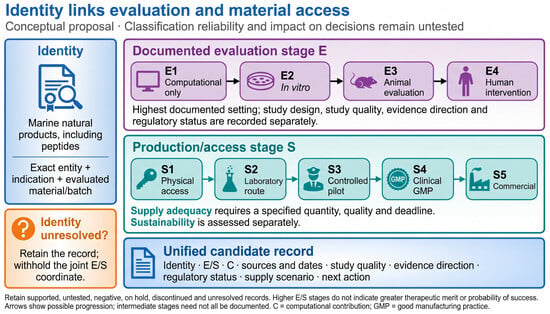
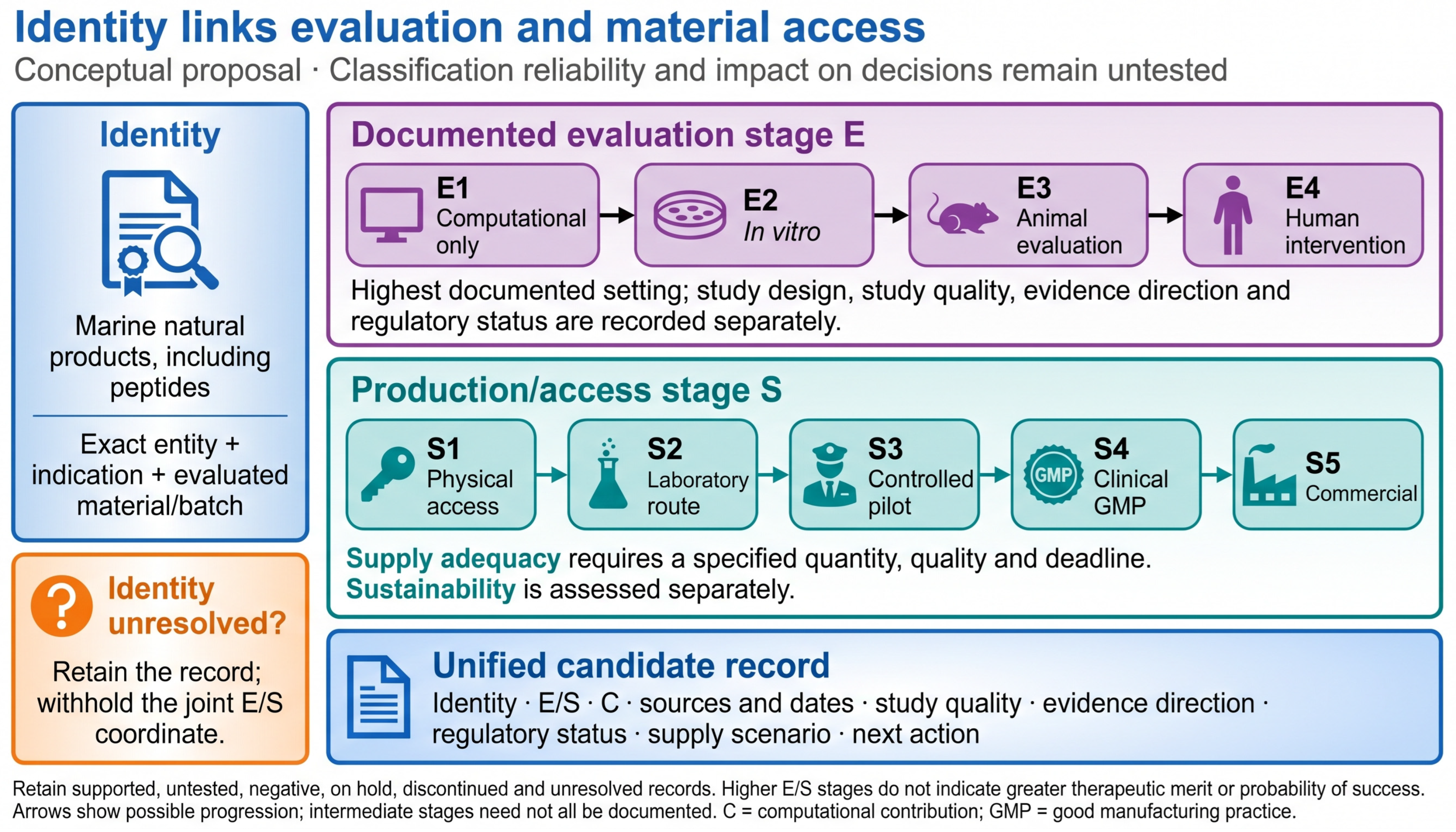
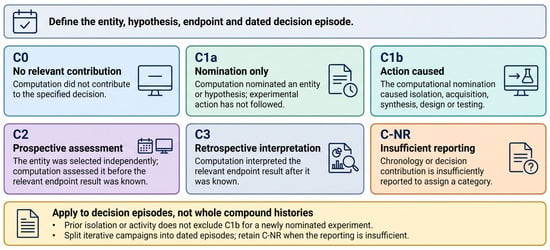
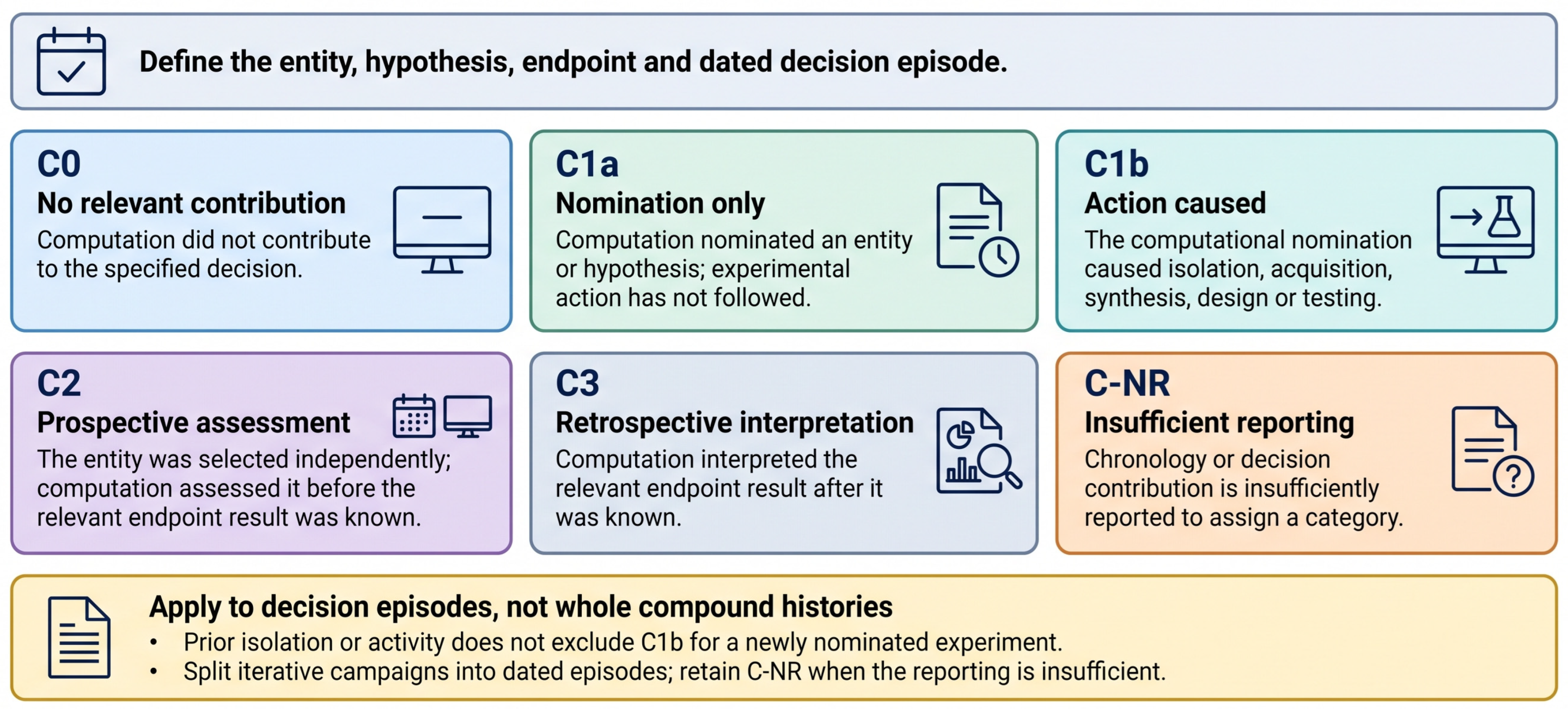
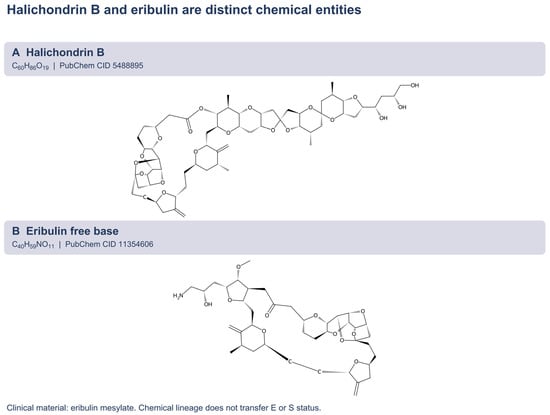
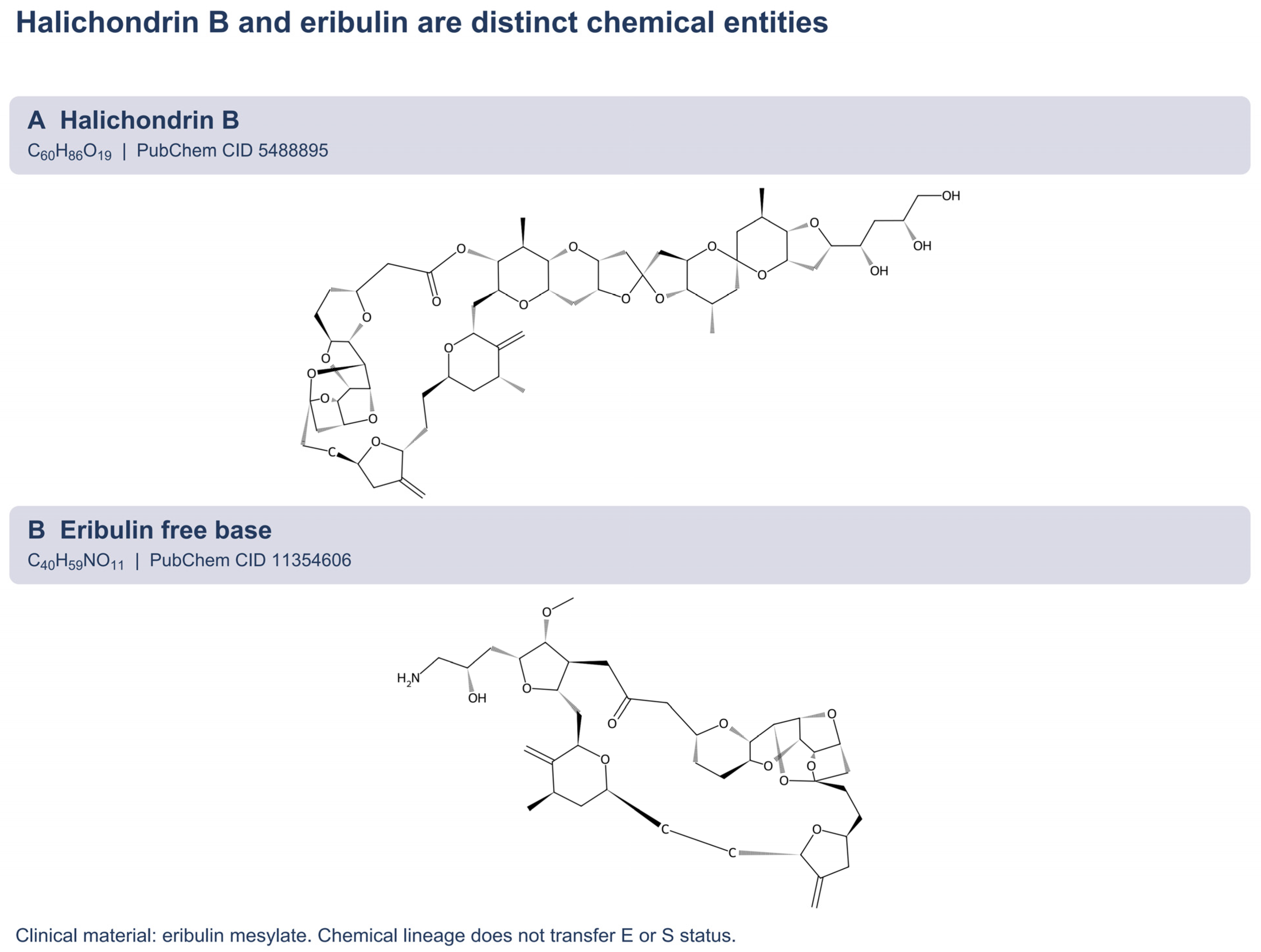
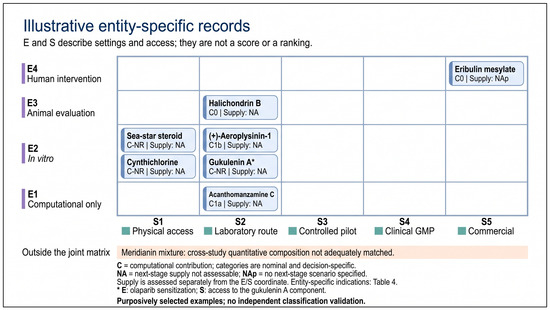
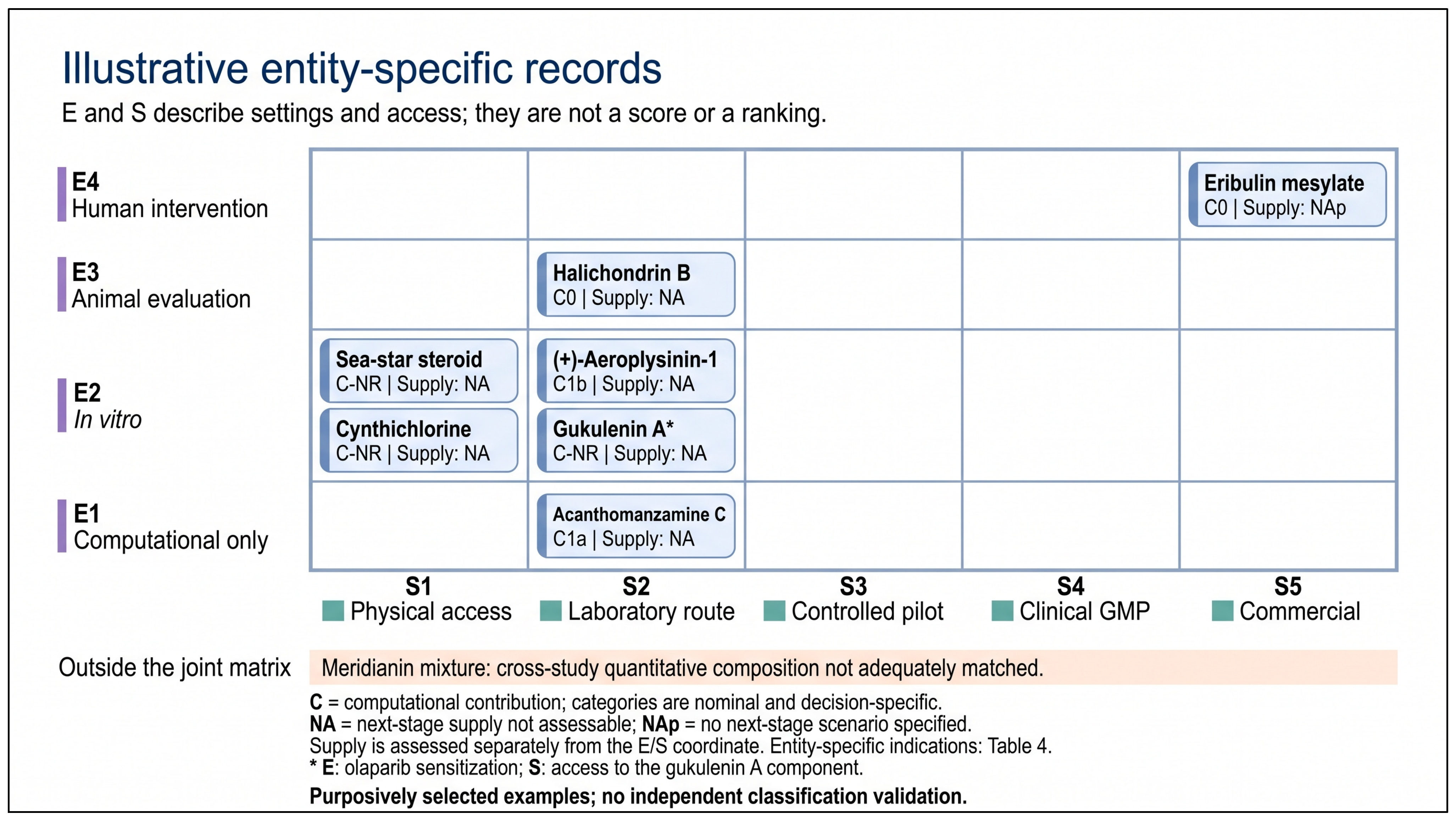
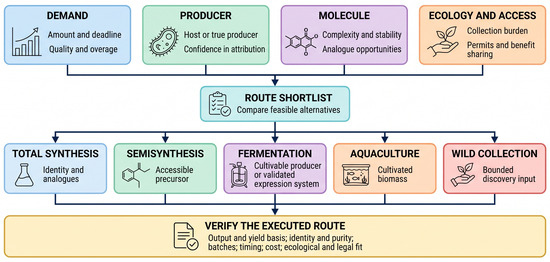
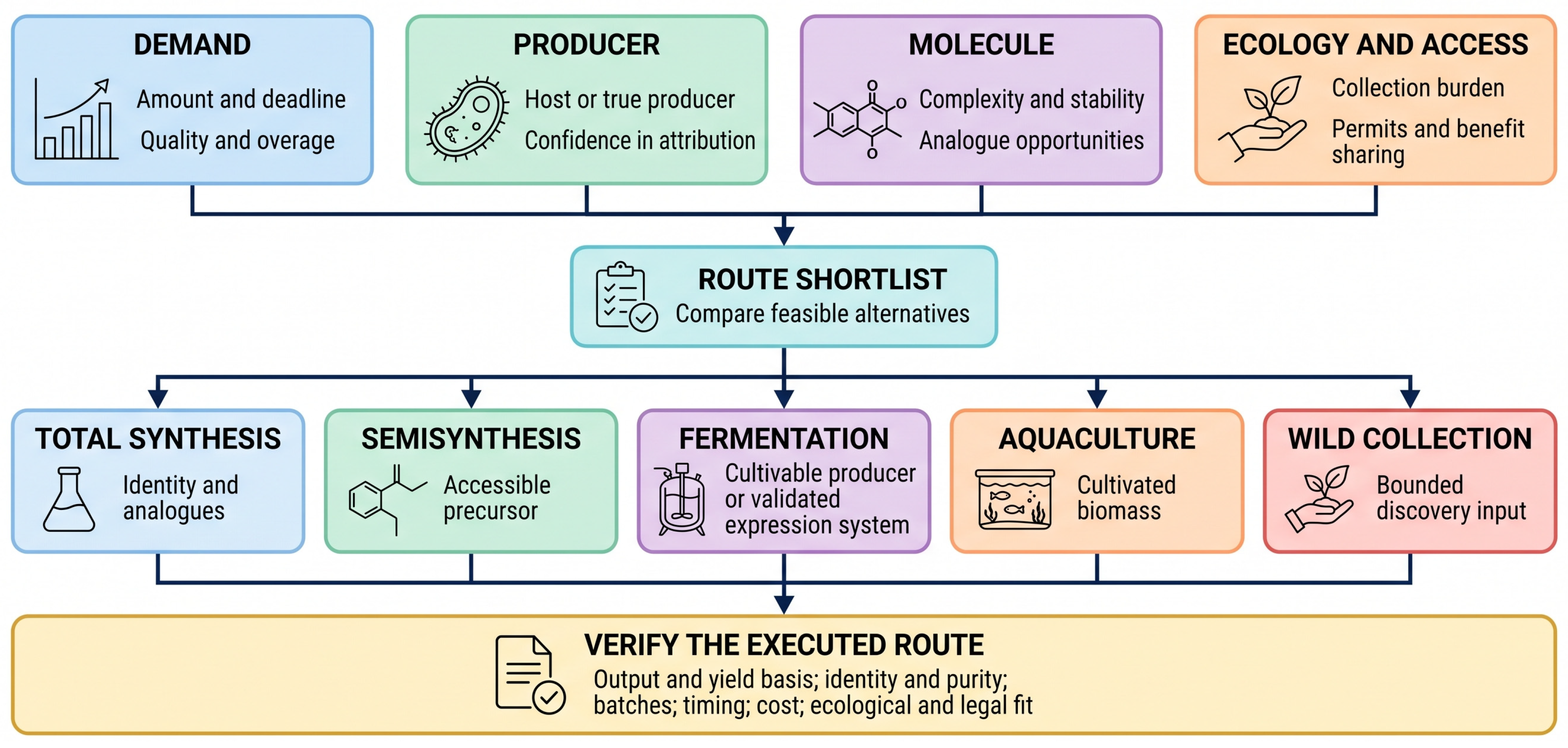

Disclaimer/Publisher’s Note: The statements, opinions and data contained in all publications are solely those of the individual author(s) and contributor(s) and not of MDPI and/or the editor(s). MDPI and/or the editor(s) disclaim responsibility for any injury to people or property resulting from any ideas, methods, instructions or products referred to in the content. |
© 2026 by the authors. Licensee MDPI, Basel, Switzerland. This article is an open access article distributed under the terms and conditions of the Creative Commons Attribution (CC BY) license.