1. Introduction
Ischemic stroke, frequently referred to simply as “stroke,” stands among the foremost causes of disability and death worldwide [
1]. Its core pathological mechanism involves reperfusion injury following cerebral ischemia—a process wherein the restoration of blood flow, while attempting to salvage threatened brain tissue, exacerbates oxidative stress, inflammatory responses, and cellular energy crisis [
2,
3,
4]. This cascade ultimately leads to blood–brain barrier disruption and neuronal death [
5]. Currently, treatment options targeting this complex pathological process remain limited, underscoring an urgent need for novel neuroprotective strategies with clinical translational potential.
In recent years, endogenous gasotransmitters, especially hydrogen sulfide (H
2S), have attracted considerable interest due to their demonstrated protective roles in various neurological conditions [
6]. Exogenous supplementation with hydrogen sulfide (H
2S) or its donors has been demonstrated to exert potent antioxidant, anti-inflammatory, and anti-apoptotic activities across diverse experimental models of brain injury [
7,
8]. Nevertheless, the specific molecular targets and downstream signaling cascades mediating these cytoprotective actions remain poorly defined, thereby limiting the full therapeutic realization of H
2S.
NAMPT functions as the rate-limiting enzyme within the mammalian NAD
+ salvage biosynthesis pathway [
9,
10]. As an essential cofactor in numerous redox reactions, NAD
+ constitutes a metabolic cornerstone for mitochondrial respiratory chain function, DNA repair, and the activity of sirtuin family proteins [
11,
12]. Under ischemic stress, NAD
+ levels decline precipitously, resulting in impaired ATP production and mitochondrial dysfunction—key drivers of cellular demise [
13,
14,
15]. Consequently, maintaining or enhancing NAMPT activity to stabilize NAD
+ pools has emerged as a promising neuroprotective strategy. Notably, protein S-sulfhydration—a reversible post-translational modification mediated by H
2S, analogous to phosphorylation—regulates protein activity, localization, and interactions via the addition of sulfhydryl groups to cysteine residues [
16,
17,
18]. Given the biological effects of H
2S and the central role of the NAMPT/NAD
+ axis in cellular energy homeostasis, we hypothesize that H
2S may enhance NAMPT enzymatic activity through S-sulfhydration of critical cysteine residues, thereby representing a core mechanism underlying its protective role on cerebrovascular ECs and mitochondrial function.
Cerebrovascular ECs constitute the structural and functional basis of the blood–brain barrier [
19]. As the first line of defense against ischemic reperfusion injury, their dysfunction significantly exacerbates cerebral edema and neuroinflammation [
20,
21]. However, whether and how H
2S directly regulates NAMPT via post-translational modification to influence the NAD
+ salvage pathway in cerebrovascular endothelial cells during I/R injury remains entirely unknown. Here, we report for the first time that H
2S exerts its cerebrovascular protective effects by S-sulfhydrating NAMPT, thereby preserving its enzymatic activity, maintaining NAD
+ homeostasis, and protecting mitochondrial function. And we report for the first time that H
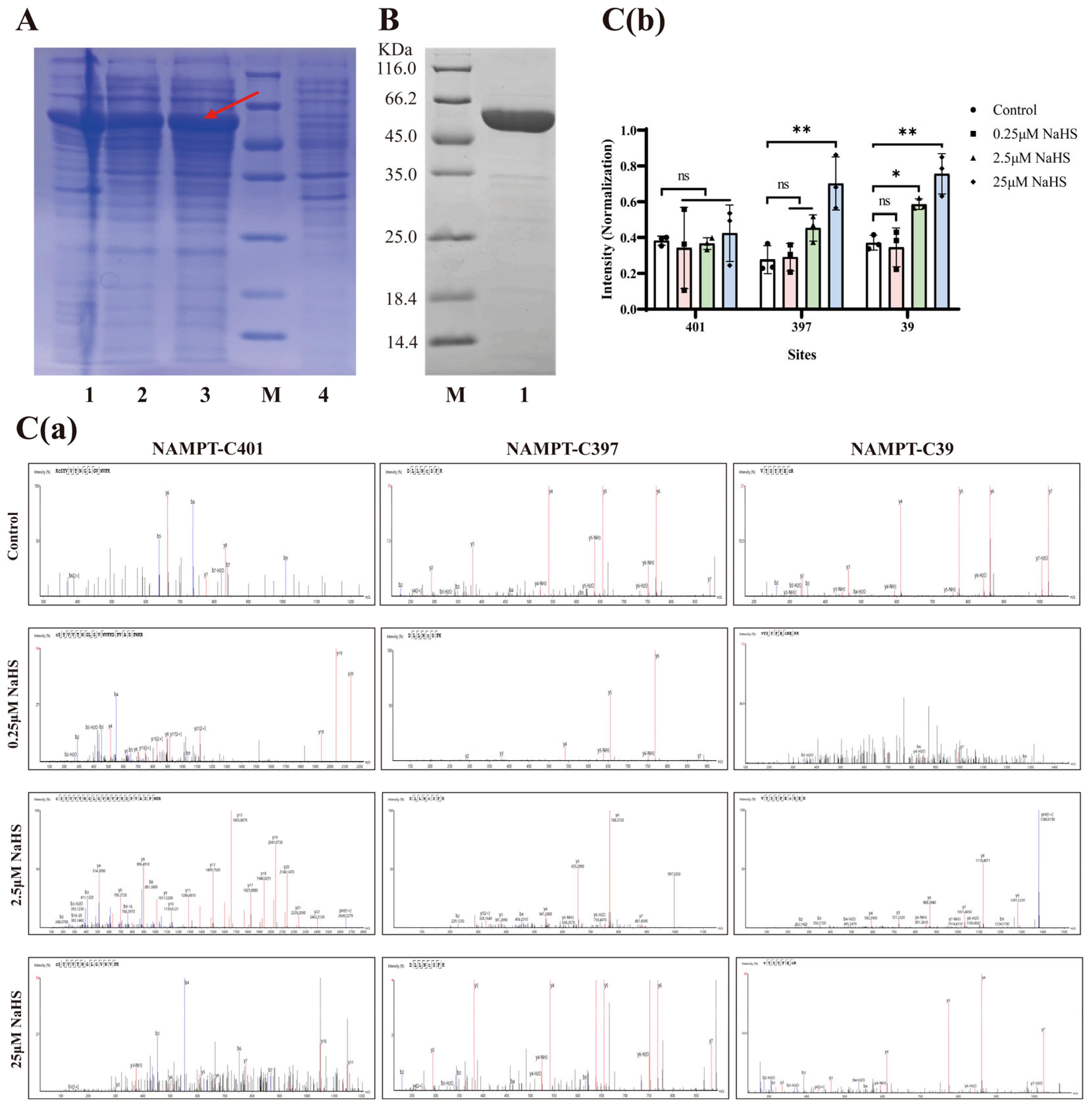
2S significantly enhances S-sulfhydration of NAMPT at Cys39 and Cys397. This H
2S-NAMPT-NAD
+–mitochondria signaling axis represents a novel mechanistic insight into the endogenous defense against cerebral I/R injury. Therefore, this study focuses primarily on cerebrovascular ECs, aiming to systematically investigate whether H
2S modulates intracellular NAD
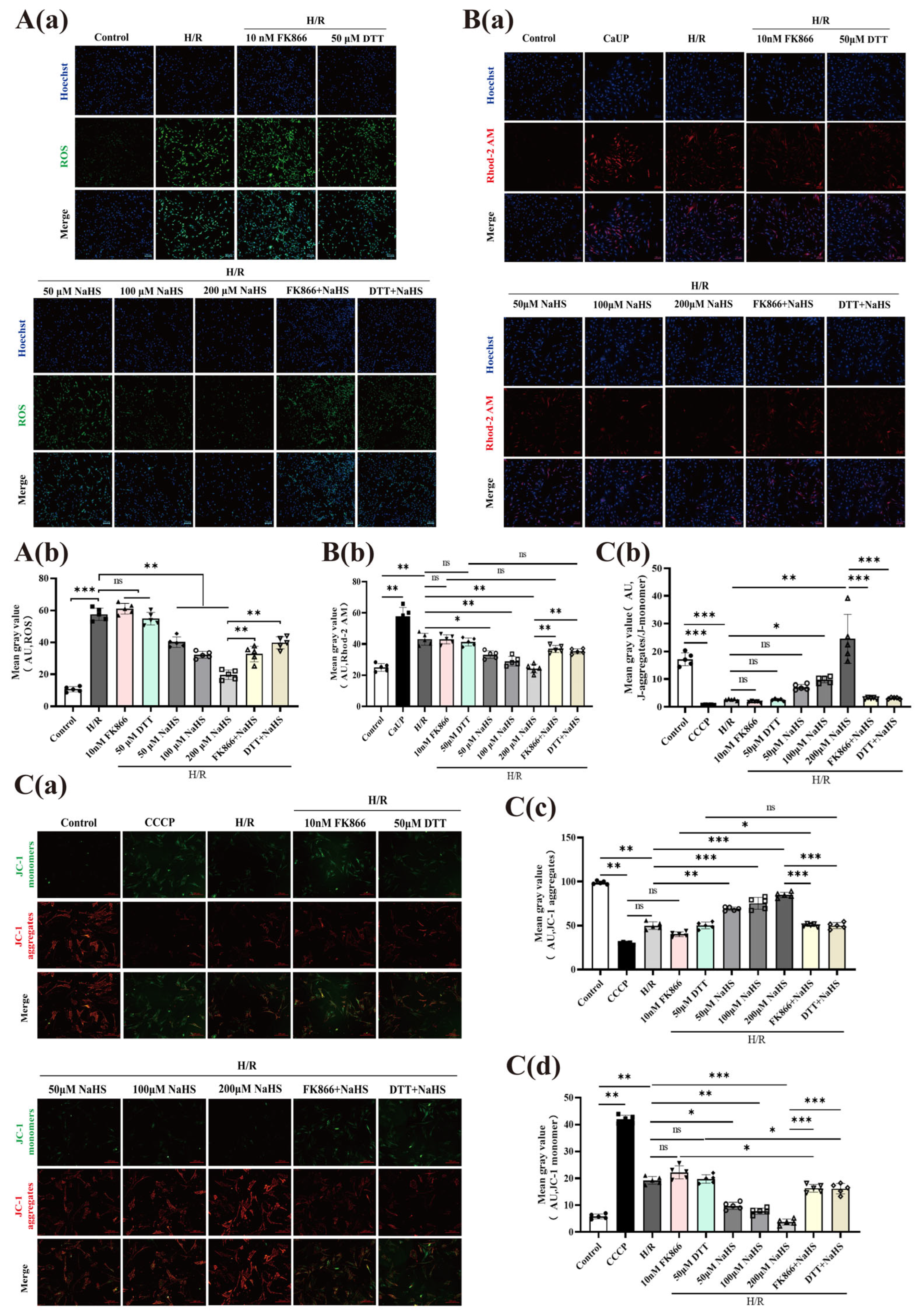
+/ATP levels via NAMPT S-sulfhydration, thereby improving mitochondrial function—including membrane potential, reactive oxygen species (ROS) production, and calcium homeostasis—and regulating autophagic activity. Ultimately, this work seeks to elucidate how H
2S mitigates damage in models of ischemic stroke simulated by H/R and MCAO/R. A multidisciplinary approach incorporating molecular biology, cellular metabolomics, and animal behavioral assays will be employed.
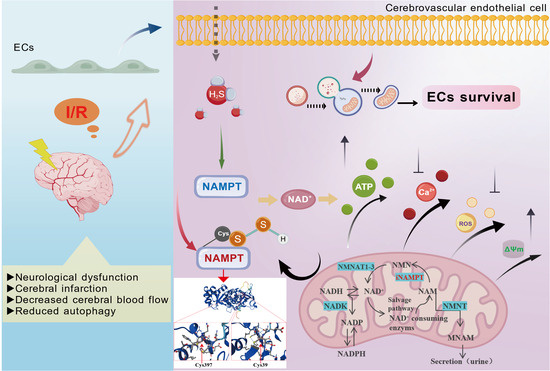
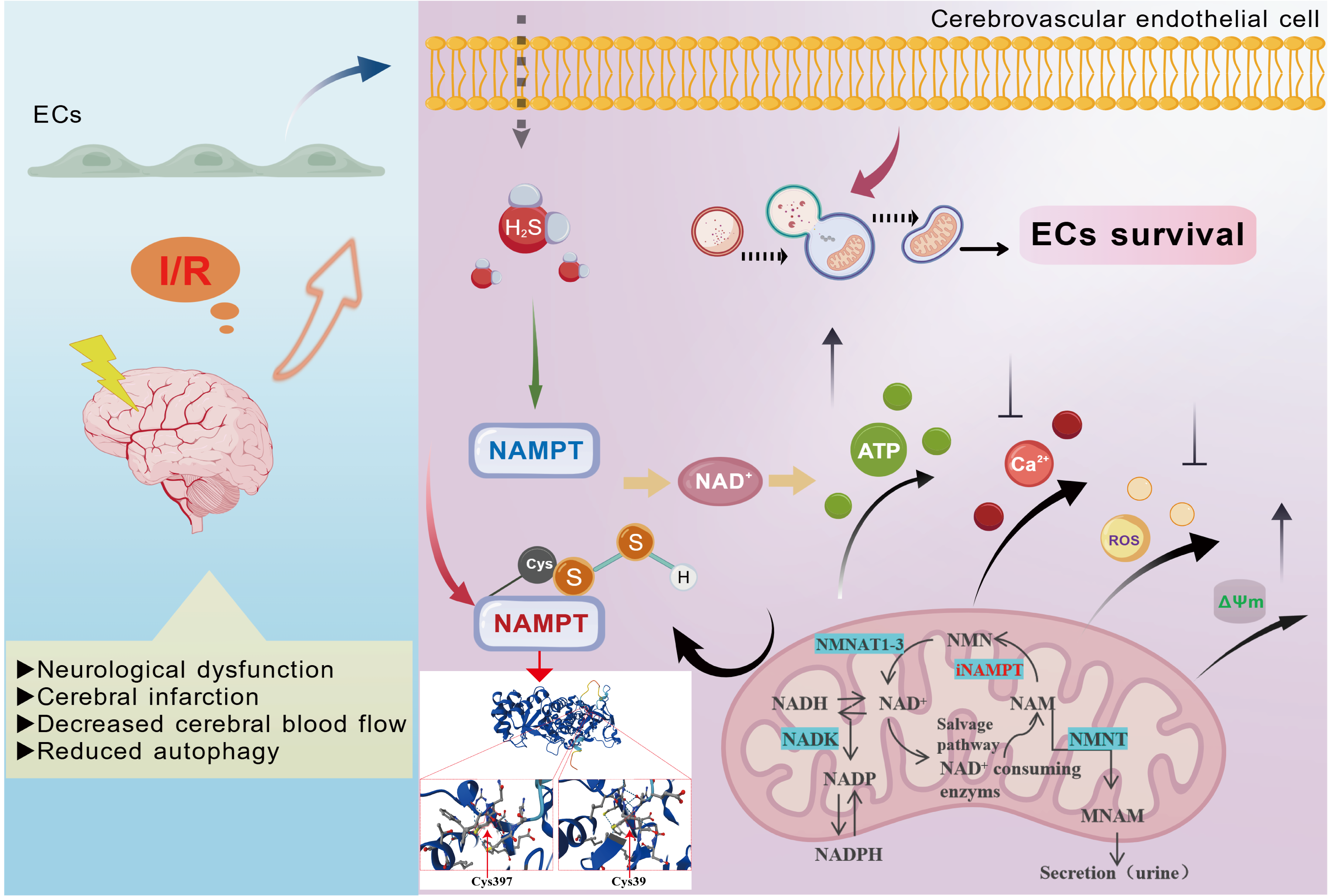
In summary, our study identifies NAMPT as a novel functional target of H2S in cerebrovascular endothelial cells. We demonstrate that H2S-mediated S-sulfhydration of NAMPT is a critical mechanism that sustains NAD+ biosynthesis and mitochondrial integrity during I/R injury. And H2S significantly enhances S-sulfhydration of NAMPT at Cys39 and Cys397 in vitro. These findings elucidate a previously unrecognized H2S-NAMPT-NAD+ signaling axis in cerebrovascular protection, offering a potential new therapeutic avenue for ischemic stroke.
3. Discussion
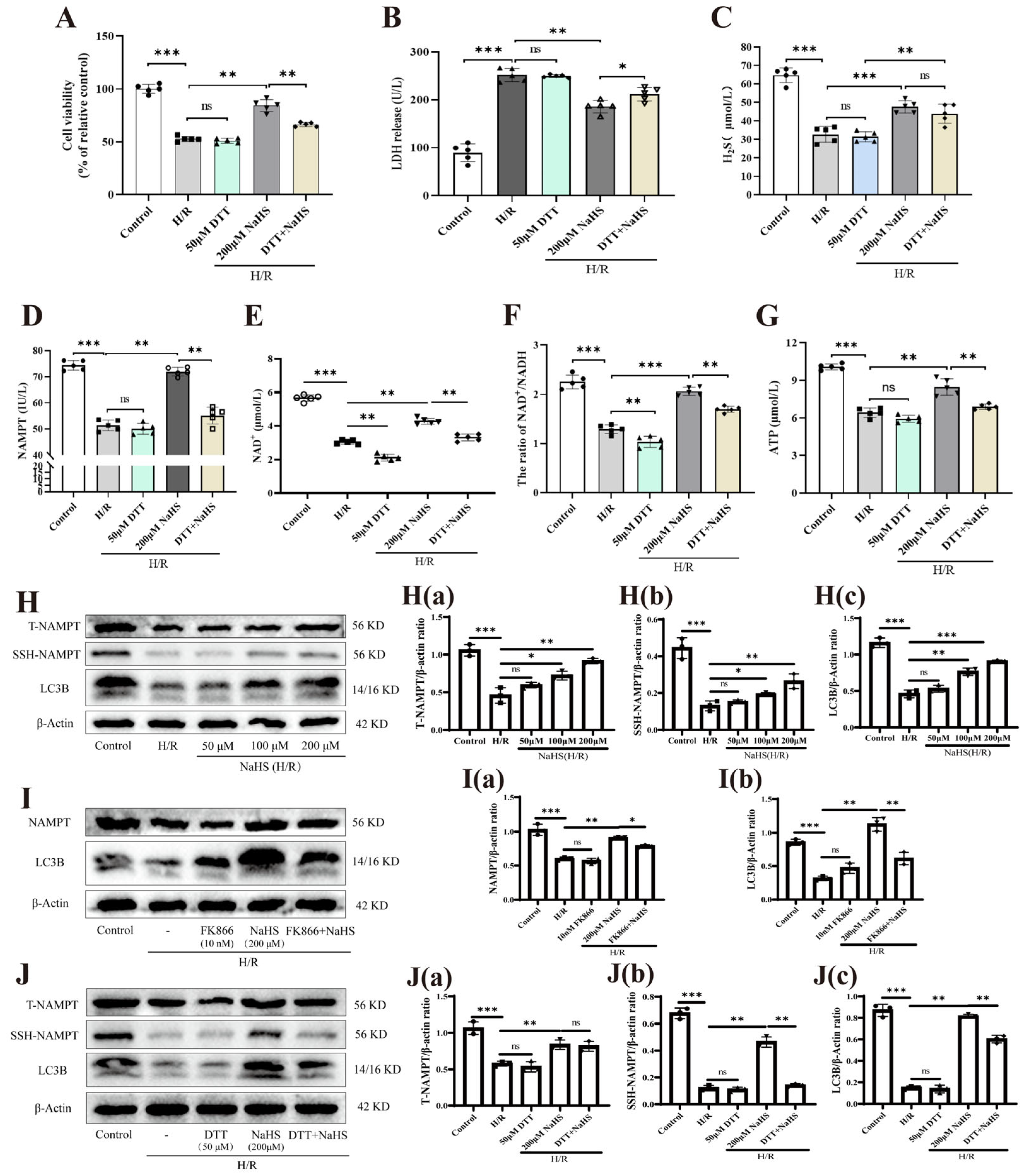
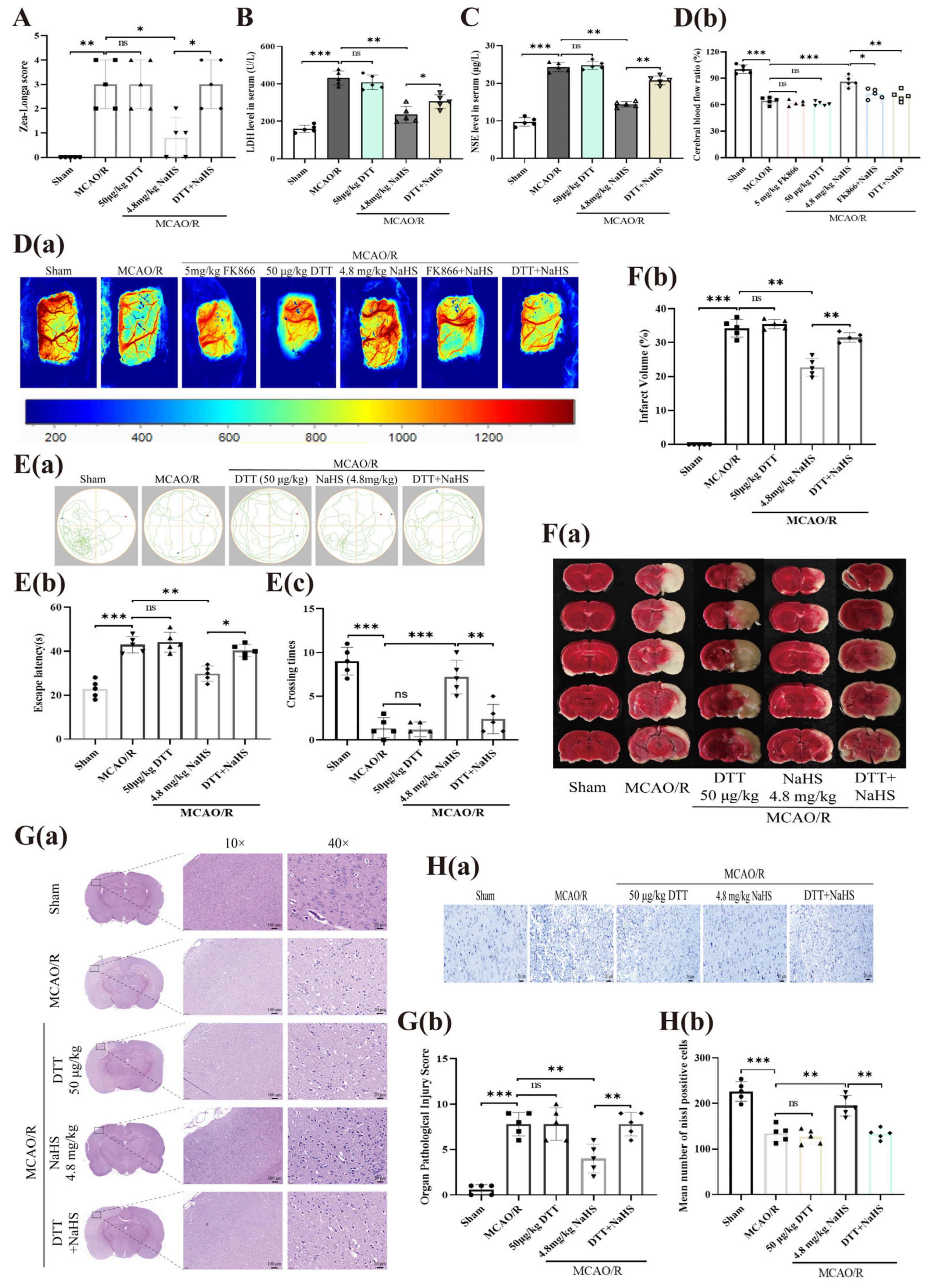
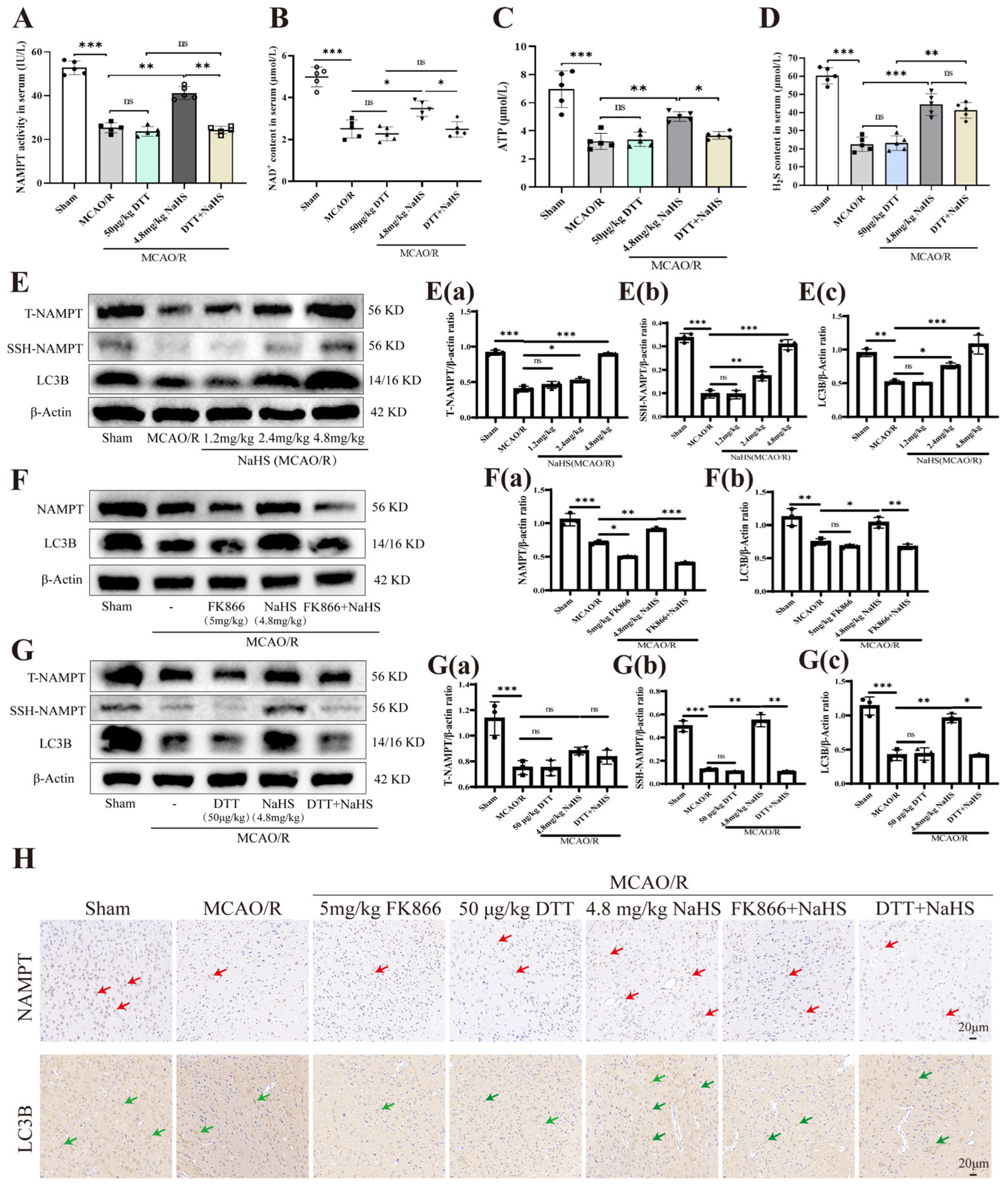
The present study firstly demonstrates that H2S protects against cerebral I/R injury by sulfhydrating NAMPT, thereby activating the NAD+-ATP axis and enhancing autophagic activity, which collectively safeguard cerebrovascular ECs and brain tissue. These findings provide new insights into the mechanisms of H2S as a neuroprotective molecule and establish a theoretical foundation for the development of therapeutic strategies against cerebral I/R injury.
Cerebral I/R injury is a major pathological contributor to neurological deficits following ischemic stroke, involving mechanisms such as oxidative stress, calcium overload, inflammatory responses, and mitochondrial dysfunction [
22,
23,
24]. Although current recanalization therapies (e.g., thrombolysis and thrombectomy) can partially restore blood flow, they are often accompanied by reperfusion injury, which limits their clinical benefits [
25,
26]. Thus, identifying adjunctive strategies to alleviate I/R injury is of significant clinical importance. In recent years, the gas signaling molecule H
2S has attracted increasing attention due to its anti-inflammatory, antioxidant, and anti-apoptotic effects observed across multiple disease models [
27,
28,
29]. This study further narrows its mechanistic focus to NAMPT—a central regulatory enzyme in energy metabolism—and its post-translational modification.
NAMPT serves as the rate-limiting enzyme in the NAD
+ salvage pathway and plays a key role in maintaining cellular energy homeostasis and mitochondrial function [
30,
31,
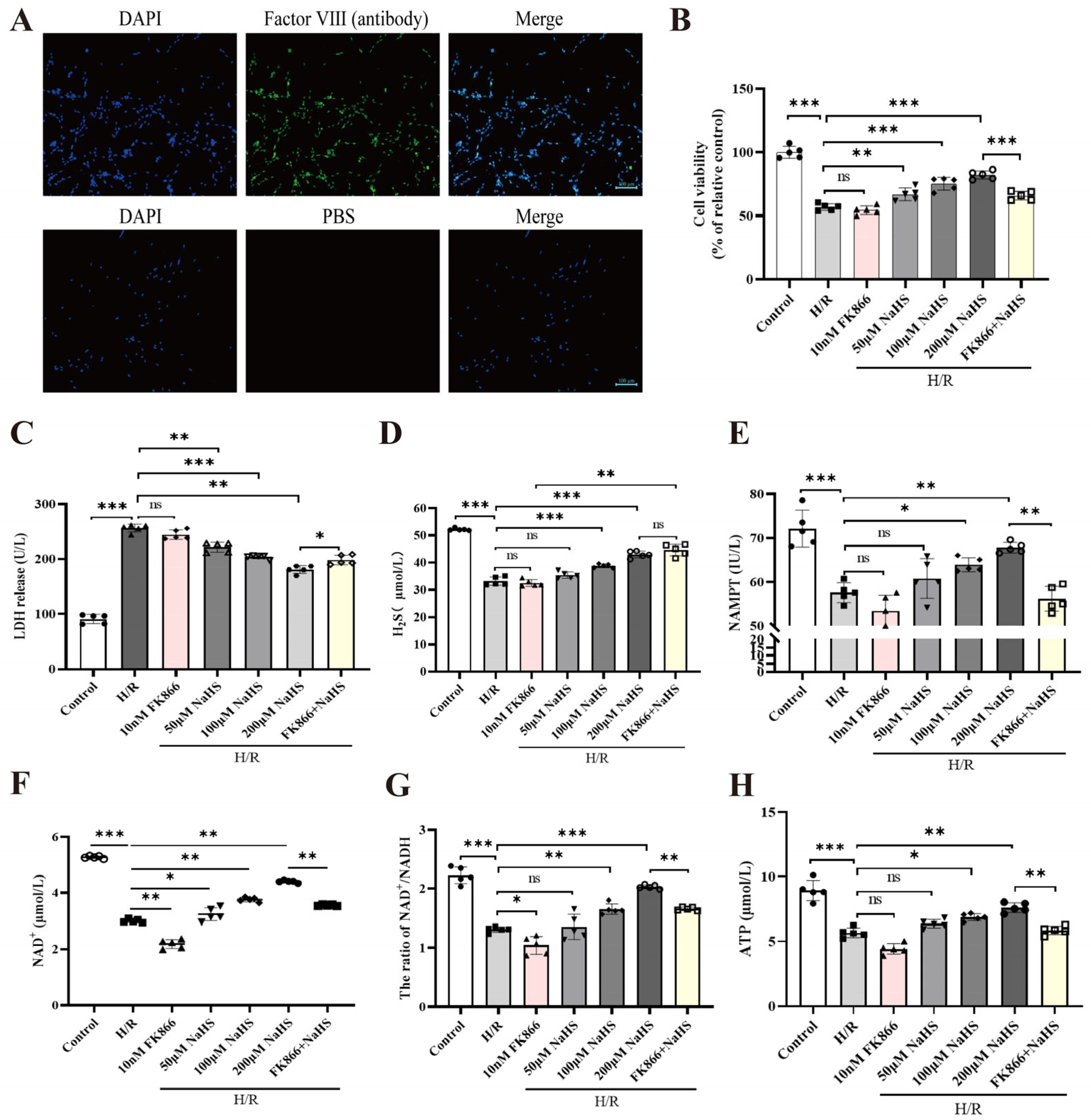
32]. Our results indicate that, in a H/R model, H
2S enhances NAMPT activity via S-sulfhydration, thereby promoting NAD
+ biosynthesis, increasing ATP production, improving mitochondrial membrane potential, and reducing ROS accumulation. This mechanism is particularly prominent in primary cerebrovascular ECs, suggesting that the H
2S-NAMPT-NAD
+ axis plays a central role in cerebral I/R injury protection.
Beyond regulating energy metabolism, this study also revealed that H
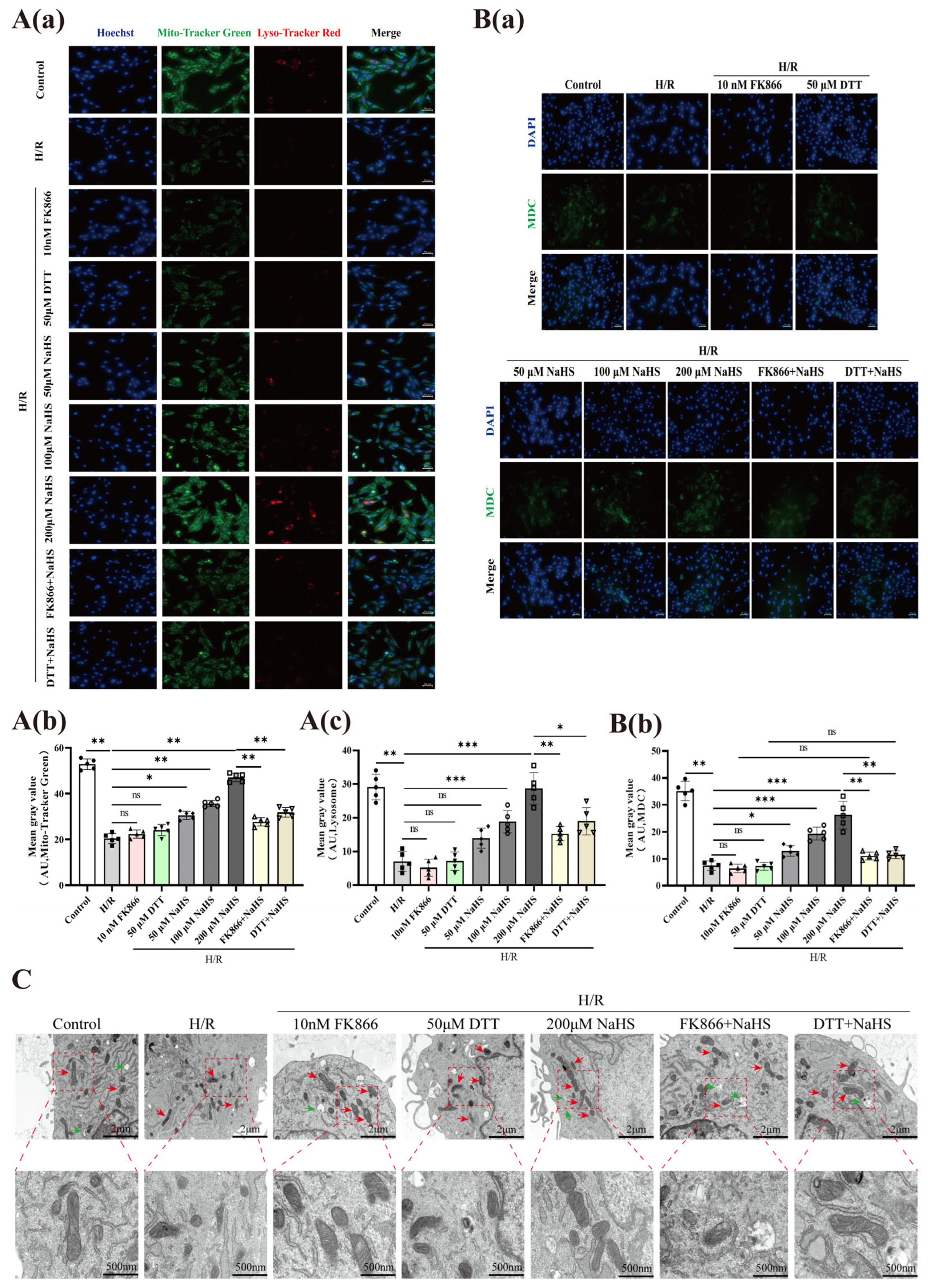
2S promotes autophagic activity, accelerating autophagy of damaged mitochondria and further enhancing cellular homeostasis. Autophagy, an adaptive response under stress, exhibits a dual role in I/R: moderate activation clears damaged organelles, whereas excessive activation may trigger cell death [
33]. The H
2S-mediated enhancement of autophagy observed here is clearly protective, a process potentially associated with SIRT1 activation—which is NAD
+-dependent—thus providing new clues to the crosstalk between energy metabolism and autophagy. Although our study demonstrated that H
2S promotes autophagic activity in injured cells—evidenced by LC3B expression, fluorescence detection of autophagosomes and lysosomes, and TEM-based observation of their numerical changes at the ultrastructural level—we acknowledge the lack of definitive flux experiments to corroborate this conclusion, which represents a limitation of our experimental design.
From a molecular perspective, protein S-sulfhydration is a reversible post-translational modification involving the addition of a sulfhydryl group to cysteine residues, thereby modulating protein function, subcellular localization, and interactions [
34,
35]. This study experimentally demonstrates that H
2S directly modifies key cysteine residues in NAMPT, enhancing its enzymatic activity and stability. Furthermore, using LC-MS/MS technology [
36], we detected that H
2S significantly promotes the S-sulfhydration of Cys39 and Cys397 sites in NAMPT under in vitro conditions. This finding not only deepens our understanding of H
2S signaling but also expands the known roles of redox modifications in cerebrovascular diseases.
Our present study demonstrates that H
2S protects against cerebral I/R injury by S-sulfhydrating NAMPT, thereby enhancing NAD
+ biosynthesis, mitochondrial function, and autophagy in cerebrovascular ECs. Partial validation results are similar to several recent reports showing that exogenous H
2S promotes PINK1/Parkin-mediated mitophagy to alleviate cerebral I/R injury [
37]. Moreover, the role of NAMPT as an upstream regulator of autophagy is supported by evidence that astrocyte-derived exosomal NAMPT activates AMPK/mTOR signaling to induce neuroprotection [
38]. However, notable differences exist. While Zhao et al. [
38] focused on NAMPT derived from astrocytic exosomes acting on neurons, our study identifies endothelial intracellular NAMPT as the direct target of H
2S-mediated S-sulfhydration. Additionally, a study on spinal cord I/R reported that a slow-releasing H
2S donor (GYY4137) inhibited neuronal cell death via anti-PANoptosis, rather than mitophagy [
39], suggesting context-dependent mechanisms across different tissues. A cardiac study further showed that H
2S-dependent S-sulfhydration of mitochondrial complexes I–V controlled respiration in diabetic hearts [
40], reinforcing the importance of S-sulfhydration as a conserved regulatory mechanism across organ systems. Together, these convergent and divergent lines of evidence highlight that the H
2S-NAMPT-NAD
+ axis operates in a cell-type- and modification-specific manner, offering a refined therapeutic target for next-generation neuroprotective strategies.
Nevertheless, certain constraints warrant acknowledgment. Primarily, as all investigations were confined to cellular and animal models, the absence of validation using clinical specimens from stroke patients restricts the immediate translational applicability of these results. Additionally, the modest sample size may compromise the statistical robustness of specific findings; consequently, future inquiries employing larger cohorts and multi-center designs are essential. Moreover, given that this research predominantly examined endothelial cells (ECs), the influence of H2S on other neural constituents, including neurons and glial cells, remains to be clarified. Furthermore, while FK866 and DTT are widely used tools to inhibit NAMPT and reduce disulfide bonds/S-sulfhydration, respectively, we acknowledge their potential for off-target effects. Finally, systematic assessments regarding the pharmacokinetic profiles of H2S donors, optimal therapeutic timeframes, and long-term safety parameters are required.
Furthermore, although we detected that H2S significantly induces S-sulfhydration at Cys39 and Cys397 of NAMPT in vitro using LC-MS/MS at the designed endpoint of our experiments, we have not yet performed functional validation for these specific sites. Therefore, we can only conclude that H2S exerts a protective effect against hypoxic injury both in vitro and in vivo through S-sulfhydration of NAMPT, rather than stating that H2S acts specifically via S-sulfhydration of NAMPT at Cys39 and Cys397. We explicitly state this as a limitation and suggest future experiments.
Despite these limitations, the findings of this study hold substantial scientific and clinical significance. We propose a novel signaling pathway wherein H2S S-sulfhydrates NAMPT, upregulates NAD+ levels, improves mitochondrial function, and activates protective autophagy, thereby alleviating I/R-induced cerebrovascular endothelial injury. This mechanism not only identifies a potential therapeutic target for ischemic stroke but also provides a rationale for developing H2S-based neuroprotective agents. Future research should focus on: (1) validating this pathway in more human-relevant models such as organoids or humanized systems; (2) developing small-molecule regulators targeting NAMPT S-sulfhydration; and (3) investigating the efficacy of H2S in comorbid models such as diabetic stroke.
4. Materials and Methods
4.1. Regents and Drugs
Sodium hydrosulfide (NaHS) was purchased from Sigma (St. Louis, MO, USA, Catalog #: 161527). Daporinad (FK866), dithiothreitol (DTT), and Cell Counting Kit-8 (CCK-8) were purchased from MedChemExpress (Beijing, China, Catalog #: HY-50876, HY-15917, HY-K0301). Polyclonal antibodies against Factor VIII (AF0156) and β-Actin (AF7018) were obtained from Affinity Biosciences. The NAMPT monoclonal antibody was purchased from Proteintech (Wuhan, China, Catalog #: 66385-1-Ig). The LC3B antibody and secondary antibody were purchased from Servicebio (Wuhan, China, Catalog #: GB113801, GB23303). The hydrogen sulfide (H2S) content assay kit was purchased from Elabscience (Shanghai, China, Catalog #: E-BC-K355-M). The lactate dehydrogenase (LDH) assay kit was purchased from Nanjing Jiancheng Bioengineering Institute (Nanjing, China, Catalog #: A020-2-2). The adenosine triphosphate (ATP) assay kit was purchased from Jingmei Biotechnology (Yancheng, China, Catalog #: JM-10331R2). The nicotinamide phosphoribosyltransferase (NAMPT), nicotinamide adenine dinucleotide (NAD+) and Neuronal specific enolase (NSE) assay kits were purchased from Jiangsu Meimian Industrial Co., Ltd. (Yancheng China, Lot #: MM-0953R2, MM-50259R2, MM-0069R2). Assay kits for reactive oxygen species (ROS), calcium ion (Ca2+), mitochondrial membrane potential, mitochondria, lysosomes, and autophagosomes were purchased from Beyotime (Shanghai, China, Catalog #: S0033S, S1062, C2006, C1996, C1046, C3018). MCAO filament (L3600, Jialing Biotech, Guangzhou, China).
4.2. Experimental Animals
Sprague-Dawley (SD) rats, aged 4–6 weeks with body weights ranging from 200 to 220 g, were procured from the Experimental Animal Center at Anhui Medical University. Throughout the study, animals were accommodated within the university’s Animal Center facility, enjoying unrestricted access to both diet and hydration. Environmental parameters were strictly regulated, maintaining relative humidity at 54 ± 2% and ambient temperature at 22 ± 2 °C. Every experimental maneuver received formal approval from the Ethics Committee of Anhui Medical University (Certification No. LLSC 20200829; Certification date: 1 March 2020) and was executed in full compliance with protocols set forth by the institution’s Animal Care and Use Committee. Furthermore, these procedures adhered to the ethical standards detailed in the National Institutes of Health (NIH) Guide for the Care and Use of Laboratory Animals (Publication No. 85-23, revised 2011).
Randomization and Blinding: Rats were randomly assigned to experimental groups (e.g., sham, model, and treatment) using a computer-generated randomization sequence. The allocation sequence was concealed in opaque sealed envelopes and was performed by an investigator not involved in any subsequent procedures. All surgical procedures, including induction of ischemia and drug administration, were carried out by a researcher blinded to group assignment. Neurological deficit scores were assessed by an experienced observer who was unaware of the treatment conditions. For infarct volume analysis and histological evaluation, brain sections were coded, and measurements were performed by a technician blinded to the experimental groups. The blinding was maintained until all data collection and primary analyses were completed.
4.3. Primary Cultures of Rat Cerebrovascular ECs and Identification
The isolation and subsequent cultivation of cerebrovascular endothelial cells (ECs) followed established methodologies [
41]. Briefly, SD rats were anesthetized prior to brain extraction; harvested tissues were immediately immersed in ice-cold phosphate-buffered saline (PBS) containing penicillin and streptomycin. Under microscopic visualization, microvessels, specifically including the basilar and middle cerebral arteries, were meticulously dissected. These vascular segments were minced and subjected to enzymatic digestion using collagenase within a 37 °C water bath, accompanied by periodic gentle agitation. Post-digestion, the suspension underwent centrifugation, after which the supernatant was aspirated. The remaining pellet was resuspended in specialized endothelial growth medium and plated into culture flasks. Incubation occurred at 37 °C in an atmosphere enriched with 5% CO
2. Twenty-four hours post-seeding, the medium was exchanged to eliminate non-adherent debris. Cultures were monitored routinely, with media replacements performed at regular intervals. Upon reaching approximately 80% confluency, cells were subcultured. Phenotypic identification was confirmed via immunofluorescence staining targeting Factor VIII, a specific marker for endothelial cells.
4.4. Establishment of H/R Injury
The H/R injury model in ECs was constructed according to previously reported protocols [
42]. In summary, cells underwent washing with PBS, followed by replacement of the standard medium with glucose-free formulation. Subsequently, ECs were exposed to a hypoxic environment comprising 1% O
2, 95% N
2, and 4% CO
2 for a duration of 4 h. Immediately following hypoxic insult, the medium was swapped for complete endothelial cell medium (ECM), and cultures were returned to normoxic conditions (37 °C, 95% air, 5% CO
2) to facilitate a 6 h reoxygenation period. Control groups remained under continuous normoxic conditions without hypoxic exposure.
Regarding experimental grouping and pharmacological intervention, subjects were allocated into the following cohorts: Control, H/R, NaHS (50, 100, or 200 μM), FK866 (10 nM), DTT (50 μM), FK866 (10 nM) combined with NaHS (200 μM), and DTT (50 μM) combined with NaHS (200 μM). With the exception of the Control group, all other cohorts underwent H/R induction followed by a 24 h drug treatment regimen. NaHS, FK866, or DTT was added to the culture medium 1 h after H/R. Stock solutions of NaHS, FK866, and DTT were prepared in physiological saline and utilized immediately upon preparation to ensure stability.
4.5. Determination of Cell Viability and Biochemical Measurement
Sample Preparation Protocol: Cell Samples: After subjecting the cells to H/R modeling and treatment, first collect the cell culture supernatant into centrifuge tubes. Subsequently, detach the cells and collect them into new centrifuge tubes. Resuspend the cell pellet using the previously collected supernatant. The resulting cell suspension is then subjected to low-temperature ultrasonication for lysis. Post-lysis, samples were centrifuged at 4 °C and 12,000× g for 10 min. The resulting supernatant was collected and transferred to a fresh centrifuge tube for low-temperature storage.
Serum Samples Preparation: Following the conclusion of the experiment, anesthetize the rats and open the abdominal cavity to expose the heart. Prior to cardiac perfusion, draw an appropriate amount of blood using a syringe. The blood samples were allowed to clot at room temperature for 10 min, followed by centrifugation at 4 °C and 3000× g for 10 min. Collect the supernatant for subsequent analysis
Cell viability was quantified via the CCK-8 assay by measuring absorbance at 450 nm. Concentrations of lactate dehydrogenase (LDH), neuron-specific enolase (NSE), hydrogen sulfide (H2S), nicotinamide phosphoribosyltransferase (NAMPT) activity, nicotinamide adenine dinucleotide (NAD+), and adenosine triphosphate (ATP) were determined using commercially available kits strictly following the manufacturers’ instructions.
4.6. Western Blotting
Protein extraction and Western blot analysis were conducted as follows: Cells were washed twice with ice-cold phosphate-buffered saline (PBS) and lysed using RIPA lysis buffer. Protein concentration was assessed via the bicinchoninic acid (BCA) method. Equal amounts of protein were mixed with loading buffer, denatured by boiling, and separated by sodium dodecyl sulfate–polyacrylamide gel electrophoresis (SDS-PAGE). Proteins were then electrotransferred onto polyvinylidene difluoride (PVDF) membranes. Membranes were blocked with Tris-buffered saline containing 0.1% Tween-20 (TBST) supplemented with 5% non-fat skim milk for 2 h at room temperature, followed by overnight incubation with primary antibodies at 4 °C. After thorough washing, membranes were incubated with horseradish peroxidase (HRP)-conjugated secondary antibodies for 2 h at room temperature. Immunoreactive bands were visualized using enhanced chemiluminescence (ECL) and captured with a digital imaging system. Densitometric analysis of target bands was performed using ImageJ software (Rasband, W.S., ImageJ, U. S. National Institutes of Health,
https://imagej.net/ij/ URL (accessed on 4 November 2025)).
4.7. Biotin Switch Assay
The biotin switch technique was employed to detect S-sulfhydrated proteins in endothelial cells (ECs) and brain tissues, adapted from a previously established protocol with minor modifications [
43]. Briefly, protein lysates were treated with methyl methanethiosulfonate (MMTS) at a final concentration of 25 mmol/L and incubated at 50 °C for 20 min under constant agitation in a water or metal bath. Subsequently, two volumes of acetone were added, mixed by gentle inversion, and proteins were precipitated at −20 °C for 20 min. Following centrifugation at 15,000×
g for 10 min at 4 °C, the supernatant was discarded. The pellet was resuspended in 1 mL of acetone and re-centrifuged under identical conditions. After removing the supernatant, an additional dry centrifugation step was carried out to eliminate residual liquid (this wash may be omitted if sample quantity is limited). The resulting pellet was resuspended in 50–400 μL of HEN buffer containing 4 mmol/L Biotin-HPDP (prepared as a 40 mmol/L stock in dimethyl sulfoxide) and incubated at 37 °C for 2 h. After another centrifugation at 15,000×
g for 10 min at 4 °C, the supernatant was transferred to a new 1.5 mL tube as the final sample. An equal volume of non-reducing SDS loading buffer (5% SDS, 250 mmol/L Tris-HCl pH 6.8, 0.01% bromophenol blue) was added, thoroughly mixed, and incubated at 37 °C for 5 min. Samples were then resolved by SDS-PAGE and subjected to Western blot analysis.
4.8. Fluorescence Staining Assay
Fluorescent staining was performed according to the manufacturer’s instructions (Beyotime, China). Mitochondrial Membrane Potential (JC-1): “Cells were incubated with 2 µM JC-1 at 37 °C for 20 min. CCCP (10 µM, 30 min) was used as a positive control for depolarization.” Mitochondrial Ca
2+ (Rhod-2 AM): “Cells were loaded with 5 µM Rhod-2 AM for 20 min at 37 °C, washed, and imaged. CaUp (2 µM, 30 min) was used as a positive control for depolarization.” Mitochondrial ROS (DCFH-DA): “Cells were loaded with 10 mM DCFH-DA for 20 min at 37 °C.” Autophagy (mitochondrion, autophagosome and lysosome): “Cells were incubated with 100 nM Mito-Tracker Green, 50 µM MDC or 100 nM Lyso-Tracker Red at 37 °C for 30 min.” Following the incubation period, cells underwent rinsing with phosphate-buffered saline (PBS) and were promptly examined under a fluorescence microscope within a light-shielded environment. Fluorescent signals were subsequently recorded and quantified by calculating the mean fluorescence intensity via ImageJ software (Rasband, W.S., ImageJ, U. S. National Institutes of Health,
https://imagej.net/ij/).
4.9. Transmission Electron Microscopy
Briefly, cells from different treatment groups were collected with TEM fixative, processed according to standard transmission electron microscopy (TEM) sample preparation procedures, and observed under a TEM (HITACHI, Tokyo, Japan). Images were acquired and analyzed.
4.10. MCAO/R Model
The ischemia/reperfusion (I/R) model was induced in rats through middle cerebral artery occlusion/reperfusion (MCAO/R) [
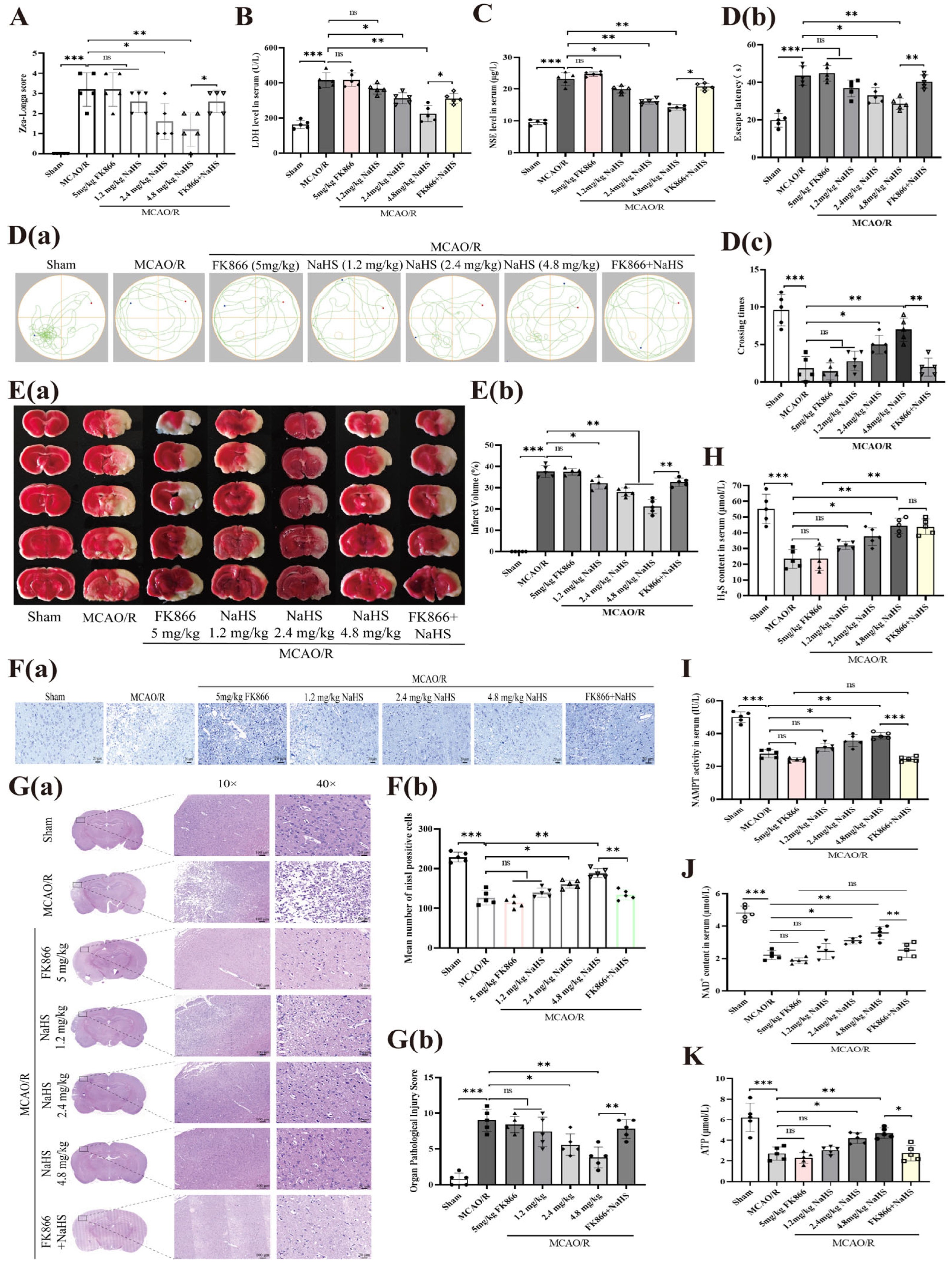
44]. Specifically, Sprague-Dawley rats (220–250 g) were subjected to a 12 h fasting regimen prior to surgical intervention and anesthetized via intraperitoneal administration of sodium pentobarbital (40 mg/kg). Following a midline cervical incision, the right common carotid artery (CCA) was isolated, and a suture was positioned for subsequent use. The proximal CCA was temporarily occluded with an arterial clip, while the external carotid artery was ligated. A minor incision was created on the CCA between the clip and the suture site. A nylon monofilament with a rounded tip (~220 μm diameter) was introduced into the CCA and advanced to the MCA origin to obstruct blood flow. Reperfusion was initiated by withdrawing the suture after 1.5 h. Sham-operated controls underwent identical surgical procedures excluding suture insertion. Core body temperature was strictly maintained at 37.0 ± 0.5 °C throughout the perioperative period. Post-anesthesia neurological function was evaluated using a standardized scoring scale; a score of ≥2 indicated successful model induction.
Neurological Deficit Score Evaluation: The Zea-Longa score quantifies the severity of neurological deficits in rats by observing their spontaneous behaviors in the awake state. Scores range from 0 to 4, with higher scores indicating more severe neurological impairment. References to the
Supplementary Table S1 are provided for the detailed criteria. The text explicitly states that all behavioral and histopathological assessments were performed by investigators blinded to the experimental groups.
Regarding animal grouping and therapeutic administration, subjects were allocated into the following cohorts: Sham, MCAO/R, NaHS (1.2, 2.4, 4.8 mg/kg), FK866 (5 mg/kg), DTT (50 μg/kg), FK866 (5 mg/kg) + NaHS (4.8 mg/kg), and DTT (50 μg/kg) + NaHS (4.8 mg/kg). Except for the Sham group, all other groups underwent MCAO/R modeling and were subsequently treated with drugs for 7 days. NaHS, FK866, and DTT were prepared using physiological saline and were formulated freshly before use. NaHS or FK866 was administered via intraperitoneal injection 30 min before MCAO and once daily for the subsequent 6 days. DTT was administered via stereotaxic intracerebroventricular injection 30 min before MCAO and once daily for the subsequent 6 days.
4.11. Morris Water Maze Assay
Spatial learning and memory capabilities were assessed using the Morris water maze paradigm. The experimental setup comprised a circular pool, a submerged platform, and an automated video-tracking system. The protocol involved an acclimatization phase, multiple days of acquisition training, and a concluding probe trial. During training sessions, escape latency—defined as the duration from immersion to locating and mounting the hidden platform—was documented. In the probe trial, conducted with the platform removed, spatial memory retention was comprehensively evaluated by measuring the time spent in the target quadrant and the frequency of crossings over the former platform location.
4.12. Determination of Cerebral Blood Flow
Real-time, in vivo monitoring of cortical cerebral blood flow in rats was executed using a laser speckle contrast imaging system. Following anesthesia induction with sodium pentobarbital, cranial fur was shaved, and a midline incision was performed along the sagittal suture to expose the skull. Connective tissues were meticulously cleared to ensure optimal imaging conditions. The cranial surface was maintained at a depth of 76 units, while core body temperature was strictly regulated at 37.0 ± 0.2 °C. Throughout the imaging procedure, the detection probe was positioned approximately 10–12 cm superior to the surgically prepared cranial window. Raw speckle contrast data, derived from light scattering within the targeted cerebral blood flow region, were processed using PimSoft V1.4 software to generate cerebral perfusion maps and compile experimental datasets.
4.13. Evaluation of Cerebral Infarction Volume
Post-ischemia/reperfusion (I/R) infarct volumes in rats were quantified via 2,3,5-triphenyltetrazolium chloride (TTC) staining. Twenty-four hours following model induction, brains were harvested and serially sectioned into five coronal slices, each approximately 2 mm thick. These sections were incubated in a 2% TTC solution at 37 °C in darkness for 20 min, followed by fixation in 4% paraformaldehyde. Viable tissue exhibited red staining, whereas infarcted regions remained pale. Section images were analyzed using ImageJ software (Rasband, W.S., ImageJ, U. S. National Institutes of Health,
https://imagej.net/ij/); infarct volume was calculated based on the volumetric disparity between hemispheres and expressed as a relative percentage.
4.14. Histopathological Examination
Following model establishment, rat brains were excised and fixed in 4% paraformaldehyde prior to paraffin embedding. Tissue sections were cut to a thickness of 3–5 μm and stained with either hematoxylin and eosin (H&E) or toluidine blue. Stained sections were evaluated under a light microscope, with representative fields selected for imaging and subsequent analysis.
Histopathological injury score evaluation: The semi-quantitative scoring system consists of three components: “liquefactive necrosis,” “inflammatory cells,” and “red neurons.” Liquefactive necrosis represents the end-stage manifestation of the ischemic infarct core, marking complete tissue death and dissolution. Inflammatory cells (primarily neutrophils and microglia/macrophages) aggregate as a tissue response to injury; the assessment focuses on the number of inflammatory cells infiltrating perivascular regions and the parenchyma. Red neurons are among the most typical and earliest hallmark morphologies of acute ischemic neuronal necrosis, signifying irreversible neuronal injury; the assessment evaluates the proportion of red neurons present in the field of view. Each component is scored on a scale from 0 to 4, with higher scores indicating more severe tissue damage. The three components are evaluated separately, and then a comprehensive score is calculated. References to the
Supplementary Tables S2–S4 are provided for the detailed criteria. The text explicitly states that all behavioral and histopathological assessments were performed by investigators blinded to the experimental groups.
4.15. Immunohistochemistry Staining Assay
After deparaffinization, brain sections underwent antigen retrieval by heating in 3% citrate buffer (pH 6.0) using a microwave until boiling, then maintaining a sub-boiling temperature for 10–15 min. Sections were blocked with 10% normal serum at room temperature for 1 h, followed by overnight incubation with primary antibodies at 4 °C. Subsequently, secondary antibodies were applied and incubated for 1 h at room temperature. Following development with diaminobenzidine and counterstaining with hematoxylin, sections were examined and imaged via light microscopy.
4.16. Expression and Purification of NAMPT Recombinant Protein in a Prokaryotic System
The prokaryotic His-NAMPT-pET28a(+) plasmid was constructed by Gene Create Biological Engineering Co. (Wuhan, China), which also supplied the *Escherichia coli* strains. Sequencing verified successful plasmid construction. Initially, the target plasmid was transformed into Rosetta (DE3) competent cells, incubated on ice for 30 min, and subjected to heat shock at 42 °C for 90 s. After recovery, cells were plated on LB agar containing kanamycin and incubated at 37 °C overnight to isolate positive single colonies. A single colony was then inoculated into LB liquid medium supplemented with kanamycin and cultured at 37 °C until the optical density at 600 nm (OD600) reached approximately 0.6. Isopropyl β-D-1-thiogalactopyranoside (IPTG) was added to a final concentration of 0.1 mM, and induction proceeded at 37 °C for 4 h. Cells were harvested, lysed, and analyzed by SDS-PAGE. Subsequently, the culture was scaled up at a 1:1000 ratio until OD600 ≈ 0.6. The temperature was lowered to 16 °C, and induction was performed with 0.1 mM IPTG for 8 h. Cells were collected via centrifugation, resuspended in pre-cooled NTA-0 buffer, treated with lysozyme, and disrupted by sonication. Following centrifugation, the supernatant and pellet fractions were isolated and analyzed via SDS-PAGE. Subsequently, the supernatant was filtered through a 0.22 μm membrane and applied to a Ni-NTA column at a flow rate of 1 mL/min. The column underwent sequential washing with NTA-0 buffer, followed by gradient elution using buffers supplemented with 20, 60, 200, and 500 mM imidazole. Collected eluates were dialyzed, concentrated, and their purity verified by SDS-PAGE.
4.17. LC-MS/MS Analysis of Protein S-Sulfhydration by NaHS and NAMPT In Vitro
4.17.1. S-Sulfhydration-Based Assay for Detecting S-Sulfhydration NAMPT
Briefly, 25 μL of NAMPT protein (50 μg) was mixed with 0, 0.25 μM, 2.5 μM, or 25 μM NaHS in reaction buffer to a final volume of 50 μL. The mixture was incubated with shaking at room temperature for 1 h, and the reaction was terminated by adding 10 mM iodoacetamide. The samples were then sent to Hangzhou Baigerui Biotechnology Co., Ltd. for detection of sulfhydryl modification of NAMPT using LC-MS/MS.
4.17.2. Detection of S-Sulfhydration Modification of NAMPT by LC-MS/MS
Proteolytic digestion was conducted using 100 μg of protein solution. Samples were initially reduced with 50 mM DTT at 37 °C for 1 h, followed by alkylation with 100 mM iodoacetamide (IAM) in the dark at room temperature for 40 min. The treated samples were then desalted and buffer-exchanged utilizing a 10 kDa molecular weight cutoff ultrafiltration device. This device was washed twice with 8 M urea (pH 8.5) and three times with 25 mM ammonium bicarbonate (NH4HCO3). After transferring the device to a fresh collection tube, trypsin was added at an enzyme-to-substrate ratio of 1:50 (w/w) in 25 mM NH4HCO3 (total volume 50 μL) and incubated overnight at 37 °C. On the following day, additional trypsin was introduced at a 1:100 (w/w) ratio, and digestion proceeded for another 4 h at 37 °C. Post-digestion, peptides were recovered by centrifugation, and the filter was rinsed once with 50 μL of 25 mM NH4HCO3. The filtrates were pooled, yielding approximately 100 μL of peptide solution.
Desalting of peptides was performed using ZipTip C18 pipette tips. Tips were equilibrated with 50 μL of 60% acetonitrile (ACN)/0.1% trifluoroacetic acid (TFA), followed by 10 μL of 0.1% TFA. The peptide sample was aspirated and dispensed 20 times to ensure binding. The tip was then washed five times with 10 μL of 0.1% TFA. Finally, peptides were eluted with 10 μL of 60% ACN/0.1% TFA into a new tube and dried via vacuum centrifugation.
Dried peptides were reconstituted in 20 μL of 0.1% formic acid (FA) solution, vortexed, and centrifuged at 17,000× g for 20 min at 4 °C. The supernatant was collected, and 3 μL was injected for LC-MS/MS analysis. Peptide separation was achieved on a reversed-phase C18 column employing the following mobile phases: A, 0.1% FA in water; B, 0.1% FA in acetonitrile. The chromatographic gradient was executed at a constant flow rate of 250 nL/min over 70 min according to the following program: 0–8 min, 5–10% B; 8–33 min, 10–15% B; 33–43 min, 15–28% B; 43–50 min, 28–40% B; 50–60 min, 40–95% B; 60–65 min, 95% B; followed by re-equilibration to 5% B from 65 to 70 min. Mass spectrometry was conducted in data-dependent acquisition mode. Full-scan MS1 spectra were recorded in Data-Dependent Acquisition (DDA) mode at a resolution of 70,000 across an m/z range of 300–1400, utilizing an automatic gain control (AGC) target of 3 × 10⁶ and a maximum injection time of 60 ms. The 20 most abundant precursor ions were sequentially isolated for fragmentation. Corresponding MS2 spectra were acquired at a resolution of 17,500, with an AGC target set to 5 × 10⁴ and a maximum injection time of 80 ms. Fragmentation was induced using a normalized collision energy (NCE) of 27. Subsequent database searches were executed employing PEAKS software (Version 12.5).
4.18. Statistical Analysis
All experimental results are expressed as mean ± standard deviation (SD). Statistical evaluations were conducted using GraphPad Prism version 8.0 (GraphPad Software, La Jolla, CA, USA). The difference between the two groups was analyzed using t-test. Differences among multiple groups were assessed via one-way analysis of variance (ANOVA) followed by Tukey’s post hoc test, with statistical significance defined as a p-value < 0.05.



 ,
,