


Abstract
Background/Objectives: Nutritional preparations are used by women with polycystic ovary syndrome (PCOS), but their short-term metabolic effects are uncertain. Methods: MEDLINE, Embase and the Cochrane Library were searched up to 4 December 2025 (PROSPERO: CRD42023424883). Between-group mean differences (MDs) in change from baseline were pooled separately for each intervention–comparator pair (restricted maximum likelihood, modified Hartung–Knapp 95% confidence intervals [CIs]). Risk of bias was assessed with the Cochrane risk-of-bias tool for randomized trials, version 2 (RoB 2) and certainty with GRADE (Grading of Recommendations Assessment, Development and Evaluation). Several analyses were post hoc. Results: Of 40 reports of 38 trials, 28 reports (26 trials) entered the primary analyses. Of 62 pooled estimates, two excluded no difference: 25-hydroxyvitamin D (25(OH)D) increased with vitamin D3 (five trials, 298 participants, MD +15.19 ng/mL, 95% CI 8.36 to 22.02, very low certainty) and homeostatic model assessment of insulin resistance (HOMA-IR) decreased with cinnamon (three trials, 185 participants, MD −1.03, 95% CI −1.97 to −0.09, low certainty), but this was not robust to omitting any single trial. Vitamin D3 did not clearly change fasting insulin or glucose. D-chiro-inositol estimates were highly imprecise. Of 176 graded estimates, 67 were of low and 109 of very low certainty. Conclusions: Apart from the expected rise in 25(OH)D, nutritional preparations showed no robust short-term metabolic effect in PCOS. The evidence does not support ranking preparations or treatment recommendations.
1. Introduction
Polycystic ovary syndrome (PCOS) is a common disorder affecting reproductive and metabolic health [1,2]. A global consensus proposed the name polyendocrine metabolic ovarian syndrome (PMOS) in May 2026 [1]. We use PCOS consistently because this was the terminology and diagnostic framework of the included trials. Its pathophysiology involves interacting genetic, endocrine and metabolic factors [3].
PCOS encompasses heterogeneous reproductive, androgenic and metabolic features. Ovulatory dysfunction and hyperandrogenism may coexist with insulin resistance, although their severity varies across phenotypes [4]. These differences are relevant when comparing trial populations and metabolic responses.
Treatment aims to alleviate symptoms, reduce long-term metabolic and reproductive risks, and preserve fertility [5]. Consequently, management includes diverse pharmacological strategies, including estrogen–progestin combinations, ovulation-inducing agents like clomiphene citrate, and antiandrogens such as spironolactone. Physicians also prescribe progestogens or their combinations, such as cyproterone acetate, alongside insulin-sensitizing or hypoglycemic drugs like metformin or pioglitazone [6]. Although lifestyle modifications remain fundamental to PCOS management [3,7,8], the literature has not yet established consensus on the most effective nutritional protocol, despite diet’s clear importance in treatment [9]. Prolonged pharmacotherapy often carries clinically relevant side effects [3,7,8]. For instance, clomiphene citrate can trigger visual disturbances, hot flushes, abdominal discomfort, and mood shifts, while spironolactone may induce polymenorrhagia [7]. Although serious adverse effects are uncommon [10], the cumulative impact of adverse effects and tolerability issues accentuates the ongoing need for better-tolerated therapeutic alternatives.
Inositols, fatty acids, vitamins and plant extracts have been studied as nutritional interventions in PCOS [2,11,12,13,14]. Interpretation is complicated by differences in formulation, co-interventions, comparator, population and outcome definition. Baseline vitamin D status may be clinically relevant, but a comparison of different agents in different populations cannot isolate its role as an effect modifier [15,16,17]. Direct comparisons with metformin also require separate interpretation [18,19,20].
We aimed to describe intervention-specific effects on short-term cardiometabolic and hormonal markers in women with PCOS. We also examined whether the available baseline vitamin D information supported stratified interpretation. Because intervention and vitamin D status were largely confounded, no causal effect-modification claim is made.
2. Materials and Methods
This work was carried out as part of the Systems Education Program at Semmelweis University [21] and conducted within the Translational Medicine (TM) Cycle Framework by the Academia Europaea [22].
This review follows the Preferred Reporting Items for Systematic Reviews and Meta-Analyses (PRISMA) 2020 reporting recommendations [23], and the completed checklist is provided in Table S2. The revision uses the Cochrane Handbook for Systematic Reviews of Interventions, version 6.5 (2024), as its methodological reference [24]. The protocol was registered in PROSPERO (CRD42023424883, https://www.crd.york.ac.uk/PROSPERO/view/424883 (accessed on 10 October 2026)). The registration addressed natural products (the listed plant-derived preparations, omega-3 fatty acids with or without vitamin E, vitamin D, myo-inositol with or without folic acid and D-chiro-inositol) compared with short-term metformin (8–24 weeks) or placebo (6–24 weeks) in randomized controlled trials. The following deviations from the registration were made. (i) Ginger, calcitriol, vitamin E alone, coenzyme Q10, chamomile and green tea were also included, although they were not listed. (ii) Meta-analyses were performed with two instead of the registered minimum of three studies. (iii) Results were initially stratified by baseline vitamin D status. (iv) Seven outcomes not listed in the registration were added (see Section 2.2). (v) During full-text assessment, eligibility criteria not specified in the registration were applied (control groups also receiving nutritional preparations, oral contraceptive or other hormonal treatment, prescribed diet or additional physical activity, metformin in both arms, combinations of several nutritional preparations, unspecified daily dose and conference abstracts; see Figure 1); participants were required to be at least two years post-menarche, and the outcome window was set at 1–6 months, so that one qualitative-only trial of four weeks was included. (vi) The integrity screening described in Section 2.3 was added. (vii) Two trials with quasi-random allocation, identified during full-text assessment, were retained in the review but analyzed only in a sensitivity analysis (Section 2.2). These analyses are post hoc. The registered comparisons by intervention type and comparator type correspond to the comparisons presented in this review, and Egger’s test, planned where possible, was not performed because the comparisons included too few trials. The planned subgroup analysis by follow-up duration could not be performed with the available data.
Figure 1.
PRISMA [23] flow diagram of study identification, screening and inclusion. Of the 144 reports assessed in full text, 40 reports of 38 trials were included, and 28 reports (26 trials) contributed to the primary analyses.
2.1. Literature Search
We searched MEDLINE (via PubMed), the Cochrane Library (CENTRAL) and Embase from inception to 4 December 2025. The same search string, combining free-text terms for PCOS with terms for the targeted interventions (OR within each domain and AND between the two domains), was run in all three databases without field tags, filters, or restrictions on language or publication date, and yielded 5565 records in total. Reference lists of eligible articles were also screened. The complete search string is given in Supplementary Figure S1. The search was not updated during the revision.
2.2. Eligibility Criteria
Following the PICO framework (population, intervention, comparator, and outcomes; see Table 1), we included randomized controlled trials (RCTs) enrolling (P) women with PCOS (at least two years post-menarche) diagnosed according to the Rotterdam criteria [25], (I) comparing nutraceutical interventions with (C) placebo or metformin. Two D-chiro-inositol trials published before 2003 [26,27] defined PCOS by oligomenorrhea and hyperandrogenism, and all their participants also had polycystic ovarian morphology on ultrasound. One trial [28] applied the Androgen Excess Society 2006 criteria. These populations therefore also fulfilled the Rotterdam definition. We did not have a restriction regarding the administration or duration of the nutraceuticals. The (O) outcomes were those listed in the registered protocol, assessed within a short-term window of 1–6 months that was set during the review (deviation v). Primary outcomes: body mass index (BMI, kg/m2), dietary intake (carbohydrate, protein and total fat), glucose (mg/dL), insulin (μIU/mL), homeostatic model assessment of insulin resistance (HOMA-IR) (ratios), total cholesterol (mg/dL), triglycerides (mg/dL), low-density lipoprotein (LDL, in mg/dL) and high-density lipoprotein (HDL, in mg/dL). Secondary outcomes: waist-to-hip ratio (WHR), diastolic blood pressure (DBP, in mmHg), systolic blood pressure (SBP, in mmHg), area under the curve (AUC) of glucose/insulin (mmol × min/L), total testosterone (ng/mL), free testosterone (pg/mL), dehydroepiandrosterone sulfate (DHEAS, µg/mL), sex hormone-binding globulin (SHBG, in nmol/L), androstenedione (ng/mL), menstrual characteristics and physical activity. Additional outcomes analyzed post hoc: body weight (kg), waist circumference (cm), vitamin D levels (ng/mL), homeostatic model assessment of beta-cell function (HOMA-B) (ratios), very low-density lipoprotein (VLDL, in mg/dL), malondialdehyde (MDA, in μmol/L), and plasma parathyroid hormone (pPTH, in pg/mL). Outcomes of interest were reported as changes in outcomes between baseline and post-intervention results. All outcomes are presented in the conventional units listed above. Values reported in other units were converted with linear factors (Section 2.6 and Data S1). To convert these to SI units, glucose in mg/dL can be multiplied by 0.0555 to obtain mmol/L, insulin in µIU/mL by 6.0 for pmol/L, triglycerides by 0.0113 for mmol/L, cholesterol by 0.0259 for mmol/L, total testosterone in ng/mL by 3.467 for nmol/L, free testosterone in pg/mL by 3.467 for pmol/L, DHEAS in µg/mL by 2.714 for µmol/L, and vitamin D in ng/mL by 2.496 for nmol/L.
Table 1.
PICOS criteria used to define the research question.
For this review, nutritional preparations comprise supplemental vitamins, fatty acids, inositols and plant-derived preparations. This operational grouping does not imply a common mechanism or interchangeable effect. Single agents and combination products are distinguished. Pomegranate beverages are classified as dietary interventions, and calcitriol and berberine as related pharmacological interventions. None is assumed equivalent to vitamin D3 or to a single nutritional ingredient. The originally specified exclusion of additional supplements, concurrent medication and prescribed lifestyle changes requires arm-specific application. In the factorial Asemi trial, vitamin D3 plus calcium placebo is compared with double placebo. Sensitivity analyses examine this trial and the in vitro fertilization (IVF) population separately. In one cinnamon trial (Hajimonfarednejad et al. [29]), both arms also received medroxyprogesterone acetate 10 mg/day for 10 days of each cycle and routine lifestyle advice as standard care. Because this background treatment was identical in both arms and was not a nutritional preparation, the trial was retained; its estimates are interpreted as the effect of cinnamon added to this background treatment, and a targeted sensitivity analysis excluded it (S11). Two trials did not use random allocation: Bonakdaran et al. [30] allocated participants by the day of clinic attendance, and Khani et al. [31] describe their trial as quasi-randomized, although the text also mentions simple randomization. Because the registered eligibility criterion was RCTs, these two trials were retained in the review but excluded from the primary analyses and re-included only in a sensitivity analysis (S10). A high risk-of-bias judgment alone does not exclude a result from the primary analysis.
2.3. Study Selection and Extraction
Two independent reviewers (R.ZS.V. and E.Z.F.) screened all titles and abstracts for eligibility, followed by full-text assessment. In case of disagreements, a third investigator (L.S.) evaluated whether the article should be included in the systematic review. For articles that could not be retrieved during the selection phase, contact was made with the corresponding authors via email to request the files.
All included reports were also checked for retractions, expressions of concern and notes of concern. Retracted reports were excluded from the review. Reports subject to a published expression or note of concern were excluded from the primary analyses, because the reasons for the concern were not publicly available and an effect on data validity could not be ruled out [32]. These reports are listed in Table 2 and were used only in sensitivity analyses that re-included them. The two retracted and three affected reports are listed with their notices in Table S7. All affected reports shared a common co-author. Shared authorship is not in itself evidence of a data problem, and it was used only to define a further sensitivity analysis that excluded every included report with this co-authorship. This integrity screening was not specified in the registered protocol and is reported as a deviation from it.
2.4. Data Items and Extraction
Two independent reviewers (R.ZS.V. and E.Z.F.) extracted the following data from the included studies: author, year, study design and period, specific nutraceutical interventions, comparators (placebo or metformin), treatment duration, use of luteal-phase progesterone support, concomitant diet or physical activity, and reported adverse effects, as well as patient age and baseline vitamin D status.
Regarding the outcome, we extracted sample sizes, pre- and post-intervention means, and standard deviations (SDs), as well as reported standard errors (SEs), confidence intervals (CIs), or quantiles. For the revision, all outcome data were re-extracted from the full texts of the included reports, including tables, text and participant flow diagrams. Values whose signs were lost in the text layer were checked against the page images. The earlier extraction table was used only to find discrepancies. The final extraction table, including the arm-level data, the units and the conversion factors, is provided as Data S1.
2.5. Study Risk of Bias Assessment and GRADE Assessment
Risk of bias was evaluated for each result (outcome, time point and analysis population) using the Cochrane risk-of-bias tool for randomized trials, version 2 (RoB 2) [33], rather than assigning one rating to a whole trial or meta-analysis. Where a trial contributed a result without a separate earlier assessment, the domain judgments made for the same trial and comparison were applied. Each judgment, its source plus its confirmation by the assessor (E.Z.F., 28–29 October 2026) are listed in Data S1. Results at high risk of bias remain in the primary analysis, and a sensitivity analysis excludes them. Domain 1 was rated at high risk for the two quasi-randomized trials (Bonakdaran et al. [30], Khani et al. [31]). Because RoB 2 is designed for randomized trials, these ratings are reported for transparency only, and these trials contribute only to sensitivity analysis S10. GRADE (Grading of Recommendations Assessment, Development and Evaluation) was assessed for each intervention–comparator–outcome estimate, considering risk of bias, inconsistency, indirectness, imprecision, and publication bias [34]. Risk of bias was downgraded by one level when more than 50% of the weight came from results with some concerns or high risk of bias or from reports with internal data inconsistencies, and by two levels when at least 50% came from high-risk results. Data-integrity issues were considered only within this domain, so that the same problem was not penalized twice. Inconsistency was downgraded when I2 was at least 50% (two levels at 75% or more), used as a guide together with the overlap of trial confidence intervals. Because validated minimal important differences are not available for these surrogate outcomes, imprecision was judged with the minimally contextualized approach of GRADE, with no difference as the threshold [24,35]. The optimal information size was set at about 800 participants, the total sample needed to detect a small effect of 0.2 SD with a two-sided α of 0.05 and 80% power [35]. When the 95% CI included no difference, certainty was downgraded by one level, and by two levels if the total sample was also below half of the optimal information size (N < 400). When the 95% CI excluded no difference, certainty was downgraded by one level if the total sample was below the optimal information size (N < 800) and by two levels if it was below half of it (N < 400). The reason for each judgment is given for every estimate in Table S1. Publication bias was recorded as not assessable (Section 2.6). Multiple outcome assessments from one trial are not counted as independent trials.
2.6. Synthesis Methods
The principal estimand is the between-group difference in change from baseline, expressed as a mean difference (MD) with a 95% CI. Detailed statistical methods are provided in Text S1. Effect sizes were taken, in order of preference, from reported change-from-baseline means and SDs in both arms, from a baseline-adjusted between-group difference with its CI reported by the trial, or from baseline and final values with an imputed change SD. Abedini et al. [36] reported only arm-level adjusted changes with standard errors and no between-group contrast or CI. The primary analysis therefore used its reported baseline and final values, and a contrast derived from the adjusted arm-level changes (assuming independent arm estimates) was used only in sensitivity analysis S9. Reported standard errors were converted to SDs using the arm-specific sample size, and within-group 95% CIs were converted to SDs using the t distribution. Final values, absolute changes, percentage changes and distinct outcome definitions were kept separate. The initial analyses used quantile conversions [37,38]. These conversions were not used in the revised analyses.
Data that could not be expressed as a mean change with a valid measure of dispersion, on a scale shared with the other trials, were not pooled. They are described narratively, and the reason is given for each report in Table S3. This applied to results available only as medians with interquartile ranges (Ravn et al. [39], most outcomes in Trummer et al. [40], outcomes in Javed et al. [41] where at least one arm was summarized in this way) and to results available only as percentage changes. Converting these to absolute mean changes would have required assumptions about the shape of the distribution that the published data could not support. Only linear unit conversions were applied to means and SDs alike. Glucose: mmol/L × 18 = mg/dL. Total, LDL and HDL cholesterol: mmol/L × 38.67 = mg/dL. Triglycerides: mmol/L × 88.57 = mg/dL. Total testosterone: nmol/L ÷ 3.467 = ng/mL and ng/dL ÷ 100 = ng/mL. Androstenedione: ng/dL ÷ 100 = ng/mL. Free testosterone: ng/dL × 10 = pg/mL. DHEAS: µg/dL ÷ 100 = µg/mL and ng/mL ÷ 1000 = µg/mL. 25-hydroxyvitamin D (25(OH)D): nmol/L ÷ 2.496 = ng/mL. Results reported in a unit that could not be converted without further assumptions (SHBG in µg/dL in Nestler et al. [27]) or without any stated unit (total testosterone in Mishra et al. [42]) were not combined with other trials. HOMA-IR was not recalculated from group mean glucose and insulin values.
In the four-arm trial by Esmaeilinezhad et al. [43], only the pomegranate juice arm and the placebo beverage arm were analyzed, because both synbiotic arms included a probiotic co-intervention that falls outside the scope of this review. The arms were selected according to the intervention definition, not according to their results, in line with Cochrane guidance on multi-arm trials [24]. Where the arm sizes in a published table conflicted with the participant flow diagram, the number of analyzed participants shown in the flow diagram was used. Reports with internal data inconsistencies or implausible dispersion values were kept in the primary analyses and removed in sensitivity analyses. These were Khani et al. [31] (group sizes reversed between text and table, and a difference in LDL cholesterol), Jamilian and Asemi [44] (an implausibly small end-of-trial triglyceride SD, and identical values in two different hormone rows), Mejia-Montilla et al. [45] (identical baseline glucose AUC values in both arms), Esmaeilinezhad et al. [43] (table sizes inconsistent with the flow diagram), Khani et al. [46] (lipid SDs consistent with standard errors, analyzed as reported and, in sensitivity analyses, as standard errors) and Mishra et al. [42] (several implausible or duplicated values). Individual values that were evidently copied or impossible were excluded from the affected outcome only: HDL cholesterol in Hajimonfarednejad et al. [29] (baseline SD equal to the mean) and Ghanbarzadeh-Ghashti et al. [47] (placebo end-of-trial values identical to baseline), and body weight, waist circumference, waist-to-hip ratio and SHBG in Mishra et al. [42] (identical post-treatment values across arms, text–table contradictions, SHBG values identical to BMI values). The individual inconsistencies are listed in Table S3.
Missing change SDs were calculated as sqrt(SD_baseline2 + SD_follow-up2 − 2r × SD_baseline × SD_follow-up), with r = 0.5 and sensitivity analyses at r = 0, 0.25, 0.75 and 0.9 [24]. These sensitivity analyses were run for every estimate that contained an imputed change SD, pooled or single-trial (Table S5). Reported change SDs were not overwritten. The earlier zero-correlation/minimum-observed-correlation rule was not retained. If the true correlation is positive, assuming zero generally inflates the imputed change variance. The effects on weights, heterogeneity and pooled CIs can nevertheless differ across studies. Correlations are assumptions rather than validated patient-level estimates.
Each intervention–comparator pair was analyzed separately, and no estimate was pooled among different interventions. Myo-inositol alone and myo-inositol with folic acid were analyzed as separate comparisons. Random-effects analyses estimate τ2 by restricted maximum likelihood (REML). Modified Hartung–Knapp intervals use a t distribution with k − 1 degrees of freedom and a variance multiplier bounded below by one [48]. Single-trial results are shown with normal-approximation 95% CIs and are not meta-analyses. This rule is used throughout the text and tables. Two-trial analyses are exploratory, and heterogeneity estimates with very small k are unstable. Sensitivity analyses were S1 (re-inclusion of the three reports under an expression or note of concern), S2 (exclusion of all reports by the shared co-author of these reports), S3 (exclusion of the factorial trial of Asemi et al.), S4 (exclusion of reports with internal data inconsistencies), S5 (addition of the full sample of Javed et al., including participants taking metformin), S6 (alternative correlations), S7 (the lipid SDs of Khani et al. 2017 [46] treated as standard errors), S8 (exclusion of results at high risk of bias), S9 (the adjusted contrast that we derived for Abedini et al.), S10 (re-inclusion of the two quasi-randomized trials) and S11 (exclusion of the cinnamon trial with background medroxyprogesterone). Leave-one-out analyses were run for every comparison with at least three trials. The results of every sensitivity and leave-one-out analysis are given in Table S5 and Data S2, and those that changed the interpretation or left a single trial are in Table S4. No prediction interval was calculated under the originally specified k ≥ 8 rule. Its absence does not indicate homogeneity. The initial analyses used R [49] with the meta package [50]. The revised analyses were implemented in Python 3.13.16 with NumPy 2.5.3 and SciPy 1.18.1, with scripts that record the source of every effect size (Code S1). As a check, they reproduced exactly the vitamin D3 and D-chiro-inositol (DCI) fasting-insulin estimates of the previous revision computed in R. The literature search, study selection, and data extraction from the source articles were performed by the authors, who also created the first version of the data extraction table, the PRISMA flow diagram, the risk-of-bias and GRADE tables, and the forest and funnel plots. Building on this work, Claude (Claude Opus 5.5, Anthropic, San Francisco, CA, USA) was used to re-check and re-extract outcome data against the source articles, perform the statistical re-analysis, regenerate the forest, funnel, and risk-of-bias figures and the GRADE tables, create the graphical abstract and update the PRISMA flow diagram. ChatGPT/Codex (GPT-6 Astra, OpenAI, San Francisco, CA, USA) was used to check extracted data and to assist with the analysis code. The re-extracted values were verified by comparison with the original extraction by B.SZ., who also reviewed the statistical analyses and all forest and funnel plots (26–27 October 2026). The risk-of-bias judgments and the GRADE ratings were confirmed by E.Z.F. (28–29 October 2026), and all analyses and outputs were verified by the authors.
Publication bias was not formally assessed. No comparison included ten or more trials (k = 2–5 for the pooled analyses), which is the minimum generally required before funnel-plot asymmetry or small-study tests can be interpreted [24]. Egger’s test was therefore not performed. Funnel plots for each pooled analysis are provided in Figures S64–S125 for descriptive purposes only. They were not used to infer the presence or absence of publication bias, and in GRADE publication bias was recorded as not assessable rather than used for downgrading.
3. Results
3.1. Search and Selection
The search identified 5565 records, of which 4192 remained after record deduplication. Of these, 138 reports were sought and assessed in full text, and a further 6 reports were identified from the reference lists of eligible articles, giving 144 reports assessed for eligibility. None of the six reports from reference lists met the eligibility criteria (Figure 1). Table 2 contains 40 reports of 38 trials. The row for Rafraf et al. combines two reports of the same trial [51,52]. Two retracted reports were excluded. Three reports were subject to a published expression of concern (PMID 36852466) [53] or a note of concern (PMIDs 40648761 and 40872975) [54,55]. They are retained in Table 2 but contribute only to sensitivity analyses (Table S7). The 40 reports comprise 28 reports (26 unique trial populations) that contribute to the primary analyses, the three reports under a notice, two quasi-randomized trials (Bonakdaran et al. [30], Khani et al. [31]) and the full-sample analysis of Javed et al. [41], which are used only in sensitivity analyses, one report described narratively because it reported medians only (Ravn et al. [39]), and five reports included in the qualitative review only. Reports and unique trial populations are separate units. Companion reports are linked before pooling an outcome. Table S6 maps every report to its trial population and analysis status.
3.2. Characteristics of the Included Studies
Participant and intervention characteristics are summarized in Table 2. Adverse events were incompletely reported, which prevents a reliable overall safety conclusion. Absence of reported adverse events is not evidence of absence of harm.
3.3. Results of Quantitative Analysis
Quantitative results are summarized by intervention and comparator in Table 3, with the GRADE certainty of each pooled estimate. Forest plots for every pooled analysis are given in Figures S2–S63. Analyses with two trials and the seven additional outcomes described in Methods are post hoc and exploratory. Analyses based on two trials have limited statistical power and are not a basis for clinical recommendations. Clinical reproductive outcomes, including pregnancy, menstrual cyclicity and ovulation, were not quantitatively synthesized. Metabolic surrogate findings cannot substitute for these outcomes.
Table 2.
Characteristics of the 40 included reports: (A) interventions and study design; (B) participant characteristics and reported adverse effects.
Table 3.
Summary of results.
3.3.1. Vitamin D3 Versus Placebo
Diabetes-related outcomes (Carbohydrate metabolism). Vitamin D3 did not show a clear difference from placebo in fasting insulin (three trials, N = 128, MD −1.17 µIU/mL, 95% CI −3.07 to 0.72, Figure 2 and Figure S3), fasting glucose (four trials, N = 251, −3.91 mg/dL, −10.68 to 2.87, Figure S2), HOMA-IR (four trials, N = 181, −0.21, −0.46 to 0.04, Figure S4) or the quantitative insulin sensitivity check index, QUICKI (three trials, N = 128, 0.01, −0.01 to 0.03, Figure S5). HOMA-B was available from one trial only (N = 36) and was not pooled. HOMA2-B (beta-cell function estimated with the updated HOMA2 model) was kept separate. A decrease in HOMA-B alone is not interpreted as improved beta-cell function. When the report under a note of concern was re-included, the fasting-insulin estimate was −2.12 µIU/mL (−5.12 to 0.88, four trials).
Figure 2.
Vitamin D3 versus placebo: between-group difference in fasting-insulin change (µIU/mL). Negative values indicate a greater decrease with vitamin D3. Squares: trial estimates with normal-approximation 95% CIs; diamond: REML random-effects estimate with modified Hartung–Knapp 95% CI (r = 0.5 where a change SD was imputed).
Cardiovascular outcomes. Vitamin D3 did not show a clear difference in total cholesterol (four trials, N = 195, MD −8.61 mg/dL, 95% CI −18.40 to 1.18, Figure S6), LDL cholesterol (−4.92 mg/dL, −14.89 to 5.06, Figure S7), HDL cholesterol (−0.18 mg/dL, −2.90 to 2.54, Figure S8), triglycerides (−15.87 mg/dL, −45.61 to 13.88, Figure S9) or VLDL (three trials, N = 142, −3.57 mg/dL, −12.83 to 5.70, Figure S10). Total cholesterol was lower when the reports under an expression or note of concern were re-included (five trials, −8.87 mg/dL, −16.63 to −1.11) and at r = 0.9, but not in the primary analysis. The previous two-study absolute blood pressure pool was not retained because the data were incompatible. Irani et al. provided one absolute DBP estimate (N = 53, +1.50 mmHg, normal-approximation 95% CI −2.52 to 5.52), measured approximately two months after the eight-week treatment. Javed’s metformin-free subgroup reported percentage change and was kept separate. No cross-trial dose or duration sensitivity analysis of compatible absolute DBP estimates was possible.
Metabolic and endocrine parameters. Vitamin D3 increased 25(OH)D (five trials, N = 298, MD +15.19 ng/mL, 95% CI 8.36 to 22.02, I2 = 91%, Figure S11), and the estimate was stable when any single trial was omitted. This laboratory response does not establish metabolic or reproductive benefit. BMI (three trials, N = 142, −0.03 kg/m2, −0.32 to 0.27, Figure S12) and body weight (−0.19 kg, −1.06 to 0.68, Figure S13) did not differ clearly. MDA was reported only in two reports under an expression or note of concern and is therefore not estimated in the primary analysis. PTH was available as a single compatible estimate (N = 50, −17.23 pg/mL, normal-approximation 95% CI −32.98 to −1.48). It was not pooled with other PTH definitions or units.
3.3.2. Other Intervention-Specific Comparisons
Diabetes-related outcomes (Carbohydrate metabolism). The DCI fasting-insulin estimate from two trials (64 participants) was MD −14.43 µIU/mL (95% CI −114.82 to 85.97, Figure S30), and the fasting-glucose estimate was −2.19 mg/dL (−84.68 to 80.31, Figure S29). These very wide intervals do not support a stable magnitude of effect or a ranking against other preparations. The trials enrolled clinically different populations, including lean and obese women. Comparisons of different agents across separate trials are indirect and potentially confounded.
Cinnamon was associated with lower HOMA-IR than placebo (three trials, N = 185, MD −1.03, 95% CI −1.97 to −0.09, low certainty, Figure S16), whereas fasting insulin (−3.28 µIU/mL, −6.95 to 0.38, Figure S15) and fasting glucose (−5.36 mg/dL, −21.29 to 10.56, I2 = 85%, Figure S14) did not differ clearly. When any one of the three trials was omitted, the two remaining trials gave similar point estimates (−0.89 to −1.17) but CIs that included no difference. This reflects the loss of precision with two trials rather than one trial outweighing the others. In one of the three trials, both arms also received medroxyprogesterone acetate. Without this trial (S11), the HOMA-IR estimate was −0.98 (−4.02 to 2.06, two trials). For curcumin (three trials, N = 155), fasting glucose (−2.84 mg/dL, −6.05 to 0.38, Figure S40), fasting insulin (−1.34 µIU/mL, −3.33 to 0.65, Figure S41), and HOMA-IR (−0.43, −1.35 to 0.50, Figure S42) did not differ clearly. Omega-3 (two trials, N = 256, HOMA-IR −0.46, −2.09 to 1.16, Figure S52) and pomegranate juice (two trials, N = 85, HOMA-IR −0.38, −3.20 to 2.43, fasting glucose +1.46 mg/dL, −23.99 to 26.91, Figures S60 and S62) also showed no clear differences. Using the adjusted contrast that we derived for Abedini et al. [36] (S9) gave similar results, and the earlier increase in glucose with pomegranate beverages is not reproduced once only the plain juice arm is used. Myo-inositol with folic acid did not differ clearly from metformin in HOMA-IR (two trials, N = 99, −0.29, −1.30 to 0.72, Figure S27). Single-trial estimates, including those for omega-3 with vitamin E, soy isoflavones, ginger, berberine and myo-inositol alone, are reported in Table S1 and Figure 3 and are not pooled. Calcitriol was evaluated only in the quasi-randomized trial of Bonakdaran et al. [30] and is reported only in sensitivity analysis S10 (Table S5).
Figure 3.
Fasting insulin (µIU/mL) by intervention and comparator: (A) vitamin D3, cinnamon, ginger, berberine and myo-inositol. (B) myo-inositol with folic acid, D-chiro-inositol, curcumin, omega-3 fatty acids with or without vitamin E, soy isoflavones and pomegranate juice. The x-axis scale differs between panels. No estimate is pooled across interventions. Diamonds show REML random-effects estimates with modified Hartung–Knapp 95% CIs where at least two trials were available. * change SD imputed (r = 0.5), ‡ change SD derived from the within-group 95% CI reported by the trial, † baseline-adjusted difference reported by the trial. Baseline vitamin D sufficiency cannot be inferred from the intervention category.
Cardiovascular outcomes. The DCI triglyceride estimate was MD −73.48 mg/dL (95% CI −291.43 to 144.48, two trials, N = 64, Figure S32), and its magnitude is highly uncertain. Omega-3 showed no clear difference in total cholesterol (three trials, N = 343, −14.94 mg/dL, −32.67 to 2.79, Figure S53), LDL cholesterol (−16.08 mg/dL, −36.94 to 4.77, I2 = 96%, Figure S54), HDL cholesterol (+4.13 mg/dL, −1.56 to 9.81, I2 = 90%, Figure S55) or triglycerides (−11.24 mg/dL, −30.18 to 7.69, I2 = 80%, Figure S56). Omitting Mejia-Montilla et al. [45] gave LDL and triglyceride intervals that excluded no difference, and treating the lipid SDs of Khani et al. [46] as standard errors did so for total cholesterol. Given the heterogeneity and the data inconsistencies described in Methods, these results do not demonstrate broad lipid benefits. Cinnamon (three trials, N = 185, LDL −11.11 mg/dL, −26.72 to 4.50, Figure S18) and curcumin (three trials, N = 155, LDL −8.72 mg/dL, −38.51 to 21.06, Figure S45) also showed no clear lipid differences (Figure 4).
Figure 4.
LDL cholesterol (mg/dL) by intervention and comparator: (A) vitamin D3, cinnamon, ginger and berberine. (B) myo-inositol with or without folic acid, D-chiro-inositol, curcumin, omega-3 fatty acids, soy isoflavones and pomegranate juice. The x-axis scale differs between panels. No estimate is pooled across interventions. Diamonds show REML random-effects estimates with modified Hartung–Knapp 95% CIs where at least two trials were available. * change SD imputed (r = 0.5), ‡ change SD derived from the within-group 95% CI reported by the trial, † baseline-adjusted difference reported by the trial. The intervention groups do not define baseline vitamin D strata.
DCI blood pressure estimates were uncertain: DBP −6.21 mmHg (95% CI −26.97 to 14.54, Figure S38) and SBP −3.80 mmHg (−35.34 to 27.74, Figure S37), each based on two trials and 64 participants.
Endocrine parameters. The DCI estimates were uncertain for total testosterone (MD −0.42 ng/mL, 95% CI −2.26 to 1.42, Figure S33), androstenedione (−0.60 ng/mL, −4.97 to 3.78, Figure S39) and DHEAS (−1.68 µg/mL, −7.51 to 4.15, Figure S34), each based on two trials and 64 participants. Cinnamon showed no clear difference in total testosterone (two trials, N = 101, −0.12 ng/mL, −1.07 to 0.84, Figure S21). In the primary analysis, soy isoflavones were evaluated by one trial (Jamilian and Asemi [44]). Its total-testosterone estimate (−0.30 ng/mL, −0.47 to −0.13, N = 70) excluded no difference, but it is a single-trial result from a report with internal data inconsistencies. With the quasi-randomized trial of Khani et al. [31] re-included (S10), the pooled estimate was −0.16 ng/mL (−1.80 to 1.49, I2 = 88%). No pooled SHBG inference is made without compatible, verified units and eligible comparisons.
Anthropometric parameters. The DCI BMI estimate was +0.35 kg/m2 (95% CI −4.05 to 4.75, two trials, N = 64, Figure S35), which does not establish an increase. No pooled anthropometric estimate showed a difference for any preparation, and the results cannot support a common effect for nutritional interventions as a group.
The cinnamon body-weight estimate was −0.47 kg (95% CI −1.19 to 0.24, three trials, N = 185, Figure S23). The earlier estimate of −0.79 kg was not reproduced after re-extraction. A statistically non-zero surrogate effect would not necessarily be a clinically important benefit.
The DCI waist-to-hip ratio estimate was −0.030 (95% CI −0.238 to 0.178, two trials, N = 64, Figure S36). No conclusion of benefit follows from this interval.
3.4. Results of the Qualitative Analysis
Table 4 describes the five reports included only in the qualitative synthesis. Reported within-group changes are distinguished from between-group treatment effects. They do not independently establish efficacy.
Table 4.
Reported findings in the five qualitative-only reports.
3.5. GRADE Assessment
Of 176 intervention–comparator–outcome estimates, 67 were rated low and 109 very low certainty. None were rated moderate or high (Table S1). The main reasons for downgrading were imprecision (small samples and confidence intervals including no difference), inconsistency and risk of bias, including data-integrity concerns. Estimates whose CI excluded no difference were also rated down two levels for imprecision when the total sample was below half of the optimal information size. For example, the cinnamon HOMA-IR estimate (185 participants) was rated low certainty, without downgrading for risk of bias or inconsistency. Table 5 summarizes the certainty of the key metabolic outcomes. No overall high-certainty claim is made across preparations or outcomes.
Table 5.
Summary of findings for the key metabolic outcomes (pooled analyses).
3.6. Publication Bias
No comparison included ten or more trials: the largest pooled analysis comprised five trials (25(OH)D with vitamin D3), and most comprised two or three. Funnel-plot asymmetry and small-study effects could therefore not be assessed, and no statistical test was performed [24]. The funnel plots in Figures S64–S125 are shown for transparency only. Apparent symmetry in such small sets does not exclude publication bias, and asymmetry can arise for reasons other than selective publication. Publication bias therefore remains an unquantified source of uncertainty.
3.7. Risk of Bias Assessment
Risk of bias was assessed for the 277 trial results that contribute to the primary analyses (Figures S126–S167): 146 were judged at low risk, 120 with some concerns and 11 at high risk. Some concerns arose mainly from deviations from intended interventions and from the randomization process. The high-risk results all came from one trial with deviations from intended interventions (Irani et al. [58]). For 93 results without a separate earlier assessment, the judgments for the same trial and comparison were applied and confirmed by the assessor (Data S1). The two quasi-randomized trials, used only in sensitivity analysis S10, were at high risk in the randomization domain. Excluding results at high risk of bias (S8) did not change the interpretation of any pooled estimate, and the risk-of-bias profile informed the certainty assessment.
4. Discussion
This intervention-level review found substantial uncertainty in short-term metabolic estimates. Apart from the expected rise in 25(OH)D, the revised vitamin D3 analyses do not establish reductions in fasting insulin, fasting glucose or HOMA-IR. The decrease in HOMA-IR with cinnamon is a fragile signal that depended on each of the three trials, and DCI estimates from two small trials have very wide confidence intervals. Most of the initial signals for curcumin, omega-3 and pomegranate beverages were not reproduced after re-extraction and reanalysis. These results do not establish comparative superiority or independent efficacy of a broad nutritional category, and most estimates are of low or very low certainty.
Lifestyle intervention continues to be central to PCOS management. The international guideline describes limited clinical evidence for inositols and stresses individualized discussion of benefits and uncertainties [4]. This review does not establish equivalence to metformin, nor does it justify replacing established management with nutritional preparations.
Baseline vitamin D information does not support the initial stratified inference. Some trials required deficiency, Trummer used a wider < 30 ng/mL threshold, and Dastorani reported low baseline group means without a verified < 20 ng/mL enrollment threshold. Non-vitamin-D trials cannot be assumed sufficient when their vitamin D status was not measured. The intervention and status categories are therefore not separable. Earlier syntheses reported metabolic signals [74,75,76], but the present corrected estimates are imprecise. The previous DBP signal was not robust to correcting for data comparability: the remaining single-study CI includes zero across the examined correlations. Chance, bias, and imprecision are possible explanations. A type I error cannot be demonstrated from these data.
The two DCI trials enrolled 64 participants in different clinical populations [26,27]. Source dispersion was checked, and standard errors were converted before reanalysis. The revised insulin, triglyceride, blood pressure, endocrine, and anthropometric intervals all include no difference. With k = 2, I2 = 0% would not establish homogeneity, and modified Hartung–Knapp intervals can be extremely wide [48]. These estimates are hypothesis-generating and cannot directly support clinical recommendations. Larger, well-conducted trials are required.
Myo-inositol-based comparisons with metformin should be interpreted separately from placebo-controlled trials. Absence of a statistically significant difference does not demonstrate equivalence or non-inferiority. Formulations with folic acid do not estimate the effect of myo-inositol alone, and the available comparisons are insufficient to establish interchangeability [18,77,78]. The single-trial differences from metformin reported by Mishra et al. [42] include internally inconsistent lipid values (total cholesterol higher but LDL cholesterol lower with myo-inositol) and are not interpreted as effects.
The omega-3 lipid estimates were highly heterogeneous and included no difference. They became more precise only when single trials with data inconsistencies were omitted or reinterpreted. Differences in formulation, population, and co-supplementation limit comparison with other syntheses [79,80,81]. Proposed effects on lipid regulation remain mechanistic hypotheses [82]. The included trials cannot demonstrate that these pathways explain the observed estimates.
The cinnamon HOMA-IR estimate was not accompanied by a clear difference in fasting insulin or glucose, and the CI included no difference when any single trial was omitted, although the point estimates remained similar. In one of the three trials, both arms also received medroxyprogesterone acetate, so the estimate partly reflects cinnamon added to this background treatment. Insulin and HOMA-IR are connected but separate outcomes. A finding in one does not demonstrate a consistent improvement in insulin sensitivity. A prior synthesis also reported mixed findings [83]. These surrogate results do not establish a clinically important benefit.
The curcumin glucose, insulin, and HOMA-IR estimates all had CIs that included no difference after reanalysis, so a consistent insulin-sensitizing effect cannot be inferred. AMP-activated protein kinase (AMPK)-related observations from experimental systems are hypotheses rather than explanations tested by these trials [84]. Differences from earlier syntheses may reflect trial selection and analytical choices [85].
4.1. Strengths and Limitations
Strengths of the revision include re-extracting all outcome data from the source reports, linking reports to trial populations, using endpoint-specific denominators, separating incompatible outcome definitions, and re-running every analysis with the same small-sample method. Arm-specific examination is essential for factorial trials and combination products. These procedures improve traceability but do not remove the limitations of small trials or incomplete reporting.
The evidence is limited by small samples, heterogeneous doses and durations, differences in assays and baseline phenotypes, and risk of bias. Rotterdam criteria encompass different combinations of ovulatory dysfunction, hyperandrogenism, and ovarian morphology. These phenotypes can have different metabolic profiles [25]. Restricting prescribed lifestyle co-interventions also limits generalizability to usual care, where lifestyle treatment is commonly combined with other therapies. Meta-analyses of two trials have limited statistical power and unstable heterogeneity estimates. They are exploratory, cannot directly guide treatment, and need confirmation in larger randomized trials. Imputed correlations affect precision: for 21 of the 82 single-trial results with an imputed change SD, whether the 95% CI included no difference depended on the assumed correlation, in most cases only at r = 0.9 (Table S4). High heterogeneity limits transportability. Many outcomes are correlated: HOMA-IR and HOMA-B derive from glucose and insulin and are not independent confirmations. The revised review reports 176 estimates, 62 of them pooled, across correlated outcomes without family-wise multiplicity control (the initial submission considered more than 100 comparisons). Isolated positive results may arise by chance. No validated PCOS-specific minimal clinically important difference was established for these surrogate endpoints, so imprecision was judged against no difference. Clinical benefit cannot be inferred from a modest laboratory difference without reproductive, symptomatic or long-term outcome evidence. The search was run to 4 December 2025 and was not updated during the revision, and the interventions added post hoc (ginger, calcitriol, coenzyme Q10, chamomile and green tea) were not named in the search string but were identified through broader terms, so trials of these interventions may have been missed. Two quasi-randomized trials were excluded from the primary analyses, which removed the only calcitriol trial and one of two soy trials from the pooled evidence. Five potentially eligible reports with a common co-author were affected by post-publication notices: two were retracted and excluded, and three with an expression or note of concern were used only in sensitivity analyses. Other reports with the same co-authorship may have undetected problems. Excluding all of them (S2) left only one trial for several outcomes (Table S4), so this sensitivity analysis could not test every pooled conclusion.
4.2. Implications for Practice and Research
Future trials should specify clinically relevant primary outcomes, distinguish formulations and co-interventions, document baseline status, report change-score dispersion and retain transparent analysis populations. Larger trials with reproductive and patient-important outcomes are needed before these exploratory signals can guide clinical recommendations. Safety and cost-effectiveness remain insufficiently assessed.
5. Conclusions
Findings by certainty of evidence. The most consistent finding of this review was the increase in circulating 25(OH)D after vitamin D3 supplementation (five trials, MD +15.19 ng/mL), rated very low certainty because of heterogeneity and imprecision. That biochemical response has not by itself demonstrated metabolic or reproductive benefit, and the vitamin D3 estimates for fasting insulin, fasting glucose and HOMA-IR included no difference (very low certainty). The decrease in HOMA-IR with cinnamon was rated low certainty, and it was not robust to the omission of single trials and was not accompanied by clear differences in fasting insulin or glucose.
All other findings are exploratory, of low or very low certainty, and require confirmation. These include the very imprecise DCI estimates from two small trials with 64 participants and single-trial results. The initial signals for curcumin, omega-3 and pomegranate beverages were not confirmed in the revised analyses. Estimates based on two trials have limited statistical power and cannot be used directly for clinical recommendations. Larger randomized trials are needed. The evidence does not support ranking preparations, claiming equivalence to metformin, or making treatment recommendations from these analyses.
Supplementary Materials
The following supporting information can be downloaded at: https://www.mdpi.com/article/10.3390/ph19111752/s1, Text S1: detailed statistical methods; Table S1: GRADE evidence profiles; Table S2: PRISMA 2020 checklist; Table S3: data not pooled, design issues and internal data inconsistencies; Table S4: sensitivity and leave-one-out analyses that changed the interpretation or left a single trial; Table S5: results of all sensitivity and leave-one-out analyses; Table S6: included reports, trial populations and analysis status; Table S7: reports affected by post-publication notices; Figure S1: search strategy; Figures S2–S63: forest plots; Figures S64–S125: funnel plots; Figures S126–S167: risk-of-bias assessments; Data S1: final extraction table and result-level risk-of-bias judgments; Data S2: results of all analyses; Code S1: analysis code.
Author Contributions
Conceptualization, R.Z.V., A.M.G., I.P.A.d.V., S.V. (Szilárd Váncsa), N.Á., P.H., E.Z.F., B.S., S.V. (Szabolcs Várbíró), J.R.H. and L.S.; methodology, R.Z.V. and I.P.A.d.V.; formal analysis, B.S.; data curation, A.M.G., E.Z.F. and B.S.; writing (original draft preparation), R.Z.V., I.P.A.d.V. and S.V. (Szabolcs Várbíró); writing (review and editing), A.M.G., I.P.A.d.V., S.V. (Szilárd Váncsa), N.Á., P.H., E.Z.F., B.S., J.R.H. and L.S.; visualization, L.S.; supervision, I.P.A.d.V., S.V. (Szabolcs Várbíró) and L.S.; project administration, R.Z.V.; funding acquisition, P.H.; J.R.H. and L.S. contributed equally to this work. All authors have read and agreed to the published version of the manuscript.
Funding
This work was supported by the University Research Scholarship Programme of the Ministry for Culture and Innovation from the Source of the National Research, Development and Innovation Fund (Szilárd Váncsa, grant nr. EKÖP-2025-434). This study was supported by the Semmelweis University Research, Development, and Innovation Fund. Sponsors had no role in the design, data collection, analysis, interpretation, or manuscript preparation.
Institutional Review Board Statement
Not applicable.
Informed Consent Statement
Not applicable.
Data Availability Statement
No new data were created or analyzed in this study. Data sharing is not applicable to this article.
Acknowledgments
The literature search, study selection and data extraction were performed by the authors, who also created the original data extraction table, the PRISMA flow diagram, the risk-of-bias and GRADE tables, and the forest and funnel plots. During the preparation of the amended manuscript, building on this work, the authors used Claude (Claude Opus 5.5, Anthropic) for the purposes of re-checking and re-extracting outcome data against the source articles, performing the statistical re-analysis, regenerating the forest, funnel and risk-of-bias figures and the GRADE tables, creating the graphical abstract, updating the PRISMA flow diagram, and drafting revised text and the response to the reviewers. The authors also used ChatGPT/Codex (GPT-6 Astra, OpenAI) for the purposes of checking extracted data and assisting with the analysis code, and Gemini (Gemini 3.5 Flash-Lite, Google) and Claude for the purposes of language editing. The re-extracted values were verified by comparison with the original extraction by B.SZ., who also reviewed the statistical analyses and all forest and funnel plots, and the risk-of-bias judgments and the GRADE ratings were confirmed by E.Z.F. The authors have reviewed and edited the output and take full responsibility for the content of this publication.
Conflicts of Interest
The authors declare no conflicts of interest.
References
- Teede, H.J.; Khomami, M.B.; Morman, R.; Laven, J.S.E.; Joham, A.E.; Costello, M.F.; Patil, M.; Rees, D.A.; Berry, L.; Cree, M.G.; et al. Polyendocrine metabolic ovarian syndrome, the new name for polycystic ovary syndrome: A multistep global consensus process. Lancet 2026, 407, 2329–2339. [Google Scholar] [CrossRef] [Scilit] [PubMed]
- Malik, S.; Saeed, S.; Saleem, A.; Khan, M.I.; Khan, A.; Akhtar, M.F. Alternative treatment of polycystic ovary syndrome: Pre-clinical and clinical basis for using plant-based drugs. Front. Endocrinol. 2023, 14, 1294406. [Google Scholar] [CrossRef] [Scilit] [PubMed]
- Wahid, S.; Ramli, M.D.C.; Fazleen, N.E.; Naim, R.M.; Mokhtar, M.H. Exploring the Therapeutic Potential of Natural Products in Polycystic Ovarian Syndrome (PCOS): A Mini-Review of Lipid Profile, Blood Glucose, and Ovarian Histological Improvements. Life 2024, 14, 150. [Google Scholar] [CrossRef] [Scilit] [PubMed]
- Teede, H.J.; Tay, C.T.; Laven, J.J.E.; Dokras, A.; Moran, L.J.; Piltonen, T.T.; Costello, M.F.; Boivin, J.; Redman, L.M.; Boyle, J.A.; et al. Recommendations from the 2023 International Evidence-based Guideline for the Assessment and Management of Polycystic Ovary Syndrome. J. Clin. Endocrinol. Metab. 2023, 108, 2447–2469. [Google Scholar] [CrossRef] [Scilit] [PubMed]
- Teede, H.J.; Misso, M.L.; Costello, M.F.; Dokras, A.; Laven, J.; Moran, L.; Piltonen, T.; Norman, R.J. Recommendations from the international evidence-based guideline for the assessment and management of polycystic ovary syndrome. Fertil. Steril. 2018, 110, 364–379. [Google Scholar] [CrossRef] [Scilit] [PubMed]
- Yildiz, B.O. Recent advances in the treatment of polycystic ovary syndrome. Expert Opin. Investig. Drugs 2004, 13, 1295–1305. [Google Scholar] [CrossRef] [Scilit] [PubMed]
- Joshi, M.; Shankar, R.; Pathak, K.; Yadav, R. Polycystic ovarian syndrome: A review covering phytoconstituents for its outstrip management. Pharmacol. Res.-Mod. Chin. Med. 2021, 1, 100011. [Google Scholar] [CrossRef] [Scilit]
- Zeng, L.-H.; Rana, S.; Hussain, L.; Asif, M.; Mehmood, M.H.; Imran, I.; Younas, A.; Mahdy, A.; Al-Joufi, F.A.; Abed, S.N. Polycystic Ovary Syndrome: A Disorder of Reproductive Age, Its Pathogenesis, and a Discussion on the Emerging Role of Herbal Remedies. Front. Pharmacol. 2022, 13, 874914. [Google Scholar] [CrossRef] [Scilit] [PubMed]
- Juhász, A.E.; Stubnya, M.P.; Teutsch, B.; Gede, N.; Hegyi, P.; Nyirády, P.; Bánhidy, F.; Ács, N.; Juhász, R. Ranking the dietary interventions by their effectiveness in the management of polycystic ovary syndrome: A systematic review and network meta-analysis. Reprod. Health 2024, 21, 28. [Google Scholar] [CrossRef] [Scilit] [PubMed]
- Domecq, J.P.; Prutsky, G.; Mullan, R.J.; Sundaresh, V.; Wang, A.T.; Erwin, P.J.; Welt, C.; Ehrmann, D.; Montori, V.M.; Murad, M.H. Adverse effects of the common treatments for polycystic ovary syndrome: A systematic review and meta-analysis. J. Clin. Endocrinol. Metab. 2013, 98, 4646–4654. [Google Scholar] [CrossRef] [Scilit] [PubMed]
- Kiani, A.K.; Donato, K.; Dhuli, K.; Stuppia, L.; Bertelli, M. Dietary supplements for polycystic ovary syndrome. J. Prev. Med. Hyg. 2022, 63, E206–E213. [Google Scholar] [CrossRef] [Scilit] [PubMed]
- Çelik, Z.M.; Kurnaz, D.; Özcan, A.; Keskin, E.; Sayın Ünlügedik, E.; Aktaç, Ş. The effect of nutraceutical interventions on reproductive health outcomes in women with polycystic ovary syndrome: A systematic review and meta-analysis. Diabetes Obes. Metab. 2026, 28, 1213–1233. [Google Scholar] [CrossRef] [Scilit] [PubMed]
- Menichini, D.; Ughetti, C.; Monari, F.; Di Vinci, P.L.; Neri, I.; Facchinetti, F. Nutraceuticals and polycystic ovary syndrome: A systematic review of the literature. Gynecol. Endocrinol. 2022, 38, 623–631. [Google Scholar] [CrossRef] [Scilit] [PubMed]
- Moslehi, N.; Zeraattalab-Motlagh, S.; Rahimi Sakak, F.; Shab-Bidar, S.; Tehrani, F.R.; Mirmiran, P. Effects of nutrition on metabolic and endocrine outcomes in women with polycystic ovary syndrome: An umbrella review of meta-analyses of randomized controlled trials. Nutr. Rev. 2023, 81, 555–577. [Google Scholar] [CrossRef] [Scilit] [PubMed]
- Guo, S.; Tal, R.; Jiang, H.; Yuan, T.; Liu, Y. Vitamin D Supplementation Ameliorates Metabolic Dysfunction in Patients with PCOS: A SystematicReview of RCTs and Insight into the Underlying Mechanism. Int. J. Endocrinol. 2020, 2020, 7850816. [Google Scholar] [CrossRef] [Scilit] [PubMed]
- Menichini, D.; Facchinetti, F. Effects of vitamin D supplementation in women with polycystic ovary syndrome: A review. Gynecol. Endocrinol. 2020, 36, 1–5. [Google Scholar] [CrossRef] [Scilit] [PubMed]
- Wu, B.; Yao, J. A meta-analysis of the effects of vitamin D supplementation on endocrine metabolic and inflammatory markers in patients with polycystic ovarian syndrome. Medicine 2026, 105, e46892. [Google Scholar] [CrossRef] [Scilit] [PubMed]
- Facchinetti, F.; Orrù, B.; Grandi, G.; Unfer, V. Short-term effects of metformin and myo-inositol in women with polycystic ovarian syndrome (PCOS): A meta-analysis of randomized clinical trials. Gynecol. Endocrinol. 2019, 35, 198–206. [Google Scholar] [CrossRef] [Scilit] [PubMed]
- Shokrpour, M.; Foroozanfard, F.; Afshar Ebrahimi, F.; Vahedpoor, Z.; Aghadavod, E.; Ghaderi, A.; Asemi, Z. Comparison of myo-inositol and metformin on glycemic control, lipid profiles, and gene expression related to insulin and lipid metabolism in women with polycystic ovary syndrome: A randomized controlled clinical trial. Gynecol. Endocrinol. 2019, 35, 406–411. [Google Scholar] [CrossRef] [Scilit] [PubMed]
- Zahra, M.; Shah, M.; Iqbal, F.; Zubair, T.; Habib, R.; Zulfiqar, F. Efficacy Of Combined Nutritional And Pharmacological Interventions In PCOS: A Six Month Randomized Controlled Trial. Naunyn Schmiedeberg’s Arch. Pharmacol. 2026, 399, 3461–3476. [Google Scholar] [CrossRef] [Scilit] [PubMed]
- Hegyi, P.; Varró, A. Systems education can train the next generation of scientists and clinicians. Nat. Med. 2024, 30, 3399–3400. [Google Scholar] [CrossRef] [Scilit] [PubMed]
- Hegyi, P.; Petersen, O.H.; Holgate, S.; Erőss, B.; Garami, A.; Szakács, Z.; Dobszai, D.; Balaskó, M.; Kemény, L.; Peng, S.; et al. Academia Europaea Position Paper on Translational Medicine: The Cycle Model for Translating Scientific Results into Community Benefits. J. Clin. Med. 2020, 9, 1532. [Google Scholar] [CrossRef] [Scilit] [PubMed]
- Page, M.J.; McKenzie, J.E.; Bossuyt, P.M.; Boutron, I.; Hoffmann, T.C.; Mulrow, C.D.; Shamseer, L.; Tetzlaff, J.M.; Akl, E.A.; Brennan, S.E.; et al. The PRISMA 2020 statement: An updated guideline for reporting systematic reviews. BMJ 2021, 372, n71. [Google Scholar] [CrossRef] [Scilit] [PubMed]
- Higgins, J.P.T.; Thomas, J.; Chandler, J.; Cumpston, M.; Li, T.; Page, M.J.; Welch, V.A. (Eds.) Cochrane Handbook for Systematic Reviews of Interventions, Version 6.5; Cochrane: London, UK, 2024. [Google Scholar]
- The Rotterdam ESHRE/ASRM-Sponsored PCOS Consensus Workshop Group. Revised 2003 consensus on diagnostic criteria and long-term health risks related to polycystic ovary syndrome. Fertil. Steril. 2004, 81, 19–25. [Google Scholar] [CrossRef] [Scilit] [PubMed]
- Iuorno, M.J.; Jakubowicz, D.J.; Baillargeon, J.-P.; Dillon, P.; Gunn, R.D.; Allan, G.; Nestler, J.E. Effects of d-chiro-inositol in lean women with the polycystic ovary syndrome. Endocr. Pract. 2002, 8, 417–423. [Google Scholar] [CrossRef] [Scilit] [PubMed]
- Nestler, J.E.; Jakubowicz, D.J.; Reamer, P.; Gunn, R.D.; Allan, G. Ovulatory and metabolic effects of D-chiro-inositol in the polycystic ovary syndrome. N. Engl. J. Med. 1999, 340, 1314–1320. [Google Scholar] [CrossRef] [Scilit] [PubMed]
- Nehra, J.; Kaushal, J.; Singhal, S.R.; Ghalaut, V.S. Comparision of myo-inositol versus metformin on anthropometric parameters in polycystic ovarian syndrome in women. Int. J. Pharm. Pharm. Sci. 2017, 9, 144–148. [Google Scholar] [CrossRef] [Scilit]
- Hajimonfarednejad, M.; Nimrouzi, M.; Heydari, M.; Zarshenas, M.M.; Raee, M.J.; Jahromi, B.N. Insulin resistance improvement by cinnamon powder in polycystic ovary syndrome: A randomized double-blind placebo controlled clinical trial. Phytother. Res. 2018, 32, 276–283. [Google Scholar] [CrossRef] [Scilit] [PubMed]
- Bonakdaran, S.; Khorasani, Z.M.; Davachi, B.; Khorasani, J.M. The effects of calcitriol on improvement of insulin resistance, ovulation and comparison with metformin therapy in PCOS patients: A randomized placebo- controlled clinical trial. Iran. J. Reprod. Med. 2012, 10, 465–472. [Google Scholar] [PubMed]
- Khani, B.; Mehrabian, F.; Khalesi, E.; Eshraghi, A. Effect of soy phytoestrogen on metabolic and hormonal disturbance of women with polycystic ovary syndrome. J. Res. Med. Sci. 2011, 16, 297–302. [Google Scholar] [PubMed]
- Cochrane. Managing Potentially Problematic Studies: Implementation Guidance. Available online: https://www.cochranelibrary.com/cdsr/editorial-policies/problematic-studies-implementation-guidance (accessed on 24 October 2026).
- Sterne, J.A.C.; Savović, J.; Page, M.J.; Elbers, R.G.; Blencowe, N.S.; Boutron, I.; Cates, C.J.; Cheng, H.Y.; Corbett, M.S.; Eldridge, S.M.; et al. RoB 2: A revised tool for assessing risk of bias in randomised trials. BMJ 2019, 366, l4898. [Google Scholar] [CrossRef] [Scilit] [PubMed]
- Schünemann, H.J.; Higgins, J.P.T.; Vist, G.E.; Glasziou, P.; Akl, E.A.; Skoetz, N.; Guyatt, G.H. Chapter 14: Completing ‘summary of findings’ tables and grading the certainty of the evidence. In Cochrane Handbook for Systematic Reviews of Interventions, Version 6.5; Higgins, J.P.T., Thomas, J., Chandler, J., Cumpston, M., Li, T., Page, M.J., Welch, V.A., Eds.; Cochrane: London, UK, 2024. [Google Scholar]
- Zeng, L.; Brignardello-Petersen, R.; Hultcrantz, M.; Mustafa, R.A.; Murad, M.H.; Iorio, A.; Traversy, G.; Akl, E.A.; Mayer, M.; Schünemann, H.J.; et al. GRADE Guidance 34: Update on rating imprecision using a minimally contextualized approach. J. Clin. Epidemiol. 2022, 150, 216–224. [Google Scholar] [CrossRef] [Scilit] [PubMed]
- Abedini, M.; Ghasemi-Tehrani, H.; Tarrahi, M.J.; Amani, R. The effect of concentrated pomegranate juice consumption on risk factors of cardiovascular diseases in women with polycystic ovary syndrome: A randomized controlled trial. Phytother. Res. 2021, 35, 442–451. [Google Scholar] [CrossRef] [Scilit] [PubMed]
- Luo, D.; Wan, X.; Liu, J.; Tong, T. Optimally estimating the sample mean from the sample size, median, mid-range, and/or mid-quartile range. Stat. Methods Med. Res. 2018, 27, 1785–1805. [Google Scholar] [CrossRef] [Scilit] [PubMed]
- Shi, J.; Luo, D.; Weng, H.; Zeng, X.T.; Lin, L.; Chu, H.; Tong, T. Optimally estimating the sample standard deviation from the five-number summary. Res. Synth. Methods 2020, 11, 641–654. [Google Scholar] [CrossRef] [Scilit] [PubMed]
- Ravn, P.; Gram, F.; Andersen, M.S.; Glintborg, D. Myoinositol vs. Metformin in Women with Polycystic Ovary Syndrome: A Randomized Controlled Clinical Trial. Metabolites 2022, 12, 1183. [Google Scholar] [CrossRef] [Scilit] [PubMed]
- Trummer, C.; Schwetz, V.; Kollmann, M.; Wölfler, M.; Münzker, J.; Pieber, T.R.; Pilz, S.; Heijboer, A.C.; Obermayer-Pietsch, B.; Lerchbaum, E. Effects of vitamin D supplementation on metabolic and endocrine parameters in PCOS: A randomized-controlled trial. Eur. J. Nutr. 2019, 58, 2019–2028. [Google Scholar] [CrossRef] [Scilit] [PubMed]
- Javed, Z.; Papageorgiou, M.; Deshmukh, H.; Kilpatrick, E.S.; Mann, V.; Corless, L.; Abouda, G.; Rigby, A.S.; Atkin, S.L.; Sathyapalan, T. A Randomized, Controlled Trial of Vitamin D Supplementation on Cardiovascular Risk Factors, Hormones, and Liver Markers in Women with Polycystic Ovary Syndrome. Nutrients 2019, 11, 188. [Google Scholar] [CrossRef] [Scilit] [PubMed]
- Mishra, N.; Verma, R.; Jadaun, P. Study on the Effect of Berberine, Myoinositol, and Metformin in Women with Polycystic Ovary Syndrome: A Prospective Randomised Study. Cureus 2022, 14, e21781. [Google Scholar] [CrossRef] [Scilit] [PubMed]
- Esmaeilinezhad, Z.; Babajafari, S.; Sohrabi, Z.; Eskandari, M.-H.; Amooee, S.; Barati-Boldaji, R. Effect of synbiotic pomegranate juice on glycemic, sex hormone profile and anthropometric indices in PCOS: A randomized, triple blind, controlled trial. Nutr. Metab. Cardiovasc. Dis. 2019, 29, 201–208. [Google Scholar] [CrossRef] [Scilit] [PubMed]
- Jamilian, M.; Asemi, Z. The Effects of Soy Isoflavones on Metabolic Status of Patients with Polycystic Ovary Syndrome. J. Clin. Endocrinol. Metab. 2016, 101, 3386–3394. [Google Scholar] [CrossRef] [Scilit] [PubMed]
- Mejia-Montilla, J.; Reyna-Villasmil, E.; Domínguez-Brito, L.; Naranjo-Rodríguez, C.; Noriega-Verdugo, D.; Padilla-Samaniego, M.; Vargas-Olalla, V. Supplementation with omega-3 fatty acids and plasma adiponectin in women with polycystic ovary syndrome. Endocrinol. Diabetes Nutr. 2018, 65, 192–199. [Google Scholar] [CrossRef] [Scilit] [PubMed]
- Khani, B.; Mardanian, F.; Fesharaki, S.J. Omega-3 supplementation effects on polycystic ovary syndrome symptoms and metabolic syndrome. J. Res. Med. Sci. 2017, 22, 64. [Google Scholar] [CrossRef] [Scilit] [PubMed]
- Ghanbarzadeh-Ghashti, N.; Ghanbari-Homaie, S.; Shaseb, E.; Abbasalizadeh, S.; Mirghafourvand, M. The effect of Curcumin on metabolic parameters and androgen level in women with polycystic ovary syndrome: A randomized controlled trial. BMC Endocr. Disord. 2023, 23, 40. [Google Scholar] [CrossRef] [Scilit] [PubMed]
- Röver, C.; Knapp, G.; Friede, T. Hartung-Knapp-Sidik-Jonkman approach and its modification for random-effects meta-analysis with few studies. BMC Med. Res. Methodol. 2015, 15, 99. [Google Scholar] [CrossRef] [Scilit] [PubMed]
- R Core Team. R: A Language and Environment for Statistical Computing; R Foundation for Statistical Computing: Vienna, Austria, 2025. [Google Scholar]
- Balduzzi, S.; Rücker, G.; Schwarzer, G. How to perform a meta-analysis with R: A practical tutorial. Evid.-Based Ment. Health 2019, 22, 153–160. [Google Scholar] [CrossRef] [Scilit] [PubMed]
- Rafraf, M.; Mohammadi, E.; Asghari-Jafarabadi, M.; Farzadi, L. Omega-3 fatty acids improve glucose metabolism without effects on obesity values and serum visfatin levels in women with polycystic ovary syndrome. J. Am. Coll. Nutr. 2012, 31, 361–368. [Google Scholar] [CrossRef] [Scilit] [PubMed]
- Rafraf, M.; Mohammadi, E.; Farzadi, L.; Jafarabadi, M.A. Effects of Omega-3 fatty acid supplement on serum lipid profile and markers of oxidative stress in women with polycystic ovary syndrome. Iran. J. Obstet. Gynecol. Infertil. 2012, 15, 1–10. [Google Scholar]
- Foroozanfard, F.; Jamilian, M.; Bahmani, F.; Talaee, R.; Talaee, N.; Hashemi, T.; Nasri, K.; Asemi, Z.; Esmaillzadeh, A. Calcium plus vitamin D supplementation influences biomarkers of inflammation and oxidative stress in overweight and vitamin D-deficient women with polycystic ovary syndrome: A randomized double-blind placebo-controlled clinical trial. Clin. Endocrinol. 2015, 83, 888–894. [Google Scholar] [CrossRef] [Scilit] [PubMed]
- Maktabi, M.; Chamani, M.; Asemi, Z. The Effects of Vitamin D Supplementation on Metabolic Status of Patients with Polycystic Ovary Syndrome: A Randomized, Double-Blind, Placebo-Controlled Trial. Horm. Metab. Res. 2017, 49, 493–498. [Google Scholar] [CrossRef] [Scilit] [PubMed]
- Ebrahimi, F.A.; Samimi, M.; Foroozanfard, F.; Jamilian, M.; Akbari, H.; Rahmani, E.; Ahmadi, S.; Taghizadeh, M.; Memarzadeh, M.R.; Asemi, Z. The Effects of Omega-3 Fatty Acids and Vitamin E Co-Supplementation on Indices of Insulin Resistance and Hormonal Parameters in Patients with Polycystic Ovary Syndrome: A Randomized, Double-Blind, Placebo-Controlled Trial. Exp. Clin. Endocrinol. Diabetes 2017, 125, 353–359. [Google Scholar] [CrossRef] [Scilit] [PubMed]
- Rahimi-Ardabili, H.; Pourghassem Gargari, B.; Farzadi, L. Effects of vitamin D on cardiovascular disease risk factors in polycystic ovary syndrome women with vitamin D deficiency. J. Endocrinol. Investig. 2013, 36, 28–32. [Google Scholar] [CrossRef] [Scilit] [PubMed]
- Asemi, Z.; Foroozanfard, F.; Hashemi, T.; Bahmani, F.; Jamilian, M.; Esmaillzadeh, A. Calcium plus vitamin D supplementation affects glucose metabolism and lipid concentrations in overweight and obese vitamin D deficient women with polycystic ovary syndrome. Clin. Nutr. 2015, 34, 586–592. [Google Scholar] [CrossRef] [Scilit] [PubMed]
- Irani, M.; Seifer, D.B.; Grazi, R.V.; Julka, N.; Bhatt, D.; Kalgi, B.; Irani, S.; Tal, O.; Lambert-Messerlian, G.; Tal, R. Vitamin D Supplementation Decreases TGF-β1 Bioavailability in PCOS: A Randomized Placebo-Controlled Trial. J. Clin. Endocrinol. Metab. 2015, 100, 4307–4314. [Google Scholar] [CrossRef] [Scilit] [PubMed]
- Seyyed Abootorabi, M.; Ayremlou, P.; Behroozi-Lak, T.; Nourisaeidlou, S. The effect of vitamin D supplementation on insulin resistance, visceral fat and adiponectin in vitamin D deficient women with polycystic ovary syndrome: A randomized placebo-controlled trial. Gynecol. Endocrinol. 2018, 34, 489–494, Correction in Gynecol. Endocrinol. 2018, 34, 740. [Google Scholar] [CrossRef] [Scilit] [PubMed]
- Borzoei, A.; Rafraf, M.; Asghari-Jafarabadi, M. Cinnamon improves metabolic factors without detectable effects on adiponectin in women with polycystic ovary syndrome. Asia Pac. J. Clin. Nutr. 2018, 27, 556–563. [Google Scholar] [CrossRef] [Scilit] [PubMed]
- Dastgheib, M.; Barati-Boldaji, R.; Bahrampour, N.; Taheri, R.; Borghei, M.; Amooee, S.; Mohammadi-Sartang, M.; Wong, A.; Babajafari, S.; Mazloomi, S.M. A comparison of the effects of cinnamon, ginger, and metformin consumption on metabolic health, anthropometric indices, and sexual hormone levels in women with poly cystic ovary syndrome: A randomized double-blinded placebo-controlled clinical trial. Front. Nutr. 2022, 9, 1071515. [Google Scholar] [CrossRef] [Scilit] [PubMed]
- Jamilian, M.; Foroozanfard, F.; Kavossian, E.; Aghadavod, E.; Shafabakhsh, R.; Hoseini, A.; Asemi, Z. Effects of curcumin on body weight, glycemic control and serum lipids in women with polycystic ovary syndrome: A randomized, double-blind, placebo-controlled trial. Clin. Nutr. ESPEN 2020, 36, 128–133. [Google Scholar] [CrossRef] [Scilit] [PubMed]
- Sohaei, S.; Amani, R.; Tarrahi, M.J.; Ghasemi-Tehrani, H. The effects of curcumin supplementation on glycemic status, lipid profile and hs-CRP levels in overweight/obese women with polycystic ovary syndrome: A randomized, double-blind, placebo-controlled clinical trial. Complement. Ther. Med. 2019, 47, 102201. [Google Scholar] [CrossRef] [Scilit] [PubMed]
- Mohammadi, E.; Rafraf, M. Benefits of omega-3 Fatty acids supplementation on serum paraoxonase 1 activity and lipids ratios in polycystic ovary syndrome. Health Promot. Perspect. 2012, 2, 197–204. [Google Scholar] [CrossRef] [Scilit] [PubMed][Green Version]
- Jamilian, M.; Shojaei, A.; Samimi, M.; Afshar Ebrahimi, F.; Aghadavod, E.; Karamali, M.; Taghizadeh, M.; Jamilian, H.; Alaeinasab, S.; Jafarnejad, S.; et al. The effects of omega-3 and vitamin E co-supplementation on parameters of mental health and gene expression related to insulin and inflammation in subjects with polycystic ovary syndrome. J. Affect. Disord. 2018, 229, 41–47. [Google Scholar] [CrossRef] [Scilit] [PubMed]
- Fruzzetti, F.; Perini, D.; Russo, M.; Bucci, F.; Gadducci, A. Comparison of two insulin sensitizers, metformin and myo-inositol, in women with polycystic ovary syndrome (PCOS). Gynecol. Endocrinol. 2017, 33, 39–42. [Google Scholar] [CrossRef] [Scilit] [PubMed]
- Khan, A.A.; Begum, W. Efficacy of Darchini in the management of polycystic ovarian syndrome: A randomized clinical study. J. Herb. Med. 2019, 15, 100249. [Google Scholar] [CrossRef] [Scilit]
- Dastorani, M.; Aghadavod, E.; Mirhosseini, N.; Foroozanfard, F.; Zadeh Modarres, S.; Amiri Siavashani, M.; Asemi, Z. The effects of vitamin D supplementation on metabolic profiles and gene expression of insulin and lipid metabolism in infertile polycystic ovary syndrome candidates for in vitro fertilization. Reprod. Biol. Endocrinol. 2018, 16, 94. [Google Scholar] [CrossRef] [Scilit] [PubMed]
- Nadjarzadeh, A.; Dehghani-Firouzabadi, R.; Daneshbodi, H.; Lotfi, M.H.; Vaziri, N.; Mozaffari-Khosravi, H. Effect of Omega-3 Supplementation on Visfatin, Adiponectin, and Anthropometric Indices in Women with Polycystic Ovarian Syndrome. J. Reprod. Infertil. 2015, 16, 212–220. [Google Scholar] [PubMed]
- Haj-Husein, I.; Tukan, S.; Alkazaleh, F. The effect of marjoram (Origanum majorana) tea on the hormonal profile of women with polycystic ovary syndrome: A randomised controlled pilot study. J. Hum. Nutr. Diet. 2016, 29, 105–111. [Google Scholar] [CrossRef] [Scilit] [PubMed]
- Heidary, M.; Yazdanpanahi, Z.; Dabbaghmanesh, M.H.; Parsanezhad, M.E.; Emamghoreishi, M.; Akbarzadeh, M. Effect of chamomile capsule on lipid- and hormonal-related parameters among women of reproductive age with polycystic ovary syndrome. J. Res. Med. Sci. 2018, 23, 33. [Google Scholar] [CrossRef] [Scilit] [PubMed]
- Mombaini, E.; Jafarirad, S.; Husain, D.; Haghighizadeh, M.H.; Padfar, P. The Impact of Green Tea Supplementation on Anthropometric Indices and Inflammatory Cytokines in Women with Polycystic Ovary Syndrome. Phytother. Res. 2017, 31, 747–754. [Google Scholar] [CrossRef] [Scilit] [PubMed]
- Izadi, A.; Shirazi, S.; Taghizadeh, S.; Gargari, B.P. Independent and Additive Effects of Coenzyme Q10 and Vitamin E on Cardiometabolic Outcomes and Visceral Adiposity in Women with Polycystic Ovary Syndrome. Arch. Med. Res. 2019, 50, 1–10. [Google Scholar] [CrossRef] [Scilit] [PubMed]
- Wang, L.; Wen, X.; Lv, S.; Tian, S.; Jiang, Y.; Yang, X. Effects of vitamin D supplementation on metabolic parameters of women with polycystic ovary syndrome: A meta-analysis of randomized controlled trials. Gynecol. Endocrinol. 2021, 37, 446–455. [Google Scholar] [CrossRef] [Scilit] [PubMed]
- Xue, Y.; Xu, P.; Xue, K.; Duan, X.; Cao, J.; Luan, T.; Li, Q.; Gu, L. Effect of vitamin D on biochemical parameters in polycystic ovary syndrome women: A meta-analysis. Arch. Gynecol. Obstet. 2017, 295, 487–496. [Google Scholar] [CrossRef] [Scilit] [PubMed]
- Akbari, M.; Ostadmohammadi, V.; Lankarani, K.B.; Tabrizi, R.; Kolahdooz, F.; Heydari, S.T.; Kavari, S.H.; Mirhosseini, N.; Mafi, A.; Dastorani, M.; et al. The Effects of Vitamin D Supplementation on Biomarkers of Inflammation and Oxidative Stress Among Women with Polycystic Ovary Syndrome: A Systematic Review and Meta-Analysis of Randomized Controlled Trials. Horm. Metab. Res. 2018, 50, 271–279. [Google Scholar] [CrossRef] [Scilit] [PubMed]
- Zhang, J.-Q.; Xing, C.; He, B. Short period-administration of myo-inositol and metformin on hormonal and glycolipid profiles in patients with polycystic ovary syndrome: A systematic review and updated meta-analysis of randomized controlled trials. Eur. Rev. Med. Pharmacol. Sci. 2022, 26, 1792–1802. [Google Scholar] [CrossRef] [Scilit] [PubMed]
- Greff, D.; Juhász, A.E.; Váncsa, S.; Váradi, A.; Sipos, Z.; Szinte, J.; Park, S.; Hegyi, P.; Nyirády, P.; Ács, N.; et al. Inositol is an effective and safe treatment in polycystic ovary syndrome: A systematic review and meta-analysis of randomized controlled trials. Reprod. Biol. Endocrinol. 2023, 21, 10. [Google Scholar] [CrossRef] [Scilit] [PubMed]
- Hu, X.; Wang, W.; Su, X.; Peng, H.; Tan, Z.; Li, Y.; Huang, Y. Comparison of nutritional supplements in improving glycolipid metabolism and endocrine function in polycystic ovary syndrome: A systematic review and network meta-analysis. PeerJ 2023, 11, e16410. [Google Scholar] [CrossRef] [Scilit] [PubMed]
- Yang, K.; Zeng, L.; Bao, T.; Ge, J. Effectiveness of Omega-3 fatty acid for polycystic ovary syndrome: A systematic review and meta-analysis. Reprod. Biol. Endocrinol. 2018, 16, 27. [Google Scholar] [CrossRef] [Scilit] [PubMed]
- Zhao, G.; Fan, Y.; Li, R.; Huang, Y.; Li, W.; Zhao, Y.; Zhou, M.; He, J. The effectiveness of nutritional supplements in improving polycystic ovary syndrome in women: A systematic review and network meta-analysis. Reprod. Biol. Endocrinol. 2025, 23, 94. [Google Scholar] [CrossRef] [Scilit] [PubMed]
- Jump, D.B. Fatty acid regulation of hepatic lipid metabolism. Curr. Opin. Clin. Nutr. Metab. Care 2011, 14, 115–120. [Google Scholar] [CrossRef] [Scilit] [PubMed]
- Heydarpour, F.; Hemati, N.; Hadi, A.; Moradi, S.; Mohammadi, E.; Farzaei, M.H. Effects of cinnamon on controlling metabolic parameters of polycystic ovary syndrome: A systematic review and meta-analysis. J. Ethnopharmacol. 2020, 254, 112741. [Google Scholar] [CrossRef] [Scilit] [PubMed]
- Kim, T.; Davis, J.; Zhang, A.J.; He, X.; Mathews, S.T. Curcumin activates AMPK and suppresses gluconeogenic gene expression in hepatoma cells. Biochem. Biophys. Res. Commun. 2009, 388, 377–382. [Google Scholar] [CrossRef] [Scilit] [PubMed]
- Shen, W.; Qu, Y.; Jiang, H.; Wang, H.; Pan, Y.; Zhang, Y.; Wu, X.; Han, Y.; Zhang, Y. Therapeutic effect and safety of curcumin in women with PCOS: A systematic review and meta-analysis. Front. Endocrinol. 2022, 13, 1051111. [Google Scholar] [CrossRef] [Scilit] [PubMed]
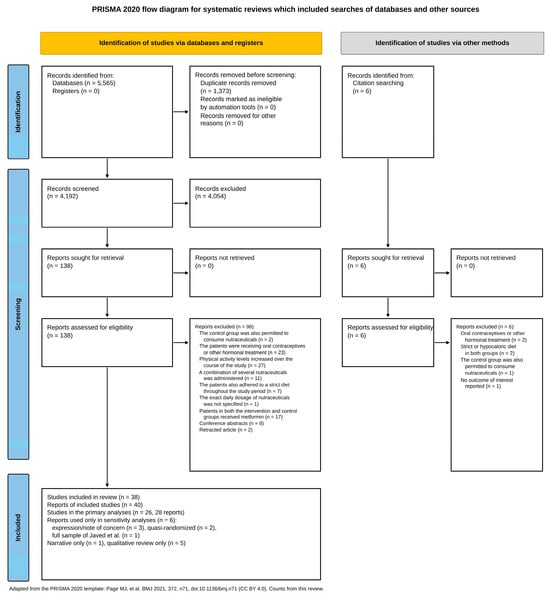
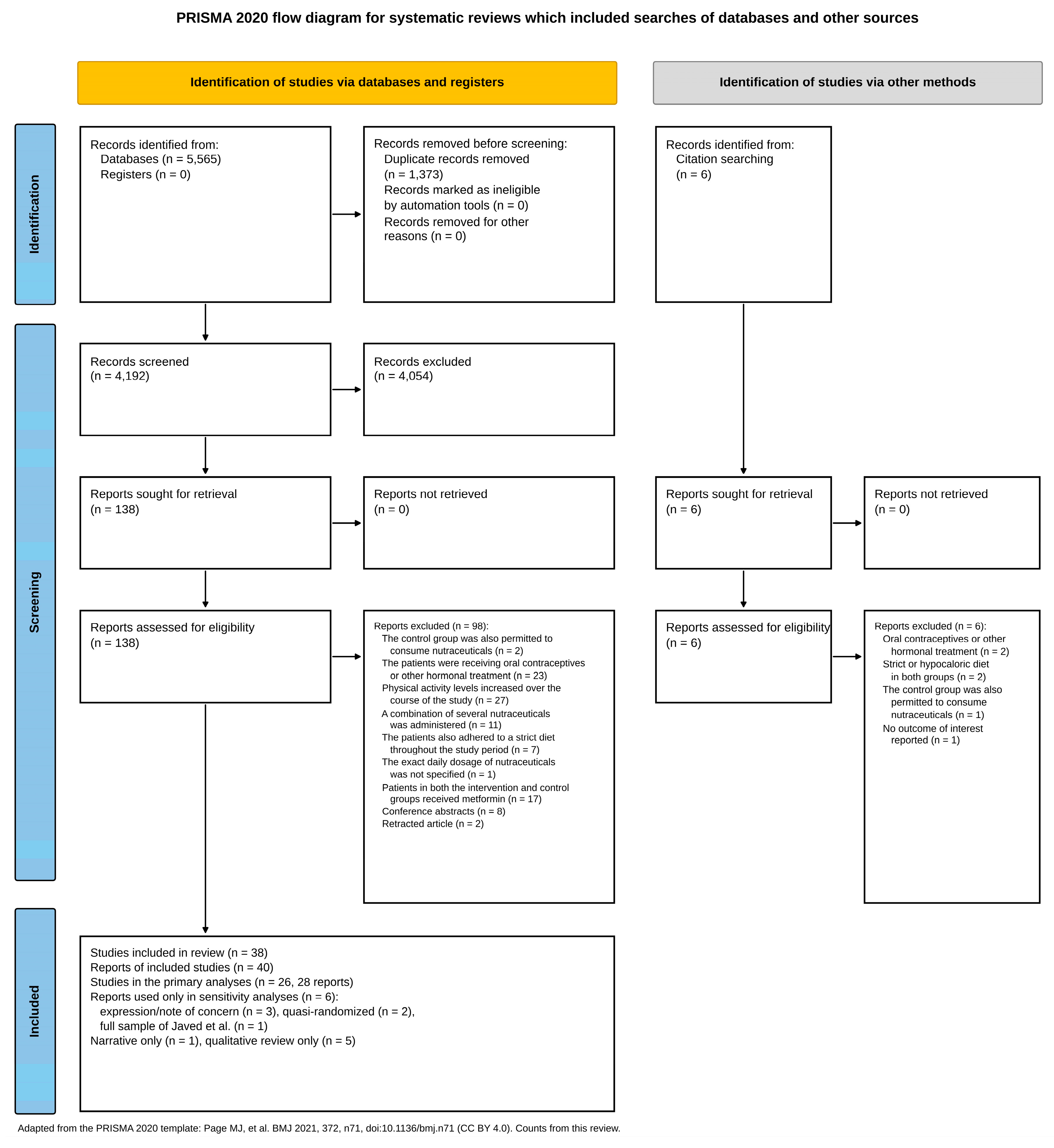
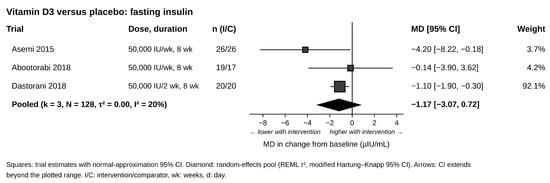
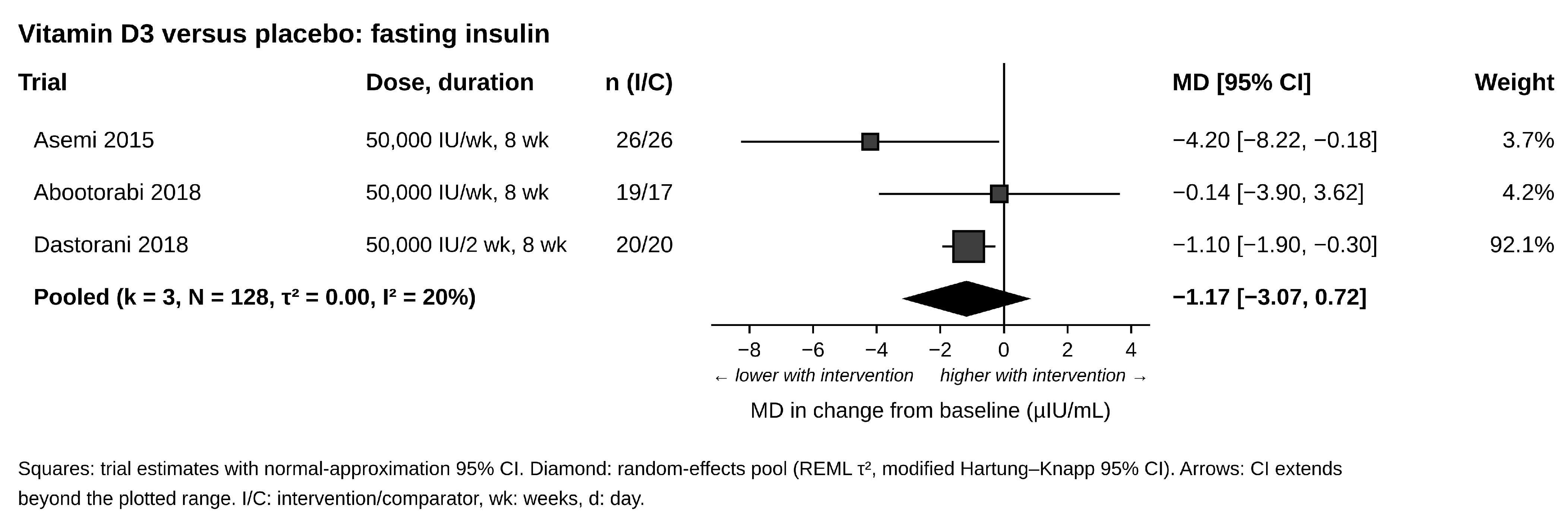
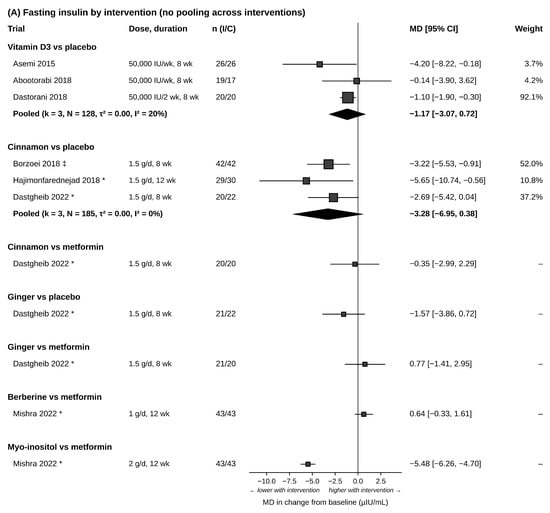
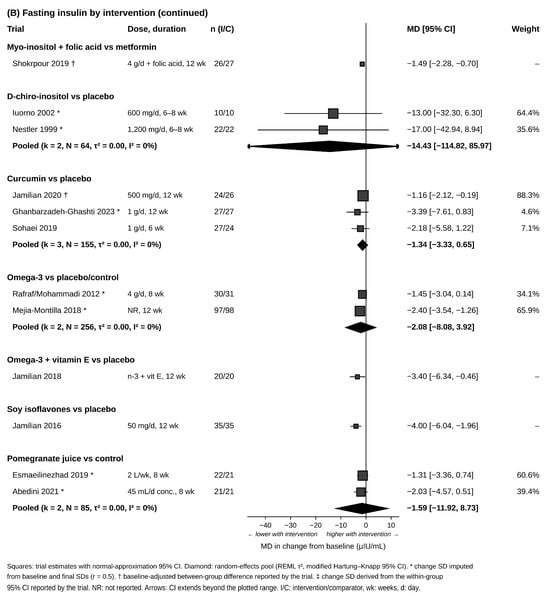
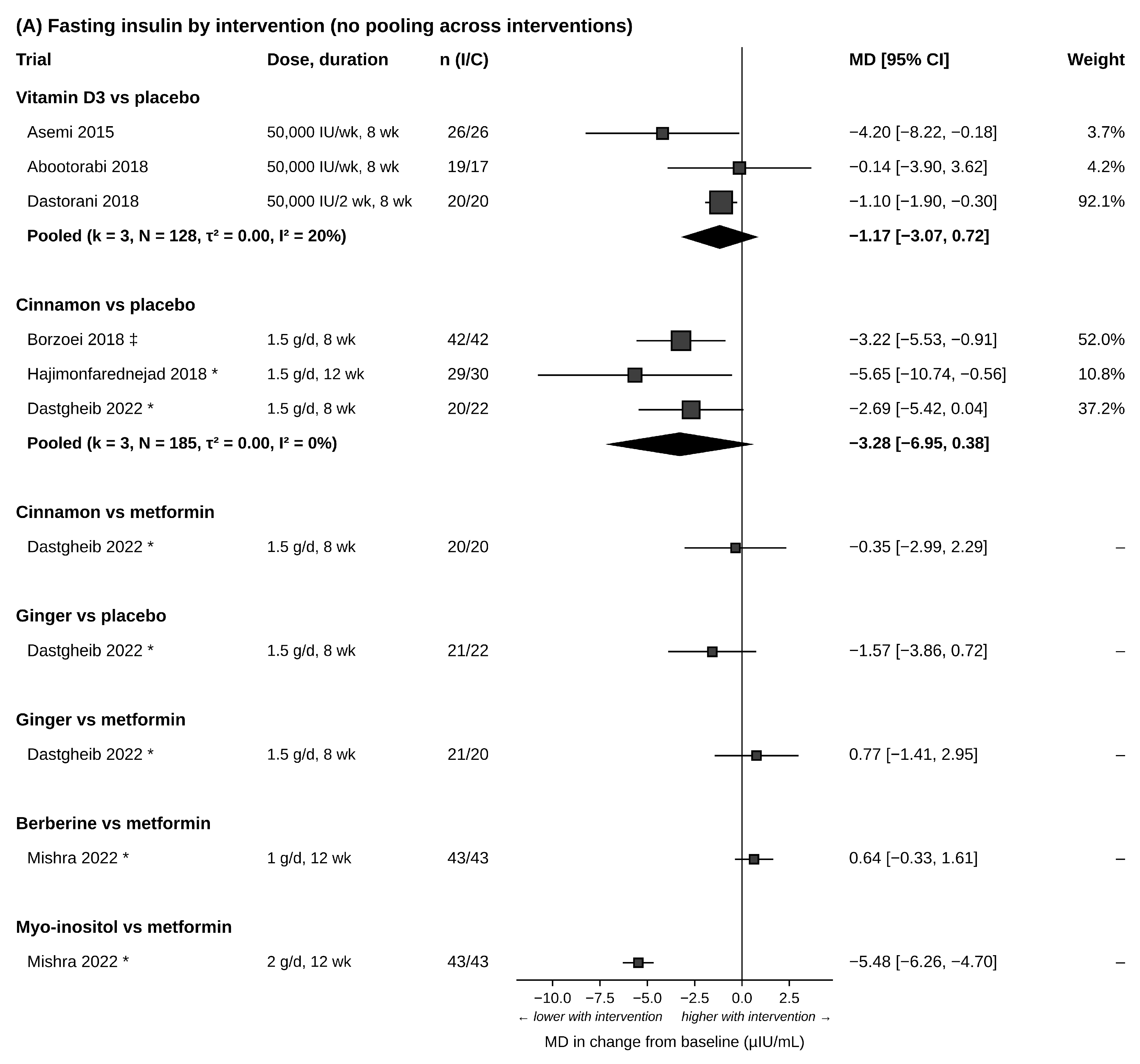
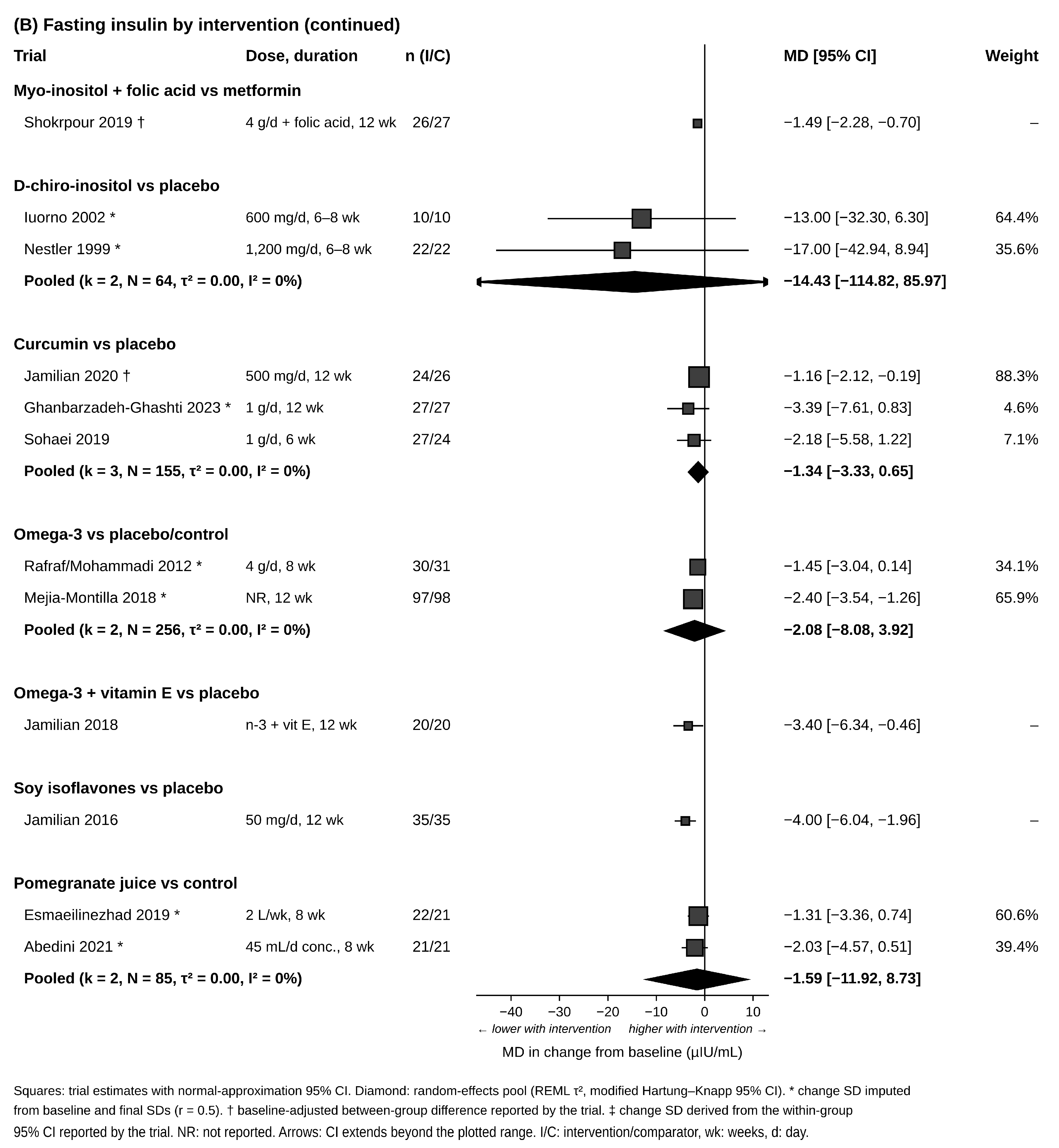
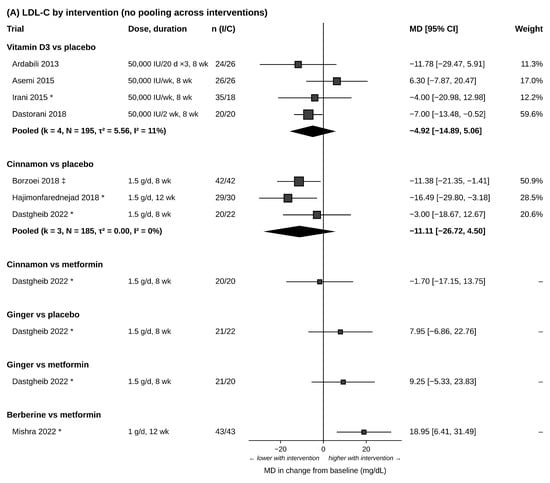
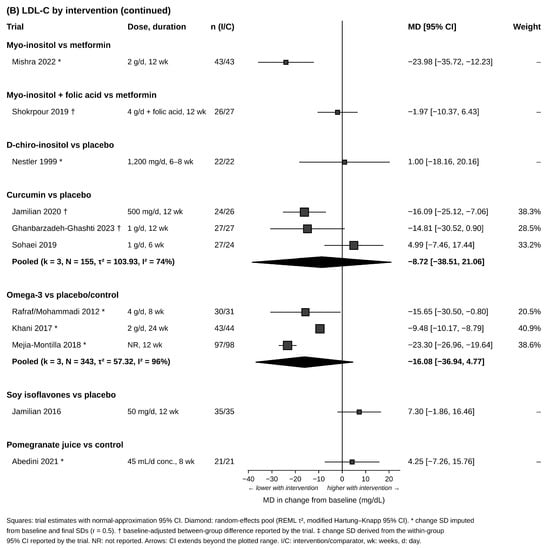
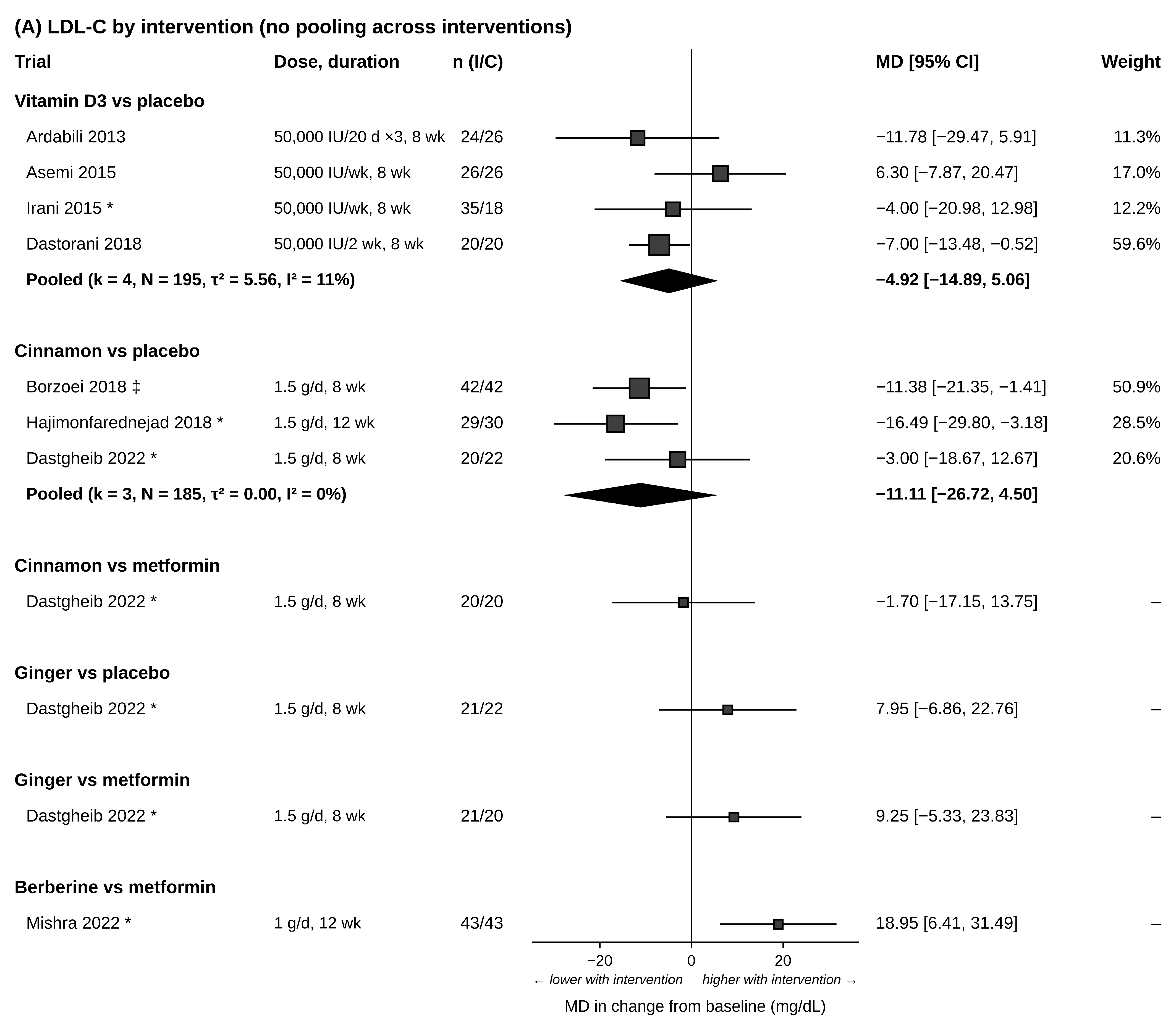
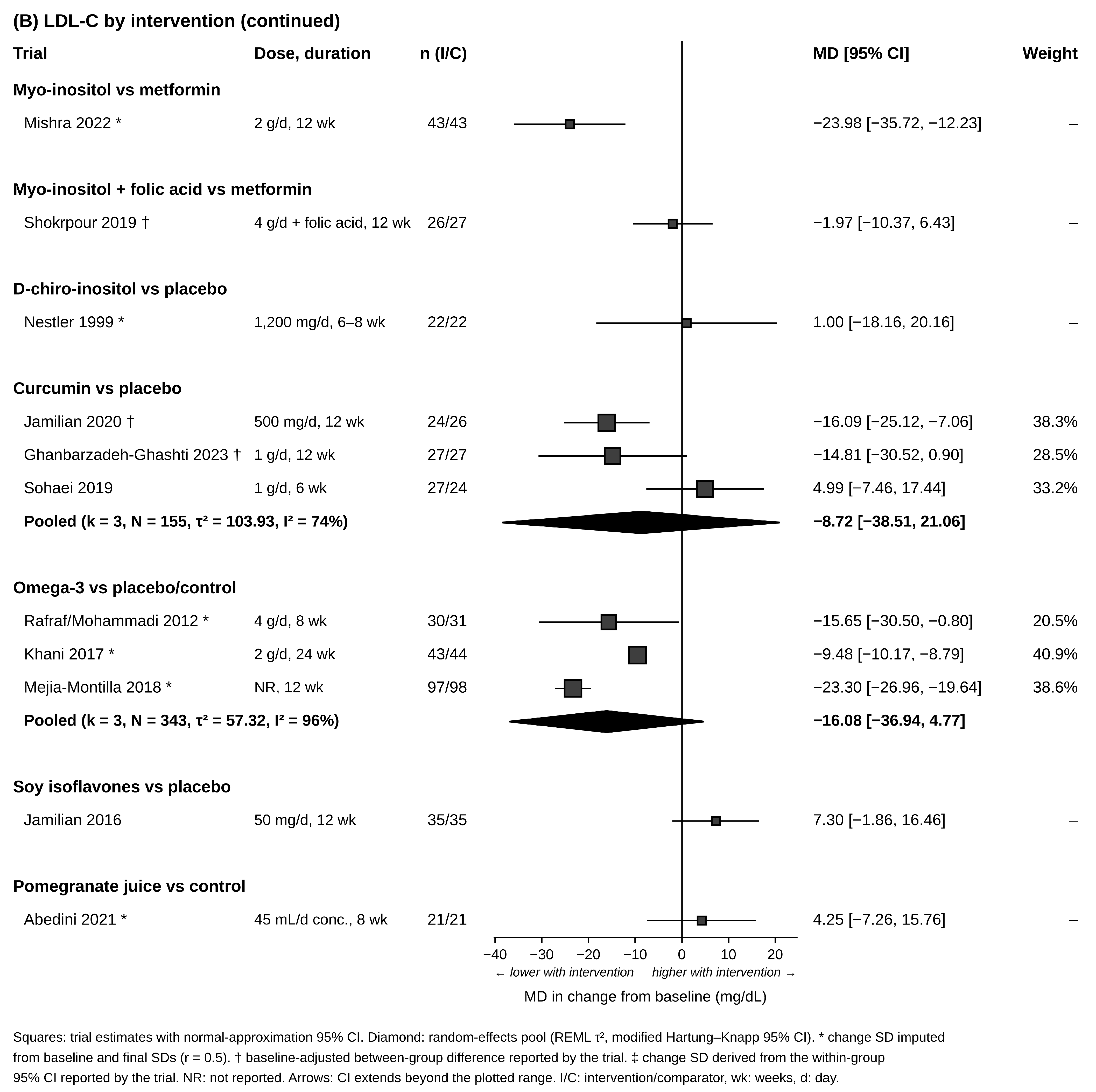

Disclaimer/Publisher’s Note: The statements, opinions and data contained in all publications are solely those of the individual author(s) and contributor(s) and not of MDPI and/or the editor(s). MDPI and/or the editor(s) disclaim responsibility for any injury to people or property resulting from any ideas, methods, instructions or products referred to in the content. |
© 2026 by the authors. Licensee MDPI, Basel, Switzerland. This article is an open access article distributed under the terms and conditions of the Creative Commons Attribution (CC BY) license.