Article

Structure of Golden Root Populations on Rybachy and Sredny Peninsulas (Murmansk Region, Russia)

by
Marija Yu. Menshakova
*,
Ramzia I. Gainanova
,
Marina A. Postevaya
and
Inna V. Ryzhik
Research Laboratory “Monitoring and Conservation of Natural Arctic Ecosystems”, Murmansk Arctic University, Murmansk 183010, Russia
*
Author to whom correspondence should be addressed.
Diversity 2026, 18(5), 286; https://doi.org/10.3390/d18050286
Submission received: 28 March 2026 / Revised: 2 May 2026 / Accepted: 4 May 2026 / Published: 10 May 2026
(This article belongs to the Section Biodiversity Conservation)

Abstract

This article explores the state of golden root (Rhodiola rosea L.) coenopopulations (CPs) on the Rybachy and Sredny peninsulas (Murmansk Region, Russia). The authors describe 10 coenopopulations of this domestically and internationally protected rare species, which is found in different locations on the Barents Sea coast. They are characterized by significant differences in the density of individual species (ramets): the maximum values are indicated for the coastal rocky territories in CP 6, with a high proportion of juvenile individuals, and the minimum in CP 8, which is associated with the presence of a strong phytocenosis competitor, Lathyrus aleuticus. The recovery index in most coenopopulations is below one, allowing the authors to classify the species as threatened in the studied area. The authors also assess the vitality index based on studying the morphometric parameters of individual species—it varies significantly depending on the growing conditions and the composition of the accompanying phytocenoses. Analysis of the age structure shows the predominance of young coenopopulations, with two distinct peaks of juvenile and young generative individuals. R. rosea exhibits high ecological plasticity in various biotopes on the Barents Sea coast, and therefore, the coenopopulations of its coastal communities form the basis for this species’ stability in the studied area and need to be protected.

1. Introduction

Golden root (Rhodiola rosea L. (Crassulaceae)) is a herbaceous polycarpic plant—a hemicryptophyte with long shoots, fleshy leaves and strong woody rhizomes. Being dioecious, its flowers are grouped in a cymose inflorescence [1,2,3].
R. rosea is a valuable medicinal plant. Its rhizomes are traditionally used for medicinal purposes. The pharmacological properties of this species have been extensively documented by various authors [4,5,6,7,8,9,10]. It is used as an adaptogen in traditional medicine in Northern and Eastern Europe and Asia, as well as an antioxidant and in order to enhance mental and physical performance, to reduce fatigue and depression [11], and to mitigate inflammation associated with various pathological conditions, including cardiovascular disease, neurodegenerative disease, diabetes, sepsis, and cancer [5,6,7]. Several studies have reported rejuvenating and immunostimulatory properties of R. rosea extracts and the prospects for their use in cancer chemoprevention [8]. There is evidence of the beneficial effects of R. rosea extracts on cognitive function and fatigue [12]. About 140 organic compounds have been isolated from R. rosea: polyphenols, organic acids, sugars, tannins, terpenes and essential oils [9,10]. The species is characterized by high variability in both its morphological and phytochemical characteristics [13]. Several authors have highlighted the polyphyletic nature of the R. rosea genus and noted the relevance of conducting genetic studies in order to clarify the taxonomy [14,15,16,17].
R. rosea is widespread in the Northern Hemisphere and has a hypoarctic Eurasian–American circumboreal range. The species originated on the Qinghai–Tibet Plateau, from where it migrated along the Ural Mountains to the west, along the mountain ranges of Eastern Siberia to the east, and northwest into the Taimyr–Siberian region [17]. In Europe, R. rosea is found in Iceland, the British Isles, the Alpine system and Scandinavia. In North America, the species is distributed in the western and eastern coastal regions. In Russia, R. rosea inhabits the European part of the territory, the Ural area, Siberia and the Far East. In the Murmansk Region, it is found along the coasts of the Barents and White Seas [1].
R. rosea is characterized by arctic or alpine habitats [14]. It is located on coastal cliffs and banks of rivers and streams flowing into the sea, in their lower reaches, mainly in places where bedrock outcrops or is close to it; occasionally, on sandy shores. The biotopes are marked by low average temperatures, long periods of snow cover, strong winds, a short growing season, and the presence of midnight sun periods [18]. Wild populations of this species are declining due to over-harvesting of its rhizomes [19,20,21]. In this regard, R. rosea is included in the list of protected plants in many regions. Various authors have indicated the vulnerability of the species in Russia and throughout the world [22,23,24,25].
R. rosea is included in Appendix II of the Convention on International Trade in Endangered Species of Wild Fauna and Flora (CITES) [26], as well as in the Red Data Book of the Russian Federation, with status category 3 (rare species) [27], and in the Red Data Books of some Russian administrative units: Murmansk Region [1], Altai Republic [28], Amur Region [29], Arkhangelsk Region [30], Republic of Buryatia [31], Transbaikal Territory [32], Irkutsk Region [33], Kamchatka Territory [34], Republic of Karelia [35], Kemerovo Region [36], Komi Republic [37], Krasnoyarsk Territory [38], Nenets Autonomous Okrug [39], Perm Territory [40], Sverdlovsk Region [41], Sakha Republic (Yakutia) [42], Republic of Khakassia [43], and Khanty–Mansi Autonomous Okrug [44].
The need to preserve R. rosea and its natural habitats underscores the importance of studying the state of the species’ coenopopulations within its natural range. Some studies of the species’ biology, as well as the ontogenetic, ecological and phytocentric structure of R. rosea populations, were conducted in the southern Ural area, the Altai Republic and the highlands of Eastern Kazakhstan [21,22,24]. In the Altai Republic [23] and in the Swiss Alps [13], researchers also analyzed the genetic variability of R. rosea coenopopulations under different growing conditions. In the Murmansk Region, authors studied seed productivity and the composition of phytocenoses where R. rosea was found on the Rybachy Peninsula [45]. The distribution and phytocentric affinity of coenopopulations have also been investigated [46].
This study aims to describe the structure and assess the state of R. rosea coenopopulations (hereinafter referred to as “CPs”) on the Rybachy and Sredny peninsulas. Monitoring of the species’ populations has become increasingly urgent due to the rapid expansion of tourism in the state natural park “Peninsulas Rybachy and Sredny” and the adjacent territories.

2. Materials and Methods

The Rybachy and Sredny peninsulas are located in the extreme northwest of the Kola Peninsula, washed by the Barents Sea waters. The northernmost continental point of the European part of Russia lies on the Rybachy Peninsula at coordinates 69°57′07″ N 31°56′26″ E. The climate conditions there are determined by being located in the Atlantic–Arctic range of the temperate zone [47]. The landscape of the territory is formed by tundra on stratified structural plains. The relief is represented by stepped plateaus with minor glacial impact, composed of Proterozoic clay shales and sandstones, with an intermittent cover of Quaternary deposits and areas of terminal moraine ridges and downs [48].
This territory received natural park status in 2014. The natural park “Peninsulas Rybachy and Sredny” was created both for the purpose of preserving the natural environment and biological diversity, unique and valuable natural objects and landscapes, water bodies, scientific study and rational economic development of the territory, as well as for the development of ecological tourism and environmental education.
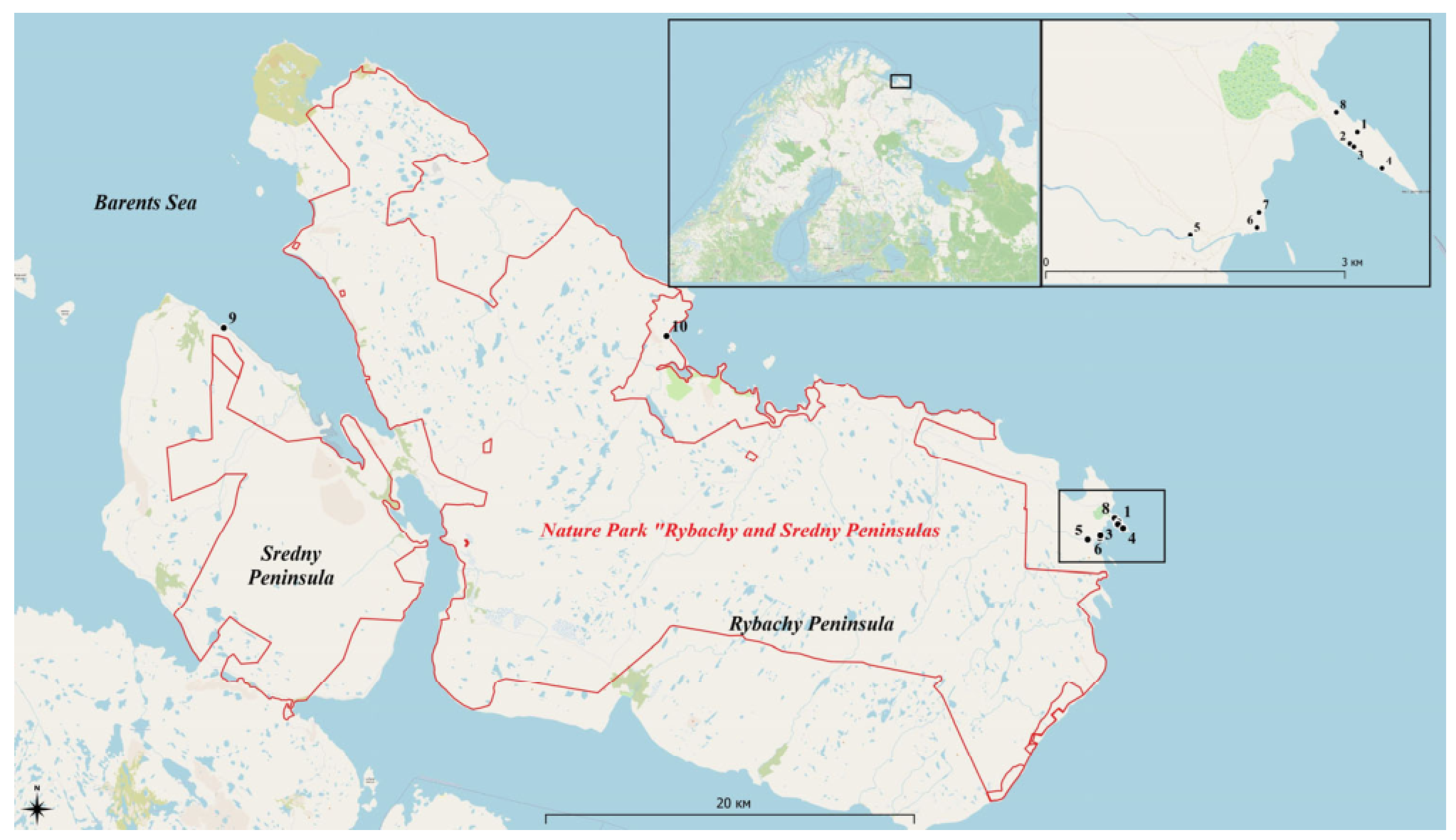
Monitoring of R. rosea populations on the peninsulas was conducted from June 26 to July 31, 2016, and on 13–15 July 2025. The authors surveyed the environs of Cape Tsypnavolok and the eastern coast of the Rybachy Peninsula (from Tsypnavolok to Cape Sergeev and the coast of the Bolshaya Korabelnaya Bay) (Figure 1). The coast of the Zubovskaya Bay and coastal areas of Sredny peninsula were surveyed only in 2016. In 2025, the authors were unable to conduct fieldwork in these areas. The absence of 2025 data for two coenopopulations does not substantially bias the population-level results, as the selected sites constitute a representative sample of the ecological conditions across the species’ habitats.
Each location was noted by its geographic position, topography of habitat, date of description and the author. The coordinates of habitats were recorded using a Garmin GPSMAP 64ST navigator. The spatial distribution of the studied coenopopulations is shown in Figure 1.
The authors determined the number and age composition of R. rosea coenopopulations on test plots for which geobotanical descriptions were made. Temporary sites were laid out inside the test plots; their number and size depended on the size of the population.
Individual species were registered, taking into account their ontogenetic state. The age states were identified in accordance with the general perception of plant ontogenesis discreteness [49,50,51].
Embryonic stages were excluded from the study, while the following were registered: p—plantule; j—juvenile; im—immature; v—pre-reproductive vegetative (virginal); g1—young generative; g2—mid- or mature generative; g3—old generative; some particular individual species were also classified as cryptogenerative—g0; ss—subsenile species; s—senile; or sc—sphacelate [49,50,51,52]. The age states were determined on the basis of the available ontogenetic features [45].
The following parameters of the ontogenetic spectrum were calculated for R. rosea:
  • Age index [49]:
Δ = Σkimi/Σki,
mi—number of individuals in ontogenetic i-state, ki—age coefficient of ontogenetic i-state.
2.
Efficiency index [53]:
ω = Σpiei,
pi = ni/n—proportion of plants in i-state in a population, ni—absolute number of plants in i-state,
n = Σni—total number of plants,
ei—energy efficiency.
3.
Recovery index [54]:
Ir = Σj→v/∑g1→g3,
∑j→v—sum of specimens in the pre-generative period,
∑g1→g3—sum of specimens in the generative period.
The coenopopulation type was determined according to the “delta–omega” classification of L.A. Zhivotovsky [53].
In order to assess the self-maintenance of coenopopulations, the authors used criteria developed by G.O. Osmanova and L.A. Zhivotovsky [55]. According to these criteria, if Ir > 2—then the coenopopulations self-maintain effectively; if 1 < Ir < 2—they self-maintain moderately; and if Ir < 1—the self-maintenance is weak.
To assess the vitality of coenopopulations, the authors used the vitality index IVC [56]. This index is calculated by using the means-weighting method [57]:
IVC   =   i = 1 N x i / X i ¯ N
where “xi” indicates the mean value of “i” attribute of the coenopopulation, and “Xi” stands for the mean value of “i” attribute of all the coenopopulations (if monitoring one coenopopulation—the mean value for all years of observation). “N” is number of attributes.
The index was calculated by using four parameters (length of the generative shoot, number of generative shoots, number of leaves on the generative shoot, ratio of the number of leaves to the length of the generative shoot). Morphometric parameters were measured on generative shoots. Within 1 m2 sample plots, all generative individuals were recorded. For large plants, measurements were taken from five generative shoots; for individuals with fewer shoots, all available shoots were measured. At the time of observation, the plants were in the late flowering–early fruit setting phenological stage.
To describe the enclosing phytocenoses in each location, the authors compiled a geobotanical description indicating the spectrum of species according to the Braun-Blanquet method. This phytosociological approach to vegetation description is based on recording species composition and estimating species abundance using a cover-abundance scale.
At each sample plot, all vascular plant species were recorded, and their abundance and projected cover were visually estimated using a modified Braun-Blanquet scale: r—solitary individuals; +—cover <1%, few individuals; 1—species abundant but covering <5% of the area; 2—cover 5–25%; 3—cover 25–50%; 4—cover 50–75%; 5—cover 75–100%. Plot sizes were determined according to the minimal area principle (1 × 1 m) [58,59].
The assessment of habitat environmental parameters was carried out based on the species’ composition of communities using the Tsyganov ecological range scale [60].
In order to identify similarities and differences among R. rosea coenopopulations based on a set of ecological and demographic characteristics, a multivariate hierarchical clustering analysis using Ward’s method was conducted [61]. Euclidean distances were used as a measure of dissimilarity. The clustering was conducted on the basis of the Tsyganov environmental scale values and demographic indicators, which were Z-standardized. Cluster analysis was performed using Statistica 10 software. The significance of the differences between the identified clusters was determined using one-way analysis of variance (ANOVA). A p-value of less than 0.05 was taken as the threshold for statistical significance.

3. Results

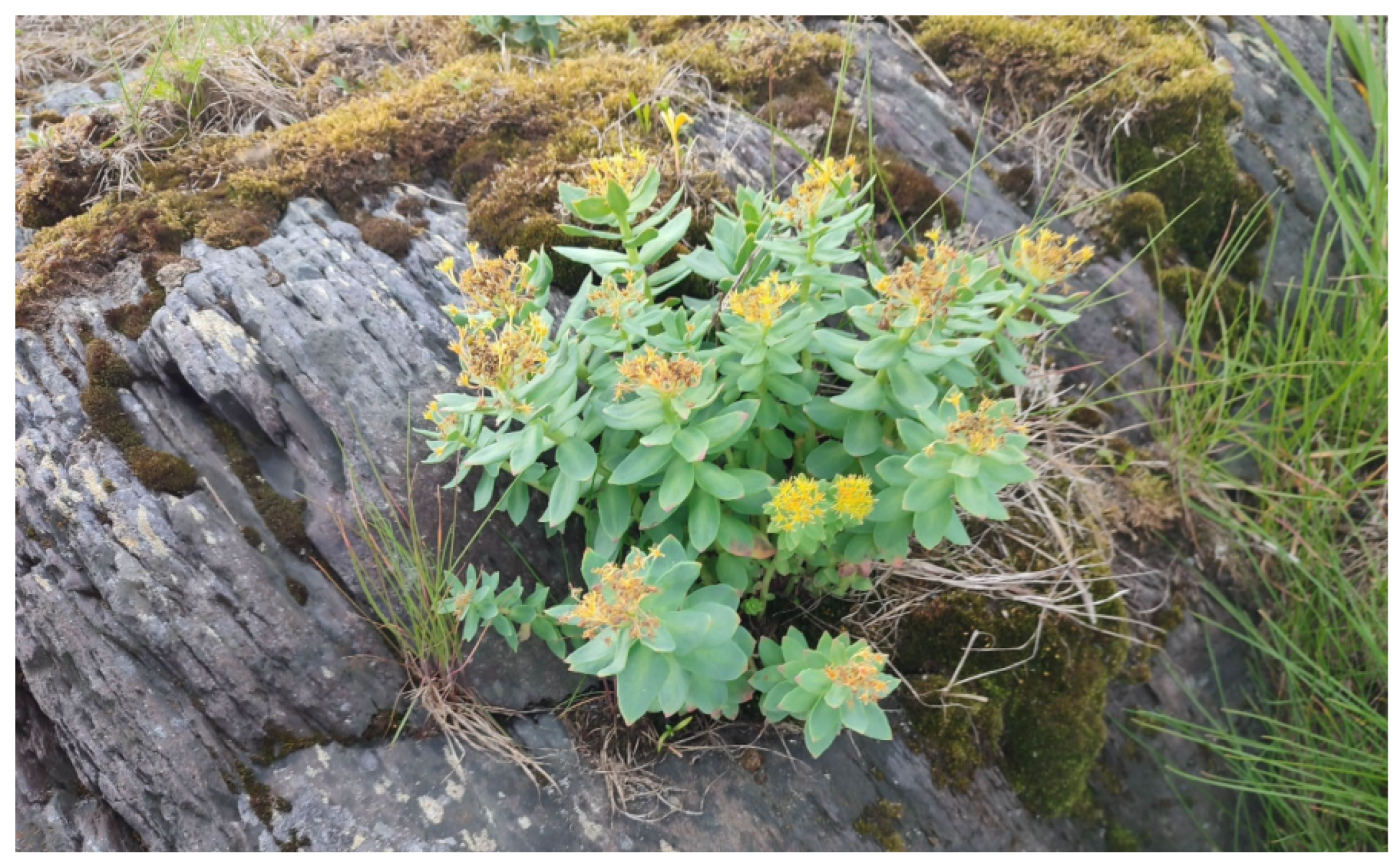
R. rosea is relatively common within the natural park, particularly along the coast, where it frequently forms dense stands (Figure 2).
The location data of the studied R. rosea coenopopulations and the results of studying the phytocentric affinity of the species are presented in Table 1. Phytocenoses with R. rosea are very diverse in terms of the species composition and include 78 species of plants and lichens.
The authors analyzed the demographic structure of R. rosea coenopopulations on the Rybachy and Sredny peninsulas: they obtained the density data, studied the ontogenetic spectra, and determined the coenopopulation types. Further, the recovery index was calculated to assess the ability to self-sustain.
The results of the demographic indicator assessment are shown in Table 2.
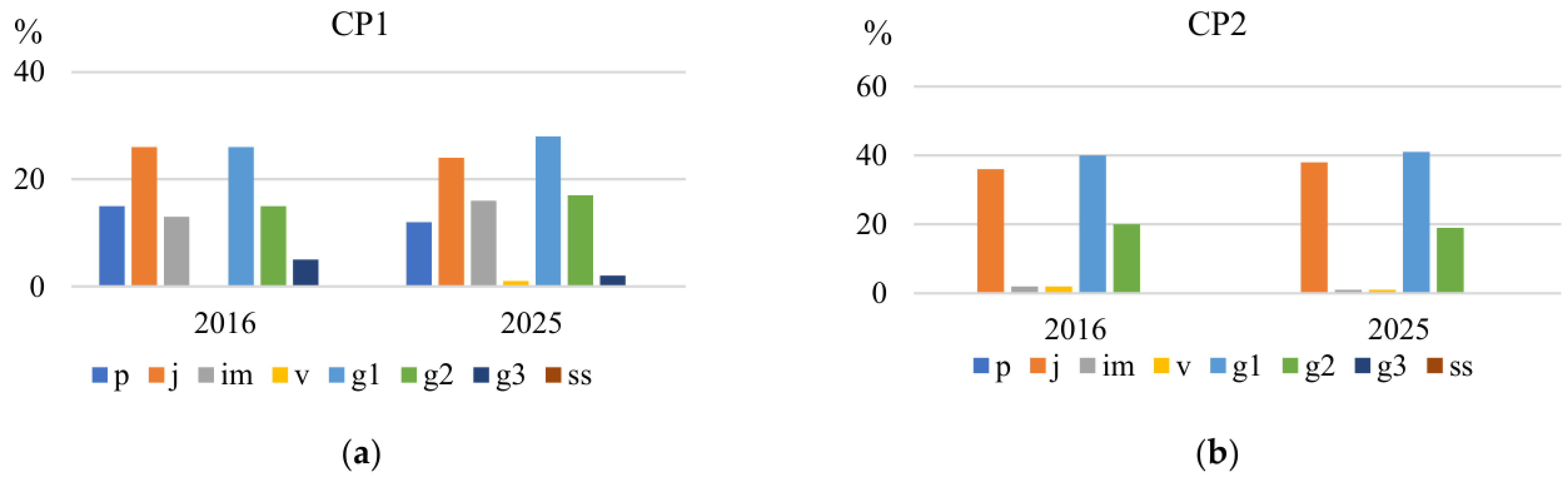
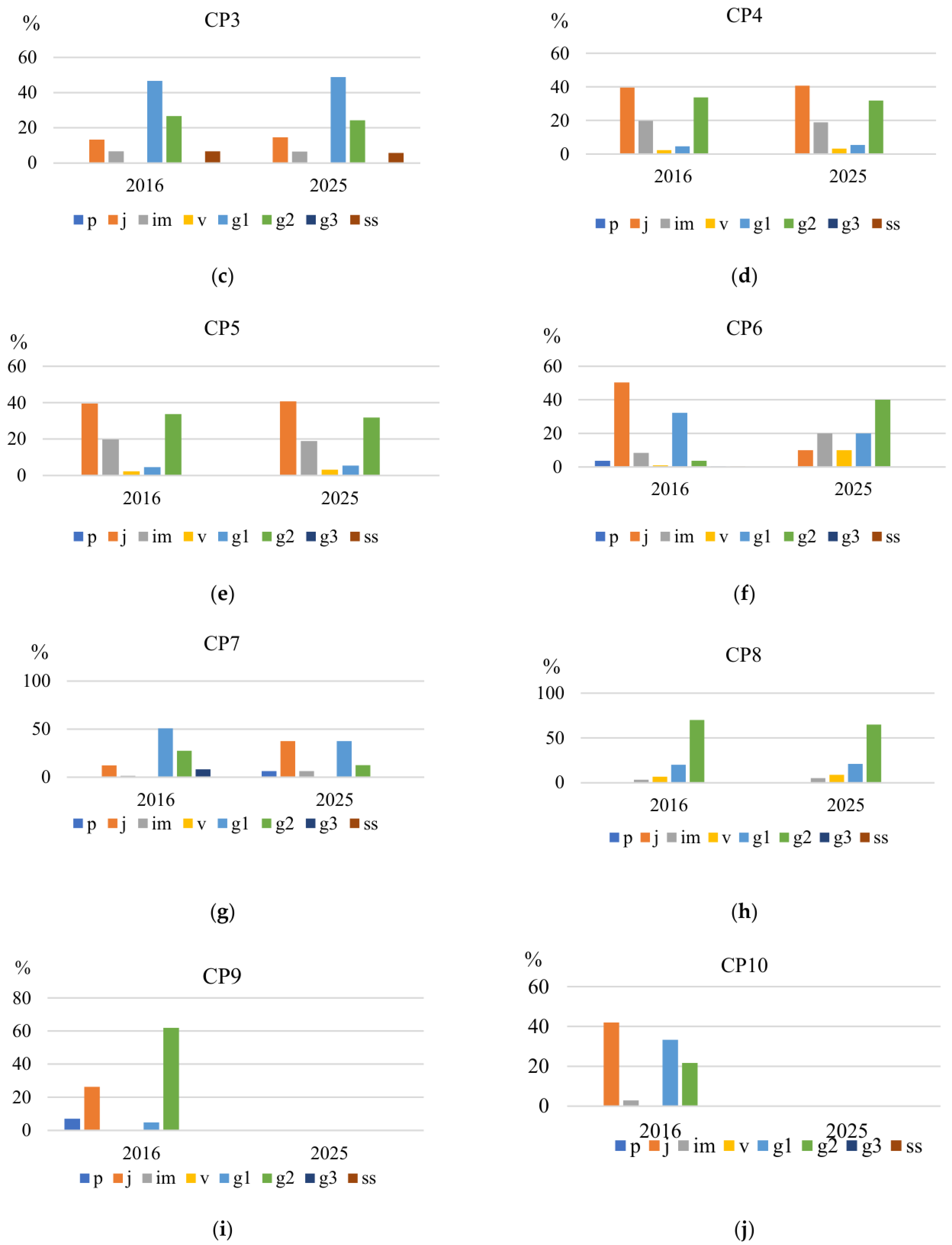
The results of assessing the demographic indicators are presented in Figure 3.
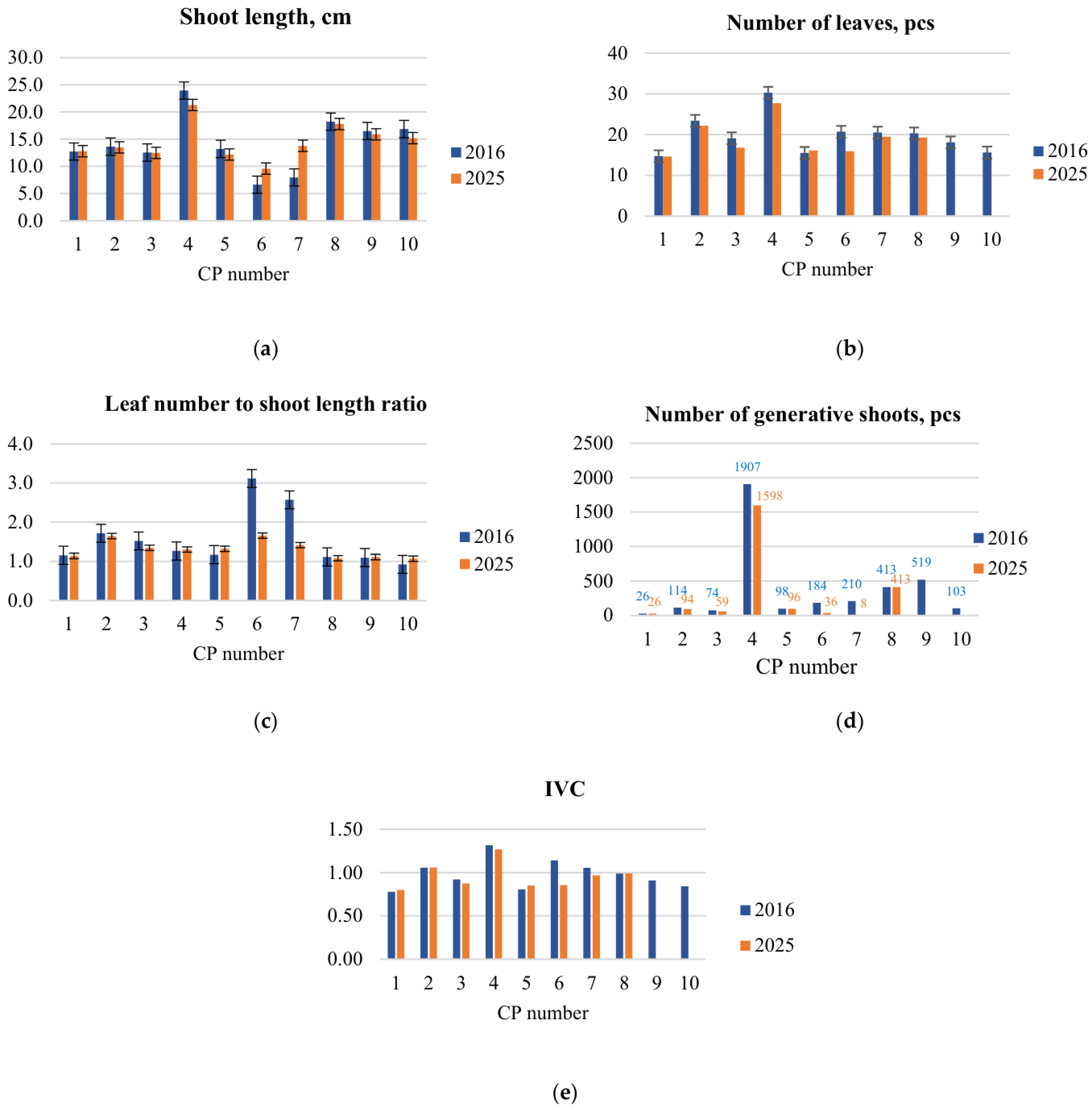
To assess the vitality index, the following morphometric parameters of R. rosea were determined in the examined coenopopulations: the number of generative shoots, the length of the generative shoot, the number of leaves on the generative shoot, and the ratio of the number of leaves to the length of the shoot.
Figure 4 shows the morphometric parameters of individual species and the results of the vitality index assessment.
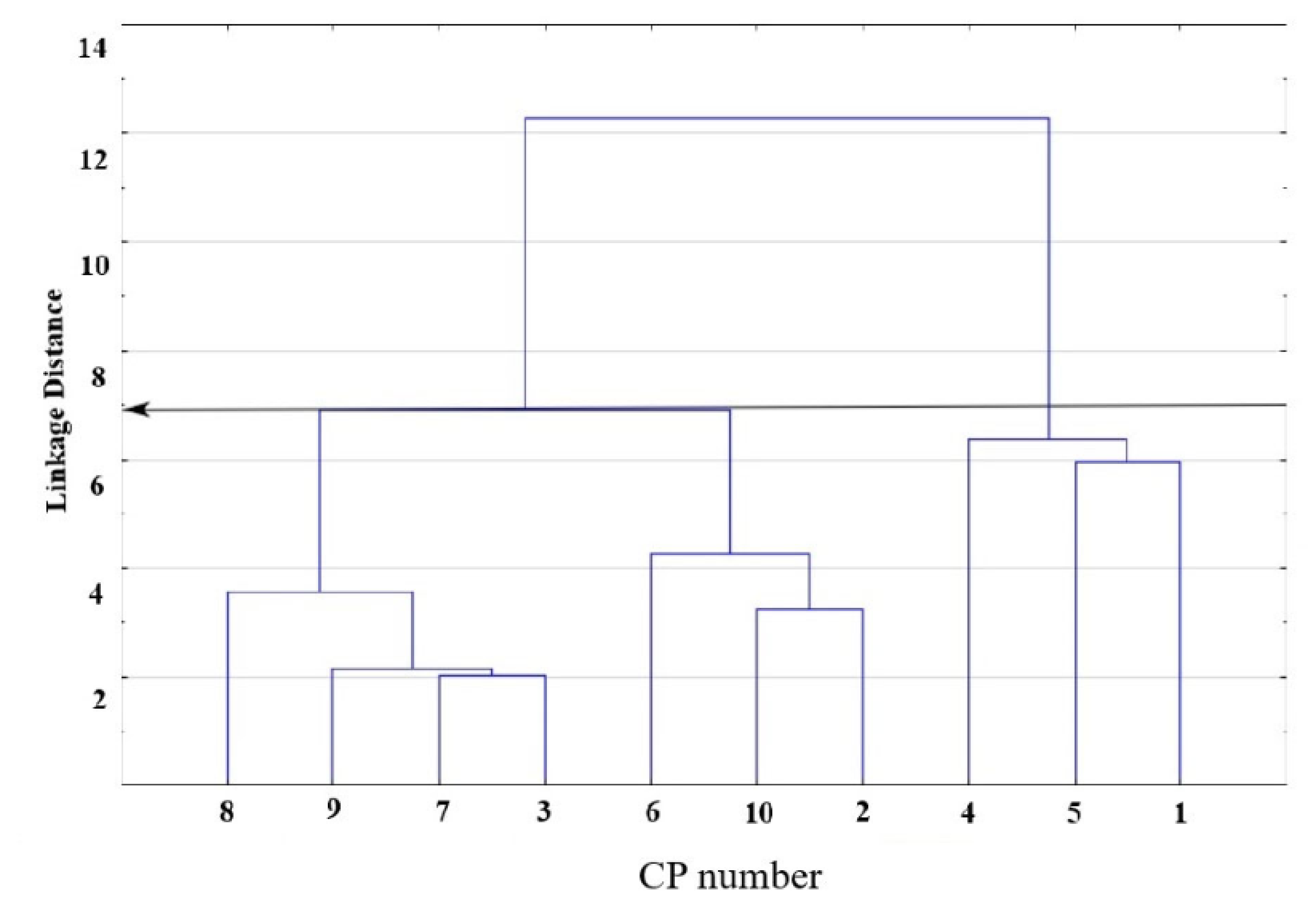
A hierarchical cluster analysis was conducted to identify groups of coenopopulations that are similar in terms of their ecological growing conditions and demographic characteristics. The analysis is based on data from 2016, when all 10 coenopopulations were examined. The results of the clustering analysis are presented in a dendrogram (Figure 5). Three clusters of R. rosea coenopopulations were identified in the study area (Table 3).
Statistically significant differences between clusters are observed only for certain parameters. The results of a one-way analysis of variance (ANOVA) revealed significant differences in the following parameters:
  • “Moisture variability”: the difference between clusters 1 and 2 is statistically insubstantial; clusters 1 and 3, as well as 2 and 3, differ significantly.
  • “Soil nitrogen availability (NT)”: cluster 1 differs significantly from cluster 3.
  • “Density”: cluster 1 differs significantly from cluster 2.
According to the age index, clusters 2 and 3 are not statistically different from one another; however, both differ significantly from cluster 1.
The conducted analysis makes it possible to identify the characteristics of each of the identified clusters. Cluster 1 is characterized by the highest values for the age index and the efficiency index, alongside the lowest values for density and the recovery index. Cluster 2 is characterized by the highest species density values. Cluster 3 is characterized by the lowest values for moisture variability and soil nitrogen availability, with an average species density.

4. Discussion

All the studied coenopopulations are confined to the sea coast. Phytocenoses with R. rosea are very diverse in species composition and include 78 species of plants and lichens.
The maximum density of species is observed in CP 6 and reaches 14.9 individuals per square meter in 2016. Such a high density is reached mainly due to juvenile species, which make up about 50%, while the share of young generative plants is slightly more than 30% and the share of more mature generative individuals is generally insignificant. At the same time, in this coenopopulation, individuals are characterized by their minimal sizes, which is most likely due to pessimal conditions of moisture and mineral nutrition. The marked decline in individual density in CP 6 is likely attributable to high mortality during early ontogenetic stages. Several authors have noted slow seed-based regeneration in R. rosea populations due to seedling and juvenile mortality under extreme habitat conditions [22,62,63].
A significant density is also observed in CP 2, where the shares of vegetative and generative individuals are approximately equal. The minimum density of individuals in both 2016 and 2025 was recorded in CP 8, which is characterized by a sharp predominance of middle-aged generative individuals and a complete absence of seedlings and juvenile plants. As a rule, such a spectrum is characteristic of declining populations. However, the presence of virginal and young generative individuals indicates that in previous growing seasons, the regeneration of R. rosea was more successful here. The low density is probably due to pessimal habitat conditions—namely, the presence of Lathyrus aleuticus (Greene) Pobed in the phytocenoses. In this community, it has a high projected cover and can suppress the regeneration of R. rosea. At the same time, the significant length of the shoots indicates sufficient nutrition; consequently, the proximity of Lathyrus aleuticus, which enters into symbiosis with nitrogen-fixing bacteria, is more favorable here for the protected species rather than harmful.
Despite the differences in volume and density of the coenopopulations, the similar nature of the age spectra draws attention: almost all the studied CPs have two pronounced sharp peaks, illustrating the high proportion of juvenile individuals, as well as of plants in the first half of the generative phase. A similar pattern was noted for the populations of studied species in the Altai Mountains [24]. In the Arkhangelsk region, a mature, normal, incomplete population with a right-sided ontogenetic spectrum was described, where the proportion of generative individuals was 89.4% [64].
The absence of seedlings in most of the studied coenopopulations can be explained by the fact that the studies were conducted in July, when the seedlings had already entered the juvenile stage or died. The data obtained on the age structure of the coenopopulations differ significantly from those presented based on the results of studies by other authors for this species in “Biological flora of the Murmansk region” [45]. These differences may be due to a number of reasons. As mentioned above, the study was conducted in June–July 2016—that is, at a time when most seedlings had already developed into juveniles. The low proportion of early-stage plants, in our opinion, may be a consequence of strong winds and the special nature of the soil, in which most of the seeds fall between stones and do not germinate. There are conflicting data on the germination of R. rosea seeds. For example, rather low (11–23%) field germination of seeds was noted for R. rosea from the Altai Mountains [65]. At the same time, the authors of “Biological flora of the Murmansk region” indicate high seed viability and the possibility of autumn seedlings [45]. Notably, the most pronounced changes occurred in CP 6, where both the overall density and the proportion of early-ontogeny individuals declined substantially between 2016 and 2025. In contrast, CP 7 showed an increased recovery index, driven by a higher proportion of juvenile and immature plants.
The incompleteness of the ontogenetic spectra, as well as the level of recovery index below one over a long period, can be interpreted as a diagnostic sign of the critical or close to critical state of populations [66]. However, for the studied coenopopulations, such an assessment is premature due to the lack of long-term data. The calculated age coefficients indicate a relatively successful restoration of populations, since there are no extreme values of this indicator. In other words, none of the coenopopulations can be considered declining or invasive.
The temporal dynamics of the age structure reveal contrasting trends in CP 6 and CP 7. CP 7 underwent rejuvenation between 2016 and 2025, as evidenced by a shift in population type from “mature” to “young” according to the delta–omega classification, alongside an increased recovery index. These changes likely reflect the formation of favorable microsite conditions for seed germination and early vegetative development, possibly due to localized substrate disturbances that reduced competition and facilitated successful recruitment of young individuals. These findings indicate fine-scale ecological heterogeneity among R. rosea coenopopulations in coastal habitats of the Rybachy Peninsula—a pattern interpreted in several studies as evidence of high ecological plasticity and rapid recovery capacity under transiently favorable conditions [23,67].
The analysis of the population density and vitality of species, along with the ecological conditions of growth, allows us to conclude that a specific set of active ecological factors determines both the age- and size structure of coenopopulations: CP 6 is characterized by the maximum density and relatively high vitality of individuals, which is obviously due to the high nitrogen content (despite the low overall trophicity of the soil), high humidity and not too acidic soil. The minimal vitality is observed in CP 1 and is combined with a rather low density. The reasons for this state are probably related to the extreme poorness of the soils in terms of nitrogen. The severity of the winter conditions has a lesser effect on the size structure and density of coenopopulations than other factors, since even in extreme cryoclimatic conditions (CP 4) plants are distinguished by high vitality with a relatively high density of coenopopulations. It is also noteworthy that the community with the lowest number of species (CP 4) is characterized by the maximum value of the vitality index, despite the rather harsh living conditions.
Using cluster analysis, three ecologically and demographically distinct groups of R. rosea coenopopulations have been identified within the study area, differing in their strategies for self-sustainment and adaptation to environmental conditions. Cluster 1, comprising CPs 8, 9, 7 and 3, is characterized by the highest age and efficiency indices, despite the low density and poor recovery, which allows them to be described as more mature or stabilized populations in relatively deficient habitats. Cluster 2, comprising CPs 6, 10 and 2, with the highest density, corresponds to optimal conditions for intensive recovery. Density is maintained at an average level in coenopopulations 4, 5 and 1 (Cluster 3), inhabiting biotopes with more stable hydrothermal conditions with low nitrogen content and minimal fluctuations in moisture level.
The results obtained confirm the high ecological plasticity of R. rosea; they are consistent with previously identified dissimilarities in the density and vitality of individuals, and they highlight the role of coastal communities as being key to the species’ stability.

5. Conclusions

The study of R. rosea coenopopulations’ state on the Rybachy and Sredny peninsulas showed the prevalence of young coenopopulations with bimodal ontogenetic spectra. According to the recovery index, only two of the studied coenopopulations can be classified as capable of self-sustaining (CP 4 and CP 5). The viability of individuals is determined by a combination of various factors: abiotic conditions of the habitat, composition and projective cover of accompanying species.
This study’s results showed the high ecological plasticity of R. rosea in relation to both abiotic and biotic factors. Groups of this species, in which various parameters of population assessment differ several times, live on a relatively small territory. R. rosea is noted both on coastal cliffs and on meadows, as well as on tundra and marsh phytocenoses. Undoubtedly, such a variety of phytocenoses with different ecology can exist only in the coastal zone—in the inland areas of the Rybachy and Sredny peninsulas the ecological conditions are more uniform, so tundra communities, where R. rosea is either poorly represented or absent, prevail. The species’ high ecological plasticity to both biotic and abiotic factors has been confirmed by cluster analysis, which identified three ecologically and demographically distinct groups of coenopopulations. Analysis of the age-structure dynamics underscores the strong influence of local biotic and abiotic factors in shaping coenopopulation demography. The results highlight both the species’ regeneration potential and its vulnerability under intensifying recreational pressure within the natural park.
Thus, it is the coenopopulations of coastal communities that form the basis of the stability of this species in the natural park—and they require protection. It is in such communities that R. rosea is exposed to a greater risk of destruction due to the development of tourism, often accompanied by unauthorized collection of rhizomes. The study of the spatial distribution and state of R. rosea coenopopulations should become the basis for monitoring and developing measures to preserve the populations of this rare and valuable species in the territory of the natural park. These findings underscore the need for long-term monitoring of coastal communities and the development of targeted conservation measures for R. rosea coenopopulations, including formal protection of key habitats within the natural park boundaries, regulation of tourist flows, and restricted access to the most vulnerable sites.

Author Contributions

Conceptualization, methodology, resources, supervision and funding acquisition, M.Y.M.; formal analysis, visualization, investigation, writing—review and editing, R.I.G.; cluster analysis of data, M.A.P.; formal analysis, writing—review & editing, I.V.R. All authors have read and agreed to the published version of the manuscript.

Funding

This research was conducted with funding from Russian Science Foundation Grant No. 25-24-20174, https://rscf.ru/project/25-24-20174/, and with financial support from the Ministry of Education and Science of the Murmansk Region under Agreement No. 30-2025-000856 dated 18 April 2025.

Institutional Review Board Statement

Not applicable.

Data Availability Statement

The original contributions presented in this study are included in the article. Further inquiries can be directed to the corresponding author.

Conflicts of Interest

The authors declare no conflicts of interest.

References

  1. Borovichev, E.A.; Polikarpova, N.V.; Konstantinova, N.A.; Makarova, O.A. (Eds.) Red Data Book of the Murmansk Region, 3rd ed.; RPC Ofort: Moscow, Russia, 2025; 604p, ISBN 978-5-6055371-0-6. (In Russian) [Google Scholar]
  2. Fu, K.; Ohba, H. Crassulaceae. In Flora of China; Wu, Z.Y., Raven, P.H., Eds.; Science Press: Beijing, China; Missouri Botanical Garden Press: St. Louis, MO, USA, 2001; Volume 8, pp. 202–268. [Google Scholar]
  3. Eggli, U. Illustrated Handbook of Succulent Plants: Crassulaceae; Springer: Berlin/Heidelberg, Germany, 2002. [Google Scholar]
  4. Wang, S.; Feng, Y.; Zheng, L.; He, P.; Tan, J.; Cai, J.; Wu, M.; Ye, X. Rosavin: Research advances in extraction and synthesis, pharmacological activities and therapeutic effects on diseases of the characteristic active ingredients of Rhodiola rosea L. Molecules 2023, 28, 7412. [Google Scholar] [CrossRef]
  5. Pu, W.L.; Zhang, M.Y.; Bai, R.Y.; Sun, L.K.; Li, W.H.; Yu, Y.L.; Zhang, Y.; Song, L.; Wang, Z.X.; Peng, Y.F.; et al. Anti-inflammatory effects of Rhodiola rosea L.: A review. Biomed. Pharmacother. 2020, 121, 109552. [Google Scholar] [CrossRef]
  6. Dimpfel, W.; Schombert, L.; Panossian, A.G. Assessing the quality and potential efficacy of commercial extracts of Rhodiola rosea L. by analyzing the salidroside and rosavin content and the electrophysiological activity in hippocampal long-term potentiation, a synaptic model of memory. Front. Pharmacol. 2018, 9, 425. [Google Scholar] [CrossRef]
  7. Tao, H.; Wu, X.; Cao, J.; Peng, Y.; Wang, A.; Pei, J.; Xiao, J.; Wang, S.; Wang, Y. Rhodiola species: A comprehensive review of traditional use, phytochemistry, pharmacology, toxicity, and clinical study. Med. Res. Rev. 2019, 39, 1779–1850. [Google Scholar] [CrossRef]
  8. Li, Y.; Pham, V.; Bui, M.; Song, L.; Wu, C.; Walia, A.; Uchio, E.; Smith-Liu, F.; Zi, X. Rhodiola rosea L.: An herb with anti-stress, anti-aging, and immunostimulating properties for cancer chemoprevention. Curr. Pharmacol. Rep. 2017, 3, 384–395. [Google Scholar] [CrossRef] [PubMed]
  9. Erst, A.A.; Kotsupiy, O.V.; Erst, A.S.; Kuznetsov, A.A. Individual differences in growth and in accumulation of secondary metabolites in Rhodiola rosea cultivated in Western Siberia. Int. J. Mol. Sci. 2023, 24, 11244. [Google Scholar] [CrossRef] [PubMed]
  10. Marchev, A.S.; Dinkova-Kostova, A.T.; György, Z.; Mirmazloum, I.; Aneva, I.Y.; Georgiev, M.I. Rhodiola rosea L.: From golden root to green cell factories. Phytochem. Rev. 2016, 15, 515–536. [Google Scholar] [CrossRef]
  11. Amsterdam, J.D.; Panossian, A.G. Rhodiola rosea L. as a putative botanical antidepressant. Phytomedicine 2016, 23, 770–783. [Google Scholar] [CrossRef]
  12. Kasper, S.; Dienel, A. Multicenter, open-label, exploratory clinical trial with Rhodiola rosea extract in patients suffering from burnout symptoms. Neuropsychiatr. Dis. Treat. 2017, 13, 889–898. [Google Scholar] [CrossRef]
  13. György, Z.; Vouillamoz, J.F.; Ladányi, M.; Pedryc, A. Genetic survey of Rhodiola rosea L. populations from the Swiss Alps based on SSR markers. Biochem. Syst. Ecol. 2014, 54, 137–143. [Google Scholar] [CrossRef]
  14. Olfelt, J.P.; Freyman, W.A. Relationships of North American members of Rhodiola (Crassulaceae). Botany 2014, 92, 901–910. [Google Scholar] [CrossRef]
  15. Mayuzumi, S.; Ohba, H. The phylogenetic position of eastern Asian Sedoideae (Crassulaceae) inferred from chloroplast and nuclear DNA sequences. Syst. Bot. 2004, 29, 587–598. [Google Scholar] [CrossRef]
  16. Ohba, H. A revision of the Asiatic species of Sedoideae (Crassulaceae) 1. Rosularia and Rhodiola subgenera Primuloides and Crassipedes. J. Fac. Sci. Univ. Tokyo Sect. III 1980, 12, 337–405. [Google Scholar]
  17. Zhang, J.-Q.; Meng, S.-Y.; Wen, J.; Rao, G.-Y. Phylogenetic relationships and character evolution of Rhodiola (Crassulaceae) based on nuclear ribosomal ITS and plastid trnL-F and psbA-trnH sequences. Syst. Bot. 2014, 39, 441–451. [Google Scholar] [CrossRef]
  18. Peng, D.-L.; Ou, X.-K.; Xu, B.; Zhang, Z.-Q.; Niu, Y.; Li, Z.-M.; Sun, H. Plant sexual systems correlated with morphological traits: Reflecting reproductive strategies of alpine plants. J. Syst. Evol. 2014, 52, 368–377. [Google Scholar] [CrossRef]
  19. Brinckmann, J.A.; Cunningham, A.B.; Harter, D.E. Running out of time to smell the roseroots: Reviewing threats and trade in wild Rhodiola rosea L. J. Ethnopharmacol. 2021, 269, 113710. [Google Scholar] [CrossRef]
  20. Khmeleva, I.R. Bioecological features of Rhodiola rosea in the flora of the Altai Republic. Gorno-Altaisk State Univ. Bull. 2023, 15, 17–18. [Google Scholar]
  21. Prokopyev, A.S.; Yamburov, M.S.; Kataeva, T.N.; Chernova, O.D.; Prokopyeva, E.S. Reproductive biology of Rhodiola rosea under wild conditions of the Altai Mountains. Tomsk State Univ. J. Biol. 2023, 64, 52–80. [Google Scholar]
  22. Kubentayev, S.A.; Zhumagul, M.Z.; Kurmanbayeva, M.S.; Alibekov, D.T.; Kotukhov, J.A.; Sitpayeva, G.T.; Mukhtubayeva, S.K.; Izbastina, K.S. Current state of populations of Rhodiola rosea L. (Crassulaceae) in East Kazakhstan. Bot. Stud. 2021, 62, 19. [Google Scholar] [CrossRef]
  23. Dorogina, O.V.; Kuban, I.N.; Achimova, A.A.; Williams, N.; Lashchinskiy, N.N.; Zhmud, E.V. Morphometric characteristics and genetic ISSR marker variability in Rhodiola rosea L. (Crassulaceae) in different ecological and geographic conditions in the Altai Republic. Int. J. Mol. Sci. 2023, 24, 15224. [Google Scholar] [CrossRef] [PubMed]
  24. Prokopyev, A.S.; Yamburov, M.S.; Chernova, O.D.; Kataeva, T.N.; Prokopyeva, E.S.; Machkinis, E.Y.; Kuznetsov, A.A. Ecological and morphological features of Rhodiola rosea L. in natural populations in the Altai Mountains. Acta Biol. Sib. 2021, 7, 529–544. [Google Scholar] [CrossRef]
  25. Yaneva, I.; Balabanski, V.; Karanesheva, T.; Ignatov, I. Some endangered healing plants in Bulgaria—Legislative regulation, protection, characteristic description, application, agricultural cultivation. Bulg. J. Agric. Sci. 2020, 26, 847–852. Available online: https://www.agrojournal.org/26/04-20.html (accessed on 21 April 2026).
  26. CITES. Appendices I, II and III. Valid from 25 May 2024. Convention on International Trade in Endangered Species of Wild Fauna and Flora. Available online: https://www.cites.org (accessed on 21 April 2026).
  27. Ministry of Natural Resources and Ecology of the Russian Federation. Order No. 320 of 23 May 2023 “On Approval of the List of Plant World Objects Included in the Red Book of the Russian Federation”. Available online: https://docs.cntd.ru/document/1301909451 (accessed on 21 April 2026). (In Russian)
  28. GASU Publishing House. Red Data Book of the Republic of Altai Plants; GASU Publishing House: Gorno-Altaysk, Russia, 2017; 267p. (In Russian) [Google Scholar]
  29. Publishing House of DalGAU. Red Book of the Amur Region: Rare and Endangered Species of Animals, Plants and Fungi; Publishing House of DalGAU: Blagoveshchensk, Russia, 2020; 502p. [Google Scholar]
  30. Northern (Arctic) Federal University. Red Book of the Arkhangelsk Region; Northern (Arctic) Federal University: Arkhangelsk, Russia, 2020; 490p. [Google Scholar]
  31. Publishing House of BRC SB RAS. Red Book of the Republic of Buryatia: Rare and Endangered Species of Animals, Plants and Fungi; Publishing House of BRC SB RAS: Ulan-Ude, Russia, 2013; 688p. (In Russian) [Google Scholar]
  32. Ministry of Natural Resources of the Zabaikalsky Krai; Zabaikalsky State University. Red Book of the Zabaikalsky Krai: Plants; Ministry of Natural Resources of the Zabaikalsky Krai, Zabaikalsky State University: Novosibirsk, Russia, 2017; 366p. [Google Scholar]
  33. Republican Publishing House. Red Data Book of Irkutsk Region; Republican Publishing House: Ulan-Ude, Russia, 2020; 552p. (In Russian) [Google Scholar]
  34. Kamchatpress. Red Book of the Kamchatka Territory. Vol. 2. Plants; Kamchatpress: Petropavlovsk-Kamchatsky, Russia, 2018; 388p. [Google Scholar]
  35. Kuznetsov, O.L. (Ed.) Red Data Book of the Republic of Karelia, 3rd ed.; Konstanta: Belgorod, Russia, 2020; 448p. (In Russian) [Google Scholar]
  36. VECTOR-PRINT Publishing House. Red Book of Kuzbass. Vol. 1. Rare and Endangered Species of Plants and Fungi; VECTOR-PRINT Publishing House: Kemerovo, Russia, 2021; 239p. [Google Scholar]
  37. OOO “Komi Respublikanskaya Tipografia”. Red Data Book of Komi Republic; OOO “Komi Respublikanskaya Tipografia”: Syktyvkar, Russia, 2019; 768p. [Google Scholar]
  38. SFU. Red Data Book of the Krasnoyarsk Territory. Vol. 2. Rare and Endangered Species of Plants and Fungi; SFU: Krasnoyarsk, Russia, 2022; 762p. [Google Scholar]
  39. Konstanta. Red Book of the Nenets Autonomous Okrug; Konstanta: Belgorod, Russia, 2020; 454p. [Google Scholar]
  40. Aldari. Red Book of the Perm Region; Aldari: Perm, Russia, 2018; 230p. [Google Scholar]
  41. Mir LLC. Red Book of the Sverdlovsk Region: Animals, Plants, Fungi; Mir LLC: Ekaterinburg, Russia, 2018; 450p. [Google Scholar]
  42. Reart. Red Book of the Republic of Sakha (Yakutia). Vol. 1. Rare and Endangered Species of Plants and Fungi; Reart: Moscow, Russia, 2017; 412p.
  43. LLC “Studio Online”. Red Book of the Republic of Khakassia: Rare and Endangered Species of Plants and Fungi; LLC “Studio Online”: Moscow, Russia, 2022; 300p. [Google Scholar]
  44. Basko. Red Data Book of the Khanty-Mansi Autonomous Area—Ugra: Animals, Plants, Mushrooms; Basko: Yekaterinburg, Russia, 2013; 460p. [Google Scholar]
  45. Andreeva, V.N.; Pokhilko, A.A.; Tsareva, V.T. Biological Flora of the Murmansk Region; Kola Branch of the Academy of Sciences of the USSR: Apatity, Russia, 1987; 119p. [Google Scholar]
  46. Menshakova, M.Y.; Gainanova, R.I.; Potorochin, E.O. Distribution of rare plant species in the Rybachy and Sredny Peninsulas Nature Park (Murmansk Oblast). Proc. VSU Ser. Geogr. Geoecol. 2022, 2, 71–77. [Google Scholar] [CrossRef]
  47. Science-Intensive Technologies. Third Assessment Report on Climate Change and Its Impacts on the Territory of the Russian Federation. General Summary; Science-Intensive Technologies: St. Petersburg, Russia, 2022; 124p. [Google Scholar]
  48. Isachenko, A.G. (Ed.) Landscape Map of the USSR: Scale 1:4,000,000; GUGK: Moscow, Russia, 1988; (Digital map prepared on the basis of this publication). [Google Scholar]
  49. Uranov, A.A. Age spectrum of phytocenopopulations as a function of time and energy wave processes. Biol. Nauki 1975, 2, 7–33. (In Russian) [Google Scholar]
  50. Uranov, A.A.; Serebryakova, T.I. (Eds.) Cenopopulations of Plants (Basic Concepts and Structure); Nauka: Moscow, Russia, 1976. [Google Scholar]
  51. Serebryakova, T.I.; Sokolova, T.G. (Eds.) Cenopopulations of Plants (Essays on Population Biology); Nauka: Moscow, Russia, 1988. [Google Scholar]
  52. Uranov, A.A. Questions of studying the structure of phytocenoses and species cenopopulations. In Cenopopulations of Plants. Development and Relationship; Nauka: Moscow, Russia, 1977; pp. 8–20. [Google Scholar]
  53. Zhivotovsky, L.A. Ontogenetic states, effective density and classification of plant populations. Ecology 2001, 1, 3–7. [Google Scholar] [CrossRef]
  54. Zhukova, L.A. Dynamics of Cenopopulations of Herbaceous Plants; Naukova Dumka: Kiev, Ukraine, 1987; pp. 9–19. (In Russian) [Google Scholar]
  55. Osmanova, G.O.; Zhivotovsky, L.A. Ontogenetic spectrum as an indicator of the state of cenopopulations of plants. Izv. RAN Biol. Ser. 2020, 2, 144–152. (In Russian) [Google Scholar]
  56. Zlobin, Y.A. Principles and Methods of Studying Cenotic Populations; Kazan University: Kazan, Russia, 1989; 148p. [Google Scholar]
  57. Ishbirdin, A.R.; Ishmuratova, M.M. Adaptive morphogenesis and ecological and cenotic survival strategies of herbaceous plants. In Methods of Population Biology, Proceedings of the VII All-Russian Population Biology Seminar, Syktyvkar, Russia, 2004; Komi Scientific Center of the Ural Branch of the Russian Academy of Sciences: Syktyvkar, Russia, 2004; Volume 2, pp. 113–120. [Google Scholar]
  58. Westhoff, V.; van der Maarel, E. The Braun-Blanquet approach. In Classification of Plant Communities; Whittaker, R.H., Ed.; Junk: The Hague, The Netherlands, 1973; pp. 617–726. [Google Scholar]
  59. Mirkin, B.M.; Naumova, L.G. Braun-Blanquet method of vegetation classification in Russia. Zh. Obs. Biol. 2009, 70, 66–77. (In Russian) [Google Scholar] [PubMed]
  60. Tsyganov, D.N. Phytoindication of Ecological Regimes in the Subzone of Coniferous-Broadleaved Forests; Nauka: Moscow, Russia, 1983; 196p. (In Russian) [Google Scholar]
  61. Ward, J.H. Hierarchical Grouping to Optimize an Objective Function J. Am. Stat. Assoc. 1963, 58, 236–244. [Google Scholar] [CrossRef]
  62. Valuiskih, O.E.; Dubrovski, Y.; Kuliugina, E.E.; Kanev, V.A. Rare plants of Halmersale mountain vicinities (Northern Urals): Eco-phytocoenotic preferences, population structure and protection. Tomsk State Univ. J. Biol. 2017, 40, 66–87. [Google Scholar] [CrossRef]
  63. Savchenko, O.M.; Semchenkova, D.M.; Romashkina, S.I. Application of Biofungicides and Growth Regulators in Growing Seedlings of Rhodiola rosea (L.). Agrochem. Herald. 2019, 2, 62–64. (In Russian) [Google Scholar] [CrossRef]
  64. Drovnina, S.I. Population status of the rare species Rhodiola rosea L. on Letnezolotnitsky site of the national park “Onega Pomorie”. In II Pakhtusovskie Readings: Arctic Horizons; Limited Liability Company “Consulting Information and Advertising Agency”: Arkhangelsk, Russia, 2021; pp. 184–189. [Google Scholar]
  65. Ishmuratova, M.M.; Satsyperova, I.F. Initial stages of ontogenesis and some biological peculiarities of development of Rhodiola rosea L. and R. iremelica Boriss. Rastit. Resur. 1998, 34, 3–11. [Google Scholar]
  66. Vedernikova, O.P.; Kozyreva, S.V. Population-ontogenetic approaches to monitoring and protection of medicinal plants. Regionology 2005, S6, 200–210. (In Russian) [Google Scholar]
  67. Terletskaya, N.V.; Turzhanova, A.S.; Khapilina, O.N.; Zhumagul, M.Z.; Meduntseva, N.D.; Kudrina, N.O.; Korbozova, N.K.; Kubentayev, S.A.; Kalendar, R. Genetic Diversity in Natural Populations of Rhodiola Species of Different Adaptation Strategies. Genes 2023, 14, 794. [Google Scholar] [CrossRef] [PubMed]
Figure 1. Location of the studied Rhodiola rosea L. coenopopulations (1–10—numbers of the studied coenopopulations).
Diversity 18 00286 g001
Figure 2. Rhodiola rosea L. on coastal cliffs.
Diversity 18 00286 g002
Figure 3. Demographic structure of R. rosea coenopopulations: (a) p—plantule; j—juvenile; im—immature; v—pre-reproductive vegetative (virginal); g1—young generative; g2—mid- or mature generative; g3—old generative; (b) j—juvenile; im—immature; v—pre-reproductive vegetative (virginal); g1—young generative; g2—mid- or mature generative; (c) j—juvenile; im—immature; g1—young generative; g2—mid- or mature generative; ss—subsenile species; (d) j—juvenile; im—immature; v—pre-reproductive vegetative (virginal); g1—young generative; g2—mid- or mature generative; (e) j—juvenile; im—immature; v—pre-reproductive vegetative (virginal); g1—young generative; g2—mid- or mature generative; (f) p—plantule; j—juvenile; im—immature; v—pre-reproductive vegetative (virginal); g1—young generative; g2—mid- or mature generative; (g) p—plantule; j—juvenile; im—immature; g1—young generative; g2—mid- or mature generative; g3—old generative; (h) im—immature; v—pre-reproductive vegetative (virginal); g1—young generative; g2—mid- or mature generative; (i) p—plantule; j—juvenile; g1—young generative; g2—mid- or mature generative; (j) j—juvenile; im—immature; g1—young generative; g2—mid- or mature generative.
Diversity 18 00286 g003aDiversity 18 00286 g003b
Figure 4. Morphometric parameters and vitality index of R. rosea coenopopulations. (a) Shoot length, cm; (b) Number of leaves, pcs; (c) Leaf number to shoot length ratio; (d) Number of generative shoots, pcs; (e) IVC.
Diversity 18 00286 g004
Figure 5. Dendrogram of the hierarchical clustering using the similarity ratio of R. rosea coenopopulations on the Rybachy and Sredny peninsulas.
Diversity 18 00286 g005
Table 1. Composition of phytocenoses with R. rosea.
Coenopopulation NumberLocalization/Geographic CoordinatesThe Structure of Phytocenosis
CP 1East of the Rybachy Peninsula, Cape Tsyp-Navolok, tundra
69.719924° N 33.115466° E
Astragalus subpolaris—2, Cladonia mitis—3, Empetrum hermaphroditum—5, Festuca ovina—5, Flavocetraria nivalis—2, Ranunculus glabriusculus—2, Rhodiola rosea—2, Polygonum viviparum—3, Salix lanata—3, Saussurea alpine—2, Silene acaulis—2
CP 2East of the Rybachy Peninsula, Cape Tsyp-Navolok, on the coastal rocks
69.718903° N 33.113498° E
Botrychium lunaria—2, Empetrum hermaphroditum—3, Euphrasia frigida—2, Festuca rubra—2, Rhinanthus serotinus—2, Rhodiola rosea—3, Polygonum viviparum—2, Salix lanata—3, Saussurea alpina—2, Taraxacum sp.—2, Trientalis europaea—2, Vicia cracca—2, Viola biflora—2
CP 3East of the Rybachy Peninsula, Cape Tsyp-Navolok, tundra meadow
69.718630° N 33.114573° E
Achillea millefolium—2, Chamaenerion angustifolium—3, Dianthus superbus—2, Geranium sylvaticum—4, Geum rivale—2, Rhinanthus serotinus—3, Rhodiola rosea—2, Rumex acetosa—3, Polygonum viviparum—4, Salix lanata—3, Taraxacum sp.—2, Trientalis europaea—2, Vicia cracca—2, Viola biflora—2
CP 4East of the Rybachy Peninsula, Cape Tsyp-Navolok, seaside meadow
69.718744° N 33.115136° E
Calamagrostis lapponica—4, Festuca ovina—2, Festuca rubra—3, Ligusticum scoticum—3, Parnassia palustris—2, Plantago schrenkii—2, Rhodiola rosea—3
CP 5East of the Rybachy Peninsula, the coast of the Anikeeva, swampy tundra
69.710792° N 33.072090° E
Andromeda polifolia—3, Betula nana—2, Carex pauciflora—2, Coeloglossum viride—2, Chamaepericlymenum suecicum—2, Comarum palustre—2, Empetrum hermaphroditum—2, Eriophorum polystachion—2, Oxycoccus microcarpus—2, Pinguicula vulgaris—2, Rhodiola rosea—3, Polygonum viviparum—2, Sphagnum fuscum—3, Vaccinium uliginosum—3, Viola palustris—2
CP 6East of Rybachy Peninsula, on coastal rocks
69.711437° N 33.089414° E
Astragalus subpolaris—3, Betula nana—2, Carex pauciflora—2, Coeloglossum viride—2, Chamaepericlymenum suecicum—2, Cochlearia officinalis—2, Empetrum hermaphroditum—3, Festuca ovina—2, Geranium sylvaticum—3, Ligusticum scoticum—3, Poa alpina—2, Rhodiola rosea—3, Rumex acetosa—3, Saxifraga cespitosa—2, Silene acaulis—2
CP 7East of Rybachy Peninsula, tundra meadow
69.712772° N 69.712772° E
Astragalus subpolaris—2, Alchemilla alpina—2, Anthriscus sylvestris—2, Betula nana—2, Campanula rotundifolia—2, Cerastium alpinum—3, Cetraria islandica—3, Cochlearia officinalis—2, Dianthus superbus—2, Empetrum hermaphroditum—2, Festuca ovina—2, Hieracium sp.—2, Oxyria digyna—2, Geranium sylvaticum—3, Luzula multiflora—2, Luzula spicata—2, Poa alpina—3, Potentilla crantzii—2, Rhodiola rosea—2, Pilosella sp.—2, Polygonum viviparum—4, Solidago lapponica—2, Taraxacum sp.—2
CP 8East of Rybachy Peninsula, Primorsky rocky placer
69.721627° N 33.110015° E
Astragalus subpolaris—2, Calamagrostis lapponica—3, Cerastium alpinum—2, Dianthus superbus—2, Empetrum hermaphroditum—2, Euphrasia frigida—2, Festuca rubra—2, Honckenya peploides—3, Lathyrus aleuticus—3, Ligusticum scoticum—2, Rhinanthus serotinus—2, Rhodiola rosea—3, Rumex acetosa—2, Poa pratensis—2, Polygonum viviparum—2, Tripleurospermum hookeri—2
CP 9Northeast coast of Sredny Peninsula, seaside rocks
69.814085° N 31.857242° E
Achillea millefolium—2, Cerastium holosteoides—2, Cochlearia officinalis—2, Euphrasia frigida—2, Festuca ovina—2, Festuca rubra—2, Ligusticum scoticum—3, Potentilla crantzii—2, Rhinanthus serotinus—3, Rhodiola rosea—3, Rubus saxatilis—2, Rumex acetosa—3, Saussurea alpina—2, Solidago lapponica—3, Vicia cracca—2
CP 10West coast of Zubovskaya Bay, swampy left bank of the stream
69.810122° N 32.479813° E
Achillea millefolium—2, Alopecurus arundinacea—2, Campanula rotundifolia—2, Carex atrata—2, Geranium sylvaticum—3, Ligusticum scoticum—3, Ranunculus glabriusculus—2, Rhinanthus serotinus—2, Rhodiola rosea—3, Rubus saxatilis—3, Rumex acetosa—3, Polygonum viviparum—3, Solidago lapponica—2, Viola biflora—2
Table 2. Demographic structure of R. rosea coenopopulations.
CPArea of CP, m2Demographic Rate
Density, Ind./m2ωCP TypeRecovery Index (Ir)
2016202520162025201620252016202520162025
1.52.52.60.190.190.440.46YoungYoung0.831.17
2.77.05.60.220.210.550.55YoungYoung0.670.56
3.103.02.00.320.310.680.67MaturingMaturing0.270.18
4.184.53.30.200.190.450.44YoungYoung1.611.61
5.56.97.50.140.140.380.38YoungYoung1.561.50
6.2014.92.40.120.280.350.64YoungMaturing1.650.50
7.193.93.20.340.170.750.46MaturingYoung0.181.00
8.201.81.50.410.390.890.86MatureMature0.110.11
9.202.0-0.33-0.68-Maturing-0.39-
10.56.8-0.21-0.51-Young-0.82-
Table 3. Mean values of the Tsyganov environmental scales and demographic indicators for the studied R. rosea populations, by cluster.
ParameterCluster 1 (n = 4)Cluster 2 (n = 3)Cluster 3 (n = 3)
Tsyganov ecological range scale
Acidity (RC)6.256.035.80
Trophicity (TR)5.855.704.67
Moisture (HD)12.3512.1713.67
Light-shading (LC)3.303.102.77
Moisture uniformity (FH)5.655.474.17
Nitrogen abundance in the soil (NT)5.155.074.13
Climate continentality (KN)8.588.809.30
Aridity/humidity (OM)8.438.308.87
Cryoclimate component (CR)6.406.175.67
Termoclimate component (TM)6.456.305.67
Demographic parameters
Density, ind./m22.689.574.63
Age index (∆)0.350.180.18
Efficiency index (ω)0.750.470.42
Recovery index (Ir)0.241.051.33
Vitality index (IVC)0.840.691.18
Disclaimer/Publisher’s Note: The statements, opinions and data contained in all publications are solely those of the individual author(s) and contributor(s) and not of MDPI and/or the editor(s). MDPI and/or the editor(s) disclaim responsibility for any injury to people or property resulting from any ideas, methods, instructions or products referred to in the content.