Effects of Inhaled Corticosteroids and Long-Acting β2-Agonists on Efferocytosis and Inflammatory Cell Survival: An In Vitro Study Relevant to COPD and Lung Cancer

 and
and
Abstract
1. Introduction
1.1. Defective Efferocytosis in COPD
1.2. Apoptosis and Efferocytosis in the Tumor Microenvironment
1.3. Efferocytosis in the TME—A Double-Edged Sword
1.4. Glucocorticoid-Augmented Efferocytosis
1.5. Mechanistic Rationale for Studying ICS and LABA on Phagocyte Function
1.6. Clinical Gap and Study Objectives
2. Results
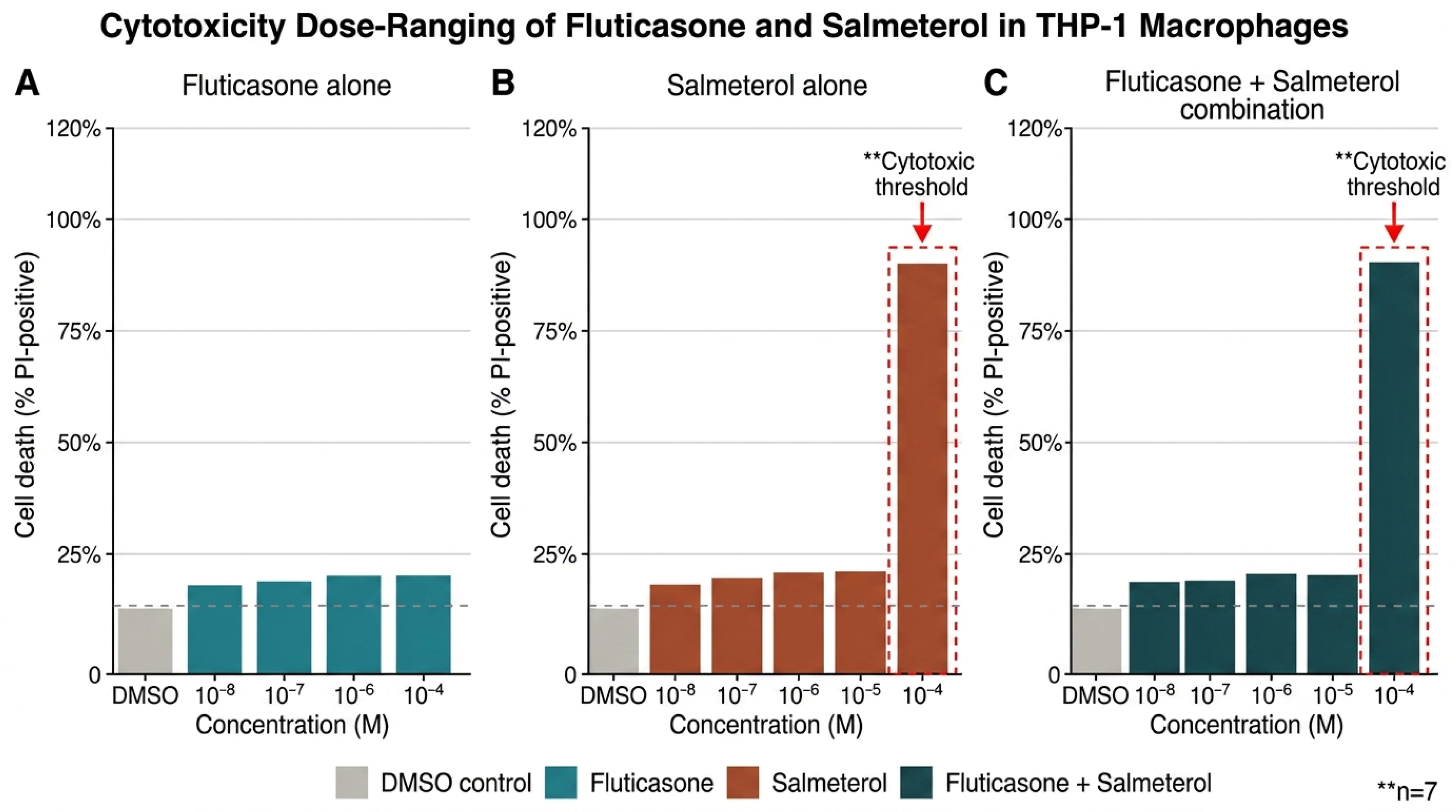
2.1. Cytotoxicity Screening of Fluticasone, Salmeterol, and Their Combination in THP-1 Macrophages
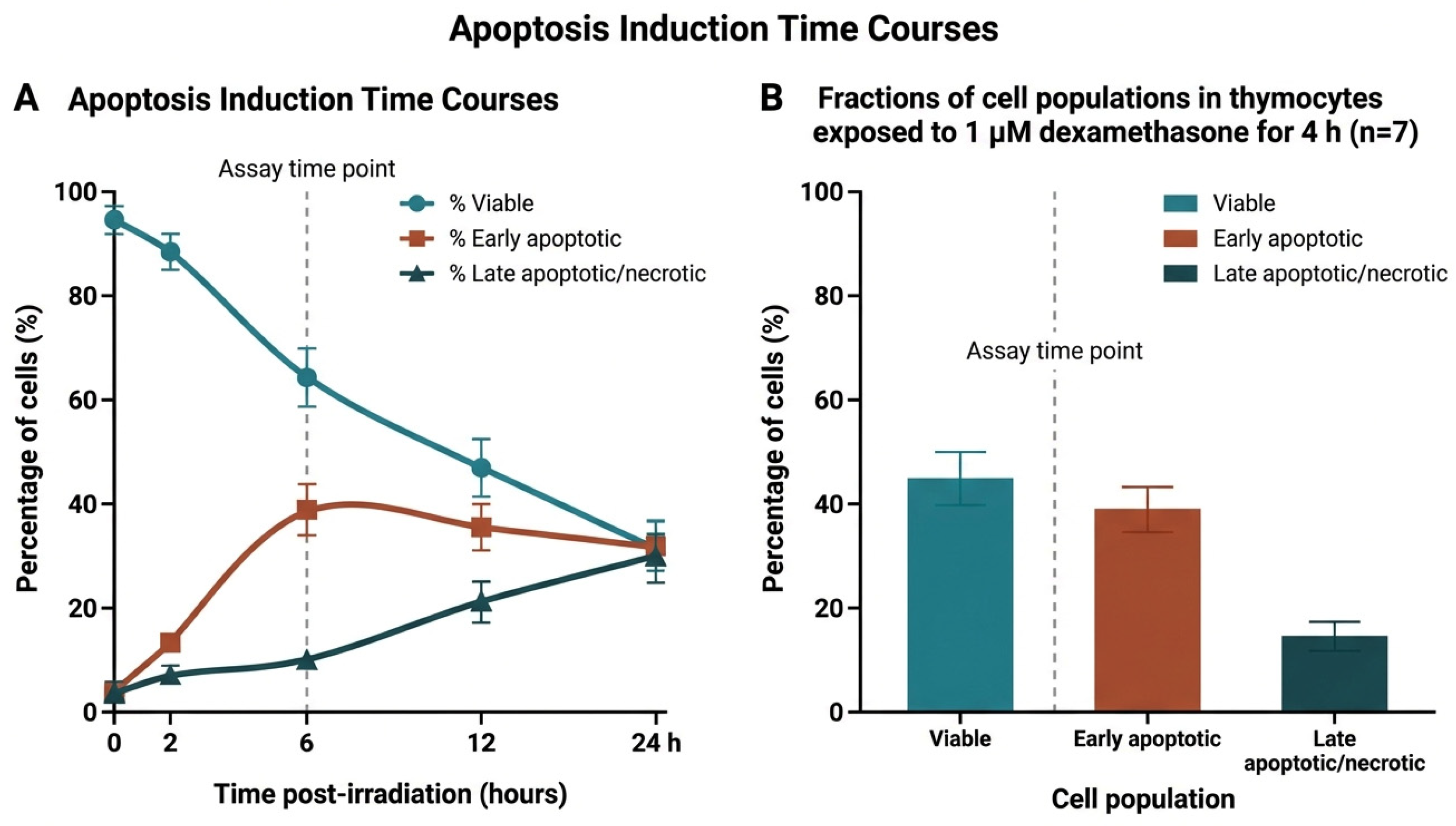
2.2. Standardized Induction and Characterization of Apoptotic Target Cells
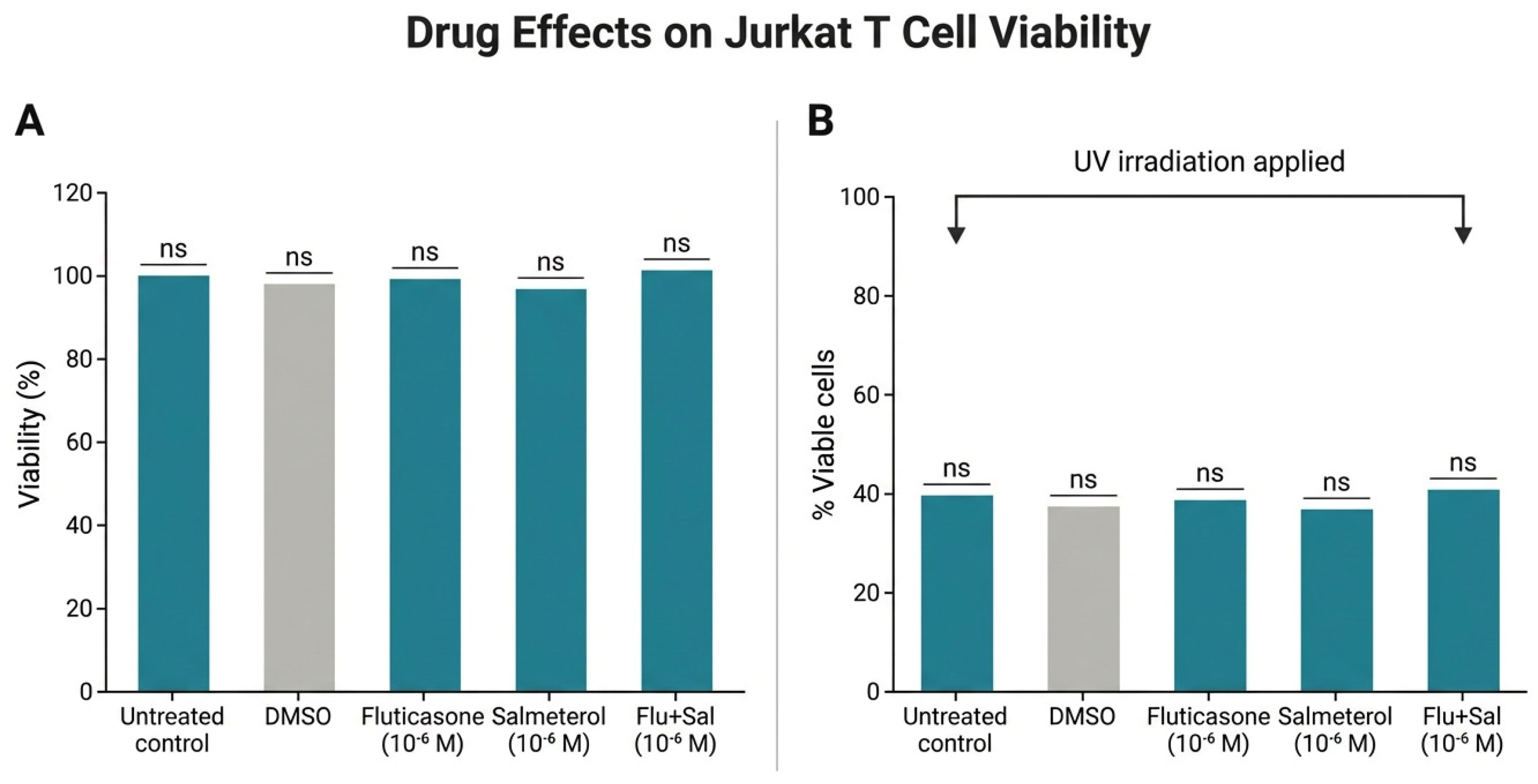
2.3. Effect of Fluticasone and Salmeterol on Jurkat T-Cell Viability and Inducibility of Apoptosis
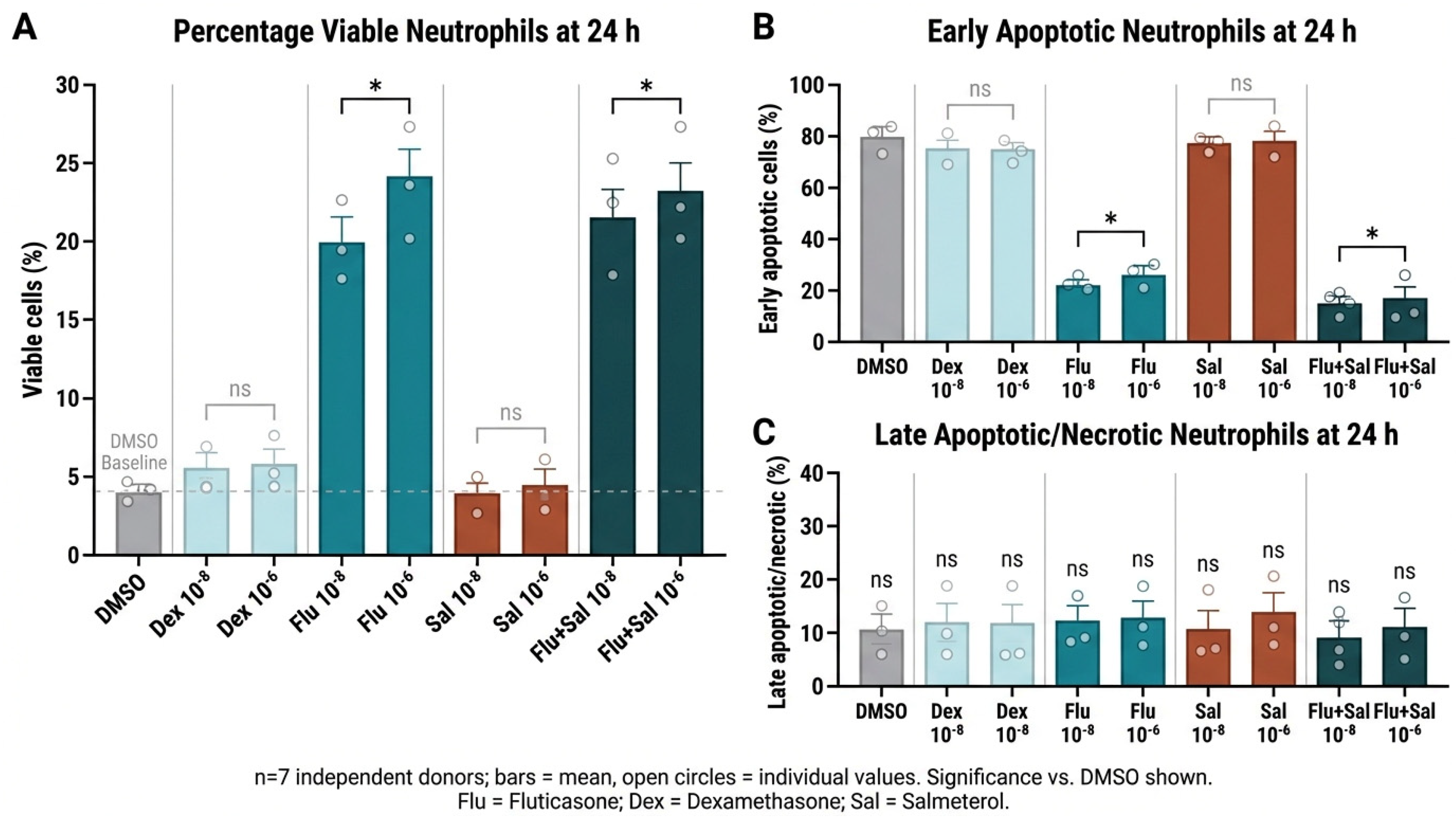
2.4. Fluticasone Prolongs Neutrophil Survival in a Concentration-Dependent Manner
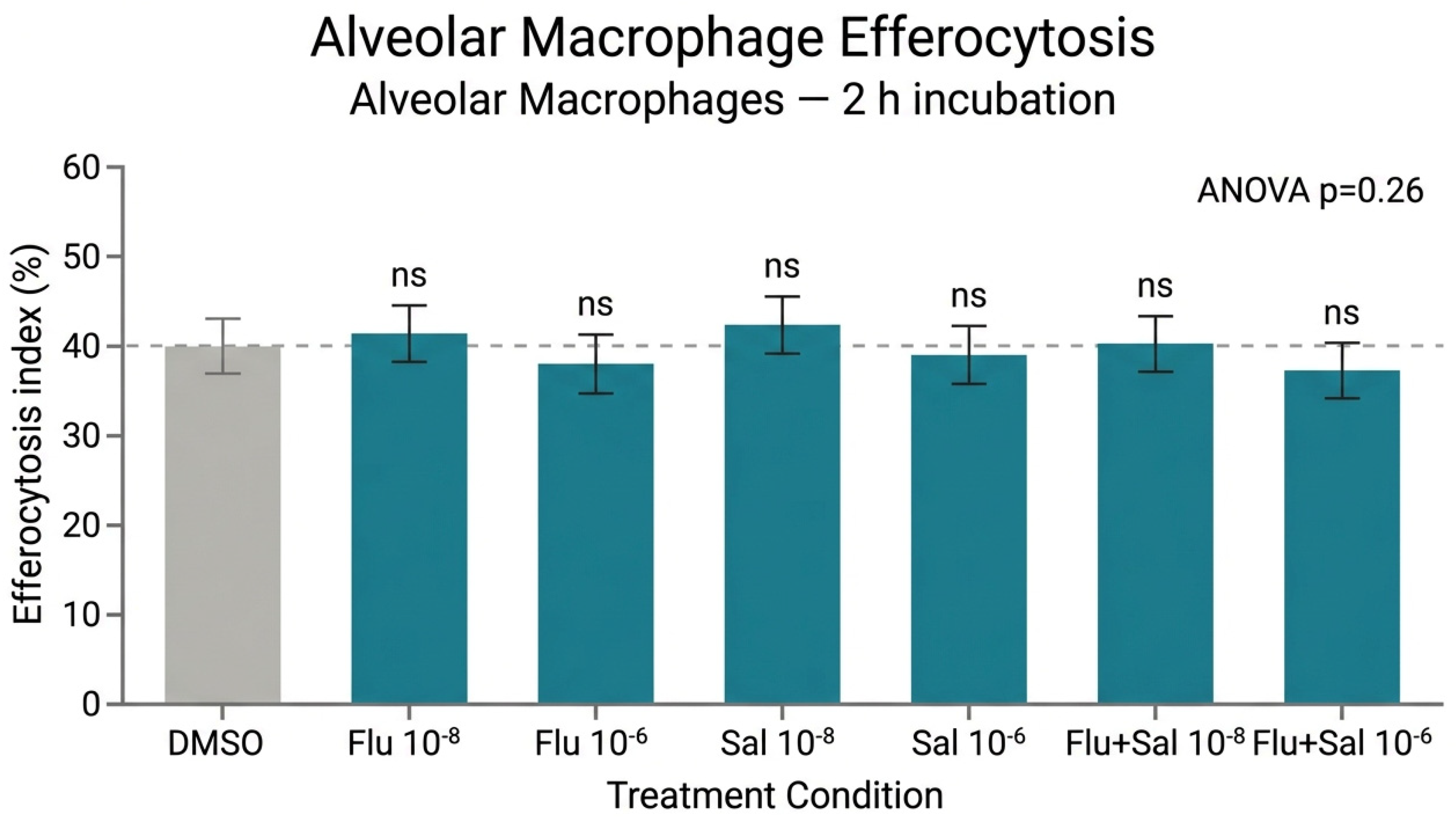
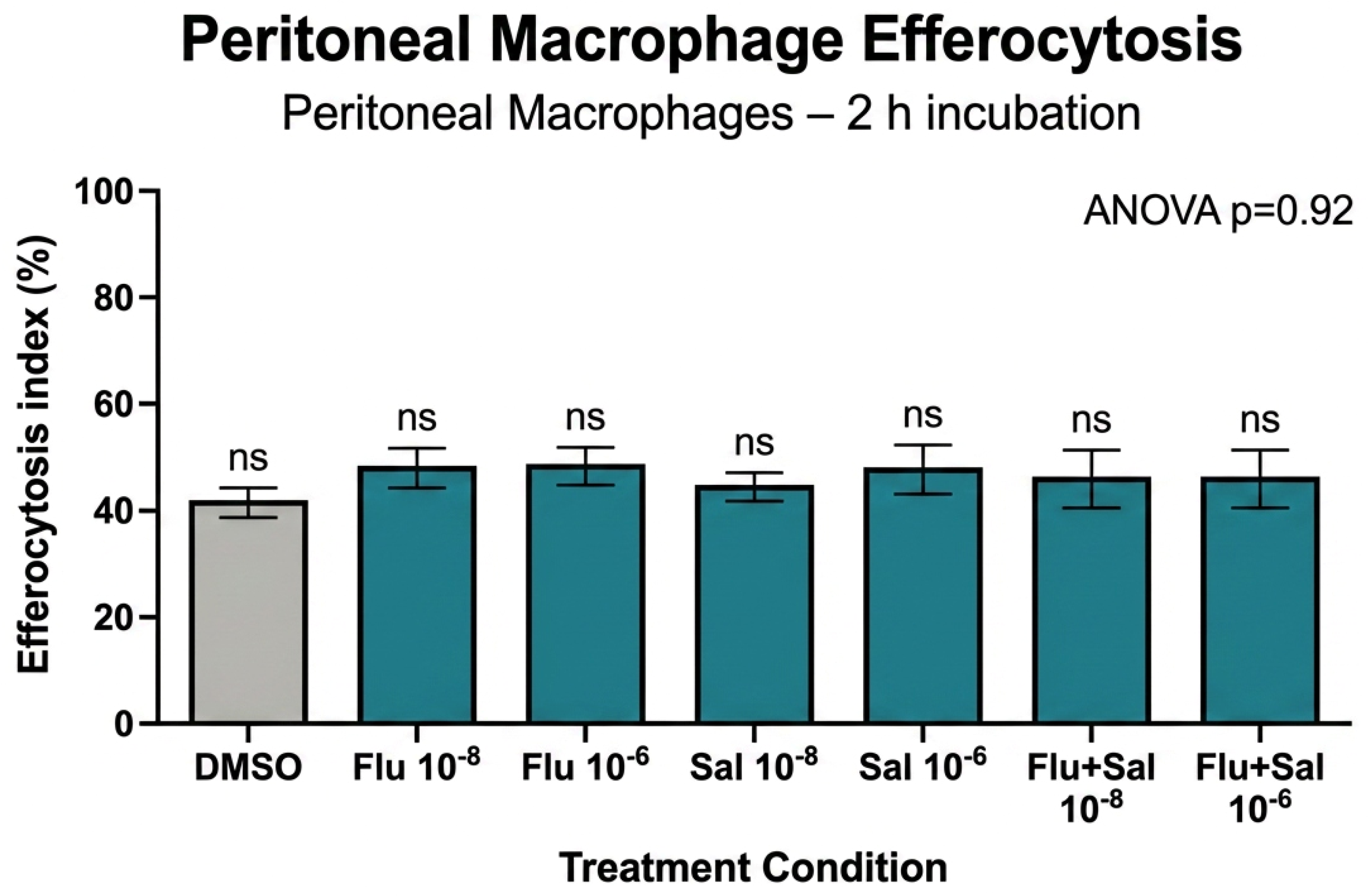
2.5. Efferocytosis of Apoptotic Cells by Murine Alveolar and Peritoneal Macrophages
2.6. Efferocytosis of Apoptotic Cells by J774A.1 and PMA-Differentiated THP-1 Macrophages
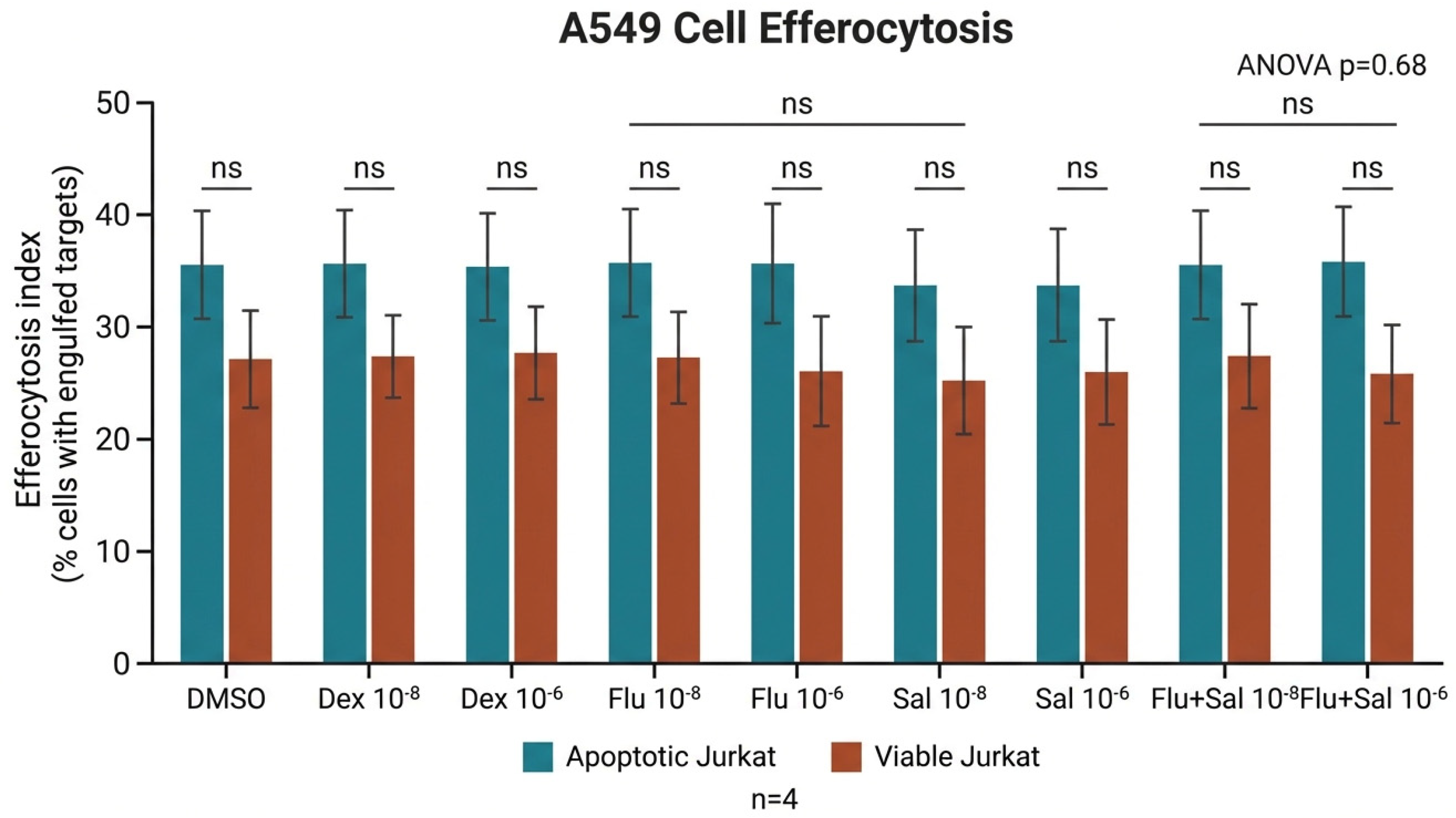
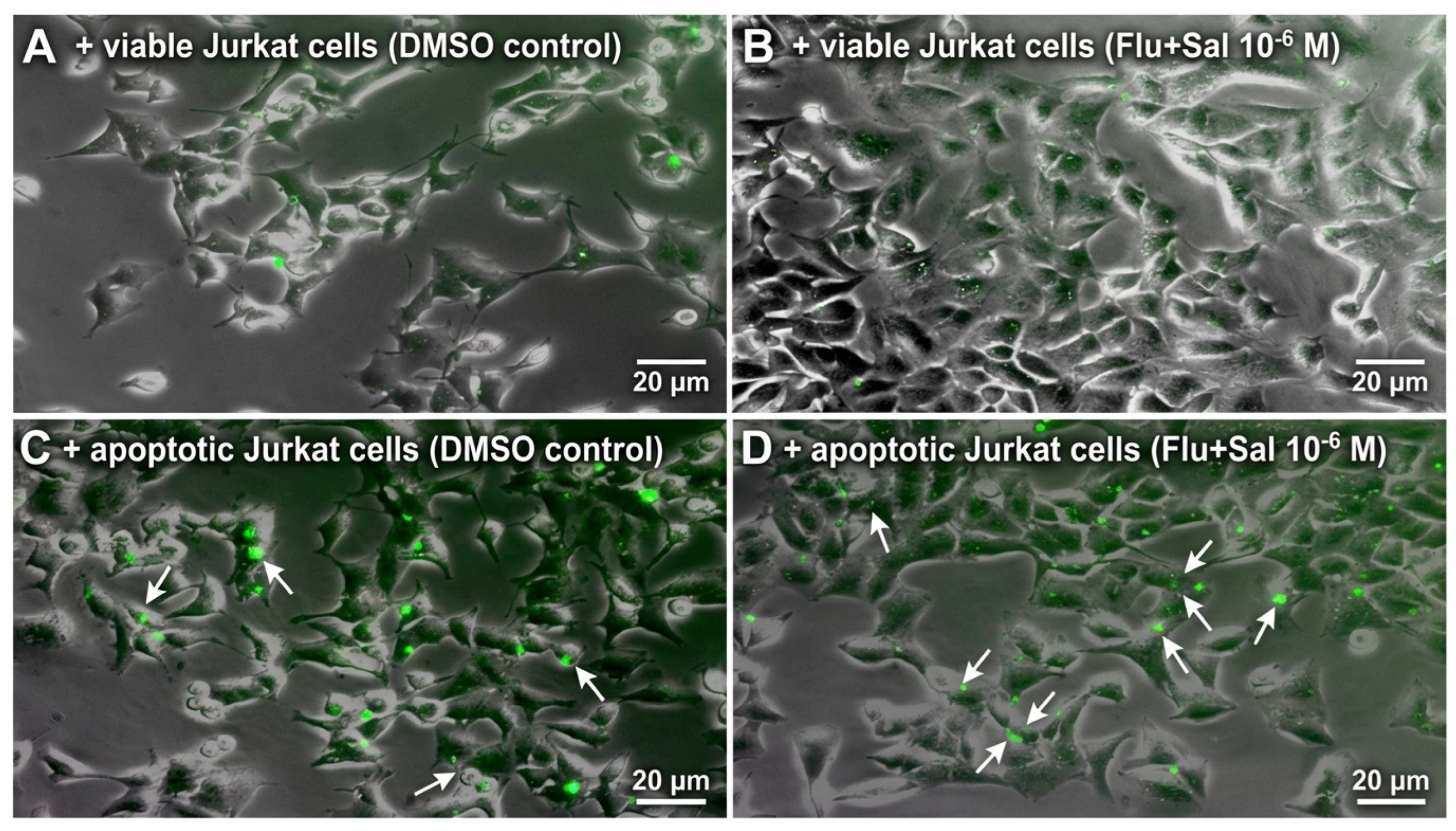
2.7. Efferocytosis of Apoptotic Cells by A549 Lung Epithelial Cells (Non-Professional Phagocytes)
2.8. Summary of Efferocytic Activity Across Phagocyte Models
3. Discussion
3.1. Phagocyte Heterogeneity and Efferocytic Capacity
3.2. Glucocorticoids, Efferocytosis, and the Acute In Vitro Paradox
3.3. Fluticasone-Mediated Neutrophil Survival Without Enhanced Efferocytosis
3.4. Clinical Implications—The COPD–Lung Cancer Efferocytosis Nexus
3.5. Limitations
3.5.1. Use of Tumor-Derived Cell Lines and Healthy Primary Cells
3.5.2. Serum-Free Experimental Conditions
3.5.3. Acute Exposure Model
3.5.4. No Assessment of Efferocytic-Receptor Expression
3.5.5. No Analysis of Downstream Anti-Inflammatory or Pro-Apoptotic Mediators
3.5.6. Limited Sample Size in Cytotoxicity Screening
4. Materials and Methods
4.1. Reagents and Test Compounds
4.2. Cell Lines and Primary Cells
Murine Primary Cells
4.3. Human Blood Neutrophil Isolation
4.4. Cell Viability Assessment
4.5. Induction of Apoptosis and Identification of Apoptotic Cells
4.6. Differentiation of THP-1 Monocytes into Macrophages
4.7. Efferocytosis Assay and Fluorescent Labeling
4.8. Statistical Analysis
5. Conclusions
Author Contributions
Funding
Institutional Review Board Statement
Informed Consent Statement
Data Availability Statement
Acknowledgments
Conflicts of Interest
References
- Powell, D.R.; Huttenlocher, A. Neutrophils in the tumor microenvironment. Trends Immunol. 2016, 37, 41–52. [Google Scholar] [CrossRef]
- Hodge, S.; Hodge, G.; Scicchitano, R.; Reynolds, P.N.; Holmes, M. Alveolar macrophages from subjects with chronic obstructive pulmonary disease are deficient in their ability to phagocytose apoptotic airway epithelial cells. Immunol. Cell Biol. 2003, 81, 289–296. [Google Scholar] [CrossRef]
- Vandivier, R.W.; Henson, P.M.; Douglas, I.S. Burying the dead: The impact of failed apoptotic cell removal (efferocytosis) on chronic inflammatory lung disease. Chest 2006, 129, 1673–1682. [Google Scholar] [CrossRef]
- Forder, A.; Zhuang, R.; Souza, V.G.P.; Brockley, L.J.; Pewarchuk, M.E.; Telkar, N.; Stewart, G.L.; Benard, K.; Marshall, E.A.; Reis, P.P.; et al. Mechanisms contributing to the comorbidity of COPD and lung cancer. Int. J. Mol. Sci. 2023, 24, 2859. [Google Scholar] [CrossRef]
- Qian, S.; Golubnitschaja, O.; Zhan, X. Chronic inflammation: Key player and biomarker-set to predict and prevent cancer development and progression based on individualized patient profiles. EPMA J. 2019, 10, 365–381. [Google Scholar] [CrossRef]
- Dvorak, H.F. Tumors: Wounds That Do Not Heal. N. Engl. J. Med. 1986, 315, 1650–1659. [Google Scholar] [CrossRef] [PubMed]
- Morgan, D.; Berggren, K.L.; Spiess, C.D.; Smith, H.M.; Tejwani, A.; Weir, S.J.; Lominska, C.E.; Thomas, S.M.; Gan, G.N. Mitogen-activated protein kinase-activated protein kinase-2 (MK2) plays a role in cell survival, inflammatory signaling, and migration, thereby promoting cancer. Mol. Carcinog. 2022, 61, 173–199. [Google Scholar] [CrossRef] [PubMed]
- Tan, Z.; Xue, H.; Sun, Y.; Zhang, C.; Song, Y.; Qi, Y. The role of tumor inflammatory microenvironment in lung cancer. Front. Pharmacol. 2021, 12, 688625. [Google Scholar] [CrossRef]
- Mao, X.; Xu, J.; Wang, W.; Liang, C.; Hua, J.; Liu, J.; Zhang, B.; Meng, Q.; Yu, X.; Shi, S. Crosstalk between cancer-associated fibroblasts and immune cells in the tumor microenvironment: New findings and future perspectives. Mol. Cancer 2021, 20, 131. [Google Scholar] [CrossRef] [PubMed]
- Hu, C.; Chen, M.; Jiang, R.; Guo, Y.; Wu, M.; Zhang, X. Exosome-related tumor microenvironment. J. Cancer 2018, 9, 3084–3092. [Google Scholar] [CrossRef]
- Coffelt, S.B.; Wellenstein, M.D.; de Visser, K.E. Neutrophils in cancer: Neutral no more. Nat. Rev. Cancer 2016, 16, 431–446. [Google Scholar] [CrossRef] [PubMed]
- Wang, W.; Dou, S.; Dong, W.; Xie, M.; Cui, L.; Zheng, C.; Xiao, W. Impact of COPD on prognosis of lung cancer: From a perspective on disease heterogeneity. Int. J. Chronic Obstr. Pulm. Dis. 2018, 13, 3767–3776. [Google Scholar] [CrossRef] [PubMed]
- Wang, W.; Xie, M.; Dou, S.; Cui, L.; Zheng, C.; Xiao, W. The link between chronic obstructive pulmonary disease phenotypes and histological subtypes of lung cancer: A case-control study. Int. J. Chronic Obstr. Pulm. Dis. 2018, 13, 1167–1175. [Google Scholar] [CrossRef]
- Zhai, R.; Yu, X.; Shafer, A.; Wain, J.C.; Christiani, D.C. The impact of coexisting COPD on survival of patients with early-stage non-small cell lung cancer undergoing surgical resection. Chest 2014, 145, 346–353. [Google Scholar] [CrossRef]
- Qiang, G.; Liang, C.; Xiao, F.; Yu, Q.; Wen, H.; Song, Z.; Tian, Y.; Shi, B.; Guo, Y. Impact of chronic obstructive pulmonary disease on postoperative recurrence in patients with resected non-small-cell lung cancer. Int. J. Chronic Obstr. Pulm. Dis. 2016, 11, 43–49. [Google Scholar] [CrossRef]
- Tournoy, I.S.; Geirnaert, S.; Krysko, D.V.; Bracke, K.R. When clearance fails: The role of efferocytosis in COPD. Eur. Respir. Rev. 2026, 35, 250177. [Google Scholar] [CrossRef]
- Gurova, K.V.; Gudkov, A.V. Paradoxical role of apoptosis in tumor progression. J. Cell Biochem. 2003, 88, 128–137. [Google Scholar] [CrossRef]
- Doran, A.C.; Yurdagul, A.; Tabas, I. Efferocytosis in health and disease. Nat. Rev. Immunol. 2020, 20, 254–267. [Google Scholar] [CrossRef] [PubMed]
- Boada-Romero, E.; Martinez, J.; Heckmann, B.L.; Green, D.R. The clearance of dead cells by efferocytosis. Nat. Rev. Mol. Cell Biol. 2020, 21, 398–414. [Google Scholar] [CrossRef]
- Willingham, S.B.; Volkmer, J.P.; Gentles, A.J.; Sahoo, D.; Dalerba, P.; Mitra, S.S.; Wang, J.; Contreras-Trujillo, H.; Martin, R.; Cohen, J.D.; et al. The CD47-signal regulatory protein alpha (SIRPα) interaction is a therapeutic target for human solid tumors. Proc. Natl. Acad. Sci. USA 2012, 109, 6662–6667. [Google Scholar] [CrossRef]
- Sadaf, S.; Zhang, X.; Lei, L.; Shen, J.; Jamal, I.; Modugu, G.; Dutta, P. Macrophage efferocytosis is controlled by epigenetic modifications mediated by RBPJ. bioRxiv 2025. bioRxiv:2025.10.10.681723. [Google Scholar] [CrossRef]
- Werfel, T.A.; Elion, D.L.; Rahman, B.; Hicks, D.J.; Sanchez, V.; Gonzales-Ericsson, P.I.; Nixon, M.J.; James, J.L.; Balko, J.M.; Scherle, P.A.; et al. Treatment-induced tumor cell apoptosis and secondary necrosis drive tumor progression in the residual tumor microenvironment through MerTK and IDO1. Cancer Res. 2019, 79, 171–182. [Google Scholar] [CrossRef] [PubMed]
- Roy, S.; Bag, A.K.; Dutta, S.; Polavaram, N.S.; Islam, R.; Schellenburg, S.; Banwait, J.; Guda, C.; Ran, S.; Hollingsworth, M.A.; et al. Macrophage-derived Neuropilin-2 exhibits novel tumor-promoting functions. Cancer Res. 2018, 78, 5600–5617. [Google Scholar] [CrossRef]
- Bravo, D.D.; Shi, Y.; Sheu, A.; Liang, W.-C.; Lin, W.; Wu, Y.; Yan, M.; Wang, J. A real-time image-based efferocytosis assay for the discovery of functionally inhibitory anti-MerTK antibodies. J. Immunol. 2023, 210, 1166–1176. [Google Scholar] [CrossRef] [PubMed]
- Astuti, Y.; Raymant, M.; Quaranta, V.; Clarke, K.; Abudula, M.; Smith, O.; Bellomo, G.; Chandran-Gorner, V.; Nourse, C.; Halloran, C.; et al. Efferocytosis reprograms the tumor microenvironment to promote pancreatic cancer liver metastasis. Nat. Cancer 2024, 5, 774–790, Erratum in Nat. Cancer 2024, 5, 808. [Google Scholar] [CrossRef]
- Llopiz, D.; Silva, L.; Ruiz, M.; Castro-Alejos, C.; Aparicio, B.; Vegas, L.; Infante, S.; Santamaria, E.; Sarobe, P. MERTK inhibition improves therapeutic efficacy of immune checkpoint inhibitors in hepatocellular carcinoma. Oncoimmunology 2025, 14, 2473165. [Google Scholar] [CrossRef]
- Huang, P.; Liu, Y.; Zhao, C.; Wang, C.; Wang, L.; Luo, M.; Wang, W.; Shan, W.; Liu, X.; Li, B.; et al. Permanent efferocytosis prevention by terminating MerTK recycle on tumor-associated macrophages for cancer immunotherapy. J. Am. Chem. Soc. 2025, 147, 15901–15914. [Google Scholar] [CrossRef] [PubMed]
- McColl, A.; Bournazos, S.; Franz, S.; Perretti, M.; Morgan, B.P.; Haslett, C.; Dransfield, I. Glucocorticoids induce protein S-dependent phagocytosis of apoptotic neutrophils by human macrophages. J. Immunol. 2009, 183, 2167–2175. [Google Scholar] [CrossRef]
- Garabuczi, É.; Sarang, Z.; Szondy, Z. Glucocorticoids enhance prolonged clearance of apoptotic cells by upregulating liver X receptor, peroxisome proliferator-activated receptor-δ and UCP2. Biochim. Biophys. Acta Mol. Cell Res. 2015, 1853, 573–582. [Google Scholar] [CrossRef]
- Stolberg, V.R.; McCubbrey, A.L.; Freeman, C.M.; Brown, J.P.; Crudgington, S.W.; Taitano, S.H.; Saxton, B.L.; Mancuso, P.; Curtis, J.L. Glucocorticoid-augmented efferocytosis inhibits pulmonary pneumococcal clearance in mice by reducing alveolar macrophage bactericidal function. J. Immunol. 2015, 195, 174–184. [Google Scholar] [CrossRef]
- Cox, G. Glucocorticoid treatment inhibits apoptosis in human neutrophils. Separation of survival and activation outcomes. J. Immunol. 1995, 154, 4719–4725. [Google Scholar] [CrossRef]
- Perttunen, H.; Moilanen, E.; Zhang, X.; Barnes, P.J.; Kankaanranta, H. Beta2-agonists potentiate corticosteroid-induced neutrophil survival. J. Chronic Obstr. Pulm. Dis. 2008, 5, 163–169. [Google Scholar] [CrossRef]
- Baker, W.L.; Baker, E.L.; Coleman, C.I. Pharmacologic treatments for chronic obstructive pulmonary disease: A mixed-treatment comparison meta-analysis. Pharmacotherapy 2009, 29, 891–905. [Google Scholar] [CrossRef]
- Milara, J.; Cervera, A.; de Diego, A.; Sanz, C.; Juan, G.; Gavaldà, A.; Miralpeix, M.; Morcillo, E.; Cortijo, J. Non-neuronal cholinergic system contributes to corticosteroid resistance in chronic obstructive pulmonary disease patients. Respir. Res. 2016, 17, 145. [Google Scholar] [CrossRef] [PubMed]
- Bourbeau, J.; Christodoulopoulos, P.; Maltais, F.; Yamauchi, Y.; Olivenstein, R.; Hamid, Q. Effect of salmeterol/fluticasone propionate on airway inflammation in COPD: A randomised controlled trial. Thorax 2007, 62, 938–943. [Google Scholar] [CrossRef]
- Esmailpour, N.; Högger, P.; Rabe, K.F.; Heitmann, U.; Nakashima, M.; Rohdewald, P. Distribution of inhaled fluticasone propionate between human lung tissue and serum in vivo. Eur. Respir. J. 1997, 10, 1496–1499. [Google Scholar] [CrossRef] [PubMed]
- Daley-Yates, P.T. Inhaled corticosteroids: Potency, dose equivalence and therapeutic index. Br. J. Clin. Pharmacol. 2015, 80, 372–380. [Google Scholar] [CrossRef]
- Young, R.P.; Hopkins, R.J.; Christmas, T.; Black, P.N.; Metcalf, P.; Gamble, G.D. COPD prevalence is increased in lung cancer, independent of age, sex and smoking history. Eur. Respir. J. 2009, 34, 380–386. [Google Scholar] [CrossRef] [PubMed]
- Durham, A.L.; Adcock, I.M. The relationship between COPD and lung cancer. Lung Cancer 2015, 90, 121–127. [Google Scholar] [CrossRef]
- Yao, H.; Rahman, I. Current concepts on the role of inflammation in COPD and lung cancer. Curr. Opin. Pharmacol. 2009, 9, 375–383. [Google Scholar] [CrossRef]
- Chanmee, T.; Ontong, P.; Konno, K.; Itano, N. Tumor-associated macrophages as major players in the tumor microenvironment. Cancers 2014, 6, 1670–1690. [Google Scholar] [CrossRef]
- Sadaf, S.; Vasamsetti, S.B.; Jamal, I.; Johny, E.; Kubra, K.-T.; Haque, S.; Mannan, A.; Razani, B.; Chaparala, S.; Okawa, S.; et al. FAS engagement on apoptotic cells couples efferocytosis to fibroblast-mediated tissue remodeling. bioRxiv 2025. bioRxiv:2025.10.10.681697. [Google Scholar] [CrossRef]
- Vasamsetti, S.B.; Sadaf, S.; Uddin, M.A.; Shen, J.; Johny, E.; Mondal, A.; Florentin, J.; Lei, L.; Mannan, A.; Rao, K.S.; et al. Tissue-resident macrophage survival depends on mitochondrial function regulated by SerpinB2 in chronic inflammation. Nat. Commun. 2026, 17, 1493, Erratum in Nat. Commun. 2026, 17, 3573. [Google Scholar] [CrossRef] [PubMed]
- Kozmar, A.; Greenlee-Wacker, M.C.; Bohlson, S.S. Macrophage response to apoptotic cells varies with the apoptotic trigger and is not altered by a deficiency in LRP expression. J. Innate Immun. 2010, 2, 248–259. [Google Scholar] [CrossRef]
- Fadok, V.A.; de Cathelineau, A.; Daleke, D.L.; Henson, P.M.; Bratton, D.L. Loss of phospholipid asymmetry and surface exposure of phosphatidylserine is required for phagocytosis of apoptotic cells by macrophages and fibroblasts. J. Biol. Chem. 2001, 276, 1071–1077. [Google Scholar] [CrossRef]
- Fadok, V.A.; Voelker, D.R.; Campbell, P.A.; Cohen, J.J.; Bratton, D.L.; Henson, P.M. Exposure of phosphatidylserine on the surface of apoptotic lymphocytes triggers specific recognition and removal by macrophages. J. Immunol. 1992, 148, 2207–2216. [Google Scholar] [CrossRef] [PubMed]
- Janciauskiene, S.; Wrenger, S.; Immenschuh, S.; Olejnicka, B.; Greulich, T.; Welte, T.; Chorostowska-Wynimko, J. The multifaceted effects of alpha1-antitrypsin on neutrophil functions. Front. Pharmacol. 2018, 9, 341. [Google Scholar] [CrossRef] [PubMed]


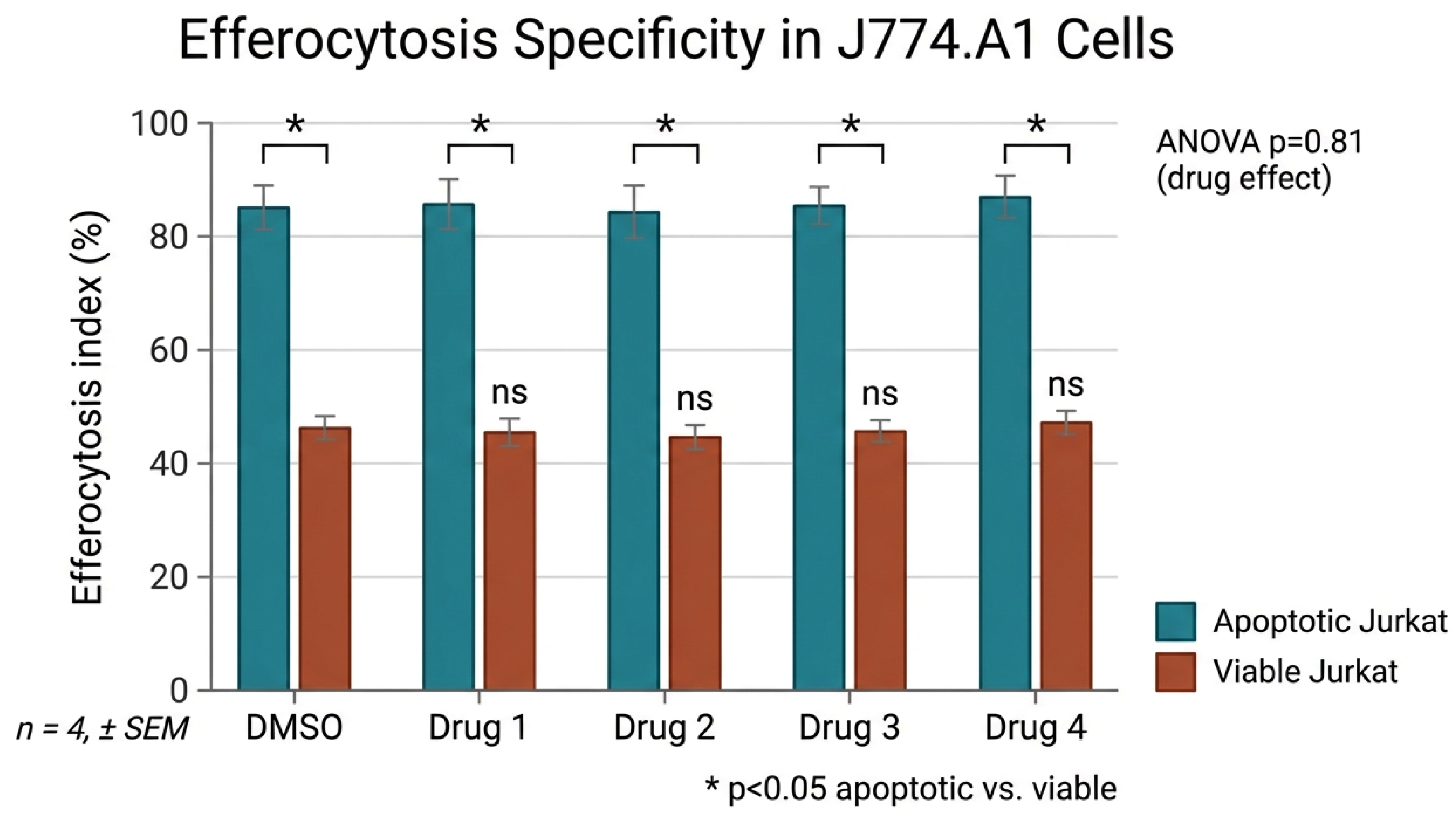
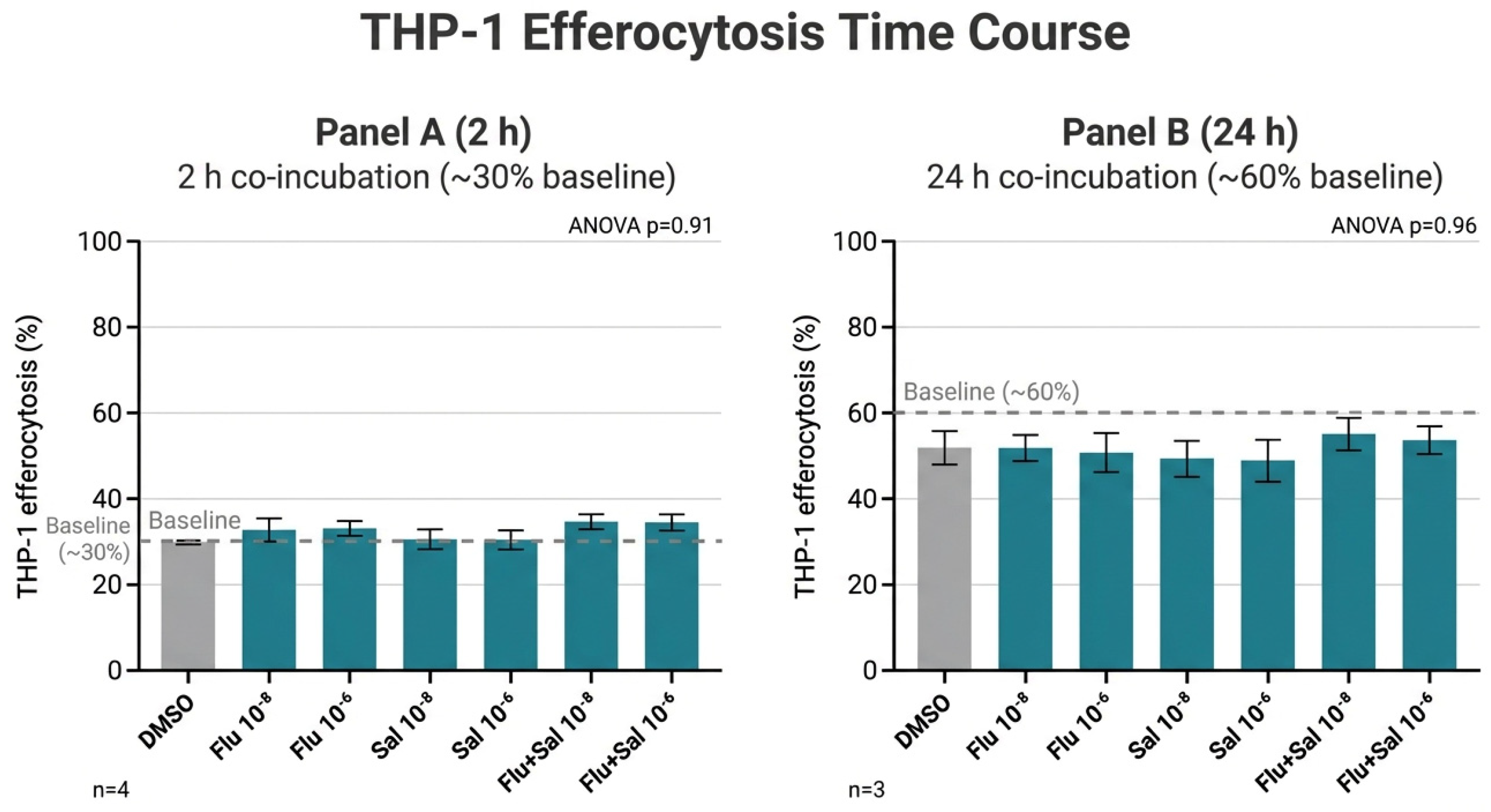



| Phagocyte | Apoptotic Target | Co-Incubation Time | Baseline Efferocytosis (Vehicle) | Fluticasone (10−8–10−6 M) | Salmeterol (10−8–10−6 M) | Flu + Sal | ANOVA p | n | Figure |
|---|---|---|---|---|---|---|---|---|---|
| Murine peritoneal macrophages | Apoptotic thymocytes | 2 h | ~75% | No change | No change | No change | 0.92 | 3 | 6 |
| Murine alveolar macrophages | Apoptotic thymocytes | 2 h | ~40% | Non-significant ↑ | Non-significant ↑ | Non-significant ↑ | 0.26 | 4 | 5 |
| J774A.1 (murine line) | Apoptotic Jurkat | 24 h | ~75% | No change | No change | No change | n.s. | 4 | 7 |
| PMA-differentiated THP-1 (human) | Apoptotic Jurkat | 2 h | ~30% | No change | No change | No change | 0.91 | 4 | 8A |
| PMA-differentiated THP-1 (human) | Apoptotic Jurkat | 24 h | ~60% | No change | No change | No change | 0.96 | 3 | 8B |
| A549 (human, non-professional) | Apoptotic Jurkat | 24 h | <20% | No change | No change | No change (Dex also no effect) | 0.68–0.88 | 4 | 9 |
| Cell Line | Species | Tissue/Disease of Origin | Role in This Study |
|---|---|---|---|
| Jurkat E6.1 | Human | Acute T-cell leukemia (peripheral blood) | Apoptotic target cell |
| THP-1 | Human | Acute monocytic leukemia | Macrophage-like phagocyte (after PMA) |
| A549 | Human | Alveolar adenocarcinoma (NSCLC) | Non-professional phagocyte |
| J774A.1 | Mouse | Macrophage line from reticulum cell sarcoma | Professional phagocyte |
Disclaimer/Publisher’s Note: The statements, opinions and data contained in all publications are solely those of the individual author(s) and contributor(s) and not of MDPI and/or the editor(s). MDPI and/or the editor(s) disclaim responsibility for any injury to people or property resulting from any ideas, methods, instructions or products referred to in the content. |
© 2026 by the authors. Licensee MDPI, Basel, Switzerland. This article is an open access article distributed under the terms and conditions of the Creative Commons Attribution (CC BY) license.
Share and Cite
Redwan, B.; Biancosino, C.; Fischer, S.; Janciauskiene, S.; Golpon, H. Effects of Inhaled Corticosteroids and Long-Acting β2-Agonists on Efferocytosis and Inflammatory Cell Survival: An In Vitro Study Relevant to COPD and Lung Cancer. Int. J. Mol. Sci. 2026, 27, 4627. https://doi.org/10.3390/ijms27104627
Redwan B, Biancosino C, Fischer S, Janciauskiene S, Golpon H. Effects of Inhaled Corticosteroids and Long-Acting β2-Agonists on Efferocytosis and Inflammatory Cell Survival: An In Vitro Study Relevant to COPD and Lung Cancer. International Journal of Molecular Sciences. 2026; 27(10):4627. https://doi.org/10.3390/ijms27104627
Chicago/Turabian StyleRedwan, Bassam, Christian Biancosino, Stefan Fischer, Sabina Janciauskiene, and Heiko Golpon. 2026. "Effects of Inhaled Corticosteroids and Long-Acting β2-Agonists on Efferocytosis and Inflammatory Cell Survival: An In Vitro Study Relevant to COPD and Lung Cancer" International Journal of Molecular Sciences 27, no. 10: 4627. https://doi.org/10.3390/ijms27104627
APA StyleRedwan, B., Biancosino, C., Fischer, S., Janciauskiene, S., & Golpon, H. (2026). Effects of Inhaled Corticosteroids and Long-Acting β2-Agonists on Efferocytosis and Inflammatory Cell Survival: An In Vitro Study Relevant to COPD and Lung Cancer. International Journal of Molecular Sciences, 27(10), 4627. https://doi.org/10.3390/ijms27104627