


Abstract
The emergence of the Coronavirus Disease 2019 (COVID-19) caused by the SARS-CoV-2 virus has led to an unprecedented pandemic, which demands urgent development of antiviral drugs and antibodies; as well as prophylactic approaches, namely vaccines. Algae biotechnology has much to offer in this scenario given the diversity of such organisms, which are a valuable source of antiviral and anti-inflammatory compounds that can also be used to produce vaccines and antibodies. Antivirals with possible activity against SARS-CoV-2 are summarized, based on previously reported activity against Coronaviruses or other enveloped or respiratory viruses. Moreover, the potential of algae-derived anti-inflammatory compounds to treat severe cases of COVID-19 is contemplated. The scenario of producing biopharmaceuticals in recombinant algae is presented and the cases of algae-made vaccines targeting viral diseases is highlighted as valuable references for the development of anti-SARS-CoV-2 vaccines. Successful cases in the production of functional antibodies are described. Perspectives on how specific algae species and genetic engineering techniques can be applied for the production of anti-viral compounds antibodies and vaccines against SARS-CoV-2 are provided.
1. Introduction
Coronaviruses are enveloped viruses having single-stranded, positive sense RNA genome carrying the spike protein on their surface that mediate virus entry into the target cell [1]. The emerging Coronavirus Disease 2019 (COVID-19), caused by the Severe Acute Respiratory Syndrome Coronavirus 2 (SARS-CoV-2), possesses high transmissibility and has led to a worldwide public health crisis. Following its first description in Wuhan, China; SARS-CoV-2 has rapidly spread around the world. COVID-19 was declared a pandemic on March 2020 [2] and by the mid of August over 23 million people were infected by SARS-CoV-2 with more than 800,000 deaths registered. COVID-19 symptoms range from mild flu-like illness to potentially lethal acute respiratory distress syndrome or fulminant pneumonia, the latter considered as the critical/dominant clinical manifestation [3]. SARS-CoV-2 is related to SARS-CoV-1 [4], that gained attention/prominence after the SARS outbreaks in 2003, and the Middle East Respiratory Syndrome virus (MERS-CoV) that emerged in 2012 [5].
The impact of the COVID-19 pandemic in economic, loss of production/jobs, commercial/trade restrictions, and large investment in control and prevention, and health terms (morbidity and mortality) make finding specific treatments an urgent goal. By now strategies comprising antivirals and corticosteroid therapy, together with mechanical respiratory support, are considered the front-line treatment [3]. Since vaccines to prevent COVID-19 are unavailable, there is an urgent need to develop antiviral drugs, anti-inflammatory drugs, and antibodies to fight against this disease in the short term; while accelerating the development of vaccines that would be the ideal strategy to fight against this disease in the midterm [6]. The most advanced vaccine candidates are already under clinical evaluation and include formulations based on mRNA (Moderna, Cambridge, MA, USA), adenoviral vectors (CanSino Biologicals, Tianjin, China; and Oxford University/Astra Zeneca, Cambridge, UK), and INO-4800 (Inovio, Plymouth Meeting. PA, USA) [7].
Microalgae and cyanobacteria involve a diverse group of unicellular organisms found in aquatic (fresh- and sea-water) and terrestrial environments [8]. They are capable of growing either photoautotrophically or heterotrophically depending on the type of available carbon source; making their cultivation potentially simple and cost-effective [9]. Micro and macroalgae and cyanobacteria have gained attention due to their unique metabolic pathways, whose products could be a source of commercially valuable products such as carotenoids, polyunsaturated fatty acids, proteins, phycobiliproteins, and polysaccharides [10]. Many of these compounds have antiviral and anti-inflammatory activities with a potential application in the development of drugs and treatments against COVID-19. The advances achieved during the last decades in genetic engineering of algae have paved the way for the implementation of bioprocesses based on algae strains with improved traits for an efficient production of native or recombinant products [11,12,13,14,15]. This is especially useful for the case of target compounds produced in trace amounts or those not being naturally produced by the algae species [12,16]. Genetic engineering either by nuclear or organelle expression has been demonstrated for algae species [17]. When compared to plants (also attractive hosts to produce bioactive metabolites and biopharmaceuticals), microalgae expression systems ranging from industrial to commercial applications offer considerable advantages that include high scalability with better growing rates (5–10 fold higher), low production costs, and increased biomass culture with simple mineral requirements. Moreover, wastewater or water unsuitable for human consumption can be used for algae growth [18].
An additional advantage for algae cultures corresponds to the lack of competition for agricultural land; making them a sustainable approach as excellent “cellular factories” to produce high-value compounds [19], while reducing the carbon dioxide levels generated by anthropogenic//human activities [20]. Microalgae strains are commonly grown for the production of functional foods and aquaculture products given their contents of functional and nutritional compounds [21,22]. However, the large scale industrial exploitation of micro- and macroalgae-derived compounds is largely limited to phycocolloids (carrageenan, agars, and alginates) for their gelation, emulsifying, and water-holding capacities; and biochemicals (carbohydrates, lipids, minerals, pigments, and low molecular weight compounds). These compounds are mainly employed as bulk or specialty commodities in foods, food additives, nutraceuticals, feed industries [21], and biofuels production [23]. The groups of algal species exploited by the industry include Dunaliella salina (β-carotene), Haematococcus lacustris (astaxanthin), Chondrus and Eucheuma (carrageenans), Sargassum sinicola (alginates), Undaria pinnatifida (fucoxanthin), and Chlorella vulgaris (fatty acids and triglycerides) [24,25,26,27,28].
The present review provides an outlook on how algae biotechnology can be exploited to fight SARS-CoV-2 at different levels through the production of antiviral and anti-inflammatory compounds, recombinant vaccines, monoclonal antibodies, and cytokines (Figure 1).
Figure 1.
Simplified view of the SARS-CoV-2 pathogenic mechanisms and possible algae-based products to fight against it. The SARS-CoV-2 access the cells at the airway mucosa by targeting the ACE2 receptor. Upon cell entry, viral replication takes place and induces tissue damage that might result in a severe inflammatory response and systemic spread, which can cause death; especially in patients suffering of co-morbidities. Microalgae can be exploited in several directions as sources of drugs and biologicals in the fight against SARS-CoV-2 infection. Algae-derived compounds such as lectins and polysaccharides have known ability to block the entry or replication of enveloped viruses. Through genetic engineering; algae can lead to the development of low-cost production platforms for the manufacture of vaccines, monoclonal antibodies, and cytokines; all of them being key biopharmaceuticals in the prevention or treatment of COVID-19.
3. Algae-Made Biopharmaceuticals
The notion of using algal species as hosts for the production of recombinant biopharmaceuticals was conceived three decades ago as a system characterized by low cost, rapid production, and enhanced safety; since many species do not produce toxins or carry human pathogens [166]. In addition, the use of algal cells as delivery vehicles could lead to attractive therapies in which no costly purification steps are required. It has been proposed that oral treatments can be implemented using pills or tablets with freeze-dried biomass. However, oral bioavailability for the target biopharmaceutical, especially if it is a systemic target, requires fine optimization [167].
The expression of the target biopharmaceutical can be achieved by the established expression approaches at the chloroplast or nucleus, which are mainly optimized for algae model species such as Chlamydomonas reinhardtii [168] and Phaeodactylum tricornutum [169]. A frequent limitation in this field is associated to low protein yields; as a consequence, many groups have focused on optimizing the expression approaches to overcome this limitation. Some of the improvements achieved in this sense are the generation of mutant strains with better expression of transgenes at the nuclear level [170] and the expansion of signal peptides to allow for an efficient secretion of the recombinant protein [171]. As for the case of chloroplast expression, a series of vectors optimized with specific promoters and UTRs have been described [172,173]. A remarkable example is the use of photorestoration systems in which the use of selectable markers is avoided since the strain carries a mutation that abolish photosynthesis, which is restored upon the foreign DNA insertion that contains the functional gene [174]. Moreover, inducible expression systems have been developed for the chloroplast and constitute a promise for the field (especially when the target biopharmaceutical exerts toxic effects in the algae species used as host) [175] to separate the growth phase from the expression phase as requirement to maximize production.
Viral vectors, e.g., those based on plasmids that lead to the generation of replicons that allow for a massive protein expression, constitute key alternatives in this field. The delivery of such vectors mediated by Agrobacterium is an interesting approach to be explored in green algae; this concept has been successfully applied in other microorganisms, namely the heterokont protist Schizochytrium sp. [176].
Thus far several biopharmaceuticals have been produced in algae with vaccines as the most explored cases. Some human vaccine candidates have been evaluated at the preclinical level; these candidates include: (i) a vaccine against peanut allergy with the ability to induce immunoprotective effects in a mice peanut-induced anaphylaxis model [177], (ii) a candidate targeting malaria that reduced parasitemia in mice [178], and (iii) a vaccine candidate against the Human papillomavirus with anti-tumoral protection in mice [179]. All these candidates were expressed in the chloroplasts of C. reinhardtii. Although not strictly classified as an alga, Schizochytrium sp. is a heterokont protist (ancestrally related to photosynthetic heterokonts) that has been used to produce an influenza vaccine candidate; consisting of purified recombinant hemagglutinin that was able to protect mice against a viral challenge (Table 1) [180]. The road ahead in this field requires surpassing the valley of death and achieving the implementation of clinical trials.
Table 1.
Examples of vaccines produced in innovative expression hosts targeting viral diseases.
Antibodies have also been expressed in microalgae and applied in the fight against cancer and other non-communicable diseases. Among the most advanced models in this category are: an immunotoxin targeting CD22 produced in the chloroplast of C. reinhardtii; able to exert cytotoxic effects on B-cell lymphomas [181] and a camelid antibody directed against the Botulinum neurotoxin, expressed in the chloroplast of C. reinhardtii, which prevailed in the gut of mice receiving the molecule by the oral route [182].
Another relevant group of biopharmaceuticals produced in algae is the case of cytokines. Thus far the following cytokines have been targeted: High mobility group protein B1 (HMGB1), Tumor necrosis factor α (TNF-α), Tumor necrosis factor-related apoptosis inducing ligand (TRAIL), Human vascular endothelial growth factor (VEGF), Human interferon β1 (IFN-β1), and IFN-α2a. The former was produced in D. salina, while the rest were produced in C. reinhardtii [184,185,186]. Nevertheless, this group of biopharmaceuticals has been characterized at very preliminary stages with the exception of IFN-α2a, which showed inhibitory effects on the propagation of the Vesicular stomatitis virus and malignant cells in vivo [187]. The road ahead is still long and glycosylation studies, as well as the in vivo activity, remain to be characterized.
RNA interference (RNAi) is an effective approach to mediate the degradation of specific mRNAs; including those of viruses [188,189]. One innovative approach recently reported for algae is their use as biofactories and delivery vehicles of functional dsRNA targeting the lethal shrimp yellow head virus via RNA interference, which led to improved survival rates in shrimp fed with the engineered algae [190]. A similar approach was demonstrated to express in microalgae a dsRNA targeting the 3-hydroxykynurenine transaminase (3-HKT), which is critical for the catabolism in mosquitoes [191].
4. Perspectives
It is clear that algae biotechnology offers several approaches to generate therapies and vaccines to fight against COVID-19. In regard to the discovery of novel antiviral compounds; this goal implies identification, purification, and characterization of candidates through suitable strain selection and cultivation; followed by downstream biomass processing [192]. The discovery of anti-SARS-CoV-2 agents derived from algae will be accelerated by the exploitation of high-throughput assays to screen such compounds and the selection of the most promising candidates. In this regard, the methods already reported for studying anti-SARS-CoV-1 activities are the immediate paths to be implemented. Interestingly some of these methods are based on GFP expressing replicons, a highly practical approach not requiring the handle of infectious particles [193].
Although the discovery of novel microalgae-based antivirals is a potential field, the already described compounds deserve evaluations to generate solutions in a straightforward manner. The most characterized and promising antiviral compound isolated from algae is in our opinion GRFT given the wide set of studies supporting its activity against enveloped viruses; including SARS-CoV-1 and MERS-CoV. The perspectives for the application of GRFT to fight COVID-19 are crucial since clinical trials could be implemented in the short term as the production system is already established in plants, although implementing its production in recombinant algae is also a possibility.
Another key path for this field is to determine the anti-SARS-CoV-2 potential of the already described algae-derived pigments, polysaccharides, and polyphenols assigned as antiviral compounds. Moreover, it should be contemplated that the potential of these applications will in part depend on improving the yields of the target compounds. Changing culture conditions is a strategy that has been followed to enhance the production of desirable metabolites [194]; however, the approach can be further improved by applying genetic engineering (Figure 2). For instance, complete biochemical pathways or multigenetic traits can be introduced via innovative transformation and expression strategies to guarantee genetic stability, protein targeting to specific organelles or secretion, and high expression.
Figure 2.
Genetic engineering in algae. Algae can be genetically engineered to improve the production of native antiviral compounds or introduce the biosynthetic pathway for those not produced in algae; moreover, they can be used as biofactories of biopharmaceuticals. The genomes at the nucleus and chloroplast can be engineered with specific genes to achieve the desired trait. The main challenges are genetic instability and low expression often observed in the transformed strains, which can be overcome by using site-directed insertion of the foreign DNA, inducible promoters, and optimized regulatory sequences.
As the production of secondary metabolites involves a complete metabolic pathway, genetic and metabolic engineering can be used to induce the up-regulation or down-regulation of the transcription and translation of key enzymes or to knock-out and knock-in desired genes; as examples that can lead to an efficient production of a target metabolite [195].
As an example, the carotenoids biosynthetic pathway has been extensively characterized in algae [14,196,197,198]; therefore, strains capable of yielding native compounds at higher levels or novel compounds can be developed by inactivating or overexpressing endogenous genes or introducing foreign genes [199]. In fact, the carotenoids biosynthesis has been enhanced in C. reinhardtii [200,201]. In this regard, increased astaxanthin levels in H. lacustris [202], Chlorella zofingiensis [203], and C. reinhardtii [204] have been achieved. The efficient expression in such approaches was possible by using codon-optimized genes and synthetic promoters that allowed for a strong nuclear gene expression [205,206].
The applications of the CRISPR-Cas (clustered regularly interspaced short palindromic repeats–CRISPR associated proteins) 9 system in this field are also pertinent since they could allow suppressing competitive pathways; increasing the production of specific molecules [207,208]. In this sense; RNA interference (RNAi) is another important tool to address this suppression. This type of approaches has been reported for C. reinhardtii [209,210] and D. salina [211]. Future attempts aimed at engineering the production of secondary metabolites could be based on modifying/introducing the metabolic pathways to direct the metabolic flow into a specific product; combining nuclear and/or chloroplast genetic modification and protein targeting.
In response to the COVID-19 pandemic; biopharmaceuticals produced in common expression systems (mammalian cells) will be the first approach to cope with the situation. Nonetheless, their use implies as for any platform some limitations such as high production costs and safety concerns related to contamination with mammalian pathogens [212]. The use of algae for producing and even delivering biopharmaceuticals offers an alternative to address the high production cost and cold chain requirements of the products obtained under conventional technologies.
Overall, the optimized expression systems could be directly applied to the most promising SARS-CoV-2 protective antigens, namely the S protein and its RBD region. The latter is proposed as an antigen able to induce neutralizing antibodies, while the induction of antibodies mediating infection enhancement is avoided. Since these are glycosylated antigens, nuclear expression seems to be the most appropriate approach; although chloroplast-based expression could be explored for RBD, which is simpler than the full-length S protein. Although the assembly of VLPs (virus-like particles) derived from enveloped viruses has not been reported in algae, based on the positive results observed in plants for the case of VLPs from the Influenza virus; one could expect that green algae could lead to a success in this goal. In fact, Medicago (Quebec City, QC, Canada) has announced the production of SARS-CoV-2 VLPs in N. benthamiana [213,214]. Exploring distinct signal peptides and specific deletions in the S protein (e.g. deleting the transmembrane domain) are envisaged as important phases to optimize the expression of the S protein in algae. Once expression of the target antigen is achieved, a key aspect will be to implement immunization schemes aimed at inducing robust immune responses in both the systemic compartment and the airways; ensuring both protective effects upon viral challenge and that the antibody dependent enhancement does not occur as consequence of a suboptimal immune response.
The ability of P. tricornutum and C. reinhardtii to secrete antibodies and enzymes highlights these algae species to produce and secrete glycosylated antigens. For instance, C. reinhardtii was engineered to efficiently secrete the ice binding protein (LpIBP), which is a glycoprotein from Lolium perenne that is applied as food cryopreservation additive [215]; and the Venus reporter protein, which was expressed with accessory synthetic glycomodules to increase secretion and stability [216]. However, other authors working with P. tricornutum have focused on retaining antibodies at the ER to obtain simplified glycosylation patterns that favor their applicability [169]. Another aspect that deserves attention is the difficulty for purifying the recombinant protein secreted to the culture medium due to the presence of cell-wall components (e.g. insoluble (hydroxy)proline-rich glycoproteins). As an alternative to cope with this issue, fusion partners based on the Lolium perenne ice binding protein and a fungal hydrophobin tag have been proposed to enhance secretion and facilitate the purification by the application of aqueous two-phase (ATPS) extraction [171]. All these approaches provide a valuable reference to design strategies for the production of SARS-CoV-2 S protein, RBD, and anti-SARS-CoV-2 antibodies.
Even though nuclear stable expression offers the possibility of producing glycosylated antigens and secreting them to facilitate purification; secretion can be limited by the cell wall and should be evaluated case by case. It is well known that glycosylation influences the safety and efficacy of antigens and antibodies. It is interesting to note that recent experimental and computational evidences for N- and O-glycosylation have led to the design of glyco-engineering approaches in algae [217].
All this knowledge offers the perspectives to achieve the production of bioproducts with specific glycan patterns that could ultimately optimize their functionality [217]. In regard to antibodies production, although chloroplast has proven capacity to produce full-length antibodies making it the first line of action; exploring nuclear expression is an opportunity to obtain a product that is glycosylated and exported to the culture medium for simplified purification. In this arena, the race to develop monoclonal antibodies able to serve as therapy for COVID-19 was immediately started; standing as the most rapid approach to develop biopharmaceuticals compared to vaccines [218]. Given the high genetic similarity between SARS-CoV-1 and 2, a SARS-CoV-1 RBD-specific human neutralizing mAb (CR3022) has proven capacity to cross react with the SARS-CoV-2 RBD with high affinity; targeting an epitope not located at the ACE2-binding site [219]. Therefore, the expression of anti-SARS-CoV-1 antibodies showing cross reactivity against SARS-CoV-2 is proposed as an immediate approach to study the viability of the system for producing antibodies. Since SARS-CoV-2 is replicated and secreted in feces, it has been postulated that the fecal-oral transmission deserves attention. Could algae expressing anti-SARS-CoV-2 antibodies applied by the oral route be used as a measure to block virus replication and spreading? In this respect studies on the oral delivery of nanoantibodies are promising, but they are at the initial stage of development [182].
The dsRNA expression system proven in C. reinhardtii should be applicable to combat SARS-CoV-2 by engineering the alga to produce specific dsRNA targeting this virus; the system could be assessed as an oral therapy to block intestinal replication. In fact RNAi technology has been applied to mediate silencing of coronaviruses with promising results in terms of inhibition of virus replication [220,221]; moreover, specific RNAi to target SARS-CoV-2 has been already proposed [222].
Another challenge, perhaps the biggest for this field consists in improving protein yields and stability of the genetically engineered algae strains. Crucial factors in this respect consist of overcoming low transformation efficiency, positional side effects, and transcriptional/post-transcriptional gene silencing often observed for nuclear expression [209,223]. Such limitations can be overcome by applying the recent advances mentioned in the previous sections; namely the use of efficient promoters, UV mutants, and new selectable markers. With respect to chloroplast transformation, optimized regulatory sequences and selection approaches could be applied to ensure optimal protein yields.
The overall perspectives in the algae-made biopharmaceuticals field also comprise scaling-up the production processes under good manufacturing practices (GMP) and establishing academia-industry relationships, which offer the potential to complete preclinical evaluation and perform clinical trials.
5. Conclusions
With the recent COVID-19 pandemic outbreak, it is urgent to resume coronavirus research to find possible therapeutic agents against SARS-CoV-2; having in mind those with proven activity against SARS-CoV-1 as the starting point [224]. Algae biotechnology has much to offer in the fight against SARS-CoV-2 by serving as source of antiviral compounds and advanced biologicals such as dsRNA, antigens, and antibodies. The development of new genetic engineering tools is progressing and they will allow improvements in terms of recombinant protein yields, secretion, and specific post-translational processing in the algal hosts. The coming months will be critical to evaluate and define the most promising candidates to implement therapeutic and prophylactic approaches against SARS-CoV-2.
Author Contributions
S.R.-M.: conception and design, analysis and interpretation of the literature, critical revision of the article for important intellectual content, and final approval of the article. I.G.-S.: conception and design, analysis and interpretation of the literature. O.G.-O.: conception and design, analysis and interpretation of the literature. J.M.S.-V.: conception and design, analysis and interpretation of the literature. A.M.: conception and design, analysis and interpretation of the literature. S.V.: conception and design, analysis and interpretation of the literature, and critical revision of the article for important intellectual content. All authors have read and agreed to the published version of the manuscript.
Funding
This research and the APC was funded by Rachadapisek Sompote Fund for Invention, Chulalongkorn University, grant number CU_GI_62_08_33_01. A.M. received support from the Second Century Fund (C2F), Chulalongkorn University.
Acknowledgments
A.M. would like to thank the Second Century Fund (C2F), Chulalongkorn University, for providing the financial support.
Conflicts of Interest
The authors declare no conflict of interest.
References
- Millet, J.K.; Whittaker, G.R. Host cell entry of Middle East respiratory syndrome coronavirus after two-step, furin-mediated activation of the spike protein. Proc. Natl. Acad. Sci. USA 2014, 111, 15214–15219. [Google Scholar] [CrossRef] [Scilit] [PubMed]
- World Health Organization. Coronavirus Disease 2019 (COVID-19) Situation Report—51, 2020. Available online: https://www.who.int/emergencies/diseases/novel-coronavirus-2019 (accessed on 11 March 2020).
- Huang, C.; Wang, Y.; Li, X.; Ren, L.; Zhao, J.; Hu, Y.; Zhang, L.; Fan, G.; Xu, J.; Gu, X.; et al. Clinical features of patients infected with 2019 novel coronavirus in Wuhan, China. Lancet 2020, 395, 497–506. [Google Scholar] [CrossRef] [Scilit]
- Lai, C.C.; Shih, T.P.; Ko, W.C.; Tang, H.J.; Hsueh, P.R. Severe acute respiratory 356 syndrome coronavirus 2 (SARS-CoV-2) and coronavirus disease-2019 (COVID-19): The epidemic and the challenges. Int. J. Antimicrob. Agents 2020, 55, 105924. [Google Scholar] [CrossRef] [Scilit] [PubMed]
- Chan, J.F.; Lau, S.K.; To, K.K.; Cheng, V.C.; Woo, P.C.; Yuen, K.Y. Middle East Respiratory syndrome coronavirus: Another zoonotic betacoronavirus causing SARS-like disease. Clin. Microbiol. Rev. 2015, 28, 465–522. [Google Scholar] [CrossRef] [Scilit]
- Gordon, D.E.; Jang, G.M.; Bouhaddou, M.; Xu, J.; Obernier, K.; Mera, O. A SARS-CoV-2-Human Protein-Protein Interaction Map Reveals Drug Targets and Potential Drug Repurposing. Nature 2020, 583, 459–468. [Google Scholar] [CrossRef] [Scilit]
- Le, T.T.; Andreadakis, Z.; Kumar, A.; Roman, R.G.; Tollefsen, S.; Saville, M.; Mayhew, S. The COVID-19 vaccine development landscape. Nat. Rev. Drug. Discov. 2020, 19, 305–306. [Google Scholar]
- Specht, E.A.; Karunanithi, P.S.; Gimpel, J.A.; Ansari, W.S.; Mayfield, S.P. Host Organisms: Algae. In Industrial Biotechnology: Microorganism; Wittmann, C., Liao, J.C., Eds.; Wiley-VCH Verlag GmbH & Co. KGaA: Weinheim, Germany, 2017; pp. 605–641. [Google Scholar]
- Yan, N.; Fan, C.; Chen, Y.; Hu, Z. The Potential for Microalgae as Bioreactors to Produce Pharmaceuticals. Int. J. Mol. Sci. 2016, 17, 962. [Google Scholar] [CrossRef] [Scilit]
- Cardozo, K.H.; Guaratini, T.; Barros, M.P.; Falcao, V.R.; Tonon, A.P.; Lopes, N.P.; Campos, S.; Torres, M.A.; Souza, A.O.; Colepicolo, P.; et al. Metabolites from algae with economical impact. Comp. Biochem. Physiol. C 2007, 146, 60–78. [Google Scholar] [CrossRef] [Scilit]
- Hallmann, A. Algal transgenics and biotechnology. Transgenic. Plant. J. 2007, 1, 81–98. [Google Scholar]
- Rasala, B.A.; Mayfeld, S.P. Photosynthetic biomanufacturing in green algae; production of recombinant proteins for industrial, nutritional, and medical uses. Photosynth. Res. 2015, 123, 227–239. [Google Scholar] [CrossRef] [Scilit]
- Chisti, Y. Biodiesel from microalgae beats bioethanol. Trends Biotech. 2008, 26, 126–131. [Google Scholar] [CrossRef] [Scilit] [PubMed]
- Gimpel, J.A.; Henríquez, V.; Mayfield, S.P. Metabolic engineering of eukaryotic microalgae: Potential and challenges come with great diversity. Front. Microbiol. 2015, 6, 1376. [Google Scholar] [CrossRef] [Scilit] [PubMed]
- Gomaa, M.A.; Al-Haj, L.; Abed, R.M.M. Metabolic engineering of Cyanobacteria and microalgae for enhanced production of biofuels and high-value products. J. Appl. Microbiol. 2016, 121, 919–931. [Google Scholar] [CrossRef] [Scilit] [PubMed]
- Gong, Y.; Hu, H.; Gao, Y.; Xu, X.; Gao, H. Microalgae as platforms for production of recombinant proteins and valuable compounds: Progress and prospects. J. Ind. Microbiol. Biotechnol. 2011, 38, 1879–1890. [Google Scholar] [CrossRef] [Scilit]
- Rathod, J.P.; Gade, R.M.; Rathod, D.R.; Dudhare, M. A review on genetic engineering of microalgae with respect to genomes, selectable marker genes promoters and reporter genes. Int. J. Curr. Microbiol. App. Sci. 2017, 6, 3208–3219. [Google Scholar] [CrossRef] [Scilit]
- Christenson, L.; Sims, R. Production and harvesting of microalgae for wastewater treatment, biofuels, and bioproducts. Biotechnol. Adv. 2011, 29, 686–702. [Google Scholar] [CrossRef] [Scilit]
- Siddiqui, A.; Wei, Z.; Boehm, M.; Ahmad, N. Engineering microalgae through chloroplast transformation to produce high-value industrial products. Appl. Biochem. Biotechnol. 2019, 67, 30–40. [Google Scholar] [CrossRef] [Scilit]
- Choi, H.I.; Hwang, S.W.; Sim, S.J. Comprehensive approach to improving life-cycle CO2 reduction efficiency of microalgal biorefineries: A review. Bioresour. Technol. 2019, 291, 121879. [Google Scholar] [CrossRef] [Scilit]
- Barrow, C.; Shahidi, F. Marine Nutraceuticals and Functional Foods; CRC Press: Boca Raton, FL, USA, 2008. [Google Scholar]
- Henrikson, R. Earth Food Spirulina; Ronore Enterprises: Hana, HI, USA, 2009. [Google Scholar]
- Meng, X.; Yang, J.; Xu, X.; Zhang, L.; Nie, Q.; Xian, M. Biodiesel production from oleaginous microorganisms. Renew. Energy 2009, 34, 1–5. [Google Scholar] [CrossRef] [Scilit]
- Hejazi, M.A.; Holwerda, E.; Wijffels, R.H. Milking microalga Dunaliella salina for β-carotene production in two-phase bioreactors. Biotechnol. Bioeng. 2004, 85, 475–481. [Google Scholar] [CrossRef] [Scilit]
- Harker, M.; Tsavalos, A.J.; Young, A.J. Autotrophic growth and carotenoid production of Haematococcus pluvialis in a 30 liter air-lift photobioreactor. J. Ferment. Bioeng. 1996, 82, 113–118. [Google Scholar] [CrossRef] [Scilit]
- Yabur, R.; Bashan, Y.; Hernández-Carmona, G. Alginate from the macroalgae Sargassum sinicola as a novel source for microbial immobilization material in wastewater treatment and plant growth promotion. J. Appl. Phycol. 2007, 19, 43–53. [Google Scholar] [CrossRef] [Scilit]
- Maeda, H.; Hosokawa, M.; Sashima, T.; Funayama, K.; Miyashita, K. Fucoxanthin from edible seaweed, Undaria pinnatifida, shows antiobesity effect through UCP1 expression in white adipose tissues. Biochem. Biophys. Res. Commun. 2005, 332, 392–397. [Google Scholar] [CrossRef] [Scilit] [PubMed]
- Liang, Y.; Sarkany, N.; Cui, Y. Biomass and lipid productivities of Chlorella vulgaris under autotrophic, heterotrophic and mixotrophic growth conditions. Biotechnol. Lett. 2009, 31, 1043–1049. [Google Scholar] [CrossRef] [Scilit] [PubMed]
- Zhang, X. Anti-retroviral drugs: Current state and development in the next decade. Acta Pharm. Sin. B 2018, 8, 131–136. [Google Scholar] [CrossRef] [Scilit]
- Specht, E.; Miyake-Stoner, S.; Mayfield, S. Micro-algae come of age as a platform for recombinant protein production. Biotechnol. Lett. 2010, 32, 1373–1383. [Google Scholar] [CrossRef] [Scilit]
- Mayer, A.M.S.; Rodríguez, A.D.; Taglialatela-Scafati, O.; Fusetani, N. Marine Compounds with Antibacterial, Antidiabetic, Antifungal, Anti-Inflammatory, Antiprotozoal, Antituberculosis, and Antiviral Activities; Affecting the Immune and Nervous Systems, and Other Miscellaneous Mechanisms of Action. Mar. Drugs 2003, 11, 2510–2573. [Google Scholar] [CrossRef] [Scilit]
- Dewi, I.C.; Falaise, C.; Hellio, C.; Bourgougnon, N.; Mouget, J.L. Anticancer, antiviral, antibacterial, and antifungal properties in microalgae. In Microalgae in Health and Disease Prevention; Levine, I.A., Fleurence, J., Eds.; Academic Press: Cambridge, MA, USA, 2018; pp. 235–261. [Google Scholar]
- Prokofjeva, M.M.; Imbs, T.I.; Shevchenko, N.M.; Spirin, P.V.; Horn, S.; Fehse, B.; Zvyagintseva, T.N.; Prassolov, V.S. Fucoidans as potential inhibitors of HIV-1. Mar. Drugs 2013, 11, 3000–3014. [Google Scholar] [CrossRef] [Scilit]
- Mori, T.; O’Keefe, B.R.; Sowder, R.C.; Bringans, S.; Gardella, R.; Berg, S.; Cochran, P.; Turpin, J.A.; Buckheit, R.W., Jr.; McMahon, J.B.; et al. Isolation and characterization of griffithsin, a novel HIV-inactivating protein, from the red alga Grffithsia sp. J. Biol. Chem. 2005, 280, 9345–9353. [Google Scholar] [CrossRef] [Scilit]
- Huskens, D.; Schols, D. Algal lectins as potential HIV microbicide candidates. Mar. Drugs 2012, 10, 1476–1497. [Google Scholar] [CrossRef] [Scilit]
- Hayashi, K.; Hayashi, T.; Kojima, I. A natural sulfated polysaccharide, calcium spirulan, isolated from Spirulina platensis: In vitro and ex vivo evaluation of anti-herpes simplex virus and anti-human immunodeficiency virus activities. Aids Res. Hum. Retrovir. 1996, 12, 1463–1471. [Google Scholar] [CrossRef] [Scilit] [PubMed]
- Bokesch, H.R.; O’Keefe, B.R.; McKee, T.C.; Pannell, L.K.; Patterson, G.M.; Gardella, R.S.; Sowder, R.C.; Turpin, J.; Watson, K.; Buckheit, R.W.; et al. A potent novel anti-HIV protein from the cultured cyanobacterium Scytonema varium. Biochemistry 2003, 42, 2578–2584. [Google Scholar] [CrossRef] [Scilit] [PubMed]
- Begum, H.; Yusoff, F.M.; Banerjee, S.; Khatoon, H.; Shariff, M. Availability and Utilization of Pigments from Microalgae. Crit. Rev. Food Sci. Nutr. 2016, 56, 2209–2222. [Google Scholar] [CrossRef] [Scilit] [PubMed]
- Borowitzka, M.A. High-value products from microalgae—their development and commercialisation. J. Appl. Phycol. 2013, 25, 743–756. [Google Scholar] [CrossRef] [Scilit]
- Diplock, A.T.; Charuleux, J.L.; Crozier-Willi, G.; Kok, F.J.; Rice-Evans, C.; Roberfroid, M.; Stahl, W.; Vina-Ribes, J. Functional food science and defence against reactive oxidative species. Br. J. Nutr. 1998, 80, S77–S112. [Google Scholar] [CrossRef] [Scilit] [PubMed]
- Koller, M.; Muhr, A.; Braunegg, G. Microalgae as versatile cellular factories for valued products. Algal Res. 2014, 6, 52–63. [Google Scholar] [CrossRef] [Scilit]
- Voort, M.P.J.; Vulstake, E.; Visser, C.L.M. Macro-Economics of Algae Products; Public Output Report WP2A7.02 of the En Algae project; EnAlgae: Swansea, UK, 2015; pp. 1–47. [Google Scholar]
- Talukdar, J.; Dasgupta, S.; Nagle, V.; Bhadra, B. COVID-19: Potential of microalgae derived natural astaxanthin as adjunctive supplement in alleviating cytokine storm. SSRN 2020. [Google Scholar] [CrossRef] [Scilit]
- Cai, X.; Chen, Y.; Xiaona, X.; Yao, D.; Ding, C.; Chen, M. Astaxanthin prevents against lipopolysaccharide-induced acute lung injury and sepsis via inhibiting activation of MAPK/NF-κB. Am. J. Transl. Res. 2019, 11, 1884–1894. [Google Scholar]
- Mysliwa-Kurdziel, B.; Solymosi, K. Phycobilins and phycobiliproteins used in food industry and medicine. Mini Revi. Med. Chem. 2017, 17, 1173–1193. [Google Scholar] [CrossRef] [Scilit]
- Tang, Z.; Ju, B.; Li, W.; Wen, S.; Pu, Y.; Qin, S. One-step chromatographic procedure for purification of B-phycoerythrin from Porphyridium cruentum. Protein Expr. Purif. 2016, 123, 70–74. [Google Scholar] [CrossRef] [Scilit]
- Romay, C.; Ledon, N.; Gonzalez, R. Effects of phycocyanin extract on prostaglandin E2 levels in mouse ear inflammation test. Arzneimittelforschung 2000, 50, 1106–1109. [Google Scholar] [CrossRef] [Scilit] [PubMed]
- Rosa, G.P.; Tavares, W.R.; Sousa, P.; Seca, A.M.; Pinto, D.C. Seaweed secondary metabolites with beneficial health effects: An overview of successes in in vivo studies and clinical trials. Mar. Drugs 2020, 18, 8. [Google Scholar] [CrossRef] [Scilit] [PubMed]
- Sakai, S.; Komura, Y.; Nishimura, Y.; Sugawara, T.; Hirata, T. Inhibition of mast cell degranulation by phycoerythrin and its pigment moiety phycoerythrobilin, prepared from Porphyra yezoensis. Food Sci. Technol. Res. 2011, 17, 171–177. [Google Scholar] [CrossRef] [Scilit]
- Peng, J.; Yuan, J.P.; Wu, C.F.; Wang, J.H. Fucoxanthin, a marine carotenoid present in brown seaweeds and diatoms: Metabolism and bioactivities relevant to human health. Mar. Drugs 2011, 9, 1806–1828. [Google Scholar] [CrossRef] [Scilit] [PubMed]
- Su, J.; Guo, K.; Zhang, J.; Huang, M.; Sun, L.; Li, D.; Pang, K.L.; Wang, G.; Chen, L.; Liu, Z.; et al. Fucoxanthin, a marine xanthophyll isolated from Conticribra weissflogii ND-8: Preventive anti-inflammatory effect in a mouse model of sepsis. Front. Pharm. 2019, 10, 906. [Google Scholar] [CrossRef] [Scilit] [PubMed]
- Bule, M.H.; Ahmed, I.; Maqbool, F.; Bilal, M.; Iqbal, H.M.N. Microalgae as a source of high-value bioactive compounds. Front. Biosci. 2018, 10, 197–216. [Google Scholar]
- Soontornchaiboon, W.; Joo, S.S.; Kim, S.M. Anti-inflammatory Effects of Violaxanthin Isolated from Microalgae Chlorella ellipsoidea in RAW 264.7. Macrophages. Biol. Pharm. Bull. 2012, 35, 1137–1144. [Google Scholar] [CrossRef] [Scilit]
- Pasquet, V.; Morisset, P.; Ihammouine, S.; Chepied, A.; Aumailley, L.; Berard, J.B.; Serive, B.; Kaas, R.; Lanneluc, I.; Thiery, V.; et al. Antiproliferative Activity of Violaxanthin Isolated from Bioguided Fractionation of Dunaliella tertiolecta Extracts. Mar. Drugs 2011, 9, 819–831. [Google Scholar] [CrossRef] [Scilit]
- Galasso, C.; Gentile, A.; Orefice, I.; Ianora, A.; Bruno, A.; Noonan, D.M.; Sansoce, C.; Albini, A.; Brunet, C. Microalgal derivatives as potential nutraceutical and food supplements for human health: A focus on cancer prevention and interception. Nutrients 2019, 11, 1226. [Google Scholar] [CrossRef] [Scilit]
- Goiris, K.; Muylaert, K.; Fraeye, I.; Foubert, I.; De Brabanter, J.; De Cooman, L. Antioxidant potential of microalgae in relation to their phenolic and carotenoid content. J. Appl. Phycol. 2012, 24, 1477–1486. [Google Scholar] [CrossRef] [Scilit]
- Wilson, D.W.; Nash, P.; Buttar, H.S.; Griffiths, K.; Singh, R.; De Meester, F.; Horiuchi, R.; Takahashi, T. The role of food antioxidants, benefits of functional foods, and influence of feeding habits on the health of the older person: An overview. Antioxidants 2017, 6, 81. [Google Scholar] [CrossRef] [Scilit] [PubMed]
- Zhang, X.; Xia, Q.; Yang, G.; Zhu, D.; Shao, Y.; Zhang, J.; Cui, Y.; Wang, R.; Zhang, L. The anti-HIV-1 activity of polyphenols from Phyllanthus urinaria and the pharmacokinetics and tissue distribution of its marker compound, gallic acid. J. Tradit. Chin. Med. Sci. 2017, 4, 158–166. [Google Scholar] [CrossRef] [Scilit]
- Stockfleth, E.; Meyer, T. The use of sinecatechins (polyphenon E) ointment for treatment of external genital warts. Expert Opin. Biol. Ther. 2012, 12, 783–793. [Google Scholar] [CrossRef] [Scilit] [PubMed]
- Date, A.A.; Destache, C.J. Natural polyphenols: Potential in the prevention of sexually transmitted viral infections. Drug Discov. Today 2016, 21, 333–341. [Google Scholar] [CrossRef] [Scilit]
- Morán-Santibañez, K.; Cruz-Suárez, L.E.; Ricque-Marie, D.; Robledo, D.; Freile-Pelegrín, Y.; Peña-Hernández, M.A.; Rodríguez-Padilla, C.; Trejo-Avila, L.M. Synergistic effects of sulfated polysaccharides from Mexican seaweeds against Measles virus. Biomed. Res. Int. 2016, 2016, 8502123. [Google Scholar] [CrossRef] [Scilit]
- Meslet-Cladière, L.; Delage, L.; Leroux, C.J.J.; Goulitquer, S.; Leblanc, C.; Creis, E.; Gall, E.A.; Stiger-Pouvreau, V.; Czjzek, M.; Potin, P. Structure/function analysis of a type III polyketide synthase in the brown alga Ectocarpus siliculosus reveals a biochemical pathway in phlorotannin monomer biosynthesis. Plant Cell 2013, 25, 3089–3103. [Google Scholar] [CrossRef] [Scilit]
- Li, Y.; Fu, X.; Duan, D.; Liu, X.; Xu, J.; Gao, X. Extraction and identification of phlorotannins from the brown alga, Sargassum fusiforme (Harvey) Setchell. Mar. Drugs 2017, 15, 49. [Google Scholar] [CrossRef] [Scilit]
- Li, Y.; Lee, S.H.; Le, Q.T.; Kim, M.M.; Kim, S.K. Anti-allergic effects of phlorotannins on histamine release via binding inhibition between IgE and Fc epsilonRI. J. Agric. Food Chem. 2008, 56, 12073–12080. [Google Scholar] [CrossRef] [Scilit]
- Heo, S.J.; Ko, S.C.; Cha, S.H.; Kang, D.H.; Park, H.S.; Choi, Y.U.; Kim, D.; Jung, W.K.; Jeon, Y.J. Effect of phlorotannins isolated from Ecklonia cava on melanogenesis and their protective effect against photooxidative stress induced by UV-B radiation. Toxicol. Vitr. 2009, 23, 123–1130. [Google Scholar] [CrossRef] [Scilit]
- Zhang, R.; Kang, K.A.; Piao, M.J.; Ko, D.O.; Wang, Z.H.; Lee, I.K.; Kim, B.J.; Jeong, I.Y.; Shin, T.; Park, J.W.; et al. Eckol protects V79-4 lung fibroblast cells against gamma-ray radiation-induced apoptosis via the scavenging of reactive oxygen species and inhibiting of the c-Jun NH2-terminal kinase pathway. Eur. J. Pharm. 2008, 591, 114–123. [Google Scholar] [CrossRef] [Scilit]
- Ryu, Y.B.; Jeong, H.J.; Yoon, S.Y.; Park, J.Y.; Kim, Y.M.; Park, S.J.; Rho, M.C.; Kim, S.J.; Lee, W.S. Influenza virus neuraminidase inhibitory activity of phlorotannins from the edible brown alga Ecklonia cava. J. Agric. Food Chem. 2011, 59, 6467–6473. [Google Scholar] [CrossRef] [Scilit] [PubMed]
- Park, J.Y.; Kim, J.H.; Kwon, J.M.; Kwon, H.J.; Jeong, H.J.; Kim, Y.M.; Kim, D.; Lee, W.S.; Ryu, Y.B. Dieckol, a SARS-CoV 3CLpro inhibitor, isolated from the edible brown algae Ecklonia cava. Bioorg. Med. Chem. 2013, 21, 3730–3737. [Google Scholar] [CrossRef] [Scilit] [PubMed]
- Artan, M.; Li, Y.; Karadeniz, F.; Lee, S.H.; Kim, M.M.; Kim, S.K. Anti-HIV-1 activity of phloroglucinol derivative, 6,6′-bieckol, from Ecklonia cava. Bioorg. Med. Chem. 2018, 16, 7921–7926. [Google Scholar] [CrossRef] [Scilit] [PubMed]
- Gheda, S.F.; El-Adawi, H.I.; El-Deeb, N.M. Antiviral profile of brown and red seaweed polysaccharides against Hepatitis C Virus. Iran. J. Pharm. Res. 2016, 15, 483–491. [Google Scholar] [PubMed]
- Morán-Santibañez, K.; Peña-Hernández, M.A.; Cruz-Suárez, L.E.; Ricque-Marie, D.; Skouta, R.; Vasquez, A.H.; Rodríguez-Padilla, C.; Trejo-Avila, L.M. Virucidal and Synergistic Activity of Polyphenol-Rich Extracts of Seaweeds against Measles Virus. Viruses 2018, 10, 465. [Google Scholar] [CrossRef] [Scilit]
- Garrido, V.; Barros, C.; Melchiades, V.A.; Fonseca, R.R.; Pinheiro, S.; Ocampo, P.; Teixeira, V.L.; Cavalcanti, D.N.; Giongo, V.; Ratcliffe, N.A.; et al. Subchronic toxicity and anti-HSV-1 activity in experimental animal of dolabelladienetriol from the seaweed, Dictyota pfaffii. Regul. Toxicol. Pharm. 2017, 86, 193–198. [Google Scholar] [CrossRef] [Scilit]
- Abdul, Q.A.; Choi, R.J.; Jung, H.A.; Choi, J.S. Health benefit of fucosterol from marine algae: A review. J. Sci. Food Agric. 2016, 96, 1856–1866. [Google Scholar] [CrossRef] [Scilit]
- Zhangfan, M.; Xiaoling, S.; Ping, D.; Gaoli, L.; Shize, P.; Xiangran, S.; Haifeng, H.; Li, P.; Jie, H. Fucosterol exerts antiproliferative effects on human lung cancer cells by inducing apoptosis, cell cycle arrest and targeting of Raf/MEK/ERK signalling pathway. Phytomedicine 2019, 61, 152809. [Google Scholar]
- Sansone, C.; Brunet, C. Promises and challenges of microalgal antioxidant production. Antioxidants 2019, 8, 199. [Google Scholar] [CrossRef] [Scilit]
- Kováčik, J.; Klejdus, B.; Hedbavny, J.; Bačkor, M. Effect of copper and salicylic acid on phenolic metabolites and free amino acids in Scenedesmus quadricauda (Chlorophyceae). Plant. Sci. 2010, 178, 307–311. [Google Scholar] [CrossRef] [Scilit]
- Sharon, N.; Lis, H. Lectins as cell recognition molecules. Science 1989, 246, 227–234. [Google Scholar] [CrossRef] [Scilit] [PubMed]
- Praseptiangga, D. Algal lectins and their potential uses. Squalen Bull. Mar. Fish. Postharvest Biotechnol. 2015, 10, 89–98. [Google Scholar] [CrossRef] [Scilit]
- Singh, R.S.; Walia, A.K. Lectins from red algae and their biomedical potential. J. Appl. Phycol. 2018, 30, 1833–1858. [Google Scholar] [CrossRef] [Scilit] [PubMed]
- Kolchinsky, P.; Kiprilov, E.; Sodroski, J. Increased neutralization sensitivity of CD4- independent human immunodeficiency virus variants. J. Virol. 2001, 75, 2041–2050. [Google Scholar] [CrossRef] [Scilit] [PubMed]
- Boyd, M.R.; Gustafson, K.R.; McMahon, J.B.; Shoemaker, R.H.; O’Keefe, B.R.; Mori, T.; Gulakowski, R.J.; Wu, L.; Rivera, M.I.; Laurencot, C.M.; et al. Discovery of cyanovirin-N, a novel human immunodeficiency virus-inactivating protein that binds viral surface envelope glycoprotein gp120: Potential applications to microbicide development. Antimicrob. Agents Chemother. 1997, 41, 1521–1530. [Google Scholar] [CrossRef] [Scilit]
- Lotfi, H.; Sheervalilou, R.; Zarghami, N. An update of the recombinant protein expression systems of Cyanovirin-N and challenges of preclinical development. BioImpacts 2018, 8, 139. [Google Scholar] [CrossRef] [Scilit]
- Barrientos, L.G.; O’Keefe, B.R.; Bray, M.; Sanchez, A.; Gronenborn, A.M.; Boyd, M.R. Cyanovirin-N binds to the viral surface glycoprotein, GP1,2 and inhibits infectivity of Ebola virus. Antivir. Res. 2003, 58, 47–56. [Google Scholar] [CrossRef] [Scilit]
- O’Keefe, B.R.; Smee, D.F.; Turpin, J.A.; Saucedo, C.J.; Gustafson, K.R.; Mori, T.; Blakeslee, D.; Buckheit, R.; Boyd, M.R. Potent anti-influenza activity of cyanovirin-N and interactions with viral hemagglutinin. Antimicrob. Agents Chemother. 2003, 47, 2518–2525. [Google Scholar] [CrossRef] [Scilit]
- Sato, Y.; Okuyama, S.; Hori, K. Primary structure and carbohydrate binding specificity of a potent anti-HIV lectin isolated from the filamentous cyanobacterium Oscillatoria agardhii. J. Biol. Chem. 2007, 282, 11021–11029. [Google Scholar] [CrossRef] [Scilit]
- Lusvarghi, S.; Bewley, C.A. Griffithsin: An antiviral lectin with outstanding therapeutic potential. Viruses 2016, 8, 296. [Google Scholar] [CrossRef] [Scilit]
- Ziolkowska, N.E.; Shenoy, S.R.; O’Keefe, B.R.; McMahon, J.B.; Palmer, K.E.; Dwek, R.A.; Wormald, M.R.; Wlodawer, A. Crystallographic, thermodynamic, and molecular modeling studies of the mode of binding of oligosaccharides to the potent antiviral protein griffithsin. Proteins 2007, 67, 661–670. [Google Scholar] [CrossRef] [Scilit]
- Micewicz, E.D.; Cole, A.L.; Jung, C.L.; Luong, H.; Phillips, M.L.; Pratikhya, P.; Sharma, S.; Waring, A.J.; Cole, A.M.; Ruchala, P. Grifonin-1: A small HIV-1 entry inhibitor derived from the algal lectin, griffithsin. PLoS ONE 2010, 5, e14360. [Google Scholar] [CrossRef] [Scilit] [PubMed]
- Alexandre, K.B.; Gray, E.S.; Lambson, B.E.; Moore, P.L.; Choge, I.A.; Mlisana, K.; Abdool Karim, S.S.; McMahon, J.; O’Keefe, B.; Chikwamba, R.; et al. Mannose-rich glycosylation patterns on HIV-1 subtype c gp120 and sensitivity to the lectins, griffithsin, cyanovirin-N and scytovirin. Virology 2010, 402, 187–196. [Google Scholar] [CrossRef] [Scilit] [PubMed]
- Xue, J.; Gao, Y.; Hoorelbeke, B.; Kagiampakis, I.; Zhao, B.; Demeler, B.; Balzarini, J.; LiWang, P.J. The role of individual carbohydrate-binding sites in the function of the potent anti-HIV lectin griffithsin. Mol. Pharm. 2012, 9, 2613–2625. [Google Scholar] [CrossRef] [Scilit] [PubMed]
- Banerjee, K.; Michael, E.; Eggink, D.; van Montfort, T.; Lasnik, A.B.; Palmer, K.E.; Sandars, R.W.; Moore, J.P.; Klasse, P.J. Occluding the mannose moieties on human immunodeficiency virus type 1 gp120 with griffithsin improves the antibody responses to both proteins in mice. AIDS Res Hum Retroviruses. Aids Res. Hum. Retrovir. 2012, 28, 206–214. [Google Scholar] [CrossRef] [Scilit] [PubMed]
- O’Keefe, B.R.; Giomarelli, B.; Barnard, D.L.; Shenoy, S.R.; Chan, P.K.; McMahon, J.B.; Palmer, K.E.; Barnett, B.W.; Meyerholz, D.K.; Wohlford-Lenane, C.L.; et al. Broad-spectrum in vitro activity and in vivo efficacy of the antiviral protein griffithsin against emerging viruses of the family Coronaviridae. J. Virol. 2010, 84, 2511–2521. [Google Scholar] [CrossRef] [Scilit] [PubMed]
- Millet, J.K.; Séron, K.; Labitt, R.N.; Danneels, A.; Palmer, K.E.; Whittaker, G.R.; Dubuisson, J.; Belouzard, S. Middle East respiratory syndrome coronavirus infection is inhibited by griffithsin. Antivir. Res. 2016, 133, 1–8. [Google Scholar] [CrossRef] [Scilit]
- Barton, C.; Kouokam, J.C.; Hurst, H.; Palmer, K.E. Pharmacokinetics of the antiviral lectin griffithsin administered by different routes indicates multiple potential uses. Viruses 2016, 8, 331. [Google Scholar] [CrossRef] [Scilit]
- Barton, C.; Kouokam, J.C.; Lasnik, A.B.; Foreman, O.; Cambon, A.; Brock, G.; Montefiori, D.C.; Vojdani, F.; McCormick, A.A.; O’Keefe, B.R.; et al. Activity of and effect of subcutaneous treatment with the broad-spectrum antiviral lectin griffithsin in two laboratory rodent models. Antimicrob. Agents Chemother. 2014, 58, 120–127. [Google Scholar] [CrossRef] [Scilit]
- Kouokam, J.C.; Huskens, D.; Schols, D.; Johannemann, A.; Riedell, S.K.; Walter, W.; Walker, J.M.; Matoba, N.; O’Keefe, B.R.; Palmer, K.E. Investigation of griffithsin’s interactions with human cells confirms its outstanding safety and efficacy profile as a microbicide candidate. PLoS ONE 2011, 6, e22635. [Google Scholar] [CrossRef] [Scilit]
- Emau, P.; Tian, B.; O’Keefe, B.R.; Mori, T.; McMahon, J.B.; Palmer, K.E.; Jiang, Y.; Bekele, G.; Tsai, C.C. Griffithsin, a potent HIV entry inhibitor, is an excellent candidate for anti-HIV microbicide. J. Med. Primatol. 2007, 36, 244–253. [Google Scholar] [CrossRef] [Scilit] [PubMed]
- Kouokam, J.C.; Lasnik, A.B.; Palmer, K.E. Studies in a murine model confirm the safety of griffithsin and advocate its further development as a microbicide targeting HIV-1 and other enveloped viruses. Viruses 2016, 8, 331. [Google Scholar] [CrossRef] [Scilit] [PubMed]
- O’Keefe, B.R.; Vojdani, F.; Buffa, V.; Shattock, R.J.; Montefiori, D.C.; Bakke, J.; Mirsalis, J.; d’Andrea, A.L.; Hume, S.D.; Bratcher, B.; et al. Scaleable manufacture of HIV-1 entry inhibitor griffithsin and validation of its safety and efficacy as a topical microbicide component. Proc. Natl. Acad. Sci. USA 2009, 106, 6099–6104. [Google Scholar] [CrossRef] [Scilit] [PubMed]
- ClinicalTrials.gov. 2018. Available online: https://clinicaltrials.gov/ct2/show/study/NCT02875119 (accessed on 17 July 2020).
- ClinicalTrials.gov. 2019. Available online: https://clinicaltrials.gov/ct2/show/NCT04032717?term=gri_thsin&rank=2 (accessed on 17 July 2020).
- Giomarelli, B.; Schumacher, K.M.; Taylor, T.E.; Sowder II, R.C.; Hartley, J.L.; McMahon, J.B.; Mori, T. Recombinant production of anti-HIV protein, griffithsin, by auto-induction in a fermentor culture. Protein Expr. Purif. 2006, 47, 194–202. [Google Scholar] [CrossRef] [Scilit]
- Hahn, S.; Giritch, A.; Bartels, D.; Bortesi, L.; Gleba, Y. A novel and fully scalable agrobacterium spray-based process for manufacturing cellulases and other cost-sensitive proteins in plants. Plant. Biotechnol. J. 2015, 13, 708–716. [Google Scholar] [CrossRef] [Scilit]
- Vamvaka, E.; Arcalis, E.; Ramessar, K.; Evans, A.; O’Keefe, B.R.; Shattock, R.J.; Medina, V.; Stöger, E.; Christou, P.; Capell, T. Rice endosperm is cost-effective for the production of recombinant griffithsin with potent activity against HIV. Plant. Biotechnol. J. 2016, 14, 1427–1437. [Google Scholar] [CrossRef] [Scilit]
- Petrova, M.I.; van den Broek, M.F.L.; Spacova, I.; Verhoeven, T.L.; Balzarini, J.; Vanderleyden, J.; Schols, D.; Lebeer, S. Engineering lactobacillus rhamnosus GG and GR-1 to express HIV-inhibiting griffithsin. Int. J. Antimicrob. Agents. 2018, 52, 599–607. [Google Scholar] [CrossRef] [Scilit]
- Yang, H.; Li, J.; Patel, S.K.; Palmer, K.E.; Devlin, B.; Rohan, L.C. Design of poly(lactic-co-glycolic acid) (PLGA) nanoparticles for vaginal co-delivery of griffithsin and dapivirine and their synergistic effect for HIV prophylaxis. Pharmaceutics 2019, 11, 184. [Google Scholar] [CrossRef] [Scilit]
- Grooms, T.N.; Vuong, H.R.; Tyo, K.M.; Malik, D.A.; Sims, L.B.; Whittington, C.P.; Palmer, K.E.; Matoba, N.; Steinbach-Rankins, J.M. Griffithsin-modified electrospun fibers as a delivery scaffold to prevent HIV infection. Antimicrob. Agents Chemother. 2016, 60, 6518–6531. [Google Scholar] [CrossRef] [Scilit]
- Moncla, B.J.; Pryke, K.; Rohan, L.C.; Graebing, P.W. Degradation of naturally occurring and engineered antimicrobial peptides by proteases. Adv. Biosci. Biotechnol. 2011, 2, 404–408. [Google Scholar] [CrossRef]
- Tyo, K.M.; Lasnik, A.; Zhang, L.; Jensosn, A.B.; Fuqua, J.L.; Palmer, K.E.; Steinbach-Rankins, J.M. Rapid-release griffithsin fibers for the dual prevention of HSV-2 and HIV-1 infections. Antimicrob. Agents Chemother. 2020, 64. [Google Scholar] [CrossRef] [Scilit] [PubMed]
- De Jesus Raposo, M.F.; de Morais, A.M.M.B.; de Morais, R.M.S.C. Bioactivity and applications of polysaccharides from marine Microalgae. polysaccharides. Mar. Drugs 2015, 13, 2967–3028. [Google Scholar] [CrossRef] [Scilit] [PubMed]
- Yim, J.H.; Kim, S.J.; Ahn, S.H.; Lee, H.K. Characterization of a novel bioflocculant, p-KG03, from a marine dinoflagellate, Gyrodinium impudicum KG03. Bioresour. Technol. 2007, 98, 361–367. [Google Scholar] [CrossRef] [Scilit]
- Raposo, M.F.D.J.; De Morais, R.M.S.C.; de Morais, B.; Miranda, A.M. Bioactivity and applications of sulphated polysaccharides from marine microalgae. Mar. Drugs 2013, 11, 233–252. [Google Scholar] [CrossRef] [Scilit]
- Ahmadi, A.; Zorofchian Moghadamtousi, S.; Abubakar, S.; Zandi, K. Antiviral potential of algae polysaccharides isolated from marine sources: A review. Biomed. Res. Int. 2015, 2015. [Google Scholar] [CrossRef] [Scilit]
- Weiner, M.L. Parameters and pitfalls to consider in the conduct of food additive research, Carrageenan as a case study. Food Chem. Toxicol. 2016, 87, 31–44. [Google Scholar] [CrossRef] [Scilit]
- World Health Organization. WHO Food Additives Series: 70. Prepared by the Seventy-Ninth Meeting of the Joint FAO/WHO Expert Committee on Food Additives (JECFA); WHO: Geneva, Switzerland, 2015; Available online: http://apps.who.int/iris/bitstream/10665/171781/3/9789240693982_eng.pdf (accessed on 17 July 2020).
- Lahaye, M. Developments on gelling algal galactans, their structure and physico-chemistry. J. Appl. Phycol. 2001, 13, 173–184. [Google Scholar] [CrossRef] [Scilit]
- Jiao, G.; Yu, G.; Zhang, J.; Ewart, H.S. Chemical structures and bioactivities of sulfated polysaccharides from marine algae. Mar. Drugs 2010, 9, 196–223. [Google Scholar] [CrossRef] [Scilit] [PubMed]
- Kalitnik, A.A.; Barabanova, A.B.; Nagorskaya, V.P.; Reunov, A.V.; Glazunov, V.P.; Solov’eva, T.F.; Yermak, I.M. Low molecular weight derivatives of different carrageenan types and their antiviral activity. J. Appl. Phycol. 2013, 25, 65–72. [Google Scholar] [CrossRef] [Scilit]
- Wang, W.; Zhang, P.; Yu, G.L.; Li, C.X.; Hao, C.; Qi, X.; Zhang, L.J.; Guan, H.S. Preparation and anti-influenza A virus activity of κ-carrageenan oligosaccharide and its sulphated derivatives. Food Chem. 2012, 133, 880–888. [Google Scholar] [CrossRef] [Scilit]
- Wang, W.; Zhang, P.; Hao, C.; Zhang, X.E.; Cui, Z.Q.; Guan, H.S. In vitro inhibitory effect of carrageenan oligosaccharide on influenza A H1N1 virus. Antivir. Res. 2011, 92, 237–246. [Google Scholar] [CrossRef] [Scilit] [PubMed]
- Talarico, L.B.; Duarte, M.E.; Zibetti, R.G.; Noseda, M.D.; Damonte, E.B. An algal-derived DL-galactan hybrid is an efficient preventing agent for in vitro dengue virus infection. Planta Med. 2007, 73, 1464–1468. [Google Scholar] [CrossRef] [Scilit] [PubMed]
- Talarico, L.B.; Noseda, M.D.; Ducatti, D.R.; Duarte, M.E.; Damonte, E.B. Differential inhibition of dengue virus infection in mammalian and mosquito cells by iota-carrageenan. J. Gen. Virol. 2011, 92, 1332–1342. [Google Scholar] [CrossRef] [Scilit] [PubMed]
- Grassauer, A.; Weinmuellner, R.; Meier, C.; Pretsch, A.; Prieschl-Grassauer, E.; Unger, H. Iota-Carrageenan is a potent inhibitor of rhinovirus infection. Virol. J. 2008, 5, 107. [Google Scholar] [CrossRef] [Scilit] [PubMed]
- Leibbrandt, A.; Meier, C.; Konig-Schuster, M.; Weinmüllner, R.; Kalthoff, D.; Pflugfelder, B.; Graf, P.; Frank-Gehrke, B.; Beer, M.; Fazekas, T.; et al. Iota-carrageenan is a potent inhibitor of influenza A virus infection. PLoS ONE 2010, 5, e14320. [Google Scholar] [CrossRef] [Scilit]
- Eccles, R.; Meier, C.; Jawad, M.; Weinmüllner, R.; Grassauer, A.; Prieschl-Grassauer, E. Efficacy and safety of an antiviral Iota-Carrageenan nasal spray: A randomized, double-blind, placebo-controlled exploratory study in volunteers with early symptoms of the common cold. Respir. Res. 2010, 11, 108. [Google Scholar] [CrossRef] [Scilit]
- Fazekas, T.; Eickhoff, P.; Pruckner, N.; Vollnhofer, G.; Fischmeister, G.; Diakos, C.; Rauch, M.; Verdinaz, M.; Zoubek, A.; Gadner, H.; et al. Lessons learned from a double-blind randomised placebo-controlled study with a iota-carrageenan nasal spray as medical device in children with acute symptoms of common cold. BMC Complement. Altern. Med. 2012, 12, 147. [Google Scholar] [CrossRef] [Scilit]
- Ludwig, M.; Enzenhofer, E.; Schneider, S.; Rauch, M.; Bodenteich, A.; Neumann, K.; Prieschl-Grassauer, E.; Grassauer, A.; Lion, T.; Mueller, C.A. Efficacy of a carrageenan nasal spray in patients with common cold: A randomized controlled trial. Respir. Res. 2013, 14, 124. [Google Scholar] [CrossRef] [Scilit]
- Koenighofer, M.; Lion, T.; Bodenteich, A.; Prieschl-Grassauer, E.; Grassauer, A.; Unger, H.; Mueller, C.A.; Fazekas, T. Carrageenan nasal spray in virus confirmed common cold: Individual patient data analysis of two randomized controlled trials. Multidiscip. Respir. Med. 2014, 9, 57. [Google Scholar] [CrossRef] [Scilit]
- Morokutti-Kurz, M.; Konig-Schuster, M.; Koller, C.; Graf, C.; Graf, P.; Kirchoff, N.; Reutterer, B.; Seifert, J.M.; Unger, H.; Grassauer, A.; et al. The intranasal application of zanamivir and carrageenan is synergistically active against influenza a virus in the murine model. PLoS ONE 2015, 10, e0128794. [Google Scholar] [CrossRef] [Scilit]
- Wang, W.; Wu, J.; Zhang, X.; Hao, C.; Zhao, X.; Jiao, G.; Shan, X.; Tai, W.; Yu, G. Inhibition of influenza A virus infection by fucoidan targeting viral neuraminidase and cellular EGFR pathway. Sci. Rep. 2017, 7, 1–14. [Google Scholar] [CrossRef] [Scilit]
- Carlucci, M.J.; Pujol, C.A.; Ciancia, M.; Noseda, M.D.; Matulewicz, M.C.; Damonte, E.B.; Cerezo, A.S. Antiherpetic and anticoagulant properties of carrageenans from the red seaweed Gigartina skottsbergii and their cyclized derivatives: Correlation between structure and biological activity. Int. J. Biol. Macromol. 1997, 20, 97–105. [Google Scholar] [CrossRef] [Scilit]
- Diogo, J.V.; Novo, S.G.; González, M.J.; Ciancia, M.; Bratanich, A. Antiviral activity of lambda-carrageenan prepared from red seaweed (Gigartina skottsbergii) against BoHV-1 and SuHV-1. Res. Vet. Sci. 2015, 98, 142–144. [Google Scholar] [CrossRef] [Scilit]
- Vissani, A.; Galdo Novo, S.; Ciancia, M.; Zabal, O.A.; Thiry, E.; Brantanich, A.C.; Barrandeguy, M.E. Effects of lambda-carrageenan on equid herpesvirus 3 in vitro. J. Equine. Vet. Sci. 2016, 39, S56Es65. [Google Scholar] [CrossRef] [Scilit]
- Shao, Q.; Guo, Q.; ping Xu, W.; Li, Z.; tong Zhao, T. Specific inhibitory effect of κ-carrageenan polysaccharide on swine pandemic 2009 H1N1 influenza virus. PLoS ONE 2015, 10, e0126577. [Google Scholar] [CrossRef] [Scilit] [PubMed]
- Patankar, M.S.; Oehninger, S.; Barnett, T.; Williams, R.L.; Clark, G.F. A revised structure for fucoidan may explain some of its biological activities. J. Biol. Chem. 1993, 268, 21770–21776. [Google Scholar]
- Queiroz, K.C.S.; Medeiros, V.P.; Queiroz, L.S.; Abreu, L.R.D.; Rocha, H.A.O.; Ferreira, C.V.; Jucá, M.B.; Aoyama, H.; Leite, E.L. Inhibition of reverse transcriptase activity of HIV by polysaccharides of brown algae. Biomed. Pharm. 2008, 62, 303–307. [Google Scholar] [CrossRef] [Scilit] [PubMed]
- Rocha, H.A.; Moraes, F.A.; Trindade, E.S.; Franco, C.R.; Torquato, R.J.; Veiga, S.S.; Valente, A.P.; Mourao, P.A.S.; Leite, E.L.; Nader, H.B.; et al. Structural and Hemostatic Activities of a Sulfated Galactofucan from the Brown Alga Spatoglossum schroederi AN IDEAL ANTITHROMBOTIC AGENT. J. Biol. Chem. 2005, 280, 41278–41288. [Google Scholar] [CrossRef] [Scilit]
- Thuy, T.; Ly, B.M.; Van, T.T.T.; Van Quang, N.; Tu, H.C.; Zheng, Y.; Seguin-Devaux, C.; Mi, B.; Ai, U. Anti-HIV Activity of Fucoidans from Three Brown Seaweed Species. Carbohydr. Polym. 2015, 115, 122–128. [Google Scholar] [CrossRef] [Scilit] [PubMed]
- Akamatsu, E.; Shimanaga, M.; Kamei, Y. Isolation of an anti-influenza virus substance, MC26 from a marine brown alga, Sargassum piluliferum and its antiviral activity against influenza virus. Coast. Bioenviron. Saga Univ. 2003, 1, 29–34. [Google Scholar]
- Hayashi, K.; Nakano, T.; Hashimoto, M.; Kanekiyo, K.; Hayashi, T. Defensive effects of a fucoidan from brown alga Undaria pinnatifida against herpes simplex virus infection. Int. Immunopharmacol. 2008, 8, 109–116. [Google Scholar] [CrossRef] [Scilit]
- Hayashi, K.; Lee, J.B.; Nakano, T.; Hayashi, T. Anti-Influenza A Virus Characteristics of a Fucoidan from Sporophyll of Undaria pinnatifida in Mice with Normal and Compromised Immunity. Microbes Infect. 2013, 15, 302–309. [Google Scholar] [CrossRef] [Scilit] [PubMed]
- Jiao, G.; Yu, G.; Wang, W.; Zhao, X.; Zhang, J.; Ewart, S.H. Properties of polysaccharides in several seaweeds from Atlantic Canada and their potential anti-influenza viral activities. J. Ocean Univ. China 2012, 11, 205–212. [Google Scholar] [CrossRef] [Scilit]
- Dutot, M.; Grassin-Delyle, S.; Salvator, H.; Brollo, M.; Rat, P.; Fagon, R.; Naline, E.; Devillier, P. A marine-sourced fucoidan solution inhibits Toll-like-receptor-3-induced cytokine release by human bronchial epithelial cells. Int. J. Biol. Macromol. 2019, 130, 429–436. [Google Scholar] [CrossRef] [Scilit]
- Dietrich, C.P.; Farias, G.G.M.; de Abreu, L.R.D.; Leite, E.L.; da Silva, L.F.; Nader, H.B. A new approach for the characterization of polysaccharides from algae: Presence of four main acidic polysaccharides in three species of the class Phaeophycea. Plant Sci. 1995, 108, 143–153. [Google Scholar] [CrossRef] [Scilit]
- De Oliveira Rocha, H.A.; de Medeiros Bezerra, L.C.L.; de Albuquerque, I.R.L.; Costa, L.S.; Guerra, C.M.P.; de Abreu, L.D.; Nader, H.B.; Leite, E.L. A xylogalactofucan from the brown seaweed Spatoglossum schröederi stimulates the synthesis of an antithrombotic heparan sulfate from endothelial cells. Planta Med. 2005, 71, 379–381. [Google Scholar] [CrossRef] [Scilit]
- Hardouin, K.; Bedoux, G.; Burlot, A.S.; Donnay-Moreno, C.; Bergé, J.P.; Nyvall-Collén, P.; Bourgougnon, N. Enzyme-assisted extraction (EAE) for the production of antiviral and antioxidant extracts from the green seaweed Ulva armoricana (Ulvales, Ulvophyceae). Algal Res. 2016, 16, 233–239. [Google Scholar] [CrossRef] [Scilit]
- Lopes, N.; Ray, S.; Espada, S.F.; Bomfim, W.A.; Ray, B.; Faccin-Galhardi, L.C.; Linhares, R.E.C.; Nozawa, C. Nozawa Green seaweed Enteromorpha compressa (Chlorophyta, Ulvaceae) derived sulphated polysaccharides inhibit herpes simplex virus. Int. J. Biol. Macromol. 2017, 102, 605–612. [Google Scholar] [CrossRef] [Scilit]
- Song, L.; Chen, X.; Liu, X.; Zhang, F.; Hu, L.; Yue, Y.; Li, K.; Li, P. Characterization and comparison of the structural features, immune-modulatory and anti-avian influenza virus activities conferred by three algal sulfated polysaccharides. Mar. Drugs 2016, 14, 4. [Google Scholar] [CrossRef] [Scilit]
- Chiu, Y.H.; Chan, Y.L.; Li, T.L.; Wu, C.J. Inhibition of Japanese encephalitis virus infection by the sulfated polysaccharide extracts from Ulva lactuca. Mar. Biotechnol. 2012, 14, 468–478. [Google Scholar] [CrossRef] [Scilit]
- Aguilar-Briseño, J.A.; Cruz-Suarez, L.E.; Sassi, J.F.; Ricque-Marie, D.; Zapata-Benavides, P.; Mendoza-Gamboa, E.; Rodríguez-Padilla, C.; Trejo-Avila, L.M. Sulphated polysaccharides from Ulva clathrata and Cladosiphon okamuranus seaweeds both inhibit viral attachment/entry and cell-cell fusion, in NDV infection. Mar. Drugs. 2015, 13, 697–712. [Google Scholar] [CrossRef] [Scilit] [PubMed]
- Hayashi, T.; Hayashi, K.; Maeda, M.; Kojima, I. Calcium spirulan, an inhibitor of enveloped virus replication, from a blue-green alga Spirulina platensis. J. Nat. Prod. 1996, 59, 83–87. [Google Scholar] [CrossRef] [Scilit]
- Kanekiyo, K.; Hayashi, K.; Takenaka, H.; Lee, J.B.; Hayashi, T. Anti-herpes simplex virus target of an acidic polysaccharide, nostoflan, from the edible blue-green alga Nostoc flagelliforme. Biol. Pharm. Bull. 1996, 30, 1573–1575. [Google Scholar] [CrossRef] [Scilit] [PubMed]
- Xin, X.; Geng, M.; Guan, H.; Li, Z. Study on the mechanism of inhibitory action of 911 on replication of HIV-1 in vitro. Chin. J. Mar. Drugs 2000, 19, 15–18. [Google Scholar]
- Muto, S.; Niimura, K.; Oohara, M.; Oguchi, Y.; Matsunaga, K.; Hirose, K.; Kakuchi, J.; Sugita, N.; Furusho, T. Polysaccharides from Marine Algae and Antiviral Drugs Containing the Same as Active Ingredients. U.S. Patent No. 5,089,481, 18 February 1992. [Google Scholar]
- Yim, J.H.; Kim, S.J.; Ahn, S.H.; Lee, C.K.; Rhie, K.T.; Lee, H.K. Antiviral effects of sulfated exopolysaccharide from the marine microalga Gyrodinium impudicum strain KG03. Mar. Biotechnol. 2004, 6, 17–25. [Google Scholar] [CrossRef] [Scilit] [PubMed]
- Kim, M.; Yim, J.H.; Kim, S.Y.; Kim, H.S.; Lee, W.G.; Kim, S.J.; Kang, P.S.; Lee, C.K. In vitro inhibition of influenza A virus infection by marine microalga-derived sulfated polysaccharide p-KG03. Antivir. Res. 2012, 93, 253–259. [Google Scholar] [CrossRef] [Scilit]
- Patel, A.K.; Laroche, C.; Marcati, A.; Ursu, A.V.; Jubeau, S.; Marchal, L.; Petit, E.; Djelveh, G.; Michaud, P. Separation and fractionation of exopolysaccharide from Porphyridium cruentum. Bioresour. Technol. 2013, 145, 345–350. [Google Scholar] [CrossRef] [Scilit]
- Roussel, M.; Villay, A.; Delbac, F.; Michaud, P.; Laroche, C.; Roriz, D.; El Alaoui, H.; Diogon, M. Antimicrosporidian activity of sulphated polysaccharides from algae and their potential to control honeybee nosemosis. Carbohydr. Polym. 2015, 133, 213–220. [Google Scholar] [CrossRef] [Scilit]
- Huheihel, M.; Ishanu, V.; Tal, J.; Arad, S.M. Activity of Porphyridium sp. polysaccharide against herpes simplex viruses in vitro and in vivo. J. Biochem. Biophys. Methods 2002, 50, 189–200. [Google Scholar] [CrossRef] [Scilit]
- Shi-sheng, L.; Dong, W.; Yi-Fei, W. Antiviral Activity of Extracellular Polysaccharide from Porphyridium sp. against Respiratory Syncytial Virus (RSV). Nat. Prod. Res. Develop. 2007, 19, 404–451. [Google Scholar]
- Fabregas, J.; Garcıa, D.; Fernandez-Alonso, M.; Rocha, A.I.; Gómez-Puertas, P.; Escribano, J.M.; Otero, A.; Coll, J.M. In vitro inhibition of the replication of haemorrhagic septicaemia virus (VHSV) and African swine fever virus (ASFV) by extracts from marine microalgae. Antivir. Res. 1999, 44, 67–73. [Google Scholar] [CrossRef] [Scilit]
- Talyshinsky, M.M.; Souprun, Y.Y.; Huleihel, M.M. Anti-viral activity of red microalgal polysaccharides against retroviruses. Cancer Cell Int. 2002, 2, 8. [Google Scholar] [CrossRef] [Scilit]
- de Jesus Raposo, M.F.; de Morais, A.M.M.B.; de Morais, R.M.S.C. Influence of sulphate on the composition and antibacterial and antiviral properties of the exopolysaccharide from Porphyridium cruentum. Life Sci. 2014, 101, 56–63. [Google Scholar] [CrossRef] [Scilit]
- Radonic, A.; Thulke, S.; Achenbach, J.; Kurth, A.; Vreemann, A.; König, T.; Walter, C.; Possinger, K.; Nitsche, A. Anionic polysaccharides from phototrophic microorganisms exhibit antiviral activities to Vaccinia virus. J. Antivir. Antiretrovir. 2011, 2, 51–55. [Google Scholar] [CrossRef]
- Rashid, Z.M.; Lahaye, E.; Defer, D.; Douzenel, P.; Perrin, B.; Bourgougnon, N.; Sire, O. Isolation of a sulphated polysaccharide from a recently discovered sponge species (Celtodoryx girardae) and determination of its anti-herpetic activity. Int. J. Biol. Macromol. 2009, 44, 286–293. [Google Scholar] [CrossRef] [Scilit] [PubMed]
- Rosales-Mendoza, S.; Solís-Andrade, K.I.; Márquez-Escobar, V.A.; González-Ortega, O.; Bañuelos-Hernandez, B. Current advances in the algae-made biopharmaceuticals field. Expert Opin. Biol. Ther. 2020, 20, 1–16. [Google Scholar] [CrossRef] [Scilit] [PubMed]
- Beltrán-López, J.I.; Romero-Maldonado, A.; Monreal-Escalante, E.; Bañuelos-Hernández, B.; Paz-Maldonado, L.M.; Rosales-Mendoza, S. Chlamydomonas reinhardtii chloroplasts express an orally immunogenic protein targeting the p210 epitope implicated in atherosclerosis immunotherapies. Plant Cell Rep. 2016, 35, 1133–1141. [Google Scholar] [CrossRef] [Scilit]
- Molino, J.V.D.; de Carvalho, J.C.M.; Mayfield, S.P. Comparison of secretory signal peptides for heterologous protein expression in microalgae: Expanding the secretion portfolio for Chlamydomonas reinhardtii. PLoS ONE 2018, 13, e0192433. [Google Scholar] [CrossRef] [Scilit] [PubMed]
- Hempel, F.; Lau, J.; Klingl, A.; Maier, U.G. Algae as protein factories: Expression of a human antibody and the respective antigen in the diatom Phaeodactylum tricornutum. PLoS ONE 2011, 6, e28424. [Google Scholar] [CrossRef] [Scilit] [PubMed]
- Barahimipour, R.; Neupert, J.; Bock, R. Efficient expression of nuclear transgenes in the green alga Chlamydomonas: Synthesis of an HIV antigen and development of a new selectable marker. Plant Mol. Biol. 2016, 90, 403–418. [Google Scholar] [CrossRef] [Scilit] [PubMed]
- Baier, T.; Kros, D.; Feiner, R.C.; Lauersen, K.J.; Müller, K.M.; Kruse, O. Engineered fusion proteins for efficient protein secretion and purification of a human growth factor from the green microalga Chlamydomonas reinhardtii. ACS Synth. Biol. 2018, 7, 2547–2557. [Google Scholar] [CrossRef] [Scilit] [PubMed]
- Rasala, B.A.; Muto, M.; Sullivan, J.; Mayfield, S.P. Improved heterologous protein expression in the chloroplast of Chlamydomonas reinhardtii through promoter and 5′ untranslated region optimization. Plant Biotechnol. J. 2011, 9, 674–683. [Google Scholar] [CrossRef] [Scilit] [PubMed]
- Tissot-Lecuelle, G.; Purton, S.; Dubald, M.; Goldschmidt-Clermont, M. Synthesis of recombinant products in the chloroplast. In Plastid Biology; Springer: New York, NY, USA, 2014; pp. 517–557. [Google Scholar]
- Larrea-Alvarez, M.; Purton, S. Multigenic engineering of the chloroplast genome in the green alga Chlamydomonas reinhardtii. Microbiology 2020, 166, 510–515. [Google Scholar] [CrossRef] [Scilit] [PubMed]
- Young, R.; Purton, S. CITRIC: Cold-inducible translational readthrough in the chloroplast of Chlamydomonas reinhardtii using a novel temperature-sensitive transfer RNA. Microb. Cell Fact. 2018, 17, 1–12. [Google Scholar] [CrossRef] [Scilit]
- Bañuelos-Hernández, B.; Monreal-Escalante, E.; González-Ortega, O.; Angulo, C.; Rosales-Mendoza, S. Algevir: An Expression System for Microalgae Based on Viral Vectors. Front. Microbiol. 2017, 8, 1100. [Google Scholar] [CrossRef] [Scilit]
- Gregory, J.A.; Shepley-McTaggart, A.; Umpierrez, M.; Hurlburt, B.K.; Maleki, S.J.; Sampson, H.A.; Mayfield, S.P.; Berin, M.C. Immunotherapy using algal-produced Ara h 1 core domain suppresses peanut allergy in mice. Plant. Biotechnol. J. 2016, 14, 1541–1550. [Google Scholar] [CrossRef] [Scilit]
- Hempel, F.; Maier, U.G. An engineered diatom acting like a plasma cell secreting human IgG antibodies with high efficiency. Microb. Cell Fact. 2012, 11, 126. [Google Scholar] [CrossRef] [Scilit]
- Demurtas, O.C.; Massa, S.; Ferrante, P. A Chlamydomonas—derived Human Papillomavirus 16 E7 vaccine induces specific tumor protection. PLoS ONE 2013, 8, e61473. [Google Scholar] [CrossRef] [Scilit]
- Bayne, A.C.; Boltz, D.; Owen, C.; Betz, Y.; Maia, G.; Azadi, P.; Archer-Hartmann, S.; Zirkle, R.; Lippmeier, J.C. Vaccination against influenza with recombinant hemagglutinin expressed by Schizochytrium sp. confers protective immunity. PLoS ONE 2013, 8, e61790. [Google Scholar] [CrossRef] [Scilit]
- Tran, M.; Van, C.; Barrera, D.J.; Petterson, P.L.; Peinado, C.D.; Bui, J.; Mayfield, S.P. Production of unique immunotoxin cancer therapeutics in algal chloroplasts. Proc. Natl. Acad. Sci. USA 2013, 110, E15–E22. [Google Scholar] [CrossRef] [Scilit]
- Barrera, D.J.; Rosenberg, J.N.; Chiu, J.G.; Chang, Y.N.; Debatis, M.; Ngoi, S.M.; Chang, J.T.; Shoemaker, C.B.; Oyler, G.A.; Mayfield, S.P. Algal chloroplast produced camelid VH H antitoxins are capable of neutralizing botulinum neurotoxin. Plant Biotechnol. J. 2015, 13, 117–124. [Google Scholar] [CrossRef] [Scilit] [PubMed]
- Márquez-Escobar, V.A.; Bañuelos-Hernández, B.; Rosales-Mendoza, S. Expression of a Zika virus antigen in microalgae: Towards mucosal vaccine development. J. Biotechnol. 2018, 282, 86–91. [Google Scholar] [CrossRef] [Scilit] [PubMed]
- Xue, L.; Pan, W.; Jiang, G.; Wang, J. Transgenic Dunaliella salina as a Bioreactor. U.S. Patent No. 7,081,567, 25 July 2006. [Google Scholar]
- Rasala, B.A.; Muto, M.; Lee, P.A.; Jager, M.; Cardoso, R.M.; Behnke, C.A.; Kirk, P.; Hokansosn, C.A.; Crea, R.; Mendez, M.; et al. Production of therapeutic proteins in algae, analysis of expression of seven human proteins in the chloroplast of Chlamydomonas reinhardtii. Plant Biotechnol. J. 2010, 8, 719–733. [Google Scholar] [CrossRef] [Scilit]
- Chávez, M.N.; Schenck, T.L.; Hopfner, U.; Centeno-Cerdas, C.; Somlai-Schweiger, I.; Schwarz, C.; Machens, H.G.; Heikenwalder, M.; Bono, M.R.; Allende, M.L.; et al. Towards autotrophic tissue engineering: Photosynthetic gene therapy for regeneration. Biomaterials 2016, 75, 25–36. [Google Scholar] [CrossRef] [Scilit] [PubMed]
- El-Ayouty, Y.; El-Manawy, I.; Nasih, S.; Hamdy, E.; Kebeish, R. Engineering Chlamydomonas reinhardtii for Expression of Functionally Active Human Interferon-α. Mol. Biotechnol. 2019, 61, 134–144. [Google Scholar] [CrossRef] [Scilit] [PubMed]
- Fire, A.; Xu, S.; Montgomery, M.K.; Kostas, S.A.; Driver, S.E.; Mellos, C.C. Potent and specific genetic interference by double-stranded RNA in Caenorhabditis elegans. Nature 1998, 391, 806–811. [Google Scholar] [CrossRef] [Scilit]
- Marx, J. Interfering with gene expression. Science 2000, 288, 1370–1372. [Google Scholar] [CrossRef] [Scilit]
- Somchai, P.; Jitrakorn, S.; Thitamadee, S.; Meetam, M.; Saksmerprome, V. Use of microalgae Chlamydomonas reinhardtii for production of double-stranded RNA against shrimp virus. Aquacul. Rep. 2016, 3, 178–183. [Google Scholar] [CrossRef] [Scilit]
- Kumar, A.; Wang, S.; Ou, R.; Samrakandi, M.; Beerntsen, B.T.; Sayrem, R.T. Development of an RNAi based microalgal larvicide to control mosquitoe. Malar. World J. 2013, 4, 1–7. [Google Scholar]
- Alexandre, K.B.; Gray, E.S.; Mufhandu, H.; McMahon, J.B.; Chakauya, E.; O’Keefe, B.R.; Chikwamba, R.; Morris, L. The lectins Griffithsin, Cyanovirin-N and Scytovirin inhibit HIV-1 binding to the DC-SIGN receptor and transfer to CD4+ cells. Virology 2012, 20, 175–186. [Google Scholar] [CrossRef] [Scilit]
- Ge, F.; Xiong, S.; Lin, F.S.; Zhang, Z.P.; Zhang, X.E. High-throughput assay using a GFP-expressing replicon for SARS-CoV drug discovery. Antivir. Res. 2008, 80, 107–113. [Google Scholar] [CrossRef] [Scilit] [PubMed]
- Goiris, K.; Van Colen, W.; Wilches, I.; León-Tamariz, F.; De Cooman, L.; Muylaert, K. Impact of nutrient stress on antioxidant production in three species of microalgae. Algal Res. 2015, 7, 51–57. [Google Scholar] [CrossRef] [Scilit]
- Stephens, E.; Wolf, J.; Oey, M.; Zhang, E.; Hankamer, B.; Ross, I.L. Genetic engineering for microalgae strain improvement in relation to biocrude production systems. In Biomass and Biofuels from Microalgae; Springer: Cham, Switzerland, 2015; pp. 191–249. [Google Scholar]
- Bertrand, M. Carotenoid biosynthesis in diatoms. Photosynth. Res. 2010, 106, 89–102. [Google Scholar] [CrossRef] [Scilit] [PubMed]
- Varela, J.C.; Pereira, H.; Vila, M.; León, R. Production of carotenoids by microalgae: Achievements and challenges. Photosynth. Res. 2015, 125, 423–436. [Google Scholar] [CrossRef] [Scilit] [PubMed]
- Fraser, P.D.; Bramley, P.M. The biosynthesis and nutritional uses of carotenoids. Prog. Lip. Res. 2004, 43, 228–265. [Google Scholar] [CrossRef] [Scilit] [PubMed]
- Cunningham, F.X.; Gantt, E. A portfolio of plasmids for identification and analysis of carotenoid pathway enzymes: Adonis aestivalis as a case study. Photosynth. Res. 2007, 92, 245–259. [Google Scholar] [CrossRef] [Scilit]
- Liu, J.; Gerken, H.; Huang, J.; Chen, F. Engineering of an endogenous phytoene desaturase gene as a dominant selectable marker for Chlamydomonas reinhardtii transformation and enhanced biosynthesis of carotenoids. Process. Biochem. 2013, 48, 788–795. [Google Scholar] [CrossRef] [Scilit]
- Tran, Q.G.; Cho, K.; Kim, U.; Yun, J.H.; Cho, D.H.; Heo, J.; Park., S.B.; Kim, J.W.; Lee, Y.J.; Ramanan, R.; et al. Enhancement of β-carotene production by regulating the autophagy-carotenoid biosynthesis seesaw in Chlamydomonas reinhardtii. Bioresour. Technol. 2019, 292, 121937. [Google Scholar] [CrossRef] [Scilit]
- Steinbrenner, J.; Sandmann, G. Transformation of the green alga Haematococcus pluvialis with a phytoene desaturase for accelerated astaxanthin biosynthesis. Appl. Environ. Microbiol. 2006, 72, 7477–7484. [Google Scholar] [CrossRef] [Scilit]
- Liu, J.; Sun, Z.; Gerken, H.; Liu, Z.; Jiang, Y.; Chen, F. Chlorella zofingiensis as an alternative microalgal producer of astaxanthin: Biology and industrial potential. Mar. Drugs 2014, 12, 3487–3515. [Google Scholar] [CrossRef] [Scilit]
- Perozeni, F.; Cazzaniga, S.; Baier, T.; Zanoni, F.; Zoccatelli, G.; Lauersen, K.J.; Wobbe, L.; Ballottari, M. Turning a green alga red: Engineering astaxanthin biosynthesis by intragenic pseudogene revival in Chlamydomonas reinhardtii. Plant Biotechnol. J. 2020. [Google Scholar] [CrossRef] [Scilit] [PubMed]
- Baier, T.; Jacobebbinghaus, N.; Einhaus, A.; Lauersen, K.J.; Kruse, O. Introns mediate post-transcriptional enhancement of nuclear gene expression in the green microalga Chlamydomonas reinhardtii. PLoS Genet. 2020, 16, e1008944. [Google Scholar] [CrossRef] [Scilit] [PubMed]
- Baier, T.; Wichmann, J.; Kruse, O.; Lauersen, K.J. Intron-containing algal transgenes mediate efficient recombinant gene expression in the green microalga Chlamydomonas reinhardtii. Nucleic Acids Res. 2018, 46, 6909–6919. [Google Scholar] [CrossRef] [Scilit] [PubMed]
- Nomura, T.; Inoue, K.; Uehara-Yamaguchi, Y.; Yamada, K.; Iwata, O.; Suzuki, K.; Mochida, K. Highly efficient transgene-free targeted mutagenesis and single-stranded oligodeoxynucleotide-mediated precise knock-in in the industrial microalga Euglena gracilis using Cas9 ribonucleoproteins. Plant Biotechnol. J. 2019, 17, 2032. [Google Scholar] [CrossRef] [Scilit]
- Naduthodi, M.I.S.; Mohanraju, P.; Südfeld, C.; D’Adamo, S.; Barbosa, M.J.; Van Der Oost, J. CRISPR–Cas ribonucleoprotein mediated homology-directed repair for efficient targeted genome editing in microalgae Nannochloropsis oceanica IMET1. Biotechnol. Biofuels 2019, 12, 1–11. [Google Scholar] [CrossRef] [Scilit]
- Vila, M.; Couso, I.; León, R. Carotenoid content in mutants of the chlorophyte Chlamydomonas reinhardtii with low expression levels of phytoene desaturase. Process. Biochem. 2008, 43, 1147–1152. [Google Scholar] [CrossRef] [Scilit]
- Molnar, A.; Bassett, A.; Thuenemann, E.; Schwach, F.; Karkare, S.; Ossowski, S.; Weigel, D.; Baulcombe, D. Highly specific gene silencing by artificial microRNAs in the unicellular alga Chlamydomonas reinhardtii. Plant J. 2009, 58, 165–174. [Google Scholar] [CrossRef] [Scilit]
- Sun, G.; Zhang, X.; Sui, Z.; Mao, Y. Inhibition of pds gene expression via the RNA interference approach in Dunaliella salina (Chlorophyta). Mar. Biotechnol. 2008, 10, 219–226. [Google Scholar] [CrossRef] [Scilit]
- Yin, J.; Li, G.; Ren, X.; Herrler, G. Select what you need: A comparative evaluation of the advantages and limitations of frequently used expression systems for foreign genes. J. Biotechnol. 2007, 127, 335–347. [Google Scholar] [CrossRef] [Scilit]
- Hodgins, B.; Pillet, S.; Landry, N.; Ward, B.J. A plant-derived VLP influenza vaccine elicits a balanced immune response even in very old mice with co-morbidities. PLoS ONE 2019, 14, e0210009. [Google Scholar] [CrossRef] [Scilit]
- Medicago. Available online: https://www.medicago.com/en/pipeline/ (accessed on 17 July 2020).
- Lauersen, K.J.; Huber, I.; Wichmann, J.; Baier, T.; Leiter, A.; Gaukel, V.; Kartushin, V.; Rattenholl, A.; Steinweg, C.; von Riesen, L.; et al. Investigating the dynamics of recombinant protein secretion from a microalgal host. J. Biotechnol. 2015, 215, 62–71. [Google Scholar] [CrossRef] [Scilit] [PubMed]
- Ramos-Martinez, E.M.; Fimognari, L.; Sakuragi, Y. High-yield secretion of recombinant proteins from the microalga Chlamydomonas reinhardtii. Plant Biotechnol. J. 2017, 15, 1214–1224. [Google Scholar] [CrossRef] [Scilit] [PubMed]
- Barolo, L.; Abbriano, R.M.; Commault, A.S.; George, J.; Kahlke, T.; Fabris, M.; Padula, M.P.; Lopez, A.; Ralph, P.J.; Pernice, M. Perspectives for Glyco-Engineering of Recombinant Biopharmaceuticals from Microalgae. Cells 2020, 9, 633. [Google Scholar] [CrossRef] [Scilit] [PubMed]
- Jiang, S.; Hillyer, C.; Du, L. Neutralizing Antibodies against SARS-CoV-2 and Other Human Coronaviruses. Trends Immunol. 2020, 41, 355–359. [Google Scholar] [CrossRef] [Scilit]
- Tian, X.; Li, C.; Huang, A.; Xia, S.; Lu, S.; Shi, Z.; Lu, L.; Jiang, S.; Yang, Z.; Wu, Y.; et al. Potent binding of 2019 novel coronavirus spike protein by a SARS coronavirus-specific human monoclonal antibody. Emerg. Microbes Infect. 2020, 9, 382–385. [Google Scholar] [CrossRef] [Scilit]
- Gitlin, L.; Karelsky, S.; Andino, R. Short interfering RNA confers intracellular antiviral immunity in human cells. Nature 2002, 418, 430–434. [Google Scholar] [CrossRef] [Scilit]
- Wu, C.J.; Huang, H.W.; Liu, C.Y. Inhibition of SARS-CoV replication by siRNA. Antivir. Res. 2005, 65, 45–48. [Google Scholar] [CrossRef] [Scilit]
- Chowdhury, U.F.; Shohan, M.U.S.; Hoque, K.I.; Beg, M.A.; Siam, M.K.S.; Moni, M.A. A Computational Approach to Design Potential siRNA Molecules as a Prospective Tool for Silencing Nucleocapsid Phosphoprotein and Surface Glycoprotein Gene of SARS-CoV-2. bioRxiv 2020. bioRxiv:10.1101/2020.04.10.036335. [Google Scholar]
- Rasala, B.A.; Chao, S.S.; Pier, M.; Barrera, D.J.; Mayfield, S.P. Enhanced genetic tools for engineering multigene traits into green algae. PLoS ONE 2014, 9, e94028. [Google Scholar] [CrossRef] [Scilit]
- Perlman, S.; Netland, J. Coronaviruses post-SARS: Update on replication and pathogenesis. Nat. Rev. Microbiol. 2009, 7, 439–450. [Google Scholar] [CrossRef] [Scilit]

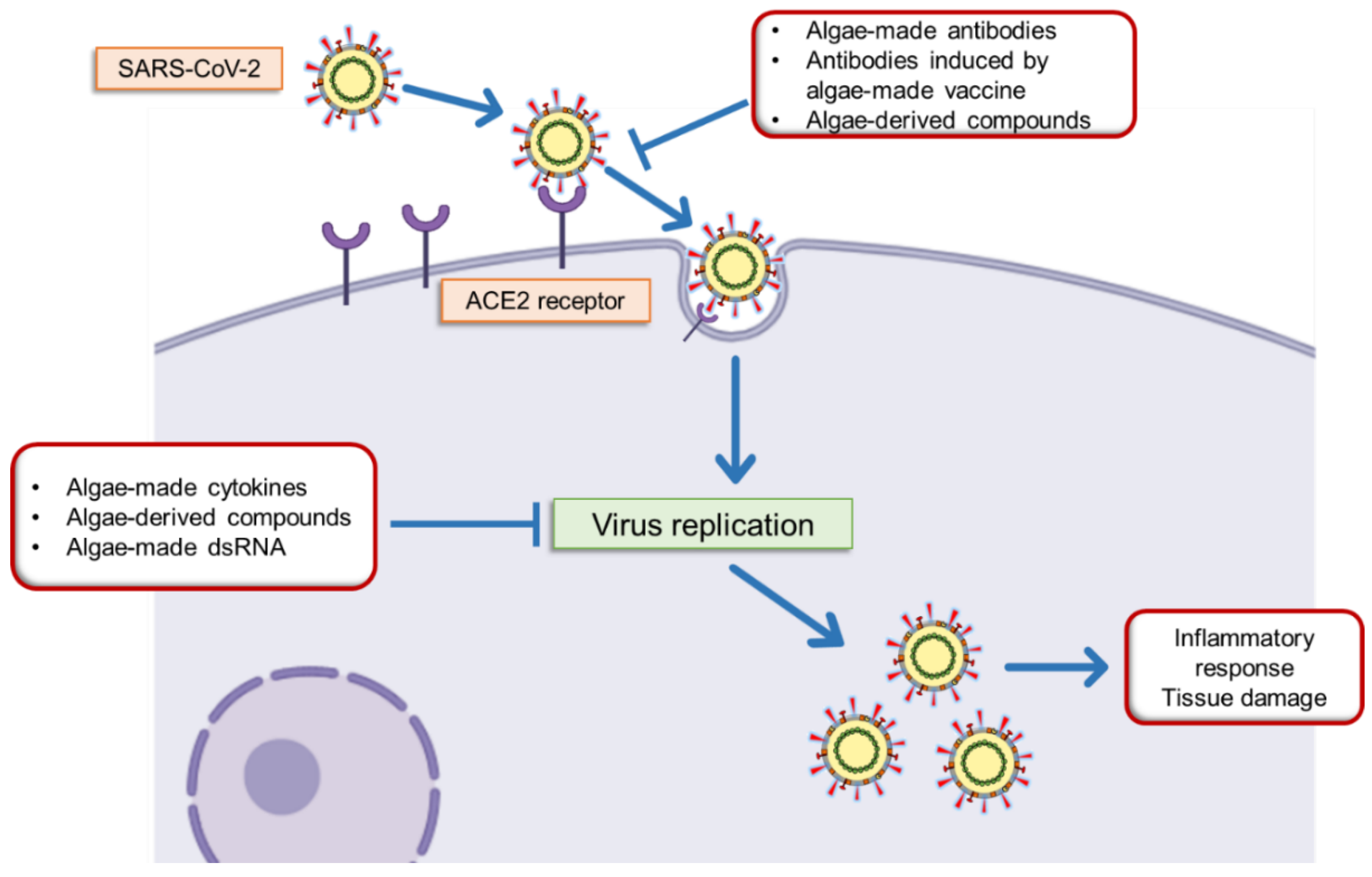

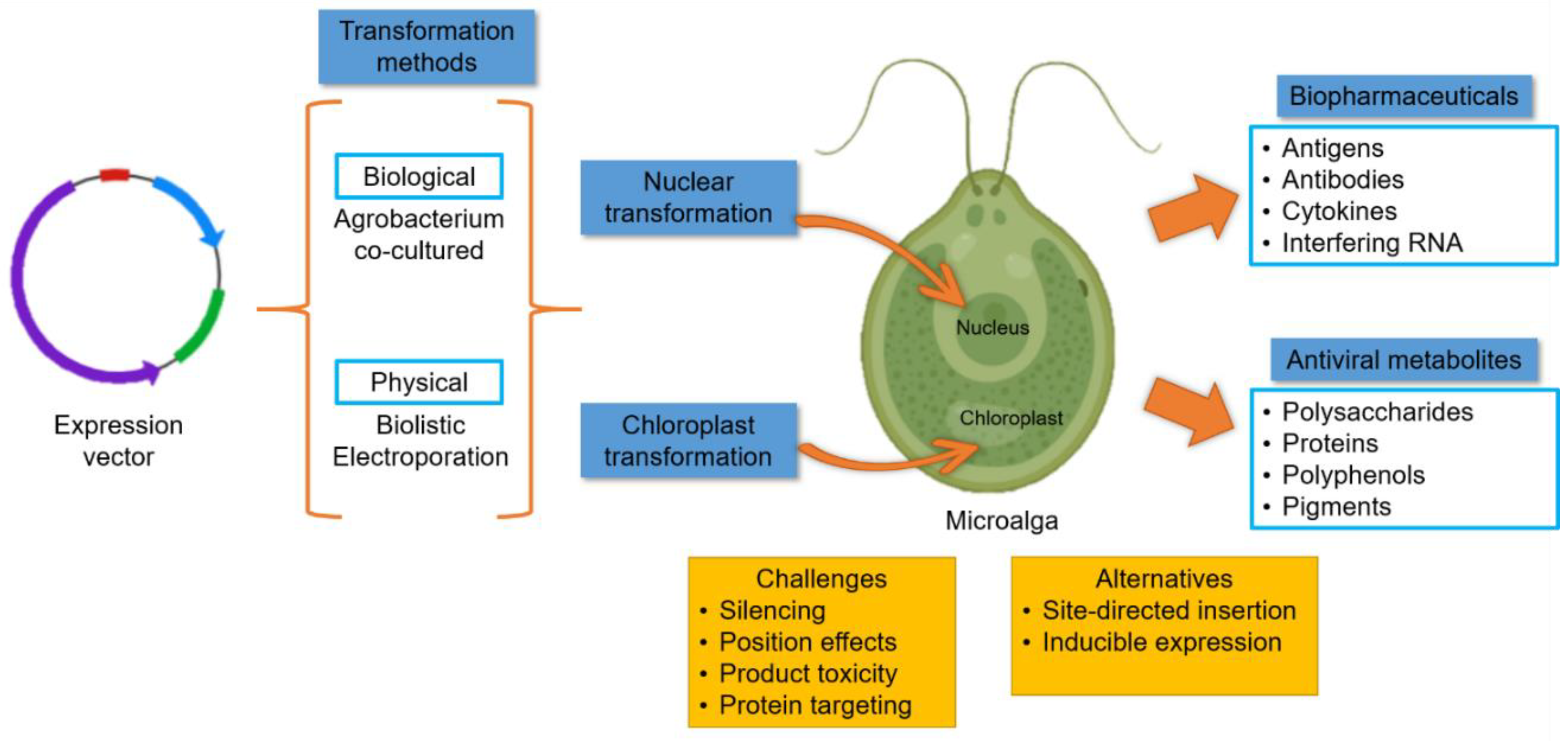

© 2020 by the authors. Licensee MDPI, Basel, Switzerland. This article is an open access article distributed under the terms and conditions of the Creative Commons Attribution (CC BY) license (http://creativecommons.org/licenses/by/4.0/).