Uncertainty of Reported Behavior Dynamics and Its Relationship to Socio-Political Ideologies and Affiliation


Abstract
1. Introduction
1.1. Socio-Political-Psychological Ideologies and Reactions to Immigrants
1.2. Dynamic Measurement and Shannon Information
1.3. Aims, Hypotheses, and Current Study
2. Materials and Methods
2.1. Participants
2.2. Materials, Task, and Procedure
2.2.1. Scenario Background
2.2.2. Dynamic Narrative
2.2.3. Scales and Demographics
2.2.4. Procedure
2.2.5. Data Preparation
Optimal Cluster Size Determination
Calculation of Shannon Information
2.3. Note on Use of GenAI
3. Results
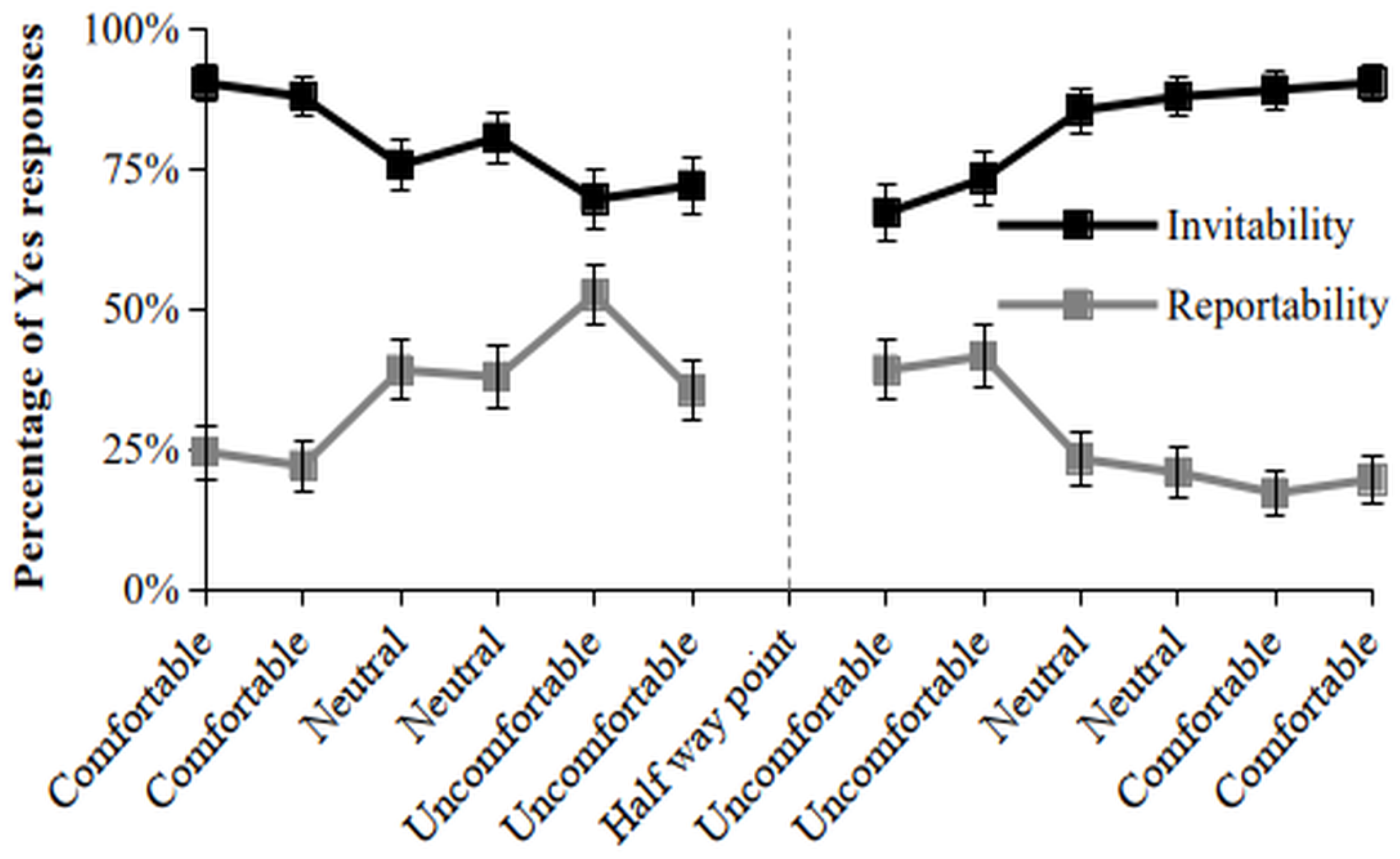
3.1. Base Tendencies and Range of Reported Inviting and Not Reporting
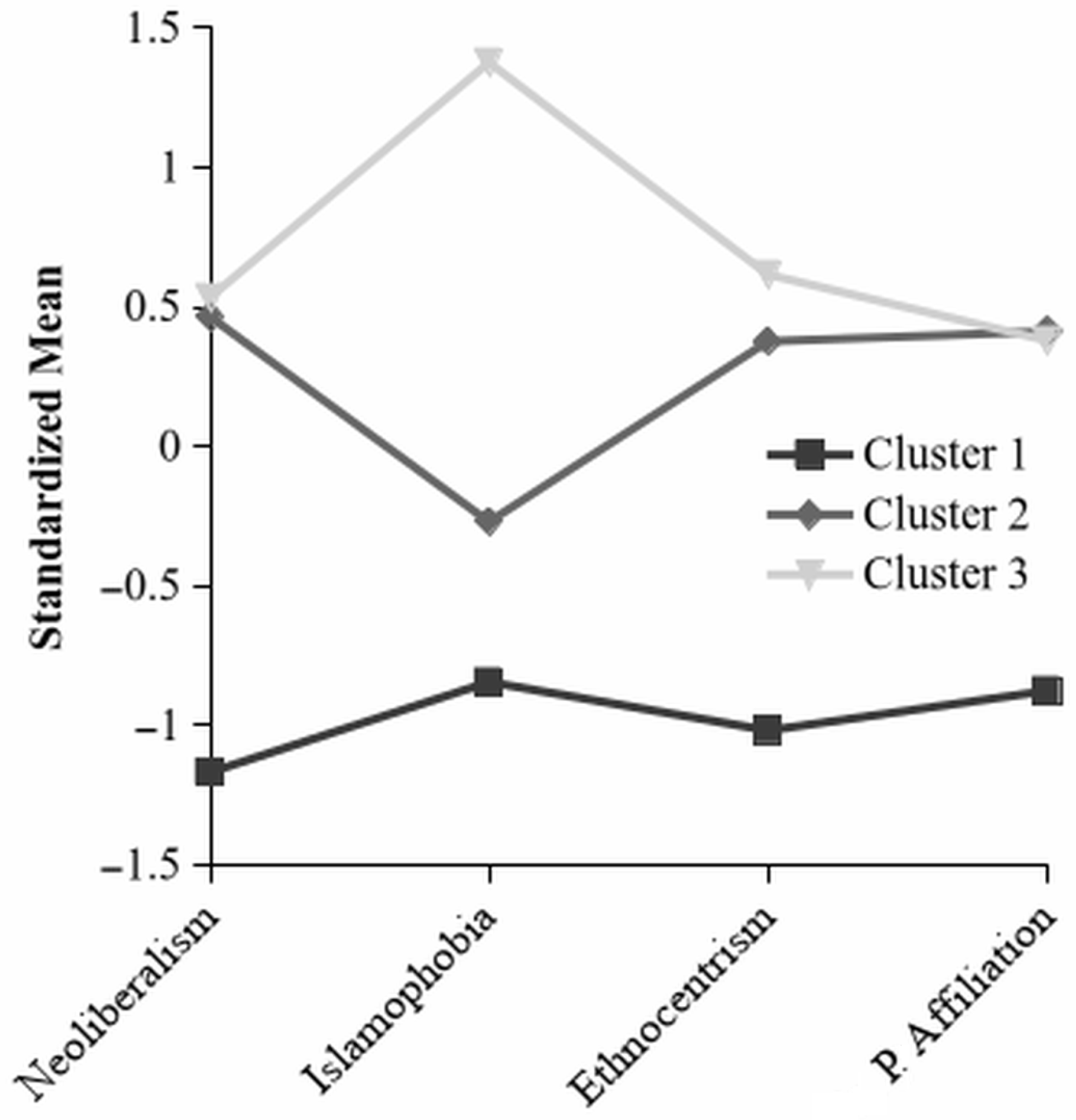
3.2. Hypothesis 1: Ideological-Political Clustering
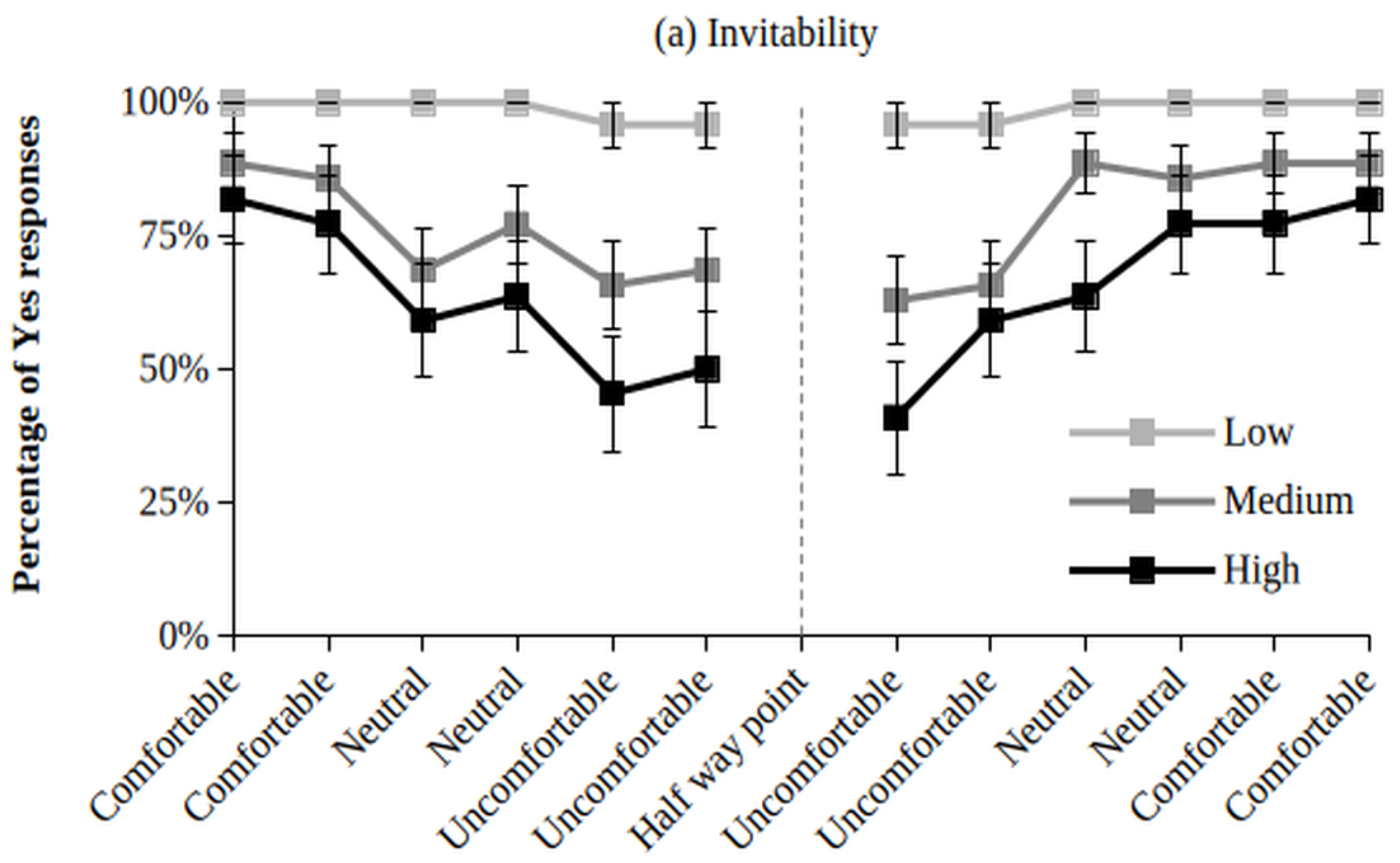
3.3. Statistics of Narrative Response Items by Cluster Belonging
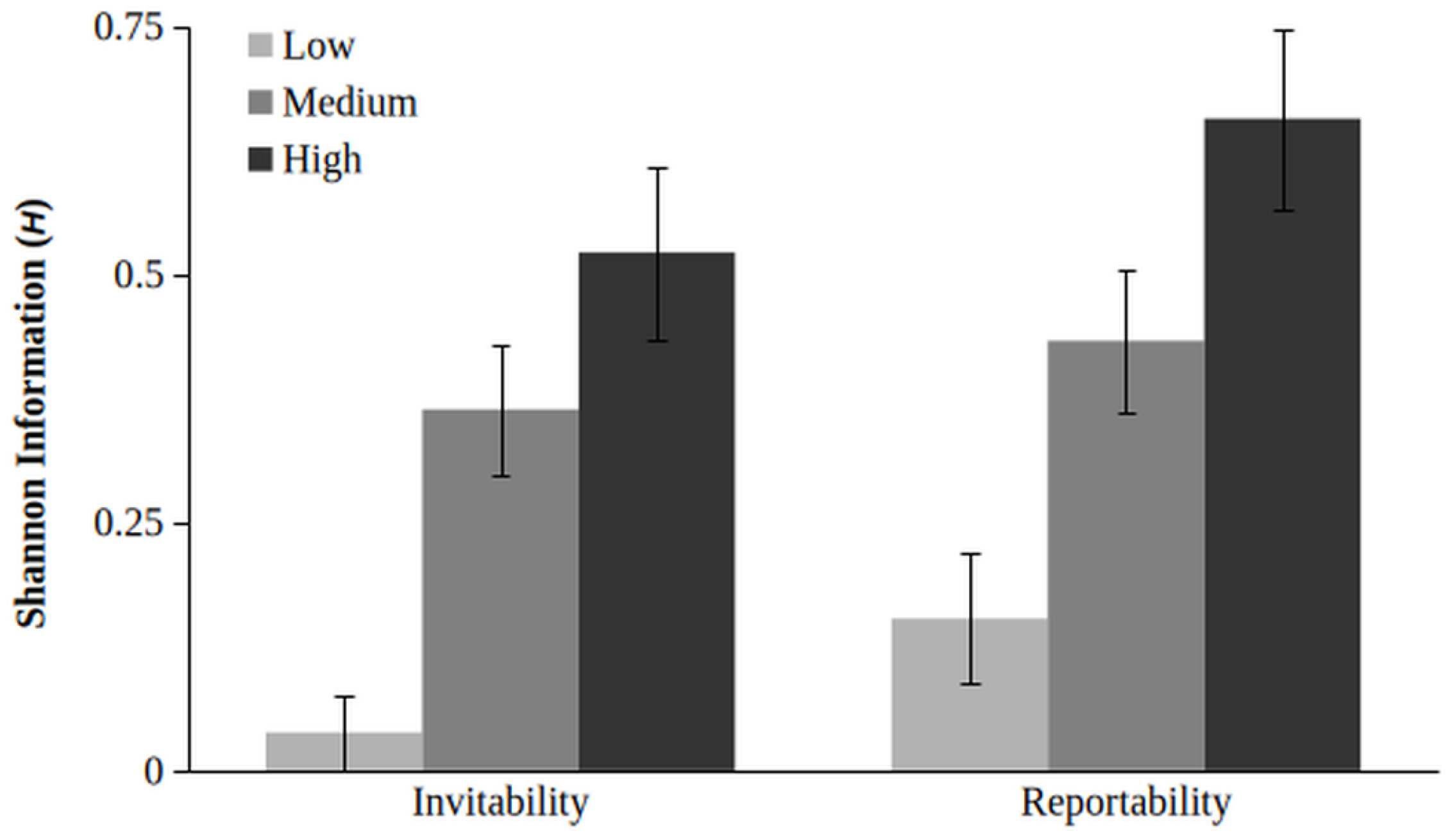
3.4. Hypothesis 2: Differentiation of Shannon Information Based on Cluster Belonging
4. Discussion
4.1. Hypothesis 1: Relations Between Clusters on Political Ideologies and Affiliation
4.2. Hypothesis 2: The Relation Between Clustering and Uncertainty
4.3. Limitations and Future Research
5. Conclusions
Author Contributions
Funding
Institutional Review Board Statement
Informed Consent Statement
Data Availability Statement
Acknowledgments
Conflicts of Interest
Abbreviations
| ANOVA | Analysis of Variance |
| CI | Confidence Interval |
| US | United States (of America) |
Appendix A
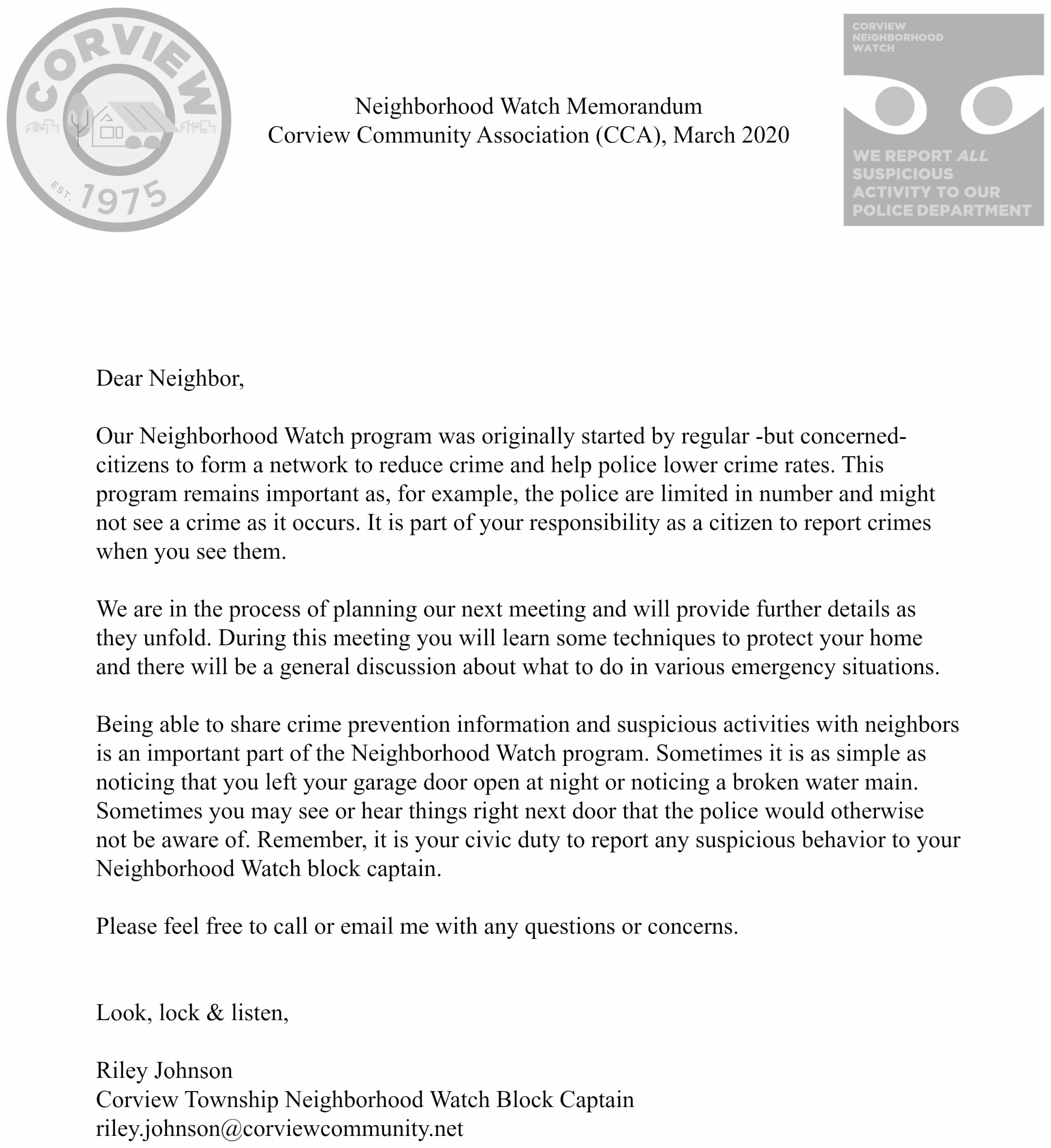



Appendix B
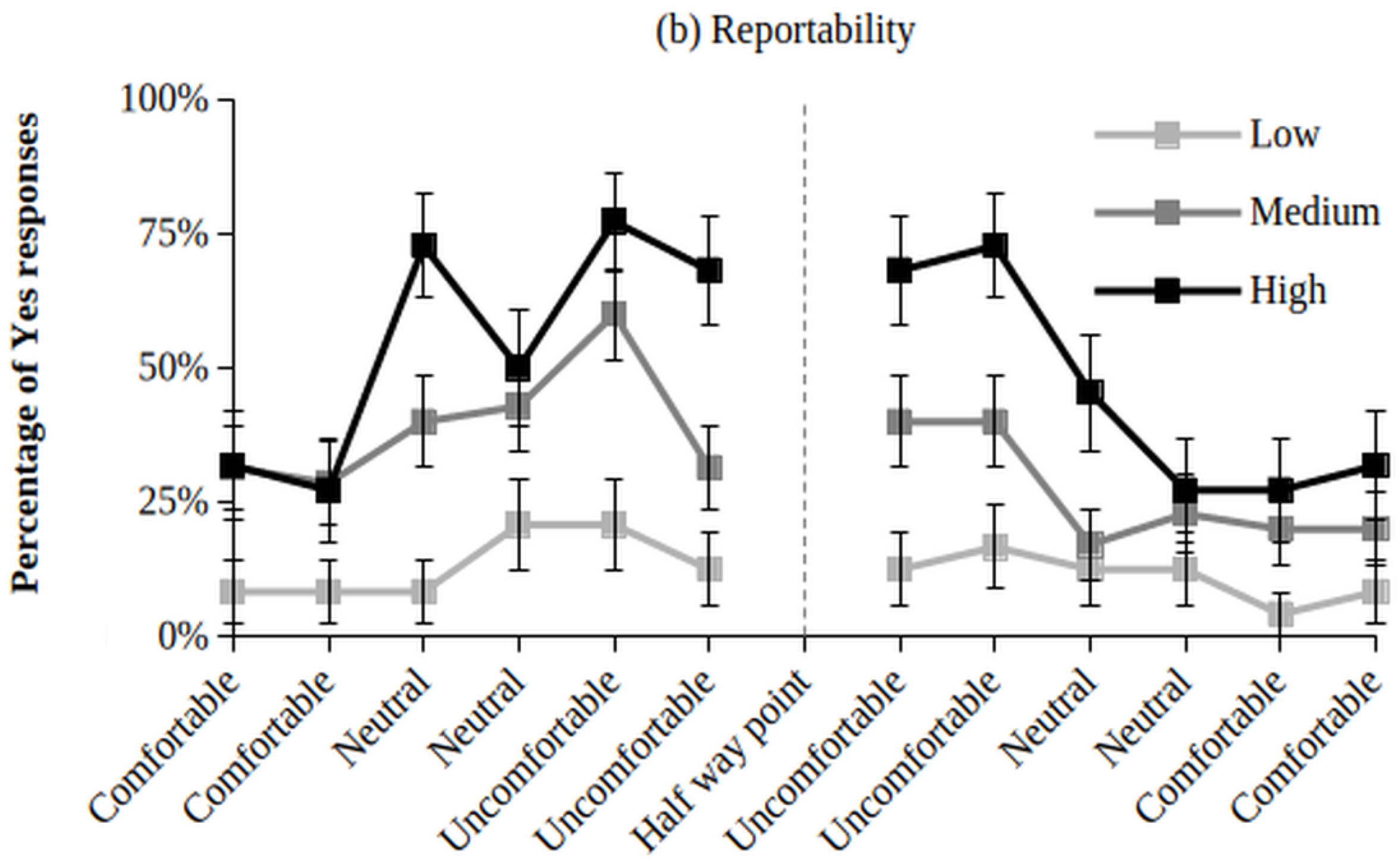
- Comfortable: While watering your lawn outside, you see the new neighbors. You strike up a conversation with the mother and find out that they have two kids, her spouse is an engineer, and she works from home.
- Comfortable: A couple of days later, while walking to a neighborhood activity, you see the kids outside playing hopscotch and laughing with some older kids while they’re playing word games.
- Neutral: The next day, you see the kids playing outside and in your conversation with them, they mention they’re from Syria. A few moments later the mother rushes out of the house and hurries the kids in, barely making eye contact with you.
- Neutral: After another couple of days, you notice that your new neighbors never leave the area, despite them having a car parked outside. You recall that the father might be an engineer and wonder if he hasn’t started work yet.
- Uncomfortable: For the last day or two, you’ve noticed how the trash bins outside of the house are overflowing and starting to smell.
- Uncomfortable: On a walk with Nicole, the neighborhood gossip, she mentioned that she saw the new neighbors using the community center resources and community pool. However, Nicole continued, she doesn’t think they are documented and are not paying taxes for those public services.
- 7.
- Uncomfortable: On a late night walk around the block, you hear adults and children yelling from the new neighbor’s house.
- 8.
- Uncomfortable: The next day you speak with Nicole, she says someone should have called the police last night because of the disturbance from the neighbor’s house. Nicole thinks that your neighbors must not be good parents.
- 9.
- Neutral: Later that day you see the new neighbor’s kids playing outside again and they stop to talk to you. The kids mention that their cousin in Syria had a baby last night and everyone was yelling with excitement about the news. After your conversation, they say they need to go back inside to pray.
- 10.
- Neutral: A few days later while outside, you notice the new neighbor’s windows are open wide and you see the kids cleaning up and doing chores.
- 11.
- Comfortable: A short while later, the father comes out of the house and you notice the smell of delicious food and you ask about it. The father offers some to you.
- 12.
- Comfortable: The next day, you see the mother again and strike up a conversation, she mentions that she worked for the US government as a translator and you see her kids run out of the house and give her a hug.
References
- Ahmed, S.; Jaidka, K.; Chen, V.H.H.; Cai, M.; Chen, A.; Emes, C.S.; Yu, V.; Chib, A. Social media and anti-immigrant prejudice: A multi-method analysis of the role of social media use, threat perceptions, and cognitive ability. Front. Psychol. 2024, 15, 1280366. [Google Scholar] [CrossRef] [PubMed]
- Appel, M.; Weber, S.; Kronberger, N. The Influence of Stereotype Threat on Immigrants: Review and Meta-analysis. Front. Psychol. 2015, 6, 900. [Google Scholar] [CrossRef] [PubMed]
- Grünhage, T.; Reuter, M. Political orientation is associated with behavior in public-goods-and trust-games. Political Behav. 2022, 44, 23–48. [Google Scholar] [CrossRef]
- Iyer, A. Understanding advantaged groups’ opposition to diversity, equity, and inclusion (DEI) policies: The role of perceived threat. Soc. Personal. Psychol. Compass 2022, 6, e12666. [Google Scholar] [CrossRef]
- Sheeran, P.; Harris, P.R.; Epton, T. Does heightening risk appraisals change people’s intentions and behavior? A meta-analysis of experimental studies. Psychol. Bull. 2015, 140, 511–543. [Google Scholar] [CrossRef]
- Lönnqvist, J.-E.; Leikas, S.; Walkowitz, G. Ideological constraint and behavioral consistency—A person-centered approach to political attitudes and Public Goods Games behavior. Front. Soc. Psychol. 2025, 3, 1–11. [Google Scholar] [CrossRef]
- Eiler, B.A.; Kallen, R.W.; Richardson, M.J. Interaction-dominant dynamics, timescale enslavement, and the emergence of social behavior. In Computational Social Psychology; Vallacher, R.R., Read, S.J., Nowak, A., Eds.; Routledge: New York, NY, USA, 2017; pp. 105–126. [Google Scholar] [CrossRef]
- Kelso, J.S. Dynamic Patterns: The Self-Organization of Brain and Behavior; MIT Press: Cambridge, MA, USA, 1995; Available online: https://psycnet.apa.org/record/1995-97832-000 (accessed on 20 February 2025).
- Gibson, J.J. The Senses Considered as Perceptual Systems; Houghton Mifflin: Boston, MA, USA, 1966; Available online: https://psycnet.apa.org/record/1966-35026-000 (accessed on 20 February 2025).
- Gibson, J.J. The Ecological Approach to Visual Perception; Houghton Mifflin: Boston, MA, USA, 1979; Available online: https://psycnet.apa.org/record/2003-00063-000 (accessed on 20 February 2025).
- Chemero, A. Radical Embodied Cognitive Science; MIT Press: Cambridge, MA, USA, 2009. [Google Scholar] [CrossRef]
- Richardson, M.J.; Shockley, K.; Fajen, B.R.; Riley, M.A.; Turvey, M.T. Ecological psychology: Six principles for an embodied–embedded approach to behavior. In Handbook of Cognitive Science; Calvo, P., Gomila, A., Eds.; Elsevier: San Diego, CA, USA, 2008; pp. 159–187. [Google Scholar] [CrossRef]
- Federico, C.M.; Malka, A. The Psychological and Social Foundations of Ideological Belief Systems. In The Oxford Handbook of Political Psychology, 3rd ed.; Huddy, L., Sears, D.O., Levy, J.S., Jerit, J., Eds.; Oxford University Press: Oxford, UK, 2023; pp. 601–648. [Google Scholar] [CrossRef]
- Hill, Y.; Dolezal, M.L.; Nordbeck, P.C.; Den Hartigh, R.J.; Pincus, D.; Kiefer, A.W.; Ricca, B.P. Moving from Traits to the Dynamic Process: The Next Steps in Research on Human Resilience. J. Aggress. Maltreat. Trauma 2025, 34, 971–989. [Google Scholar] [CrossRef]
- Dutt, A.; Kohfeldt, D. Assessing the relationship between neoliberal ideology and reactions to Central American asylum seekers in the United States. J. Soc. Issues 2019, 75, 134–152. [Google Scholar] [CrossRef]
- Hellwig, T.; Sinno, A. Different groups, different threats: Public attitudes towards immigrants. J. Ethn. Migr. Stud. 2017, 43, 339–358. [Google Scholar] [CrossRef]
- Van Dijk, T.A. Discourse, ideology and context. Folia Linguist. 2001, 35, 11–40. [Google Scholar] [CrossRef]
- Cely, T. One more constrained than the other: Asymmetrical ideological alignment and its implications for polarization. Eur. J. Political Res. 2025, 64, 1945–1973. [Google Scholar] [CrossRef]
- Hammack, P.L.; Pilecki, A. Narrative as a root metaphor for political psychology. Political Psychol. 2012, 33, 75–103. [Google Scholar] [CrossRef]
- Höge, T.; Unterrainer, C.; Hornung, S. Measuring neoliberal individualism, instrumentality, and competition: Development and validation of the Neoliberal Ideological Beliefs Questionnaire (NLBQ). Anal. Soc. Issues Public Policy 2026, 26, e70049. [Google Scholar] [CrossRef]
- Venugopal, R. Neoliberalism as concept. Econ. Soc. 2015, 44, 165–187. [Google Scholar] [CrossRef]
- Azevedo, F.; Jost, J.; Rothmund, T.; Sterling, J. Neoliberal Ideology and the Justification of Inequality in Capitalist Societies: Why Social and Economic Dimensions of Ideology Are Intertwined. J. Soc. Issues 2019, 75, 49–88. [Google Scholar] [CrossRef]
- McMillan, C. Make America Great Again: Ideological fantasy, American exceptionalism and Donald Trump. Subjectivity 2017, 10, 204–222. [Google Scholar] [CrossRef]
- Gilmore, J. American exceptionalism in the American mind: Presidential discourse, national identity, and US public opinion. Commun. Stud. 2015, 66, 301–320. [Google Scholar] [CrossRef]
- Gray, H.; Franck, A.K. Refugees as/at risk: The gendered and racialized underpinnings of securitization in British media narratives. Secur. Dialogue 2019, 50, 275–291. [Google Scholar] [CrossRef]
- West, D.M. The costs and benefits of immigration. Political Sci. Q. 2011, 126, 427–443. [Google Scholar] [CrossRef]
- Hodges, B.H. Rethinking conformity and imitation: Divergence, convergence, and social understanding. Front. Psychol. 2014, 5, 726. [Google Scholar] [CrossRef] [PubMed]
- van Rooij, M.M.; Favela, L.H.; Malone, M.; Richardson, M.J. Modeling the dynamics of risky choice. Ecol. Psychol. 2013, 25, 293–303. [Google Scholar] [CrossRef]
- Andrews, M.; Kinnvall, C.; Monroe, K. Narratives of (In) Security: Nationhood, Culture, Religion and Gender: Introduction to Special Issue. Political Psychol. 2015, 36, 141–148. [Google Scholar] [CrossRef]
- Kubin, E.; von Sikorski, C. The role of (social) media in political polarization: A systematic review. Ann. Int. Commun. Assoc. 2021, 45, 188–206. [Google Scholar] [CrossRef]
- Gatenio Gabel, S.; Schmitz, C.L. The Power of Narrative in Changing Political Regimes. J. Hum. Rights Soc. Work 2025, 10, 1–2. [Google Scholar] [CrossRef]
- Boswell, C.; Geddes, A.; Scholten, P. The Role of Narratives in Migration Policy-Making: A Research Framework. Br. J. Politics Int. Relat. 2011, 13, 1–11. [Google Scholar] [CrossRef]
- Walter, S. The limits and rewards of political opportunism: How electoral timing affects the outcome of currency crises. Eur. J. Political Res. 2008, 48, 367–396. [Google Scholar] [CrossRef]
- Harteveld, E.; Kokkonen, A.; Dahlberg, S. Adapting to party lines: The effect of party affiliation on attitudes to immigration. West Eur. Politics 2017, 40, 1177–1197. [Google Scholar] [CrossRef]
- Ayasli, E. How expected party affiliation influences attitudes toward immigrants? Experimental evidence from the United States. Int. Migr. 2024, 62, 158–174. [Google Scholar] [CrossRef]
- Brown, W. Undoing the Demos: Neoliberalism’s Stealth Revolution; Princeton University Press: Princeton, NJ, USA, 2015. [Google Scholar] [CrossRef]
- Brown, W. In the Ruins of Neoliberalism: The Rise of Antidemocratic Politics in the West; Columbia University Press: New York, NY, USA, 2015. [Google Scholar] [CrossRef]
- Harvey, D. A Brief History of Neoliberalism, 1st ed.; Oxford University Press: Oxford, UK, 2011. [Google Scholar] [CrossRef]
- Beattie, P. The Road to Psychopathology: Neoliberalism and the Human Mind. J. Soc. Issues 2019, 75, 89–112. [Google Scholar] [CrossRef]
- Navarro, V. Neoliberalism as a class ideology; or, the political causes of the growth of inequalities. Int. J. Health Serv. Plan. Adm. Eval. 2007, 37, 47–62. [Google Scholar] [CrossRef]
- Bay-Cheng, L.Y.; Fitz, C.C.; Alizaga, N.M.; Zucker, A.N. Tracking Homo Oeconomicus: Development of the Neoliberal Beliefs Inventory. J. Soc. Political Psychol. 2015, 3, 71–88. [Google Scholar] [CrossRef]
- Varsanyi, M.W. Neoliberalism and Nativism: Local Anti-Immigrant Policy Activism and an Emerging Politics of Scale. Int. J. Urban Reg. Res. 2011, 35, 295–311. [Google Scholar] [CrossRef]
- Finley, L.; Esposito, L. The Immigrant as Bogeyman: Examining Donald Trump and the Right’s Anti-immigrant, Anti-PC Rhetoric. Humanit. Soc. 2020, 44, 178–197. [Google Scholar] [CrossRef]
- Jun, E. Voices of ordinary citizens: Ban damunhwa and its neoliberal affect of anti-immigration in South Korea. Crit. Asian Stud. 2019, 51, 386–402. [Google Scholar] [CrossRef]
- Passini, S.; Villano, P. Justice and Immigration: The Effect of Moral Exclusion. Int. J. Psychol. Res. 2018, 11, 42–49. [Google Scholar] [CrossRef]
- Hammond, R.A.; Axelrod, R. The Evolution of Ethnocentrism. J. Confl. Resolut. 2006, 50, 926–936. [Google Scholar] [CrossRef]
- Neuliep, J.W.; McCroskey, J.C. The development of a U.S. and generalized ethnocentrism scale. Commun. Res. Rep. 1997, 14, 385–398. [Google Scholar] [CrossRef]
- Hainmueller, J.; Hiscox, M.J. Attitudes toward Highly Skilled and Low-skilled Immigration: Evidence from a Survey Experiment. Am. Political Sci. Rev. 2010, 104, 61–84. [Google Scholar] [CrossRef]
- Mansfield, E.D.; Mutz, D.C. Support for Free Trade: Self-Interest, Sociotropic Politics, and Out-Group Anxiety. Int. Organ. 2009, 63, 425–457. [Google Scholar] [CrossRef]
- Mansfield, E.D.; Mutz, D.C. US versus Them: Mass Attitudes toward Offshore Outsourcing. World Politics 2013, 65, 571–608. [Google Scholar] [CrossRef]
- Kasomo, D. Historical Manifestation of Ethnocentrism and its Challenges Today. Int. J. Appl. Sociol. 2011, 1, 8–14. Available online: http://article.sapub.org/10.5923.j.ijas.20110101.02.html (accessed on 16 March 2025).
- Chirot, D.; Seligman, M. Ethnopolitical Warfare: Causes, Consequences, and Possible Solutions; American Psychological Association: Washington, DC, USA, 2001. [Google Scholar] [CrossRef]
- Zeugner-Roth, K.P.; Žabkar, V.; Diamantopoulos, A. Consumer Ethnocentrism, National Identity, and Consumer Cosmopolitanism as Drivers of Consumer Behavior: A Social Identity Theory Perspective. J. Int. Mark. 2015, 23, 25–54. [Google Scholar] [CrossRef]
- Bleich, E. What is islamophobia and how much is there? Theorizing and measuring an emerging comparative concept. Am. Behav. Sci. 2011, 55, 1581–1600. [Google Scholar] [CrossRef]
- Semati, M. Islamophobia, Culture and Race in the Age of Empire. Cult. Stud. 2010, 24, 256–275. [Google Scholar] [CrossRef]
- Balibar, É.; Wallerstein, I. Race, Nation, Class: Ambiguous Identities; Verso: London, UK, 1991. [Google Scholar]
- Mourad, Z. Neoliberalism and Islamophobia: The Politics of Naming Muslims. In Neoliberalism and Islamophobia: Schooling and Religion for Minority Muslim Youth; Mourad, Z., Ed.; Springer International Publishing: London, UK, 2022; pp. 23–57. [Google Scholar] [CrossRef]
- Elkassem, S.; Csiernik, R.; Mantulak, A.; Kayssi, G.; Hussain, Y.; Lambert, K.; Bailey, P.; Choudhary, A. Growing up Muslim: The impact of islamophobia on children in a Canadian community. J. Muslim Ment. Health 2018, 12, 3–18. [Google Scholar] [CrossRef]
- Luqiu, L.R.; Yang, F. Islamophobia in China: News coverage, stereotypes, and Chinese Muslims’ perceptions of themselves and Islam. Asian J. Commun. 2018, 28, 598–619. [Google Scholar] [CrossRef]
- Borell, K. When Is the Time to Hate? A Research Review on the Impact of Dramatic Events on Islamophobia and Islamophobic Hate Crimes in Europe. Islam Christ. Relat. 2015, 26, 409–421. [Google Scholar] [CrossRef]
- Saylor, C. The U.S. Islamophobia network: Its funding and impact. Islam. Stud. J. 2014, 2, 100–119. [Google Scholar] [CrossRef]
- Davids, M.F. The impact of Islamophobia. Psychoanal. Hist. 2009, 11, 175–191. [Google Scholar] [CrossRef]
- Beattie, P.; Bettache, K.; Chong, K.C.Y. Who is the neoliberal? Exploring neoliberal beliefs across East and West. J. Soc. Issues 2019, 75, 20–48. [Google Scholar] [CrossRef]
- Grzanka, P.R.; Miles, J.R.; Spengler, E.S.; Arnett, J.E., III; Pruett, J. Measuring neoliberalism: Development and initial validation of a scale of anti-neoliberal attitudes. Soc. Justice Res. 2020, 33, 44–80. [Google Scholar] [CrossRef]
- Bou Zeineddine, F.; Pratto, F. The need for power and the power of need: An ecological approach for political psychology. Political Psychol. 2017, 38, 3–35. [Google Scholar] [CrossRef]
- Dutt, A.; Grabe, S. Gender ideology and social transformation: Using mixed methods to explore processes of ideological change and the promotion of women’s human rights in Tanzania. Sex Roles 2017, 77, 309–324. [Google Scholar] [CrossRef]
- Chow, J.Y.; Davids, K.; Button, C.; Shuttleworth, R.; Renshaw, I.; Araújo, D. The role of nonlinear pedagogy in physical education. Rev. Educ. Res. 2007, 77, 251–278. [Google Scholar] [CrossRef]
- Vaz, D.V.; Silva, P.L.; Mancini, M.C.; Carello, C.; Kinsella-Shaw, J. Towards an ecologically grounded functional practice in rehabilitation. Hum. Mov. Sci. 2017, 52, 117–132. [Google Scholar] [CrossRef]
- Brinck, I. Situated cognition, dynamic systems, and art: On artistic creativity and aesthetic experience. Janus Head 2007, 9, 407–431. [Google Scholar] [CrossRef]
- Kelso, J.S. Phase transitions and critical behavior in human bimanual coordination. Am. J. Physiol. Regul. Integr. Comp. Physiol. 1984, 15, R1000–R1004. [Google Scholar] [CrossRef]
- Warren, W.H. The dynamics of perception and action. Psychol. Rev. 2006, 113, 358–389. [Google Scholar] [CrossRef] [PubMed]
- Richardson, M.J.; Chemero, A. Complex dynamical systems and embodiment. In The Routledge Handbook of Embodied Cognition; Routledge: Milton Park, UK, 2014; pp. 39–50. [Google Scholar] [CrossRef]
- Järvilehto, T. The theory of the organism-environment system: I. Description of the theory. Integr. Physiol. Behav. Sci. 1998, 33, 321–334. [Google Scholar] [CrossRef] [PubMed]
- Järvilehto, T. The theory of the organism-environment system as a basis of experimental work in psychology. Ecol. Psychol. 2009, 21, 112–120. [Google Scholar] [CrossRef]
- Jones, D.S. Elementary Information Theory; Clarendon Press: Oxford, UK, 1979; Volume 76. [Google Scholar]
- Shannon, C.E.; Weaver, W. A Mathematical Model of Communication; University of Illinois Press: Urbana, IL, USA, 1949; pp. 11–20. Available online: https://psycnet.apa.org/record/1950-04584-000 (accessed on 3 June 2025).
- Shannon, C.E. Communication theory of secrecy systems. Bell Syst. Tech. J. 1949, 28, 656–715. [Google Scholar] [CrossRef]
- Hilbert, M. Information Theory for Human and Social Processes. Entropy 2020, 23, 9. [Google Scholar] [CrossRef]
- Deisenroth, M.P.; Faisal, A.A.; Ong, C.S. Mathematics for Machine Learning; Cambridge University Press: Cambridge, MA, USA, 2020. [Google Scholar] [CrossRef]
- Quanta Magazine. Available online: https://www.quantamagazine.org/how-claude-shannons-concept-of-entropy-quantifies-information-20220906/ (accessed on 16 March 2026).
- Shannon, C.E. The bandwagon. IRE Trans. Inf. Theory 1956, 2, 3. [Google Scholar] [CrossRef]
- Chomsky, N. Syntactic Structures; Walter de Gruyter: Berlin, Germany, 1957. [Google Scholar] [CrossRef]
- Cover, T.M. Elements of Information Theory; John Wiley & Sons: Hoboken, NJ, USA, 1999. [Google Scholar] [CrossRef]
- Warland, D.; Rieke, F.; de Ruyter van Stevenick, R.; Bialek, W. Spikes: Exploring the Neural Code; MIT Press: Cambridge, MA, USA, 1996. [Google Scholar]
- Berquet, S.; Aleem, H.; Grzywacz, N.M. A Fisher Information Theory of Aesthetic Preference for Complexity. Entropy 2024, 26, 901. [Google Scholar] [CrossRef] [PubMed]
- Grzywacz, N.M. Perceptual Complexity as Normalized Shannon Entropy. Entropy 2025, 27, 166. [Google Scholar] [CrossRef]
- Kwao, L.; Yang, Y.; Zou, J.; Ma, J. A Survey of Approaches to Early Rumor Detection on Microblogging Platforms: Computational and Socio-Psychological Insights. Wiley Interdiscip. Rev. Data Min. Knowl. Discov. 2025, 15, e70001. [Google Scholar] [CrossRef]
- Bocheva, M. Shannon entropy in visual perception predicts priming effects. Cogn. Syst. Res. 2025, 93, 101395. [Google Scholar] [CrossRef]
- Jia, H.; Wang, L. Introducing Entropy into Organizational Psychology: An Entropy-Based Proactive Control Model. Behav. Sci. 2024, 14, 54. [Google Scholar] [CrossRef]
- Hirsh, J.B.; Mar, R.A.; Peterson, J.B. Psychological entropy: A framework for understanding uncertainty-related anxiety. Psychol. Rev. 2012, 119, 304. [Google Scholar] [CrossRef]
- FeldmanHall, O.; Shenhav, A. Resolving uncertainty in a social world. Nat. Hum. Behav. 2019, 3, 426–435. [Google Scholar] [CrossRef]
- National Neighborhood Watch. Available online: https://www.nnw.org/ (accessed on 16 November 2024).
- Navarro, D.J.; Foxcroft, D.R. Learning Statistics with Jamovi: A Tutorial for Psychology Students and Other Beginners, v. 0.70; Open Book Publishers: Cambridge, UK, 2025. [CrossRef]
- Lee, S.A.; Gibbons, J.A.; Thompson, J.M.; Timani, H.S. The Islamophobia Scale: Instrument Development and Initial Validation. Int. J. Psychol. Relig. 2009, 19, 92–105. [Google Scholar] [CrossRef]
- The Jamovi Project, v. 2.7.6.0. Available online: https://www.jamovi.org (accessed on 25 August 2025).
- Seol, H. snowCluster: Multivariate Analysis, v. 7.5.5. Available online: https://github.com/hyunsooseol/snowCluster (accessed on 25 August 2025).
- Calinski, T.; Harabasz, J. A dendrite method for cluster analysis. Commun. Stat. 1974, 3, 1–27. [Google Scholar] [CrossRef]
- Davies, D.L.; Bouldin, D.W. A Cluster Separation Measure. IEEE Trans. Pattern Anal. Mach. Intell. 1979, 1, 224–227. [Google Scholar] [CrossRef] [PubMed]
- Tibshirani, R.; Walther, G.; Hastie, T. Estimating the number of clusters in a data set via the gap statistic. J. R. Stat. Soc. Ser. B 2001, 63, 411–423. [Google Scholar] [CrossRef]
- Bizumic, B.; Monaghan, C.; Priest, D. The return of ethnocentrism. Political Psychol. 2021, 42, 29–73. [Google Scholar] [CrossRef]
- Helbling, M.; Traunmüller, R. What is Islamophobia? Disentangling citizens’ feelings toward ethnicity, religion and religiosity using a survey experiment. Br. J. Political Sci. 2020, 50, 811–828. [Google Scholar] [CrossRef]
- Esposito, L.; Murphy, J.W. Post Civil Rights Racism and the Need to Challenge Racial/Ethnic Inequality beyond the Limits of Liberalism. Theory Action 2010, 3, 38–63. [Google Scholar] [CrossRef]
- Nordbeck, P.C.; Soter, L.K.; Viklund, J.S.; Beckmann, E.A.; Kallen, R.W.; Chemero, A.P.; Richardson, M.J. Effects of task constraint on action dynamics. Cogn. Syst. Res. 2019, 55, 192–204. [Google Scholar] [CrossRef]
- Nordbeck, P.C.; Lamb, M.; Silva, P.L. Modeling and simulating action dynamics in underconstrained tasks in virtual reality. Stud. Percept. Action 2021, 15, 37–40. Available online: https://portal.research.lu.se/sv/publications/modelling-and-simulating-action-dynamics-in-underconstrained-task/ (accessed on 2 December 2024).
- Krumpal, I. Determinants of social desirability bias in sensitive surveys: A literature review. Qual. Quant. 2013, 47, 2025–2047. [Google Scholar] [CrossRef]
- LaPiere, R.T. Attitudes vs. Actions. Soc. Forces 1934, 13, 230–237. [Google Scholar] [CrossRef]




| Neoliberalism | Islamophobia | Ethnocentrism | Political Affiliation | |
|---|---|---|---|---|
| Cluster 1 | 49 (13) | 31 (10) | 32 (7) | 2.3 (1.6) |
| Cluster 2 | 86 (15) | 52 (16) | 48 (8) | 5.6 (2.2) |
| Cluster 3 | 87 (17) | 111 (26) | 51 (9) | 5.6 (2.4) |
Disclaimer/Publisher’s Note: The statements, opinions and data contained in all publications are solely those of the individual author(s) and contributor(s) and not of MDPI and/or the editor(s). MDPI and/or the editor(s) disclaim responsibility for any injury to people or property resulting from any ideas, methods, instructions or products referred to in the content. |
© 2026 by the authors. Licensee MDPI, Basel, Switzerland. This article is an open access article distributed under the terms and conditions of the Creative Commons Attribution (CC BY) license.
Share and Cite
Nordbeck, P.C.; Shi, C.; Dutt, A. Uncertainty of Reported Behavior Dynamics and Its Relationship to Socio-Political Ideologies and Affiliation. Entropy 2026, 28, 545. https://doi.org/10.3390/e28050545
Nordbeck PC, Shi C, Dutt A. Uncertainty of Reported Behavior Dynamics and Its Relationship to Socio-Political Ideologies and Affiliation. Entropy. 2026; 28(5):545. https://doi.org/10.3390/e28050545
Chicago/Turabian StyleNordbeck, Patric C., Christine Shi, and Anjali Dutt. 2026. "Uncertainty of Reported Behavior Dynamics and Its Relationship to Socio-Political Ideologies and Affiliation" Entropy 28, no. 5: 545. https://doi.org/10.3390/e28050545
APA StyleNordbeck, P. C., Shi, C., & Dutt, A. (2026). Uncertainty of Reported Behavior Dynamics and Its Relationship to Socio-Political Ideologies and Affiliation. Entropy, 28(5), 545. https://doi.org/10.3390/e28050545